Save Money with HVAC Subscription Maintenance Plans
As an HVAC professional, I have seen many homeowners delay service until a breakdown occurs. Imagine an air conditioner failing during peak summer heat with technicians unavailable. Emergency rates apply, yet routine care could prevent this scenario. HVAC subscription maintenance plans provide predictable expenses, priority scheduling, and sustained savings.
Reasons Homeowners Face Excessive Costs
Unexpected failures lead to more than repair expenses. Efficiency drops, comfort suffers, and safety risks arise. In areas with demanding seasons, systems operate continuously. Dust accumulation, low refrigerant, and minor problems escalate without tune ups. Industry observations indicate that nearly 80 percent of breakdowns stem from skipped maintenance.
Subscription Plans as the Effective Option
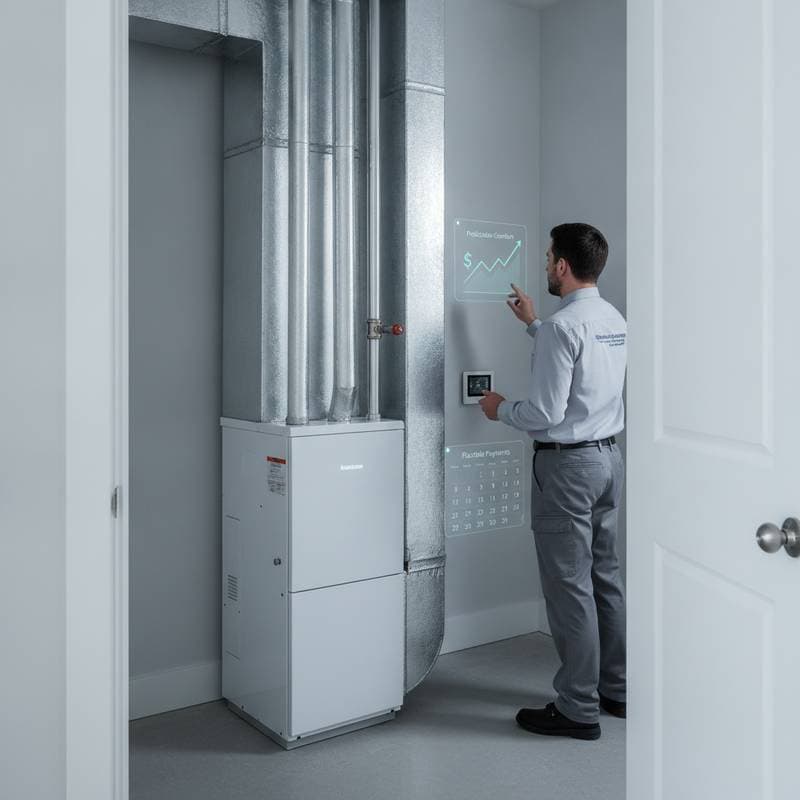
These plans maintain system performance while distributing costs evenly. Homeowners avoid large emergency outlays by paying a steady fee for tune ups, priority access, and repair discounts. Experts advise these options for reliable operation without unexpected issues.
The plan functions similarly to regular health checkups for the climate control system.
Key Benefits of an HVAC Subscription Plan
Lower Long Term Costs
Routine maintenance can reduce overall operating costs by up to 15 percent. Technicians clean coils, replace filters, and calibrate systems for optimal performance. This efficiency cuts energy use and lowers utility bills month after month.
Fewer Emergency Repairs
Technicians catch small issues before they escalate when a plan is in place. A worn blower belt or dirty condenser coil can be fixed early, saving hundreds compared to a full system failure. Most plans include priority service so members skip long waits for appointments.
Extended Equipment Lifespan
An HVAC system lasts longer when properly maintained, much like a car that receives regular oil changes. With consistent tune ups, systems can run five to ten years beyond their average lifespan and delay the cost of major replacement.
Improved Air Quality and Comfort
Clean filters and coils mean cleaner air circulating through the home. Dust, allergens, and humidity levels stay in check and create a more comfortable and healthier living environment.
Exclusive Discounts and Priority Access
Many service contracts include special pricing on repairs, replacement parts, or new equipment. Some companies guarantee same day service for members and provide peace of mind during extreme weather.
How a Typical HVAC Subscription Works
Most plans include two seasonal visits per year, one before the cooling season and another before the heating season. During these visits, technicians perform comprehensive checks and cleanings.
What You Can Expect from Each Visit
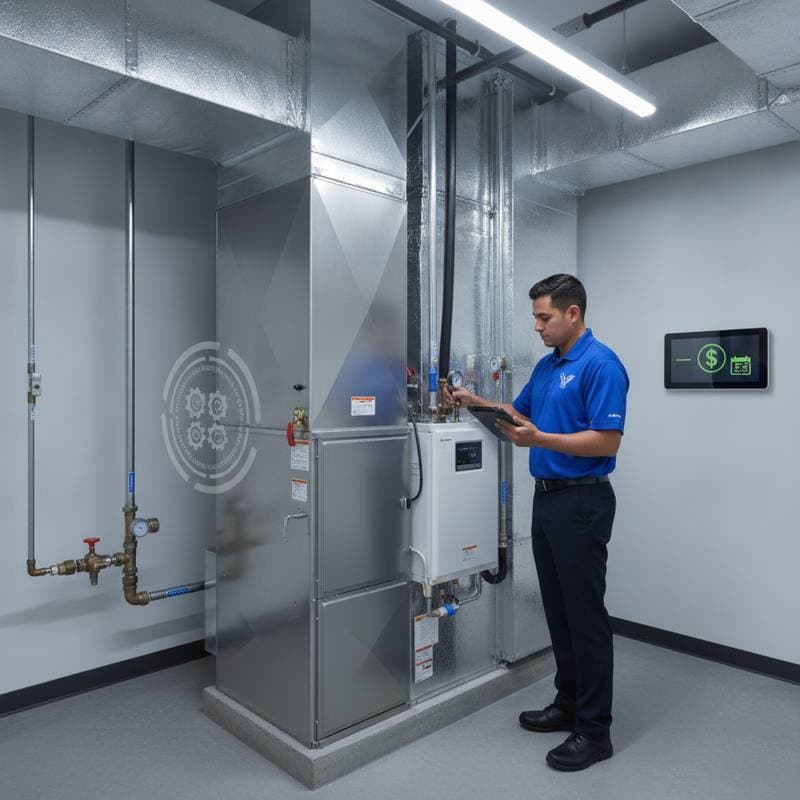
- Inspection and Cleaning: The technician examines all key components like coils, burners, and blower assemblies and removes buildup that strains performance.
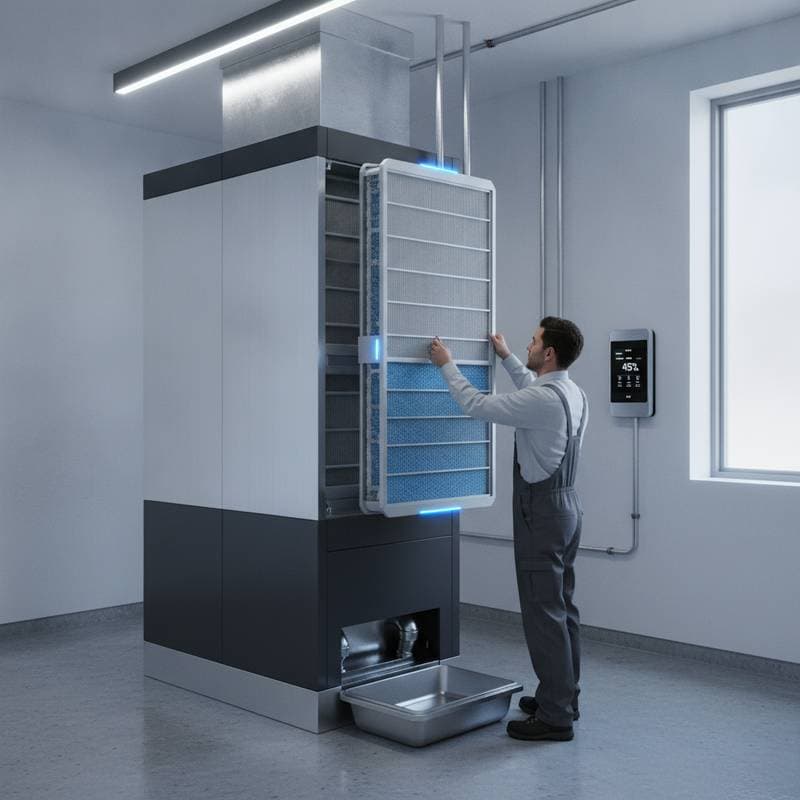
- Filter Replacement: Clean filters ensure steady airflow and reduce dust circulation.
- System Calibration: Thermostats and controls are adjusted for accurate temperature management.
- Safety Testing: Combustion analysis, carbon monoxide detection, and electrical checks ensure safe operation.
- Performance Reporting: You receive a summary of the system condition, including any recommended repairs.
Some plans also include reminders for filter changes, access to emergency lines, and detailed service records that simplify warranty claims.
Expert Advice for Choosing the Right Plan
From years in the field, I have learned that not all maintenance plans offer the same value. The key to success lies in reading the fine print and matching the plan to system needs.
- Compare Coverage: Look for plans that include both heating and cooling equipment.
- Check Frequency: Two visits per year are ideal for balanced maintenance.
- Ask About Discounts: Many providers offer 10 to 20 percent savings on parts or labor.
- Review Cancellation Terms: Make sure you can adjust or cancel without heavy penalties.
- Confirm Technician Credentials: Only work with certified HVAC professionals who follow safety and efficiency standards.
As technician Mark Jensen said, The best maintenance plan is one that prevents the need for an emergency call in the first place. That is the real value these subscriptions bring.
Practical Cost Considerations
A typical HVAC subscription plan costs between 150 and 300 dollars per year, depending on system size and coverage. Compare that to a single emergency repair that can easily reach 500 dollars or more. When the cost is spread across the year, the result is payment for peace of mind. Energy savings alone can offset much of the expense.
For homeowners with older systems, these plans are especially valuable. Regular inspections help anticipate replacement needs before failure occurs and allow time to budget for upgrades. Many providers also apply maintenance discounts toward future installations.
Safety and Compliance Benefits
Professional maintenance keeps the system compliant with local codes and manufacturer requirements. Many warranties require documented service to remain valid. Technicians also test for dangerous conditions like gas leaks or faulty wiring and protect families from hazards that DIY work might miss.
Begin Regular HVAC Care
Enrolling in an HVAC subscription maintenance plan is simple. Contact a vetted local expert to request multiple quotes, compare plan details, and schedule the first tune up. Whether the goal is reduced costs, improved reliability, or cleaner air, this proactive service approach pays dividends in comfort and confidence.
Your HVAC system is the heartbeat of home comfort. Treating it with consistent care through a maintenance plan ensures steady performance, fewer surprises, and long term savings that make every season feel just right.
Frequently Asked Questions
Q: How often should HVAC maintenance be performed under a subscription plan?
A: Most plans include two visits per year, one before summer and one before winter. This keeps the system tuned for the heavy use seasons and can prevent up to 80 percent of common breakdowns.