Humidity Control HVAC Eases Allergies in Modern Homes
As an HVAC professional I have observed many homeowners struggle with persistent sneezing, itchy eyes, and musty odors. These issues often trace back to uncontrolled indoor humidity rather than external pollen or trapped dust. Excess moisture creates ideal conditions for mold, dust mites, and bacteria that degrade air quality.
The Connection Between Humidity and Allergies
Relative humidity above 60 percent increases allergen activity inside homes. Dust mites multiply rapidly in damp conditions while mold spores spread in hidden areas. Excessively dry air irritates sinuses and worsens respiratory symptoms.
Advanced humidity control technology addresses the root cause by maintaining steady moisture levels. This approach improves comfort beyond what filtration alone can achieve.
Moisture Challenges in Modern Homes
Tighter construction for energy efficiency traps moisture from daily activities such as cooking and showering. Standard air conditioners cool air without precise humidity removal, leaving rooms clammy. This problem occurs in both summer and cooler seasons.
Whole-Home Humidity Control Systems
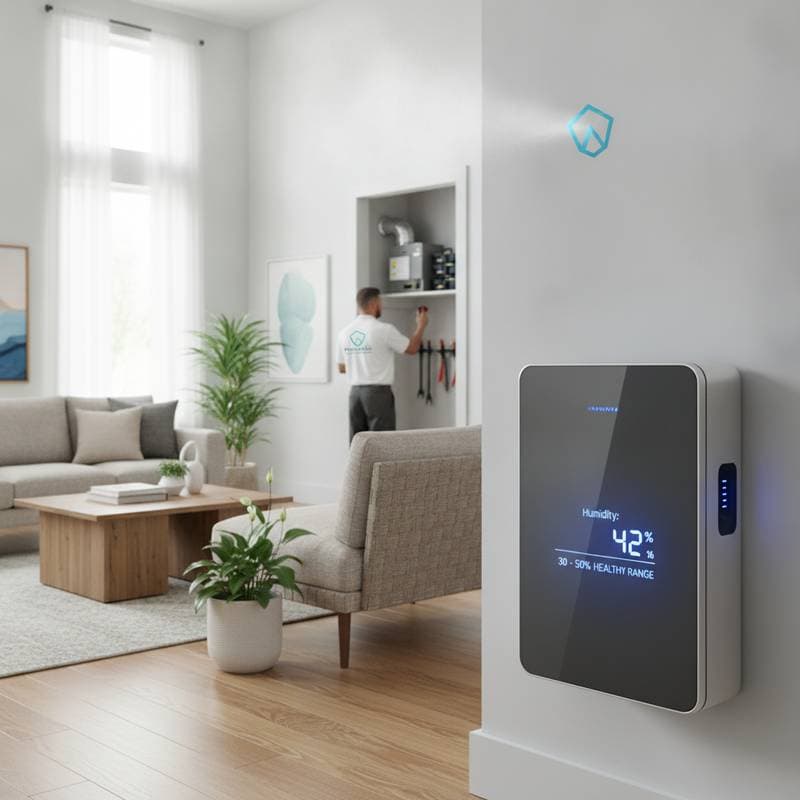
A whole-home system integrates with existing HVAC equipment to monitor and adjust moisture in real time. It adds or removes humidity automatically to maintain consistent conditions throughout the house.
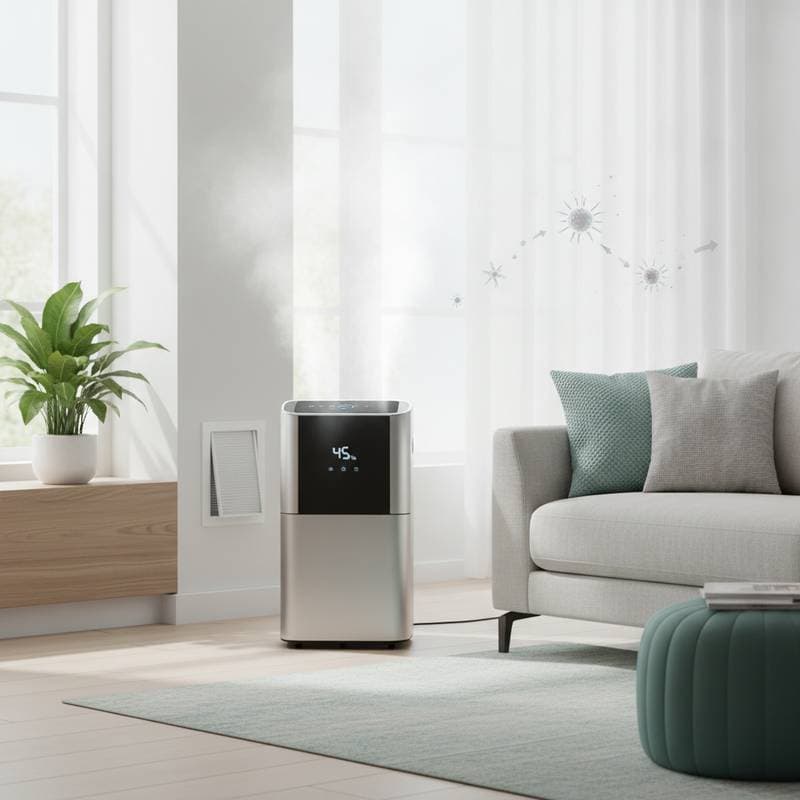
Homeowners in humid regions benefit from a central dehumidifier connected to ductwork. This unit regulates moisture across all zones more effectively than portable devices.
Operation of Humidity Control Equipment
The humidistat works alongside the thermostat to track moisture separately from temperature. When levels exceed the target range the dehumidifier extracts water vapor and drains it safely. In dry climates a whole-home humidifier adds moisture to prevent irritation.
Maintaining indoor humidity between 40 and 55 percent reduces allergen triggers and supports respiratory health.
Steps to Improve Humidity Balance
- Measure current levels in multiple rooms with a digital hygrometer to locate problem areas.
- Examine the HVAC system for clogged filters, dirty coils, and blocked vents that restrict airflow.
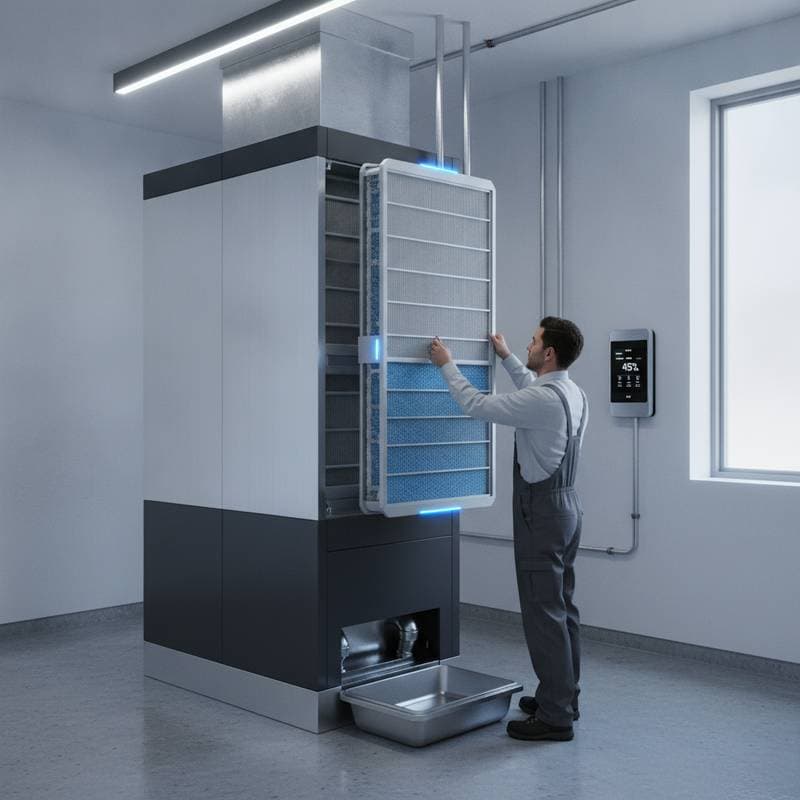
- Consult a licensed technician to install a properly sized whole-home dehumidifier or humidifier.
- Seal ductwork and improve insulation to prevent uneven moisture distribution.
- Schedule professional maintenance twice each year to keep sensors and drain lines functioning accurately.
Additional Measures for Allergy Reduction
- Operate exhaust fans during cooking and showering to remove moisture at the source.
- Replace high-efficiency filters every one to three months.
- Check windows, sinks, and vents regularly for early signs of mold.
- Consider an energy recovery ventilator to refresh indoor air without energy loss.
Installation and Cost Factors
Central systems require duct connections and professional evaluation of airflow and return placement. Typical installation costs range from 1500 to 3000 dollars depending on home size and equipment capacity. Balanced humidity often reduces energy use by 10 to 15 percent through more efficient HVAC operation.
Proper electrical and drainage installation prevents leaks and ensures safe performance. Certified technicians handle calibration and integration.
Lasting Advantages of Consistent Humidity
Stable moisture levels protect furniture, flooring, and HVAC components from premature wear. Allergy sufferers frequently notice clearer breathing within weeks. Environmental health specialist Dr. Karen Mills notes that ideal humidity prevents mold while lowering airborne irritants that provoke symptoms.
Measure humidity levels today and contact a qualified HVAC provider for a tailored assessment. Consistent control creates cleaner air and lasting comfort throughout the year.