The Rise of Dual-Fuel HVAC Systems
Homeowners often face a winter challenge. Heat pumps work well in mild conditions yet struggle during cold snaps, which drives up electric costs. Gas furnaces alone can waste energy on moderate days. Dual fuel HVAC systems address this gap by combining both technologies.
These hybrid systems suit regions with cold winters and warm summers. They switch automatically between an electric heat pump and a gas furnace to maintain comfort while lowering energy use. Dual fuel HVAC has become a reliable option for adaptable home heating.
Reasons Homeowners Choose Hybrid Systems
Traditional heating forces reliance on one energy source. Dual fuel systems provide flexibility by monitoring outdoor temperatures and selecting the more efficient option. In mild weather the heat pump draws warmth from outside air. When temperatures fall below the balance point the gas furnace activates to deliver steady heat.
Data from energy studies show that a correctly installed dual fuel system can reduce heating costs by up to 30 percent compared with older single source equipment. This savings appears most clearly in climates with wide temperature swings.
How Dual Fuel Systems Operate
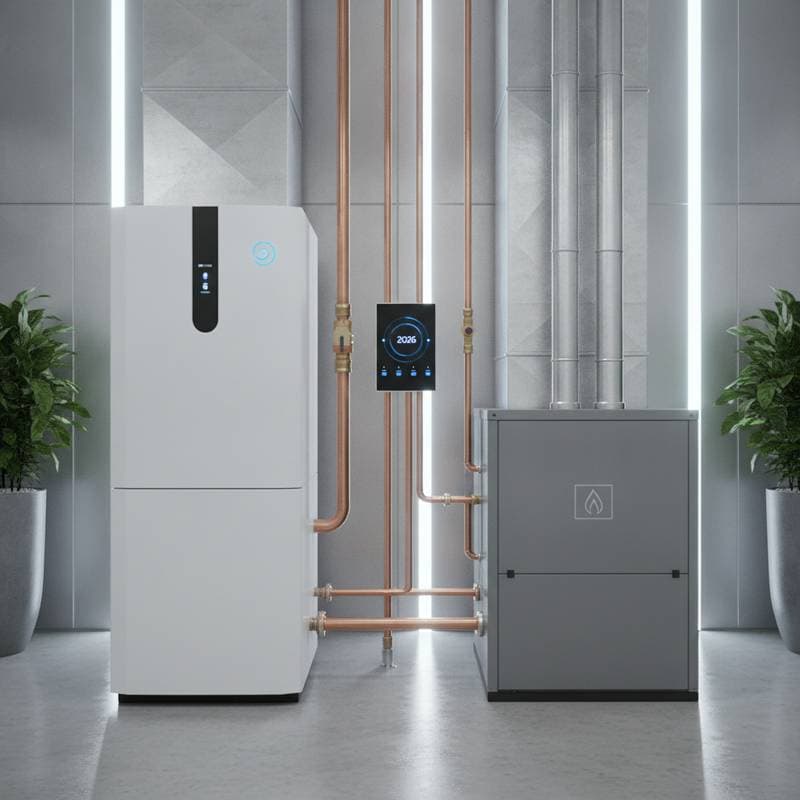
A dual fuel HVAC system pairs a heat pump with a gas or propane furnace. The heat pump serves as the primary source and uses refrigerant to extract heat from the air. The furnace engages only when outdoor conditions make electric operation less efficient.
An integrated control or smart thermostat manages the switch without manual input. During summer the heat pump reverses to provide cooling. One system therefore manages both seasons.
Main Benefits of Dual Fuel HVAC
- Energy efficiency improves because the heat pump handles moderate days with lower electricity demand.
- Cost savings accumulate over a season as the system selects the cheaper fuel source at any moment.
- Environmental impact decreases since the furnace operates only during extreme cold, which reduces overall fuel consumption.
- Comfort stays consistent because transitions between sources occur without noticeable temperature changes.
- Equipment lasts longer when each component runs less often, which lowers maintenance frequency.
Steps to Optimize System Performance
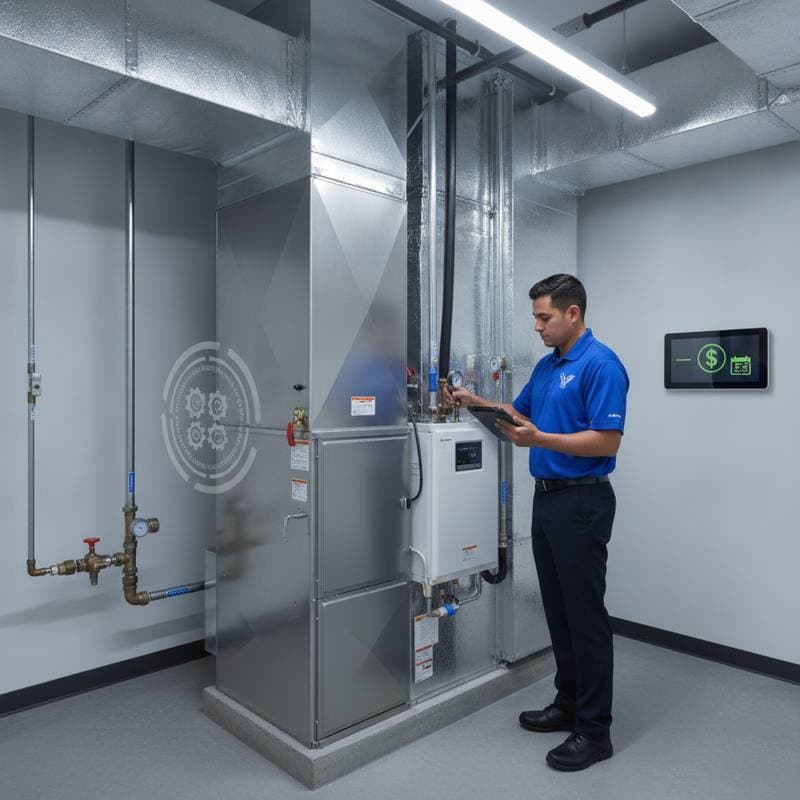
Proper sizing begins with a room by room load calculation rather than square footage estimates alone. A compatible smart thermostat adds automatic adjustments based on weather data and household patterns. Professional inspections twice each year keep coils clean and sensors accurate.
Duct sealing prevents air loss and improves even distribution. Routine checks confirm that the furnace ignites reliably and the heat pump reverses modes correctly.
Factors to Review Before Installation
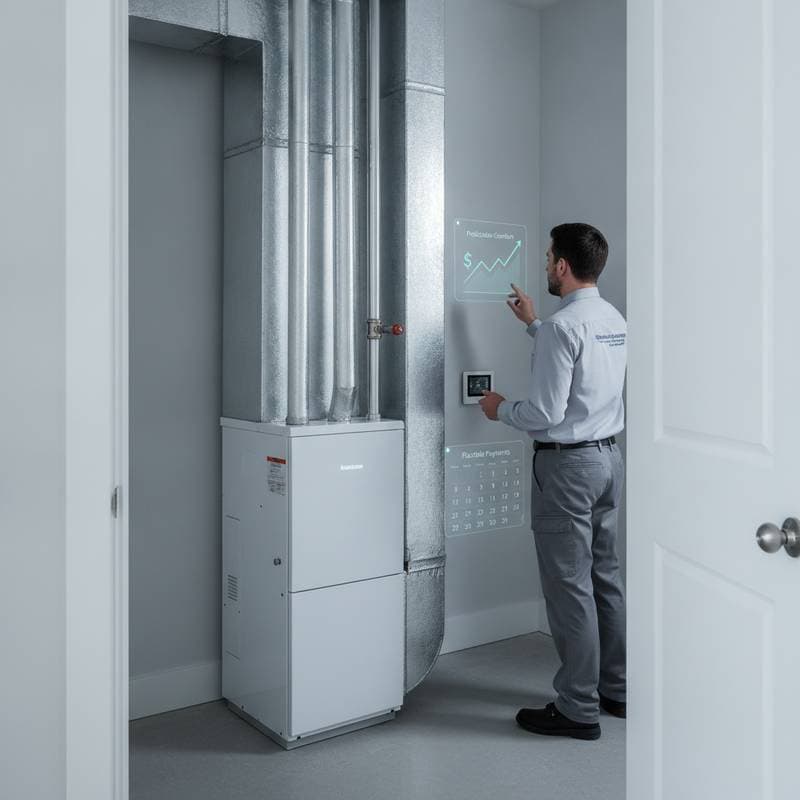
Installed costs for most homes range from 8000 to 14000 dollars depending on equipment size and home layout. Homes without existing gas service require additional fuel line work. Dual fuel performance is strongest in areas with moderate winters where the switch point between sources remains clear.
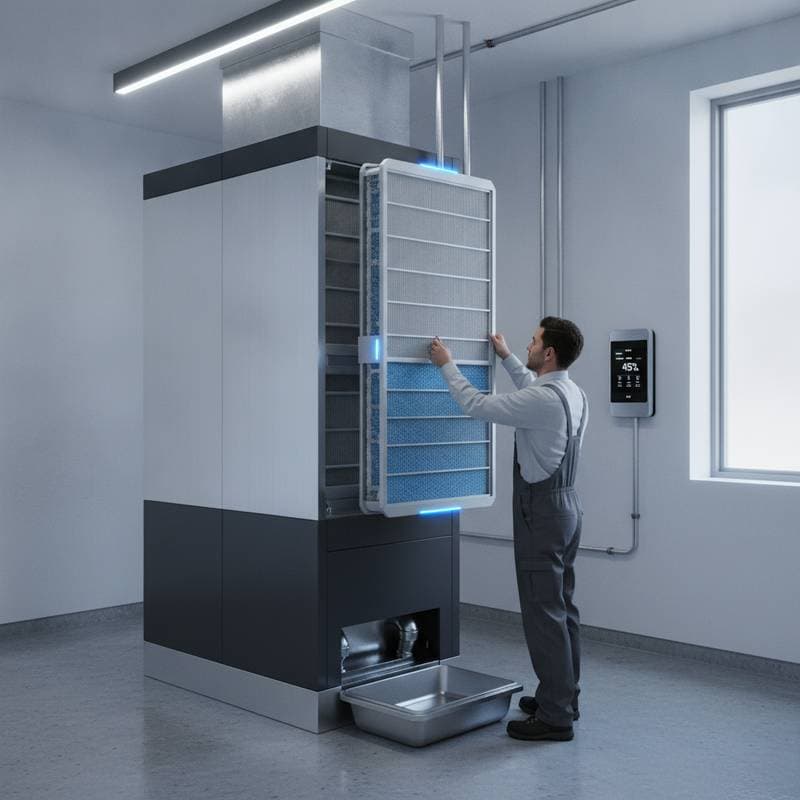
Local permits cover both gas and electrical work. Annual inspections plus filter changes every one to three months protect system components.
Observed Results From Homeowners
Users report balanced indoor temperatures and steadier utility bills after installation. HVAC technician Maria Lopez noted that dual fuel systems select the most efficient path automatically. This adaptability also supports future additions such as rooftop solar.
Moving Forward With a Hybrid Upgrade
Schedule a site assessment to review insulation, ducts, and fuel options. Compare units that carry a SEER rating above 16 and an AFUE rating above 90. Collect multiple quotes from licensed contractors and ask about utility rebates that offset initial expense.
Consistent maintenance after installation supports reliable operation for 18 to 22 years.