Dehumidifying Filters for HVAC Mold Prevention
As an HVAC professional I have entered many homes where a faint musty odor signals hidden moisture issues. Homeowners often believe a new air conditioner or duct cleaning will solve the problem. Excess humidity is frequently the true cause. Mold spores thrive when indoor air remains damp inside the HVAC system.
Modern dehumidifying filters address both filtration and moisture control. These units restore indoor air quality and halt mold growth. Condensation on vents or a clammy sensation while the air conditioner runs indicates moisture imbalance. In humid regions this condition creates health and property risks because mold spreads rapidly through ductwork and coils.
How Dehumidifying Filters Function
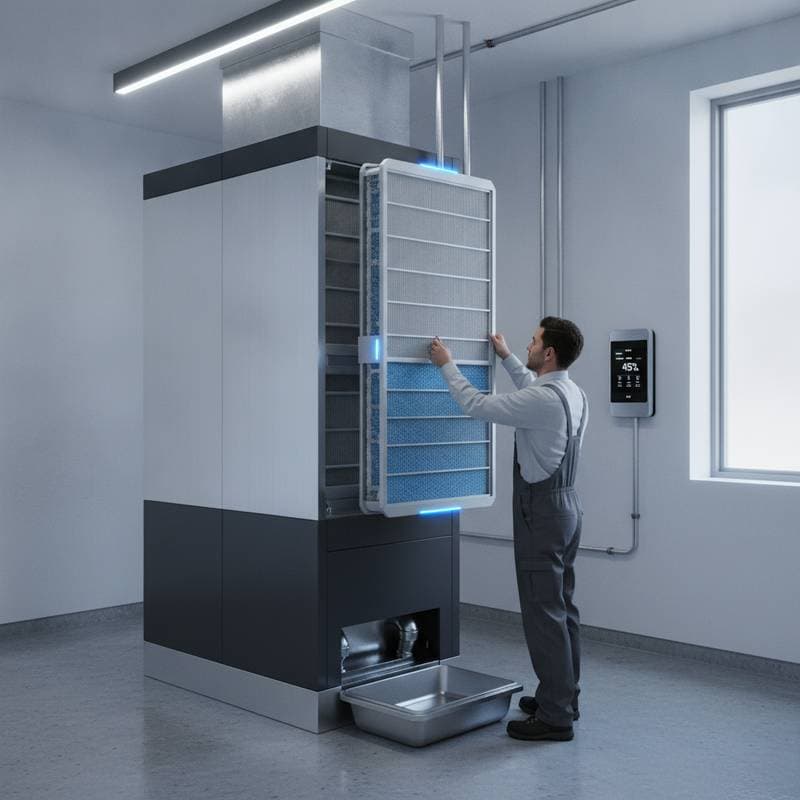
Standard HVAC filters capture dust and pollen. Dehumidifying filters add moisture absorbing materials such as desiccant coatings. These coatings extract water vapor from circulating air before it reaches living spaces. The filter acts as both a barrier and a moisture remover.
This process yields drier air that feels more comfortable and discourages mold. The filters work in central air systems and ductless mini splits. They prove especially useful where summer humidity exceeds 60 percent. Integration into an existing system reduces the need for portable dehumidifiers.
Strategies to Prevent Mold
Select the Appropriate Filter
Dehumidifying filters appear in several forms. Activated carbon versions handle odors and light moisture. Desiccant infused models use silica gel or zeolite for efficient vapor capture. Combination units pair HEPA particle filtration with moisture control.
Choose ratings between MERV 8 and MERV 13 for most residences. Higher ratings trap finer particles yet may restrict airflow. Verify manufacturer specifications before installation.
Preserve Adequate Airflow
Airflow sustains HVAC performance. Keep vents clear and clean return grilles regularly. Replace or clean the dehumidifying filter every one to three months based on local humidity and usage. A clogged filter retains moisture instead of removing it.
Add Smart Humidity Sensors
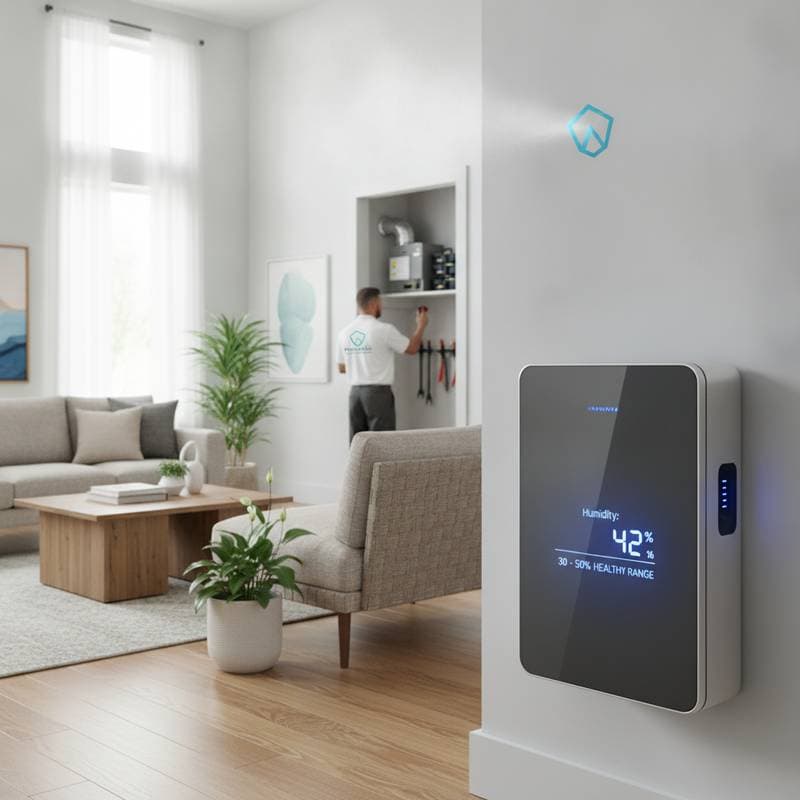
Thermostats equipped with humidity sensors adjust fan speed and cooling cycles automatically. This control maintains optimal levels and prevents overcooling. Real time data appears in the thermostat application for early detection of imbalance.
Perform Annual Coil Maintenance
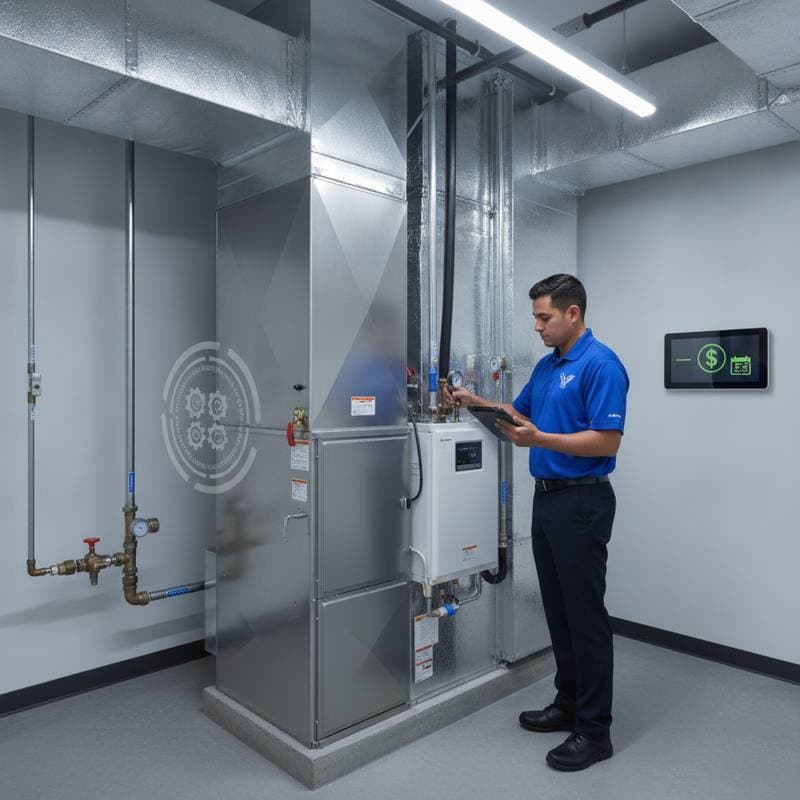
A qualified technician should clean evaporator and condenser coils each year. Clean surfaces support efficient heat exchange and limit condensation. The visit also allows inspection of drain pans and confirmation that the filter operates correctly.
Seal and Insulate Ductwork
Leaky ducts admit humid air from attics or crawl spaces. Seal joints with mastic and insulate exposed sections to reduce condensation. Professional duct sealing benefits homes with long or complex runs.
Additional Steps to Protect System Performance
- Set the fan to auto rather than continuous operation to avoid reintroducing moisture.
- Inspect drain pans weekly during peak seasons and clean them before algae appear.
- Install UV lights near coils to limit microbial growth on surfaces.
- Add a whole home dehumidifier in high humidity areas for layered protection.
- Track indoor humidity with a digital hygrometer to maintain levels between 40 and 50 percent.
These measures create conditions where mold cannot establish itself. Balanced humidity also improves comfort and protects sinuses.
Next Steps for Improved Home Comfort
An HVAC system should provide reliable comfort without hidden concerns. Adding dehumidifying filters to a maintenance plan creates a cleaner environment free from mold and uneven temperatures. Proper humidity management protects equipment efficiency and supports occupant health.
Consult a licensed local HVAC specialist when the system runs harder than expected or humidity seems elevated. The specialist can assess ducts, coils, and filter options. Take action now to secure consistent performance and peace of mind.
Frequently Asked Questions
Q: How often should dehumidifying filters be replaced?
A: Replacement intervals range from one to three months depending on humidity and usage. Coastal or humid homes may require monthly changes while drier locations allow longer intervals.