Humidity Control: The Key to Reducing Home Allergens
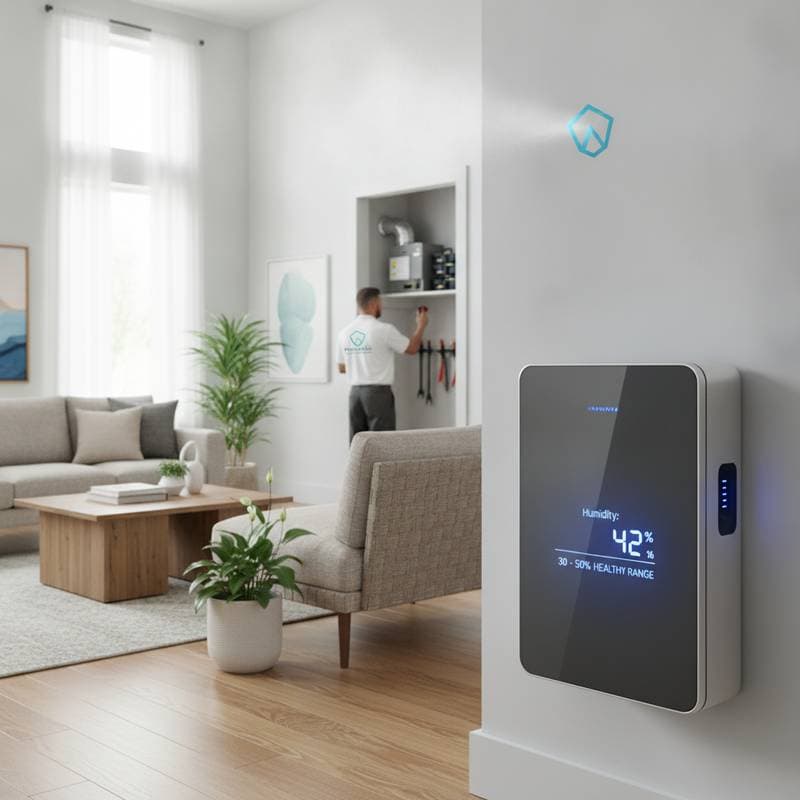
Excess indoor moisture fuels dust mites, mold, and allergens that worsen respiratory issues. Maintaining humidity between 30 and 50 percent with a whole-home dehumidifier enhances comfort, protects your home, and eases allergy symptoms. This approach transforms air quality, reduces energy costs, and creates a healthier living environment year-round.
Why Moisture Magnifies Allergens
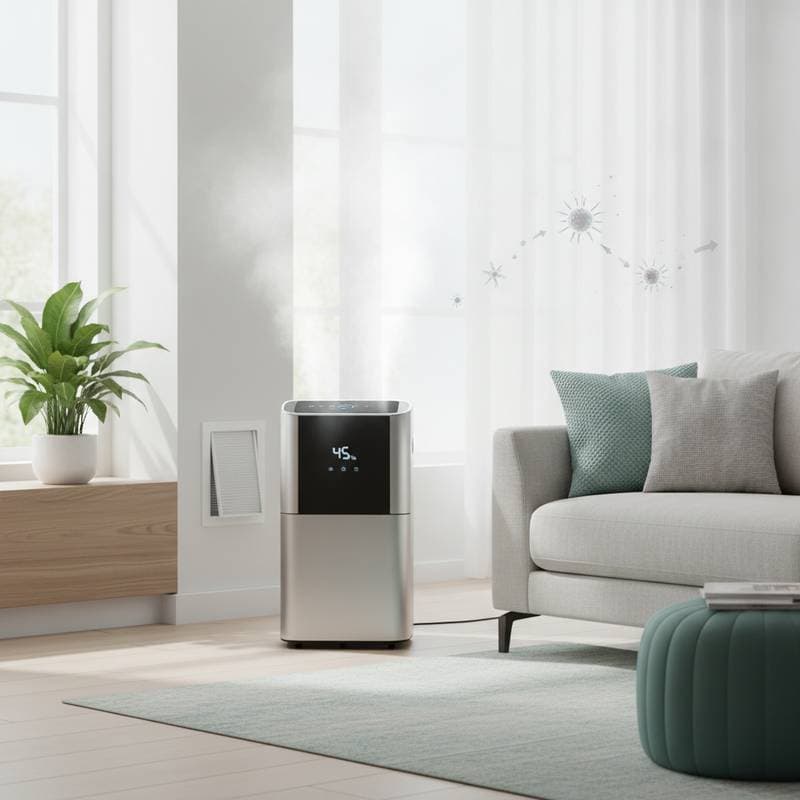
When humidity levels climb above 40 to 50 percent, a home becomes a breeding ground for allergens. Dust mites thrive in damp fabrics, mold spores multiply in moist corners, and pollen clings to sticky indoor air. The problem affects both comfort and health. Breathing air overloaded with allergens can worsen asthma and trigger chronic irritation.
Controlling humidity can dramatically reduce these triggers. View humidity management as a core part of any home air quality strategy rather than an optional upgrade.
How Whole-Home Humidity Control Works
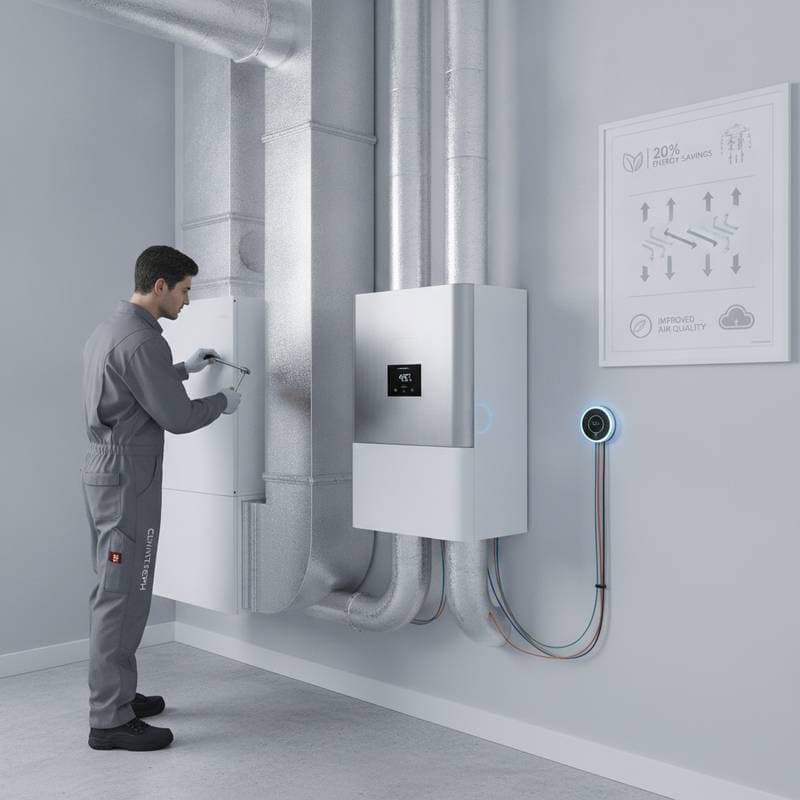
A whole-home dehumidifier integrates directly into an HVAC system and quietly pulls excess moisture from every room. Unlike portable units that only treat small spaces, this system addresses the entire home evenly. The result is consistent air quality, balanced comfort, and less strain on the air conditioner.
These systems measure humidity in real time and automatically adjust to maintain ideal levels. By keeping moisture in check, they prevent the conditions that allow allergens to thrive. A properly installed whole-home dehumidifier protects both health and the home structure by preventing condensation and mold behind walls or under floors.
Expert Tips to Improve Indoor Air and Reduce Allergens
- Monitor indoor humidity with a simple hygrometer. Aim for a range between 30 and 50 percent for balanced comfort.
- Seal leaks where moisture enters through gaps in windows, doors, or ductwork to improve humidity control and energy efficiency.
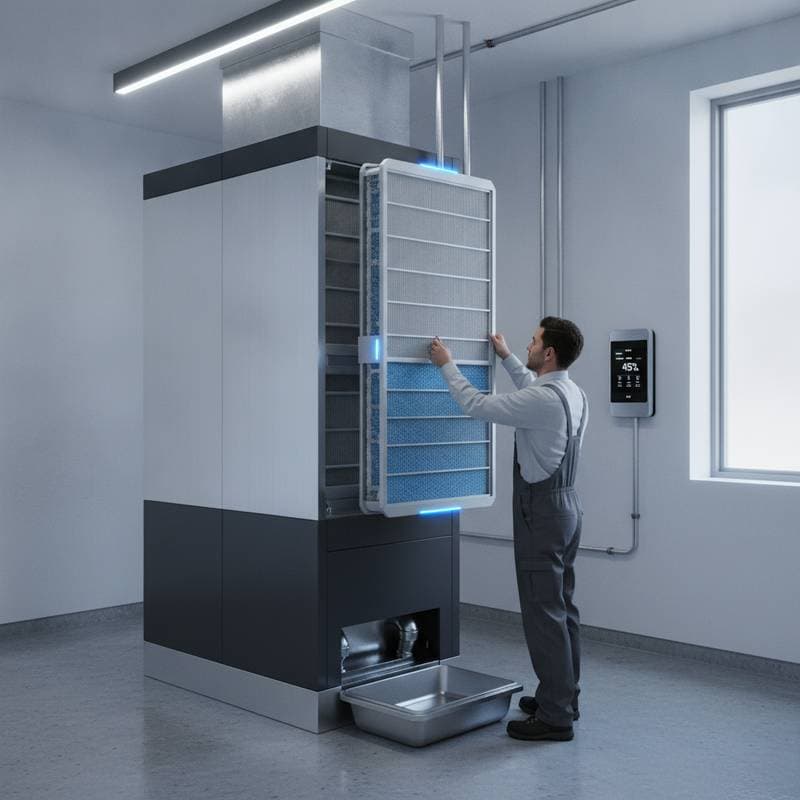
- Replace filters regularly. A clean HVAC filter captures airborne particles before they settle. Choose high-efficiency filters rated for allergen control.
- Schedule seasonal maintenance so that coils stay clean and drainage lines remain clear. This keeps the system running efficiently and reduces microbial growth.
- Ventilate strategically. Kitchen and bathroom exhaust fans should vent outdoors rather than into attics or crawl spaces to prevent moisture buildup.
Practical Considerations Before Installing a Whole-Home Dehumidifier
The cost for a professionally installed whole-home dehumidifier typically ranges from 1200 to 2500 dollars depending on system size and duct configuration. Installation usually takes a few hours and includes calibration to match HVAC operation. Most homeowners notice immediate relief from allergy symptoms and a reduction in dust accumulation. Energy bills may drop as well since drier air feels cooler and reduces air conditioner strain.
Safety always comes first. Avoid DIY installation because refrigerant handling and electrical wiring require proper certification. Local codes may also require permits. Always work with a licensed HVAC contractor who understands humidity control and ventilation balance.
Take Steps Toward Better Air Quality
Managing humidity ranks among the simplest ways to achieve cleaner air and a more stable environment. By investing in a whole-home dehumidifier and following consistent maintenance habits, homeowners create lasting indoor comfort. Contact a vetted HVAC expert to explore options and request a no-obligation quote.