Moisture-Absorbing Filters Prevent Mold in HVAC Systems
Homeowners often encounter persistent musty odors along with allergy flare ups and uneven humidity levels. Hidden moisture inside the HVAC unit frequently causes these issues. Excess water on coils and in ducts creates ideal conditions for mold to develop and circulate.
Moisture-absorbing filters offer a direct way to address the problem. They capture humidity at the source and limit mold formation without requiring major system changes.
Humidity Effects Inside HVAC Equipment
Moisture collects on evaporator coils, duct walls, and filter surfaces during normal operation. In regions with extended humid seasons this accumulation reduces system efficiency by up to 30 percent. Restricted airflow then forces the blower motor to work harder and raises energy use.
Mold spores travel through supply ducts once they establish a foothold. Residents notice the results as respiratory irritation and inconsistent room temperatures.
Filter Design and Operation
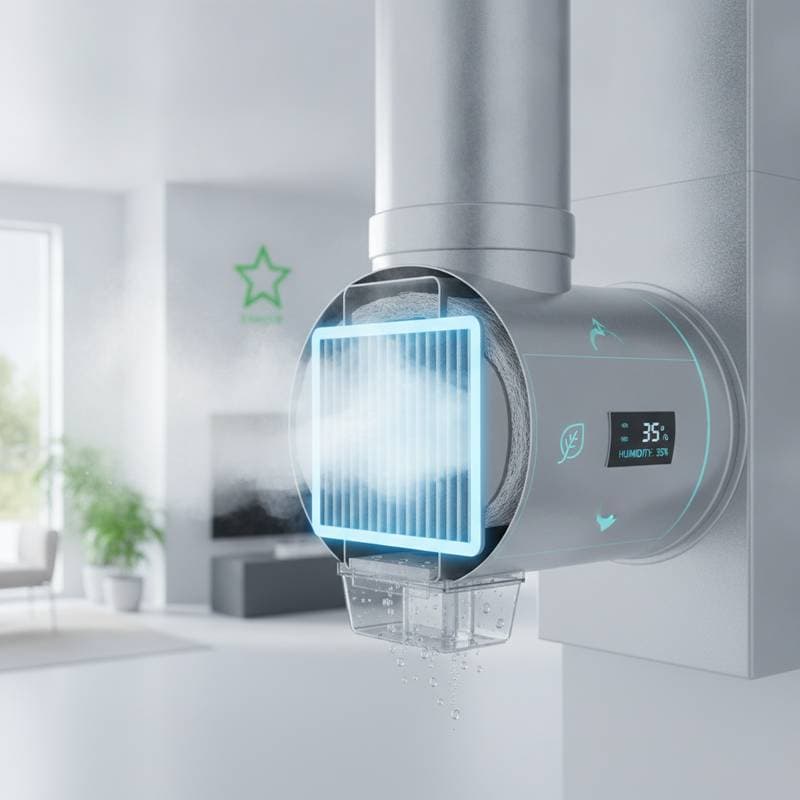
Moisture-absorbing filters combine standard particle capture with a specialized layer that draws water vapor from the airstream. The media holds moisture while preserving required airflow rates. Without available water, mold spores remain dormant and cannot multiply.
These filters also reduce the damp conditions that produce musty smells. Homeowners in high-humidity zones or properties with visible condensation on vents gain the most immediate benefit.
Performance Steps
- A moisture-attracting layer pulls vapor from passing air.
- Airflow stays steady to avoid pressure imbalances.
- Mold growth stops when humidity inside the system drops.
- Odors decline as damp surfaces dry.
Indicators of Moisture Buildup
Watch for recurring earthy smells during system operation. Condensation on vent edges or dark spots near returns also signal excess moisture. Worsening allergy symptoms and uneven temperatures across rooms point to the same underlying issue.
Installation of a moisture-absorbing filter often brings quick improvement when these signs appear.
Maintenance Practices for Best Results
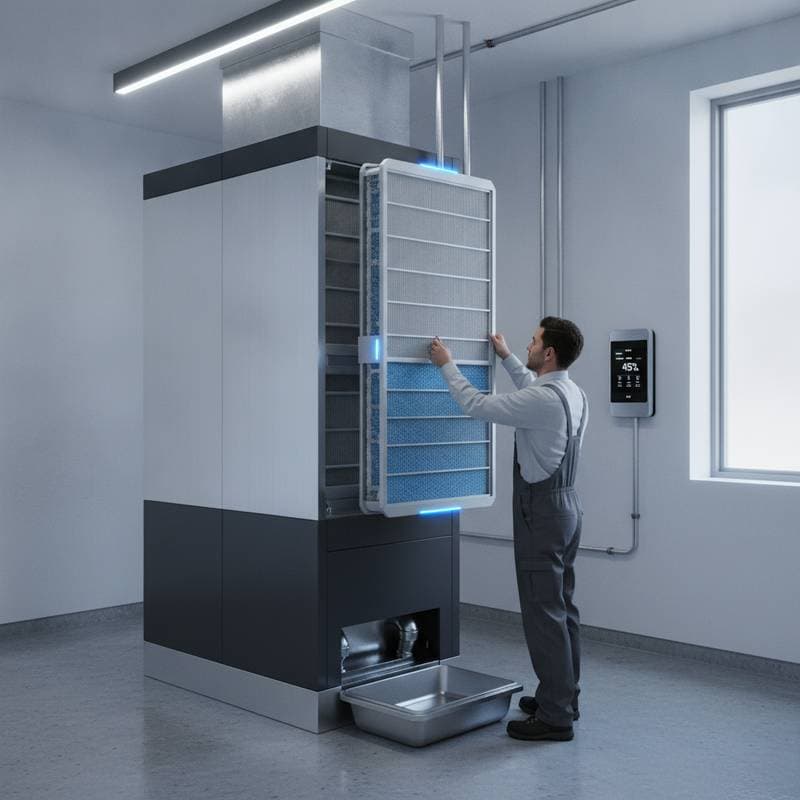
Replace the filter every 60 to 90 days. More frequent changes may be necessary during peak humidity or heavy use. Clean coils and clear condensate drains before relying on the new filter. Seal duct joints to prevent humid air from entering the system.
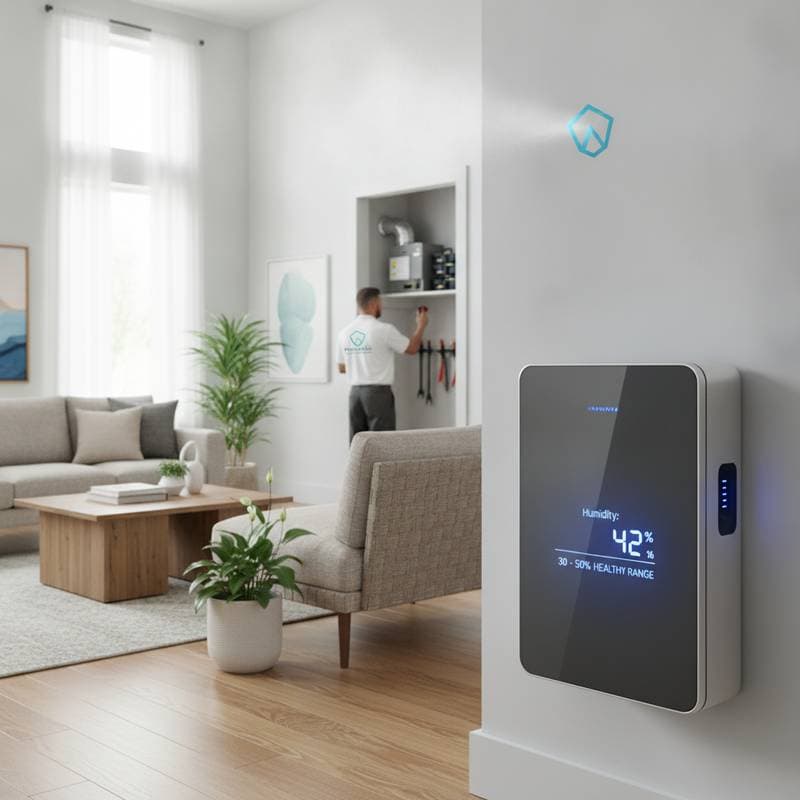
Set a smart thermostat to maintain indoor humidity between 40 and 50 percent. Annual professional inspections identify hidden moisture pockets that filters alone cannot resolve.
Cost and Selection Factors
These filters typically cost between 25 and 50 dollars each. The expense is modest compared with later mold remediation or coil cleaning. Confirm exact dimensions and airflow direction during installation to prevent bypass around the filter edges.
Match the filter MERV rating to system specifications. Higher ratings improve particle capture yet may reduce airflow if the equipment is not designed for them.
Ongoing System Advantages
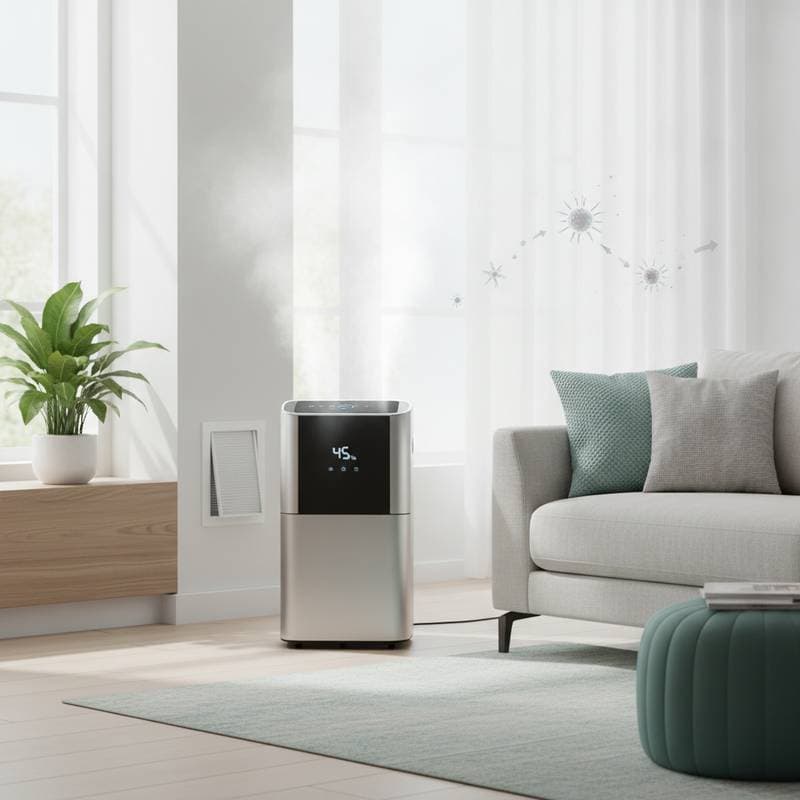
Stable humidity levels ease the load on separate dehumidifiers and improve overall comfort. Reduced dust and allergens contribute to fresher indoor air throughout the year. Consistent filter changes and inspections compound these gains over time.
Adding Moisture Control to Routine Care
Inspect the current filter and coil area for visible dampness. Select and install a properly sized moisture-absorbing filter. Combine the change with scheduled maintenance and humidity monitoring to sustain performance. This approach protects air quality and equipment longevity without unnecessary complexity.