Whole-Home Humidity Control: The Essential HVAC Upgrade for Lasting Comfort
Homeowners often notice sticky summer air or dry winter conditions that affect comfort. Wood floors may warp and static electricity can build up. These issues signal an imbalance in indoor humidity levels. In regions with wide temperature swings, managing moisture supports year-round comfort and system efficiency.
The Hidden Problem Behind Comfortable Air
When indoor air feels muggy or excessively dry, the HVAC system works harder than necessary. High humidity makes a 75-degree room feel warmer, which extends air conditioner runtime and raises utility costs. Low winter humidity dries skin and allows viruses to persist. Most homeowners overlook how moisture levels drive both comfort and energy consumption.
Whole-home humidity control systems address this by connecting directly to HVAC equipment. These units maintain balanced humidity throughout the house instead of treating single rooms. The result is automatic, consistent performance across seasons.
Why Whole-Home Humidity Control Matters
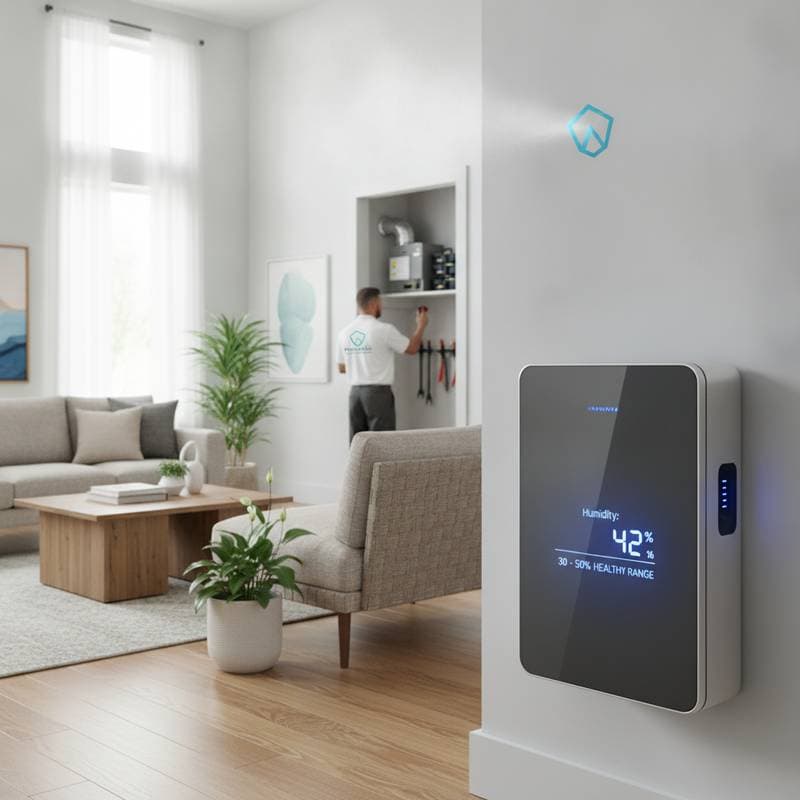
Proper humidity, typically 40 to 50 percent, influences temperature perception, protects furnishings, and extends HVAC equipment life. Key benefits include the following:
- Enhanced comfort through lighter, cleaner air that is easier to breathe.
- Energy efficiency from reduced HVAC overcompensation and shorter run times.
- Healthier air that discourages mold, dust mites, and irritants.
- Home preservation that prevents cracking or swelling in wood surfaces.
The Expert Solution: Whole-Home Humidifiers and Dehumidifiers
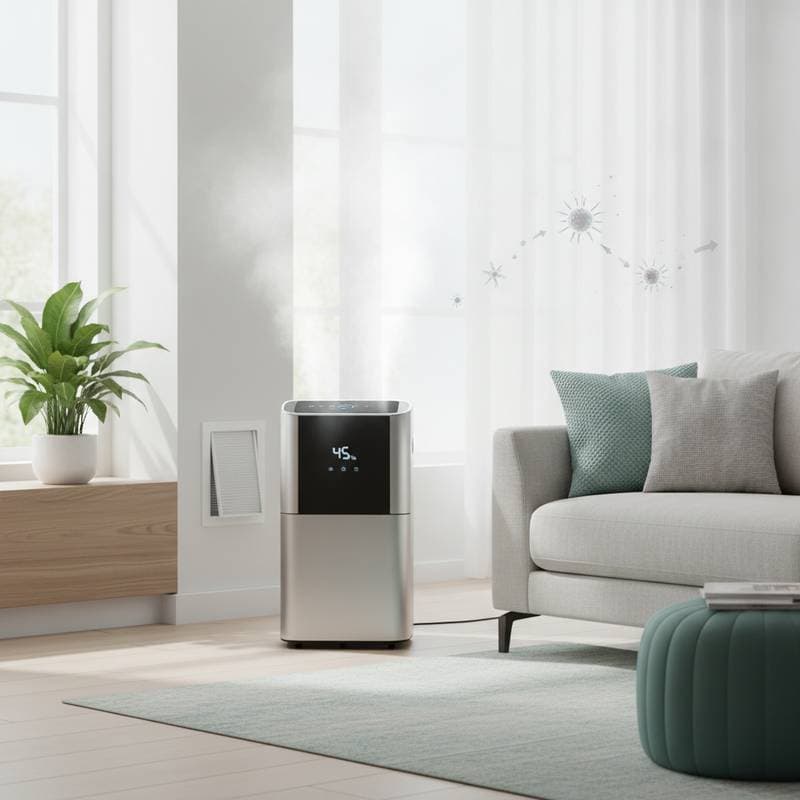
Whole-home systems work with the furnace or air handler to sense moisture and adjust vapor levels. Two main categories exist. Whole-home humidifiers mount on the furnace or supply duct to add moisture during heating season. Whole-home dehumidifiers connect to return ducts to remove excess moisture before circulation.
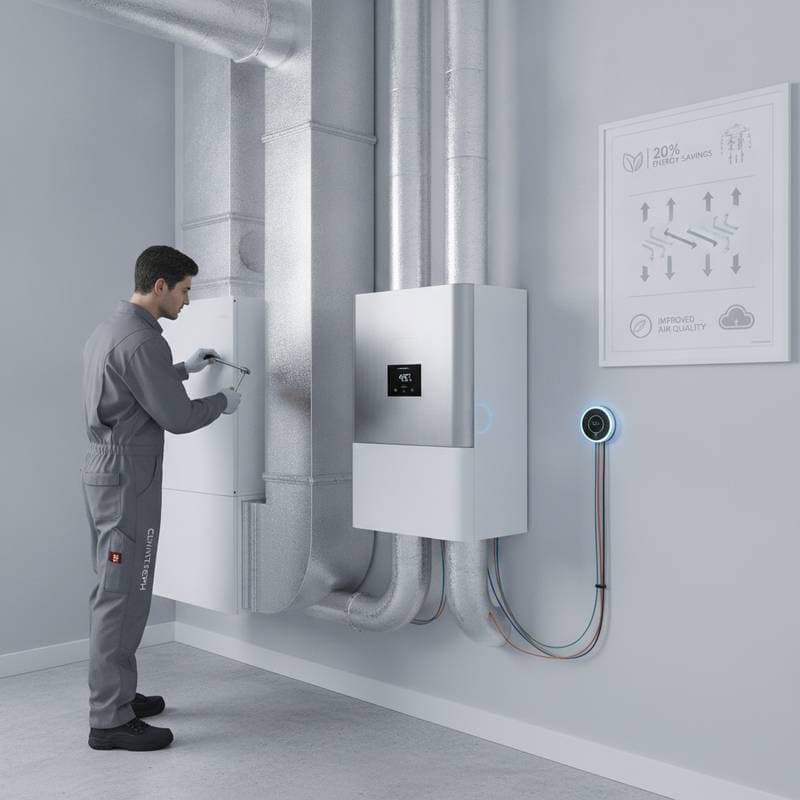
Advanced models combine both functions and adjust automatically. Integration with an existing thermostat or smart home platform enables seamless control. Professional installation ensures proper airflow, drainage, and code compliance.
Expert Steps to Select and Maintain Your System
Selecting the right system requires evaluation of home size, insulation, and climate. Follow these steps:
- Assess the current HVAC setup to determine support for an add-on unit.
- Calculate moisture load based on square footage and local data.
- Choose capacity that matches needs without excess energy use.
- Schedule professional installation for balanced airflow.
- Set and monitor levels with a hygrometer or smart thermostat.
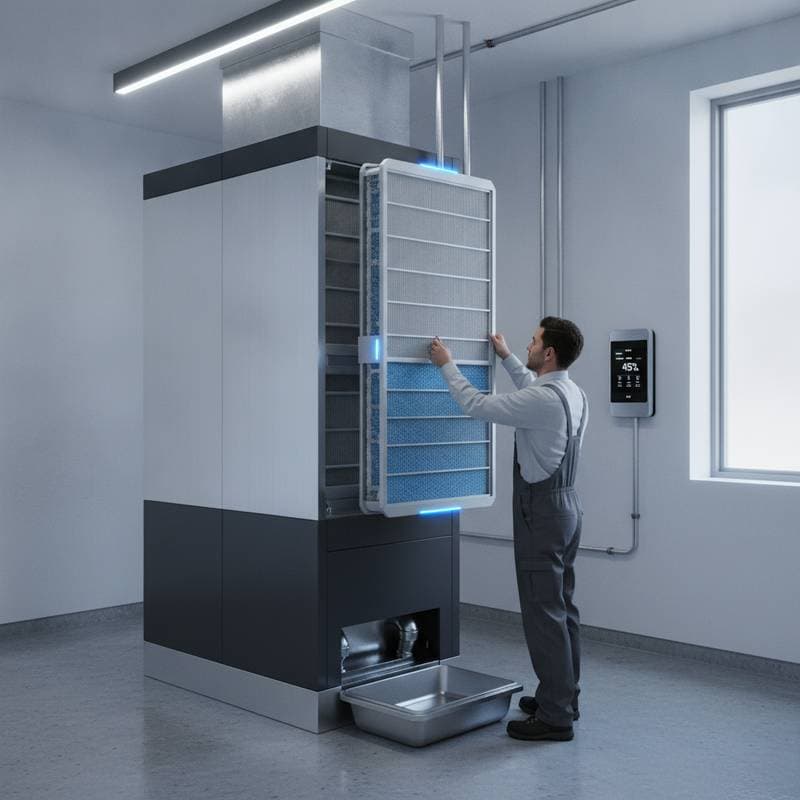
- Maintain filters, water panels, and drainage lines every few months.
Common Warning Signs of Poor Humidity Balance
Early detection prevents larger issues. High humidity shows through window condensation, musty odors, or clammy air. Low humidity appears as cracked wood, frequent static shocks, or irritated sinuses. Addressing these signs promptly protects against mold and structural damage.
Practical Considerations for Installation and Cost
Installation costs typically range from 1200 to 2800 dollars depending on system type and ductwork. Annual maintenance runs 150 to 250 dollars. Modern dehumidifiers can cut air conditioner runtime by up to 30 percent. Pairing with variable-speed equipment further improves efficiency in long cooling seasons.
Proper condensate drainage prevents leaks. Clean water connections avoid mineral buildup. Certified technicians handle these details and follow local codes.
Integrating Humidity Control with Smart Home Technology
Smart thermostats and connected platforms monitor humidity in real time. Automatic adjustments follow preset preferences. Users track conditions remotely and receive maintenance reminders. This coordination reduces unnecessary runtime and component wear.
Balanced humidity creates steady comfort throughout the home. Air moves quietly and every room maintains consistent conditions.
Next Steps for Balanced Indoor Air
Begin with a professional moisture assessment to identify problem areas. Compare systems that fit the home layout and budget. Humidity control delivers lasting value through improved comfort, health, and home preservation. Contact a qualified HVAC contractor for an assessment and installation options.