2026 Homes Need Dual HVAC for Humidity Control
Indoor comfort depends on more than temperature alone. Humidity control has become a growing concern for modern homes. Standard single-zone HVAC systems often struggle to maintain balanced moisture levels across rooms. Dual HVAC systems use two independent climate zones to deliver precise humidity control that keeps every area comfortable year-round.
Cost Overview of Dual HVAC Systems
Dual HVAC installation costs typically range from $7,500 to $14,000. The final price depends on home size, system type, and humidity control features. Adding a whole-home dehumidifier costs about $1,500 to $3,000 on average. Homeowners should also budget $200 to $600 per year for professional calibration, cleaning, and humidity sensor testing.
| Service Type | Average Cost |
|---|---|
| Dual HVAC system installation | $7,500 to $14,000 |
| Whole-home dehumidifier | $1,500 to $3,000 |
| Smart thermostat integration | $300 to $800 |
| Humidity sensor upgrade | $150 to $400 |
| Annual maintenance and calibration | $200 to $600 |
Why Humidity Control Matters
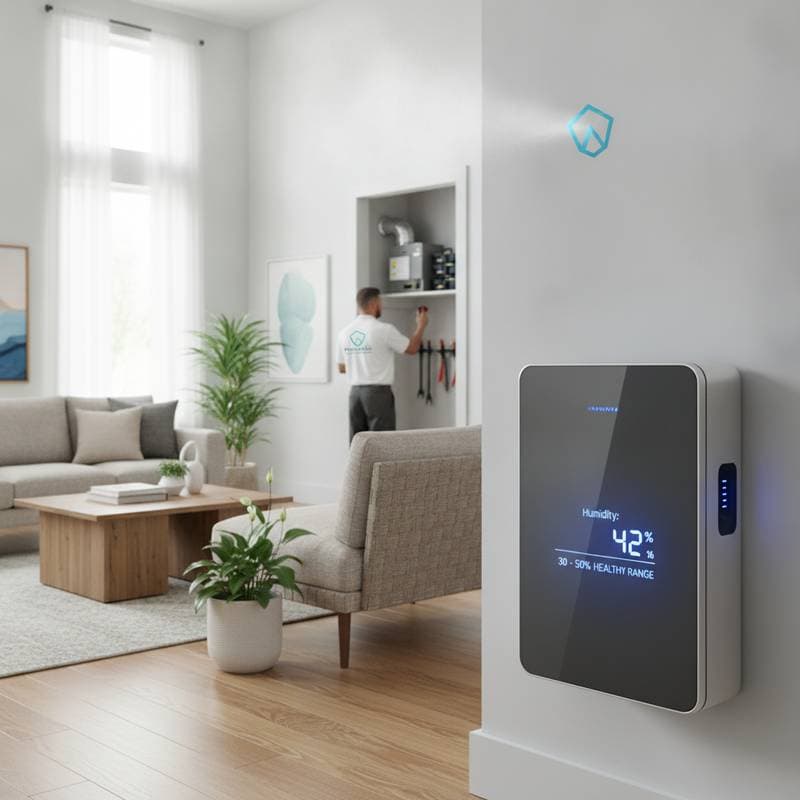
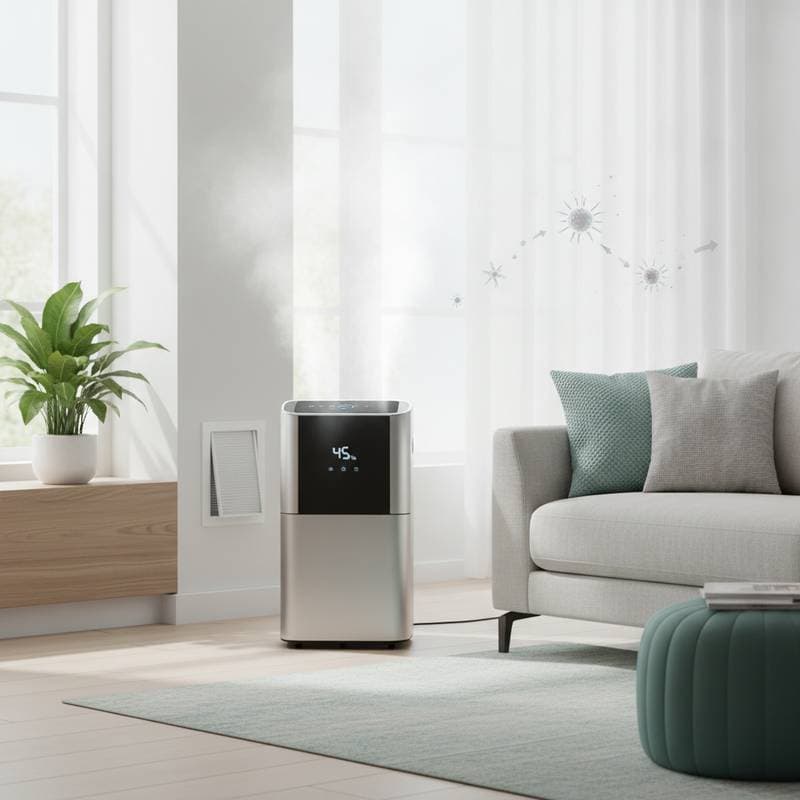
Humidity affects both comfort and health. When indoor air becomes too damp, mold growth, dust mites, and allergens thrive. When air is too dry, respiratory irritation and wood damage increase. A dual HVAC system maintains balanced humidity across multiple zones. Each area of the home therefore feels consistent and healthy.
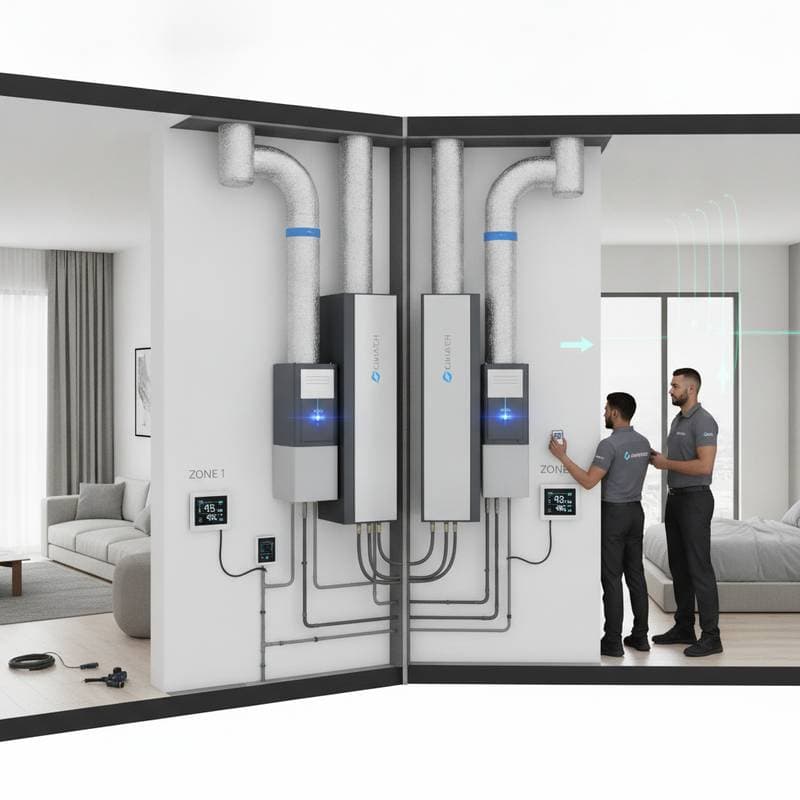
Traditional single-zone systems often fail to balance humidity evenly. Upstairs rooms may become muggy while the lower level remains dry. Dual systems solve this problem through independent evaporator coils, thermostats, and humidity sensors.
Detailed Cost Breakdowns
Cost by Home Size
| Home Size (square feet) | Average Dual HVAC Cost |
|---|---|
| Up to 1,500 | $7,000 to $9,000 |
| 1,500 to 2,500 | $9,000 to $12,000 |
| 2,500 to 3,500 | $12,000 to $15,000 |
| Over 3,500 | $14,000 to $18,000 |
Larger homes need two full systems or one primary system with a zoned configuration. Smaller homes can often use a split configuration with variable-speed compressors.
Labor and Material Costs
| Category | Average Cost Range |
|---|---|
| Equipment and materials | $5,000 to $9,000 |
| Labor and installation | $2,000 to $5,000 |
| Electrical and ductwork modifications | $1,000 to $3,000 |
Labor costs vary based on accessibility and duct complexity. Homes with older ductwork may need additional sealing or redesign for balanced airflow.
Cost by System Efficiency
| Efficiency Rating (SEER/AFUE) | Average Cost |
|---|---|
| Standard efficiency | $7,500 to $10,000 |
| High efficiency | $10,000 to $13,000 |
| Premium variable-speed | $13,000 to $16,000 |
High-efficiency systems provide better humidity removal and lower long-term energy bills. Upfront costs are higher, yet these systems often qualify for rebates or energy credits.
Key Factors Affecting Dual HVAC Cost
System size influences price because larger homes require higher-capacity units and more ductwork. Efficiency rating raises cost but improves humidity management and reduces monthly energy use. Zoning complexity adds expense in homes with multiple stories or irregular layouts. Dehumidification features typically add $1,500 to $3,000. Brand and warranty choices affect long-term reliability. Installation difficulty in tight spaces increases labor costs. Climate and region raise equipment pricing in humid areas. Smart controls add $300 to $800 while improving precision.
Related Costs Homeowners Should Expect
| Related Expense | Average Cost |
|---|---|
| Ductwork modifications | $1,000 to $3,000 |
| Old system removal | $300 to $800 |
| Electrical upgrades | $500 to $1,500 |
| Permit and inspection fees | $150 to $400 |
| Smart thermostat installation | $300 to $800 |
These related expenses ensure the dual HVAC system operates safely and meets local building codes.
Maintenance and Care for Humidity Control
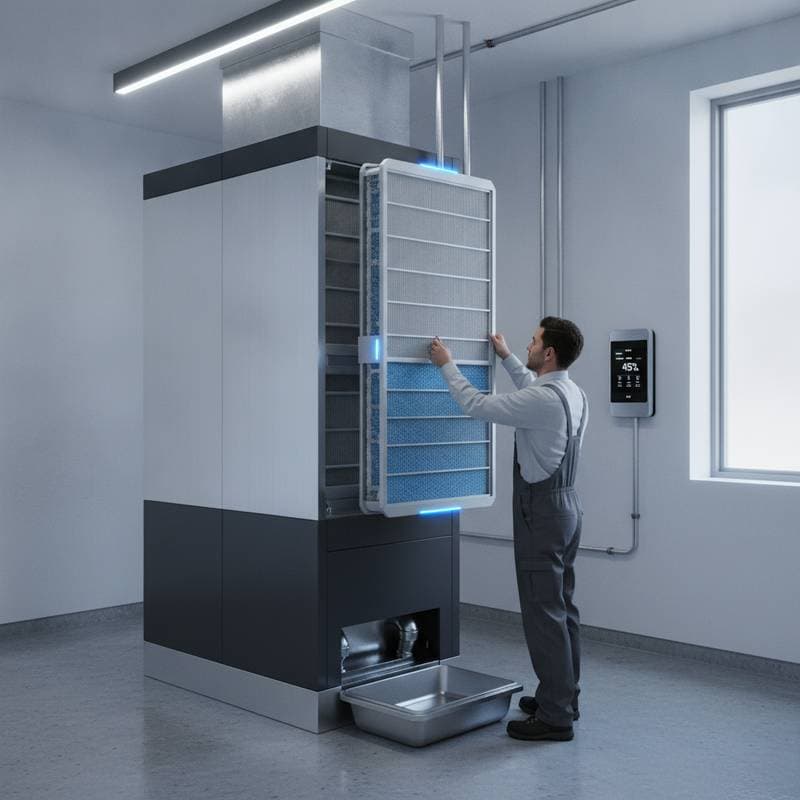
Proper maintenance keeps humidity sensors calibrated and ensures balanced airflow between zones. Change air filters every one to three months. Inspect drain lines regularly. Clean coils and fans annually. Test humidity sensors during each maintenance visit. Seal duct leaks to prevent uneven distribution. Schedule professional tune-ups twice per year.
Preventive care reduces long-term repair costs and keeps indoor humidity between 40 and 55 percent.
Repair Versus Replacement Decisions
If an HVAC system struggles to manage humidity even after maintenance, replacement may be necessary. Signs that point toward a dual system include persistent damp smells, uneven comfort between floors, high energy bills, frequent short cycling, and rust around ducts. A repair may cost $300 to $1,500. When the system is older than ten years, installing a dual HVAC often proves more cost-effective.
Ways to Save Money on a Dual HVAC System
Obtain multiple quotes from licensed contractors. Schedule installation during off-peak seasons. Ask about rebates for high-efficiency equipment. Bundle services for package discounts. Choose a variable-speed compressor. Invest in smart controls. Maintain the system regularly. Replace filters frequently.
FAQs About Dual HVAC and Humidity Control
How much does a dual HVAC system cost? On average the installed cost ranges from $7,500 to $14,000. Adding a whole-home dehumidifier adds $1,500 to $3,000.
Is a dual HVAC system worth it for humidity control? Yes, especially in humid or multi-level homes. Dual systems maintain consistent humidity and temperature across zones.
Can an existing HVAC be retrofitted with a second zone? In many cases yes. Adding a second zone with independent controls costs $2,500 to $6,000.
How long does a dual HVAC system last? With proper maintenance most systems last 15 to 20 years.
How does humidity control affect energy costs? Proper control lowers energy bills by 10 to 20 percent on average.
What humidity level should be maintained indoors? Aim for 40 to 55 percent for best comfort and air quality.
Hiring and Getting Quotes
When installing a dual HVAC system, choose licensed and insured professionals experienced in zoned systems. Request at least three quotes. Check certifications such as NATE. Ask about humidity control experience. Review online ratings. Confirm warranty details. Verify insurance coverage. Discuss maintenance plans.
Questions to Ask Your HVAC Contractor
- Are you licensed and insured for residential HVAC installation?
- How many dual HVAC systems have you installed?
- What brands and models do you recommend for humidity control?
- Does your quote include duct modification and dehumidifier installation?
- How do you balance humidity between multiple zones?
- What kind of warranty covers labor and parts?
- How long will installation take?
- Do you provide smart thermostat setup and training?
- What maintenance schedule do you recommend?
- Are financing or rebate options available?
Creating a Healthier Indoor Climate
Installing a dual HVAC system with integrated humidity control transforms the home environment. Balanced humidity protects furnishings, improves air quality, and enhances overall comfort. Comparing quotes, choosing high-efficiency equipment, and maintaining the system regularly deliver consistent performance in every room.