How Much Do Whole Home Dehumidifiers Cost?
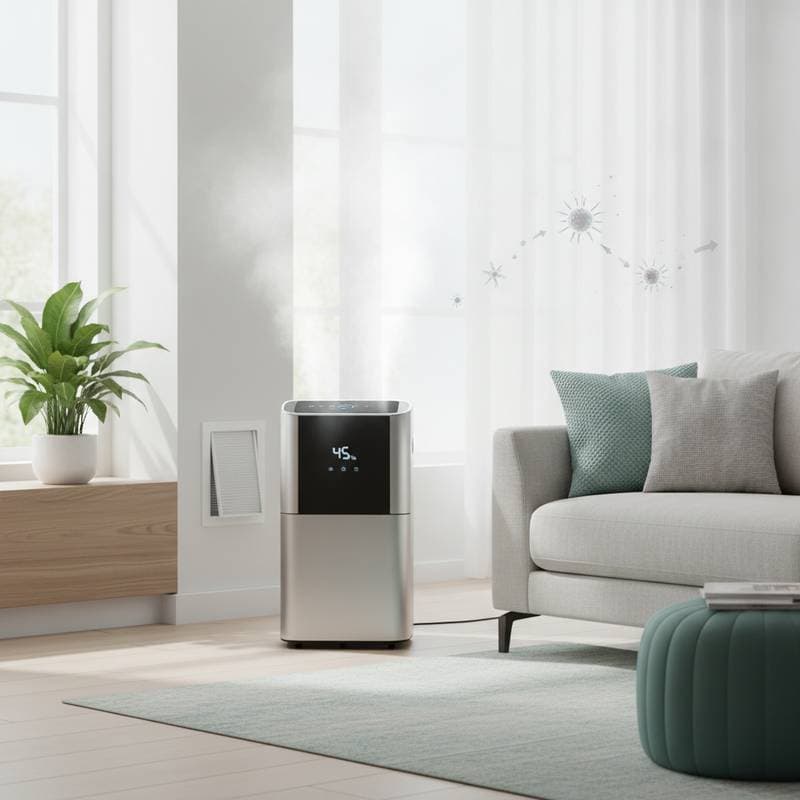
Whole home dehumidifiers typically range from $1,500 to $4,500 installed. Complex mold prevention projects can reach $6,500. These systems maintain indoor humidity between 30% and 50%, which reduces mold risk and protects building materials from moisture damage.
Moisture Control System Cost Overview
A moisture control system removes excess water vapor from indoor air. Common options include whole home dehumidifiers, humidity sensors, variable speed air handlers, and upgraded ventilation equipment. A qualified HVAC contractor measures indoor humidity levels and recommends the appropriate combination for your specific conditions.
| Service Type | Average Cost |
|---|---|
| Portable dehumidifier setup | $150 to $500 |
| Whole home dehumidifier | $1,500 to $4,500 |
| HVAC humidity control installation | $300 to $1,200 |
| Ductwork and drainage upgrades | $500 to $2,000 |
| Integrated mold prevention system | $2,000 to $6,500 |
| Metric | Amount |
|---|---|
| National average cost | $2,800 |
| Minimum cost | $150 |
| Maximum cost | $6,500 |
| Average cost range | $1,500 to $4,500 |
Cost data comes from research and project costs reported by homeowners. Get free estimates from qualified HVAC contractors near you before choosing equipment or scheduling installation.
How Dehumidification Prevents Mold Growth
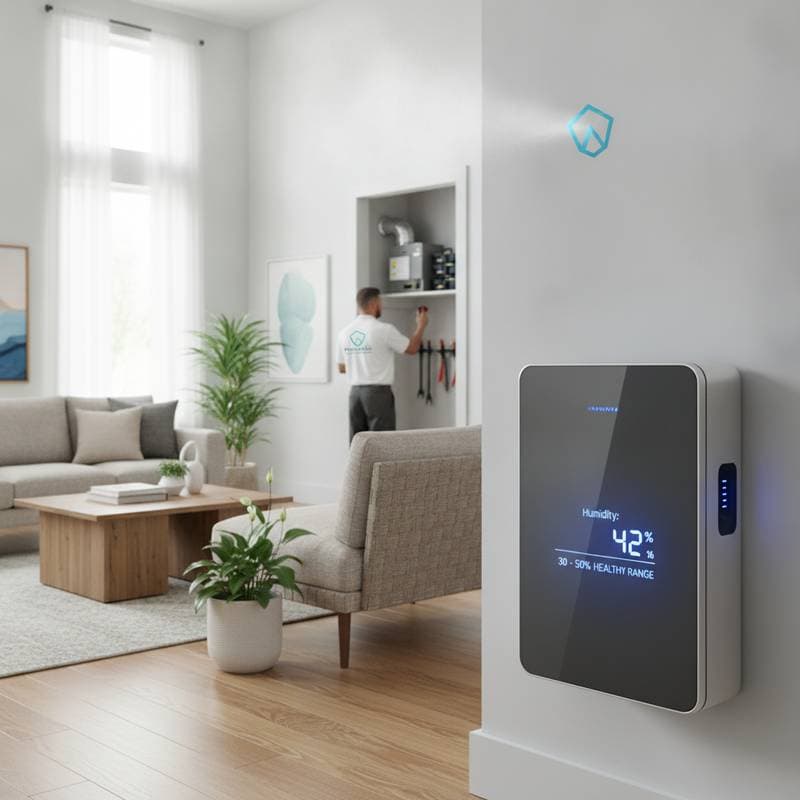
Mold requires moisture, a food source, and suitable temperatures to grow. HVAC dehumidification reduces moisture on walls, ducts, insulation, furniture, and other surfaces. Most homes feel comfortable with lower mold risk when indoor relative humidity stays between 30% and 50%.
Relative humidity measures water vapor in the air compared to the maximum amount air can hold at that temperature. A hygrometer measures this level. Readings that remain above 60% indicate a moisture control problem that requires attention.
A dehumidifier does not remove existing mold. Proper cleaning, leak repairs, and professional remediation become necessary when contamination is extensive. However, humidity control helps prevent recurring growth after the moisture source is corrected.
Cost Breakdown by System Size
Larger homes need equipment with higher moisture removal capacity. Contractors rate dehumidifiers by pints of water removed per day.
| Home Size or Capacity | Average Installed Cost |
|---|---|
| Up to 1,500 square feet, 30 to 50 pints | $1,500 to $2,700 |
| 1,500 to 2,500 square feet, 50 to 70 pints | $2,000 to $3,800 |
| 2,500 to 3,500 square feet, 70 to 90 pints | $2,800 to $4,800 |
| More than 3,500 square feet, 90 pints or more | $3,800 to $6,500 |
Sizing accounts for local climate, air leakage, basement conditions, occupancy, and existing air conditioning. An oversized unit may cycle poorly, while an undersized unit may run constantly without controlling humidity effectively.
Labor and Equipment Costs
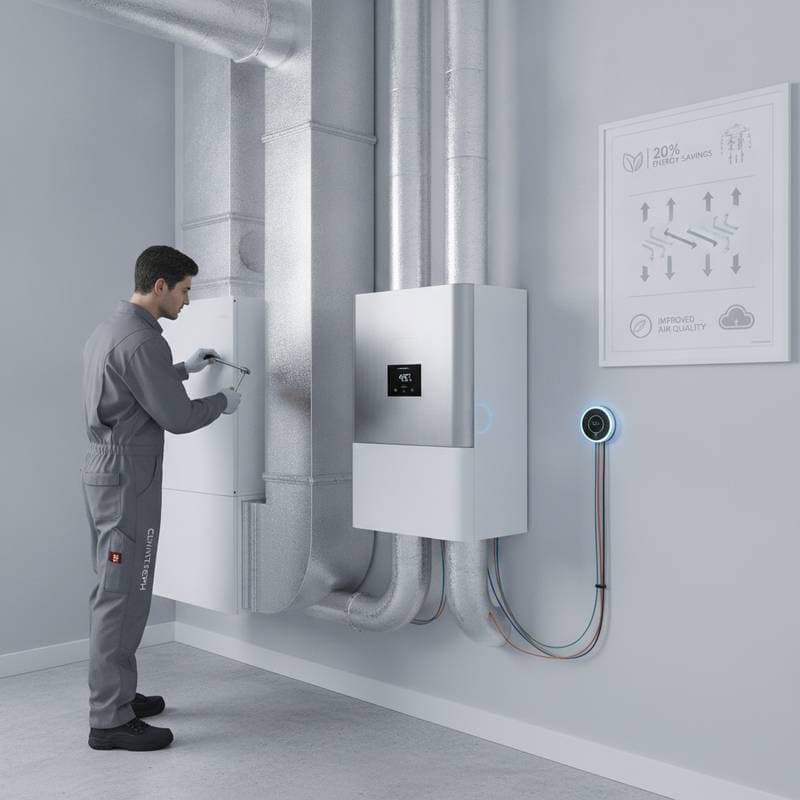
Equipment typically accounts for $900 to $3,000 of a whole home installation. Labor adds $600 to $1,800. A straightforward installation near an existing drain and electrical outlet costs less than projects requiring new wiring, condensate pumps, or duct modifications.
| Installation Component | Average Cost |
|---|---|
| Dehumidifier equipment | $900 to $3,000 |
| Labor and commissioning | $600 to $1,800 |
| Electrical work | $150 to $600 |
| Condensate drain or pump | $150 to $700 |
| Duct modifications | $300 to $1,500 |
Commissioning involves testing the completed system, confirming airflow, checking drainage, and setting the humidity target. This step prevents short cycling, water leaks, and poor performance.
Factors That Affect Moisture Control HVAC Pricing
- Home size: Larger spaces require greater moisture removal capacity and may need multiple zones.
- Climate: Humid regions create higher moisture loads, so equipment may run longer and cost more to install.
- Existing HVAC design: A compatible variable speed air handler simplifies integration, while older equipment may need controls or duct changes.
- Drainage access: A nearby floor drain keeps installation simple. Remote drainage may require a condensate pump and additional piping.
- Basement and crawl space conditions: Damp lower levels can overwhelm a central system unless contractors seal vents, repair leaks, or add separate equipment.
- Control quality: Basic humidistats cost less, while smart controls with sensors, alerts, and zoning cost more.
- Installation difficulty: Tight mechanical rooms, finished ceilings, and inaccessible ducts increase labor time and preparation costs.
Related Moisture Control Expenses
A complete mold prevention plan may include work beyond the dehumidifier. Contractors might recommend sealing duct leaks, improving bathroom ventilation, repairing condensate drainage, or replacing contaminated insulation.
| Related Service | Average Cost |
|---|---|
| Humidity sensor or humidistat | $100 to $400 |
| Bathroom exhaust fan installation | $300 to $900 |
| Crawl space vapor barrier | $1,500 to $4,000 |
| Duct sealing | $500 to $2,000 |
| Mold inspection | $250 to $600 |
| Professional mold remediation | $1,500 to $6,000 |
Permits may add $50 to $300, depending on local requirements and electrical changes. Ask for permit, inspection, disposal, and warranty charges in writing before work begins.
Warning Signs Your Home Needs Humidity Control
Watch for these indicators of excess moisture:
- Musty odors that return after cleaning
- Condensation on windows, pipes, or supply registers
- Peeling paint or bubbling wallpaper
- Mold spots near vents, closets, bathrooms, or exterior walls
- A basement or crawl space that feels damp
- Indoor humidity readings above 60%
- Air conditioning that runs often but leaves the home clammy
These symptoms can also indicate plumbing leaks, poor insulation, blocked drains, or inadequate ventilation. A contractor should identify the moisture source instead of selling equipment as the only solution.
Maintenance That Supports Mold Prevention
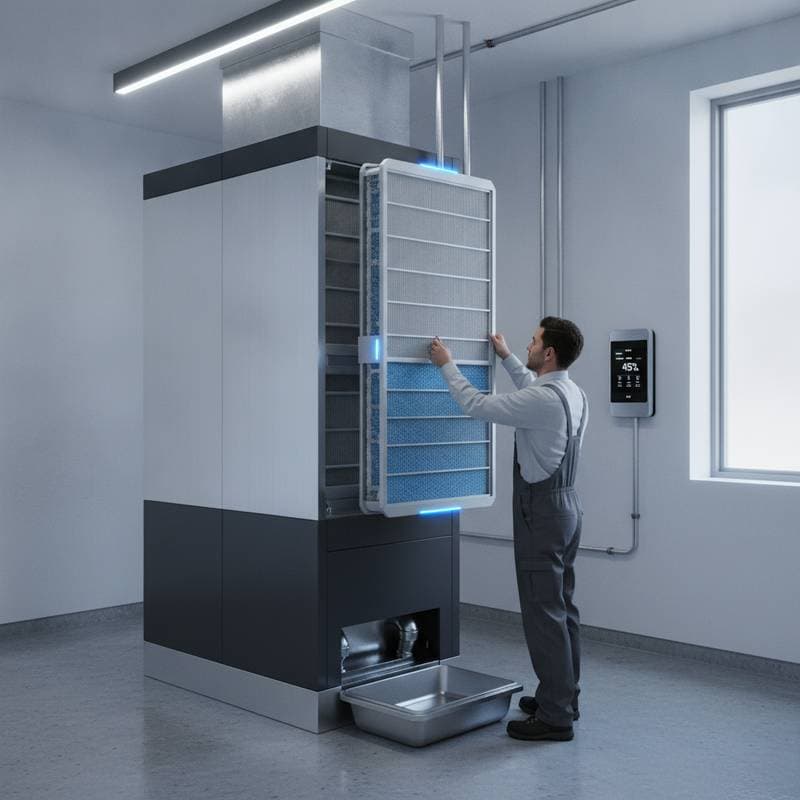
Professional maintenance usually costs $100 to $250 per visit. Schedule service according to manufacturer instructions, and inspect the system more often when it operates heavily.
Homeowners can handle several simple tasks:
- Clean or replace filters as directed
- Keep the condensate drain clear
- Confirm that drain hoses slope properly
- Inspect accessible ducts for sweating or leaks
- Use bathroom fans during showers and afterward
- Keep furniture slightly away from exterior walls
- Monitor humidity with a reliable hygrometer
Never ignore standing water near the unit. A clogged drain can damage floors, encourage mold, and stop the dehumidifier from operating.
Repair or Replace the System
Repair often makes sense when a control, drain, fan motor, or sensor fails and the equipment remains in good condition. Common repairs cost $150 to $700.
Replacement may be a better choice when the unit has repeated leaks, compressor failure, heavy corrosion, poor capacity, or repair estimates above half the replacement price. An older system may also use more electricity than a modern variable speed model.
Ask the contractor to compare repair cost, expected service life, operating cost, and warranty coverage. The cheapest immediate repair may not offer the best long term value.
Ways to Reduce Installation Costs
Consider these strategies to manage project expenses:
- Compare at least three written estimates with matching equipment capacities
- Schedule nonurgent work during slower contractor periods
- Ask about utility rebates and local efficiency incentives
- Bundle dehumidifier installation with HVAC replacement or duct sealing
- Repair plumbing and foundation leaks before sizing equipment
- Improve attic and crawl space ventilation where appropriate
- Choose efficient equipment based on expected operating hours, not only purchase price
- Maintain filters, drains, and coils to protect performance
Avoid selecting the lowest bid without reviewing drainage, controls, warranty terms, and commissioning details.
Frequently Asked Questions
How much does a moisture control HVAC system cost?
A whole home moisture control HVAC system costs $1,500 to $4,500 on average. Complex projects involving ductwork, electrical upgrades, crawl space work, or multiple zones can reach $6,500.
What humidity level helps prevent mold?
Indoor relative humidity between 30% and 50% generally supports comfort and mold prevention. Readings above 60% increase the chance of condensation and microbial growth.
Can air conditioning replace a dehumidifier?
Air conditioning removes some moisture while cooling, but it may not control humidity during mild weather. A dedicated dehumidifier provides more consistent moisture removal without overcooling the home.
How long do whole home dehumidifiers last?
Most whole home dehumidifiers last 8 to 12 years with proper maintenance. Regular filter changes and drain cleaning extend equipment life significantly.
Will a dehumidifier remove existing mold?
No. A dehumidifier prevents new mold growth by controlling moisture. Existing mold requires professional cleaning and remediation before humidity control can be effective.
Is a whole home unit better than a portable model?
Whole home units provide consistent humidity control throughout your house. Portable models work well for single rooms but cannot address moisture issues in multiple areas simultaneously.
Does HVAC humidity control increase energy bills?
Proper humidity control often reduces overall energy costs. Your air conditioner works more efficiently when humidity levels stay within the recommended range.
Hiring a Qualified HVAC Contractor
Use this checklist when comparing professionals:
- Confirm licensing, insurance, and local permit knowledge
- Request proof of experience with whole home dehumidification
- Read recent customer reviews and ask for references
- Get written estimates from at least three contractors
- Check equipment capacity, controls, drainage, and electrical work
- Confirm labor and equipment warranties
- Ask who handles permits and inspections
- Require startup testing and humidity setpoint verification
- Review payment terms before authorizing work
Ask each contractor these questions:
- What indoor humidity level do you recommend for my home?
- How did you calculate the required capacity?
- What moisture sources should we correct first?
- Will the system connect to my existing HVAC equipment?
- Where will condensate drain?
- Does the installation require new electrical service?
- What maintenance does the manufacturer require?
- What does the labor warranty cover?
- What happens if the system does not reach the target humidity?
- Are permits, disposal, and commissioning included?
Taking Action Against Indoor Moisture
Excess moisture creates ongoing problems for your home and health. Professional humidity control addresses the root cause rather than treating symptoms. Contact qualified contractors to assess your specific situation and develop a targeted moisture management plan.