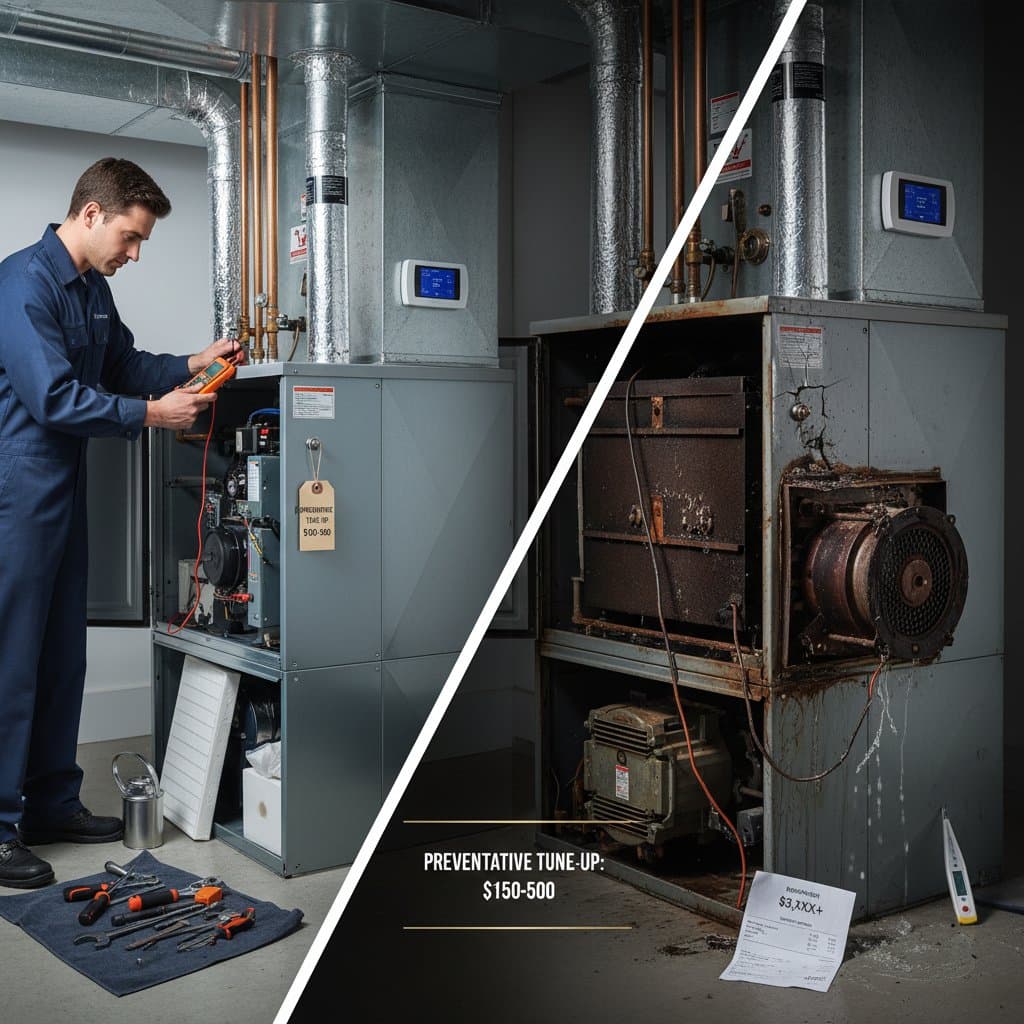
Routine winter maintenance for HVAC systems typically costs between $150 and $500.
Emergency furnace replacements can range from $3,000 to $8,000.
Backup generator installations or connections often fall between $200 and $600.
As temperatures plummet, the HVAC system in your home assumes a critical role in maintaining comfort and safety. Proactive preparation mitigates risks such as frozen coils, inefficient operation, or total breakdowns during intense storms. These efforts not only preserve functionality but also extend the lifespan of your equipment, ensuring reliable performance when it matters most.
Homeowners who invest in early preparation often secure free estimates from local HVAC experts, allowing informed decisions ahead of the season's demands.
The Importance of Winter HVAC Preparation
Harsh winter conditions impose significant strain on heating systems. Units operate for extended periods at higher intensities, while exposed outdoor elements face threats from ice accumulation and subzero winds. Neglecting routine checks can result in severe issues, including fractured heat exchangers, malfunctioning blower motors, or outright system shutdowns that leave families vulnerable.
By addressing potential vulnerabilities in advance, homeowners maintain a stable indoor environment and sidestep the financial burden of urgent interventions. Such foresight translates to lower energy consumption and fewer disruptions, particularly during prolonged cold snaps or power outages.
Elements Influencing Winter HVAC Preparation Expenses
Several variables determine the overall cost of preparing an HVAC system for winter. Understanding these helps in budgeting effectively and selecting appropriate services.
- System Capacity: Homes with larger units, such as those in expansive properties, demand more extensive servicing, which elevates expenses by 20 to 40 percent due to increased material and labor needs.
- Unit Age: Systems over 10 years old frequently require thorough cleaning, minor part swaps, or efficiency assessments, adding to the bill.
- Access Challenges: Equipment located in confined areas like attics or basements prolongs technician time, thereby raising labor charges.
- Current State of Components: Accumulated dirt on evaporator coils, obstructed air filters, or rusted ignition assemblies necessitate extra remediation efforts.
- Geographic and Weather Variations: Residences in regions with extreme cold, such as the Midwest or Northeast, benefit from supplementary measures like enhanced insulation or auxiliary power solutions.
- Manufacturer and Specifications: High-end models from brands like Carrier or Trane may involve proprietary tools or replacement parts, incurring premium fees.
- Urgency of Service: Requests during peak demand or after storm events can incur surcharges, sometimes doubling standard rates.
Budgeting around $300 on average covers most standard preparations for a mid-sized home, but customized assessments provide precise figures.
Step-by-Step Maintenance to Avert Winter HVAC Issues
A structured approach to maintenance ensures comprehensive coverage and minimizes oversight. Follow these steps to ready your system effectively.
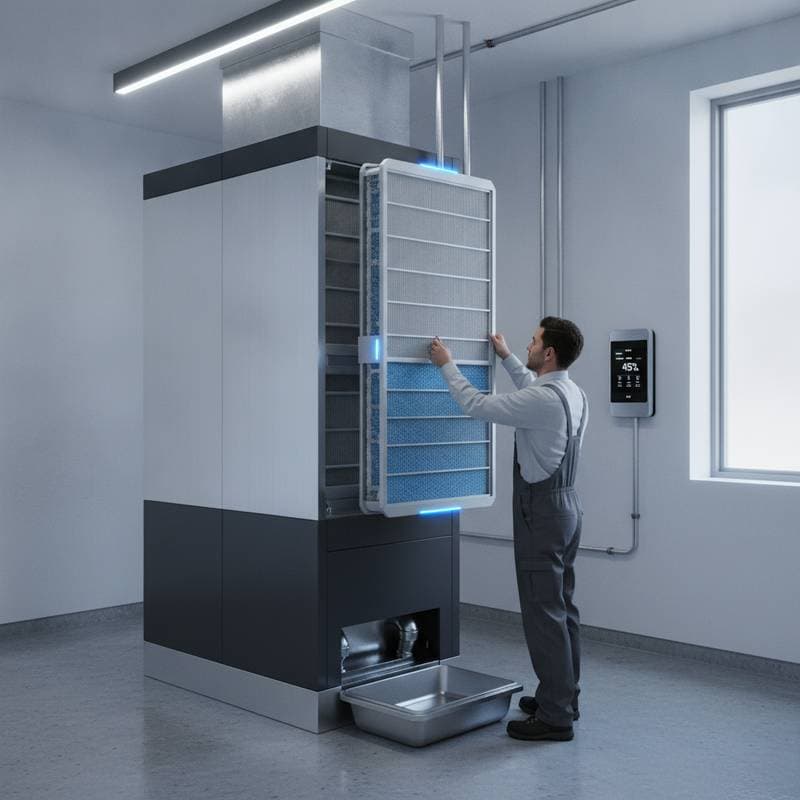
- Filter Replacement: Swap out air filters every one to three months. Clean filters promote optimal airflow, reducing strain on the blower and enhancing indoor air quality.
- Vent Clearance: Ensure supply and return vents remain unobstructed by furniture, curtains, or accumulated dust. Blocked pathways force the system to work harder, spiking energy use.
- Outdoor Unit Inspection: Examine condenser coils and fan blades for debris or frost. Gently clear any buildup to prevent restricted operation during cold weather.
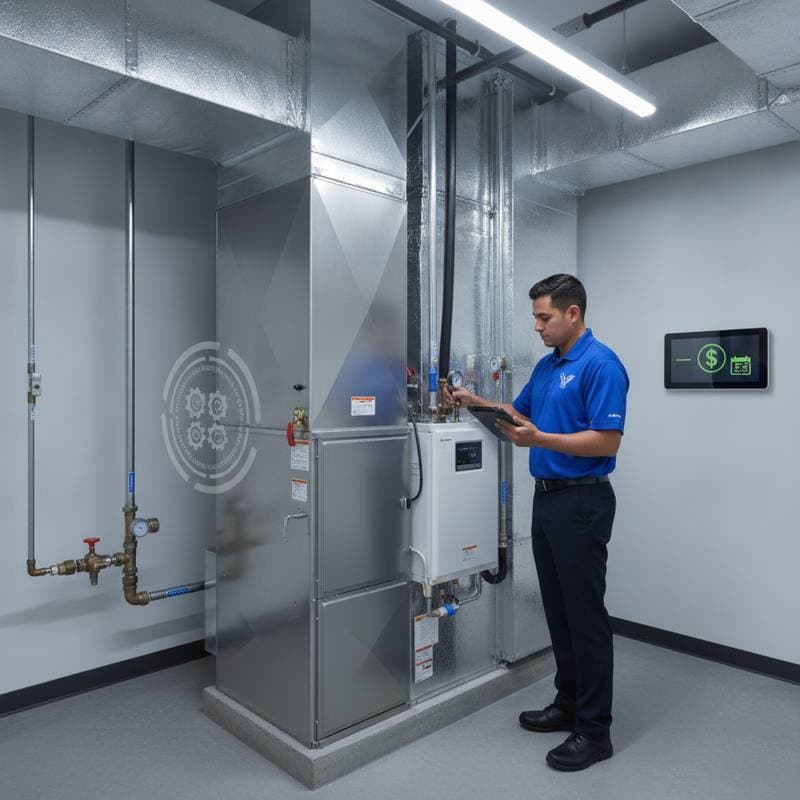
- Professional Evaluation: Book an annual inspection prior to the initial frost. Technicians verify refrigerant levels, electrical connections, and combustion safety.
- Thermostat and Power Verification: Calibrate digital thermostats for accuracy and test backup generators or battery systems to confirm seamless failover during outages.
- Lubrication of Mechanisms: Apply manufacturer-recommended lubricants to motors and bearings. This simple action cuts friction, noise, and premature wear.
- Ductwork Assessment: Scan for visible cracks, separations, or insulation gaps. Sealing these prevents heat loss and improves distribution uniformity.
- Clearance Maintenance: Maintain a minimum two-foot perimeter around external units free of vegetation or snow drifts to facilitate proper ventilation.
Implementing these practices routinely can prolong equipment durability by five to ten years. They also contribute to noticeable reductions in monthly utility bills through improved operational efficiency.
Strategies to Minimize Winter HVAC Preparation Costs
Smart planning allows homeowners to optimize spending without compromising quality. Consider these practical approaches to keep expenses in check.
- Early Scheduling: Arrange services in late summer or early fall when technicians have lighter workloads and offer introductory rates.
- Rebate Programs: Research incentives from utilities or government bodies for energy-efficient upgrades, such as high-SEER furnaces qualifying for up to $500 in credits.
- Thermostat Upgrades: Opt for smart models that adjust temperatures automatically, potentially slashing heating demands by 10 to 15 percent.
- DIY Cleaning Routines: Handle basic tasks like filter changes and vent dusting to limit professional hours focused on complex diagnostics.
- Service Bundling: Combine HVAC prep with gutter cleaning or electrical checks for package discounts from multi-trade providers.
- Competitive Bidding: Obtain at least three quotes from licensed contractors to identify value-driven options.
- Annual Contracts: Enroll in maintenance agreements that lock in lower rates and include priority scheduling for emergencies.
- Insulation Enhancements: Add attic or wall insulation to lessen the heating system's workload, indirectly cutting prep needs over time.
These tactics not only control immediate outlays but also foster long-term savings through sustained efficiency gains.
Frequently Asked Questions
What Is the Typical Cost for Winter HVAC Preparation?
Professional services generally range from $150 to $500, influenced by factors like home size and additional features such as duct sealing.
Which Elements Are Covered in a Standard Winter Tune-Up?
Expect thorough cleaning of coils and burners, safety inspections for gas leaks, thermostat adjustments, and operational tests of heating elements.
How Frequently Should HVAC Systems Undergo Servicing?
Annual inspections suffice for most units, with timing aligned to seasonal shifts—ideally before winter onset.
Are There DIY Options for Preparation?
Homeowners can manage filter replacements, vent clearing, and basic thermostat checks. Complex tasks involving wiring or refrigerants require certified expertise to avoid hazards.
What Risks Arise from Neglecting Maintenance?
Inefficiencies lead to elevated energy costs, uneven heating, and heightened breakdown probabilities, especially under storm conditions.
How to Respond If the Furnace Fails During a Storm?
Verify thermostat settings and power sources initially. If unresolved, summon a 24/7 HVAC specialist equipped for adverse weather response.
Does Investing in a Backup Generator Pay Off?
In outage-prone areas, generators provide indispensable continuity for heating, justifying the $200 to $600 setup through prevented discomfort and repair costs.
Indicators of Leaking Ducts?
Signs include inconsistent room temperatures, escalating bills, or excessive dust around registers, signaling the need for professional sealing.
Secure Comfort This Winter: Your Next Steps
With winter approaching, prioritize HVAC readiness to ensure uninterrupted warmth and peace of mind. Contact a local professional today for a personalized assessment, and implement these strategies to transform potential vulnerabilities into reliable performance. This preparation not only protects your investment but also enhances home safety amid unpredictable weather.