Variable Speed HVAC Systems Become Mandatory in 2026
The United States Environmental Protection Agency mandates a shift away from single-speed HVAC systems by 2026. This regulation targets improved energy efficiency and reduced environmental impact through the adoption of variable speed technology. Homeowners must prepare for this change to maintain comfort and avoid higher costs associated with outdated equipment.
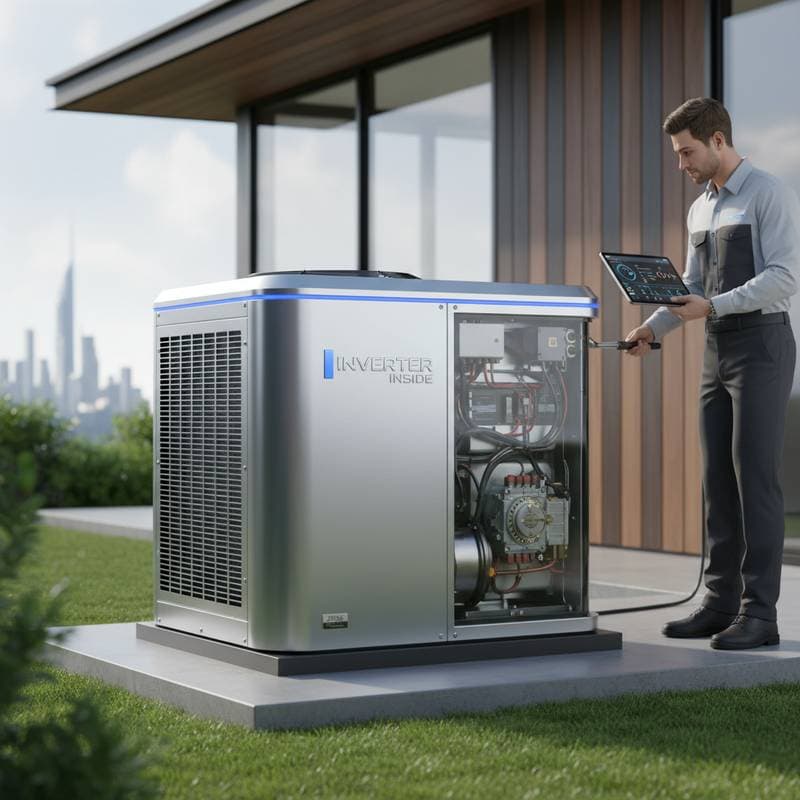
Variable speed HVAC systems employ advanced inverter technology and modern refrigerants, such as R-410A, which differ significantly from the R-22 used in many older single-speed units. These systems adjust compressor speeds dynamically to match heating or cooling demands precisely. As a result, they achieve energy savings of 20 to 40 percent compared to traditional models, which often leads to a payback period of five to eight years through lower utility bills.
Beyond efficiency, variable speed units provide consistent indoor temperatures and superior humidity control. They operate more quietly by ramping up or down gradually, avoiding the abrupt starts and stops of single-speed systems. This technology ensures a more comfortable living environment year-round, particularly in regions with variable climates.
Key Benefits of Variable Speed HVAC Systems
Variable speed systems offer several advantages that extend beyond basic functionality.
- Enhanced Energy Efficiency: The inverter-driven compressor modulates its speed, consuming only the power required for the current load. This approach minimizes energy waste and qualifies many units for ENERGY STAR certification.
- Improved Comfort Levels: Steady operation maintains even temperatures throughout the home, eliminating hot or cold spots. Better dehumidification during cooling cycles reduces moisture buildup and enhances air quality.
- Quieter Performance: Lower operating speeds produce minimal noise and vibration, ideal for bedrooms or living areas near the outdoor unit.
- Longer Equipment Life: Reduced strain on components from constant full-speed operation extends the system's lifespan and decreases the frequency of repairs.
- Environmental Compliance: These systems use eco-friendly refrigerants and meet stringent federal efficiency standards, preparing homeowners for future regulations.
Upgrading to a variable speed system not only aligns with the 2026 mandate but also positions households for sustained savings and reliability.
Signs It Is Time to Replace Your HVAC System
Recognizing when an existing system requires replacement prevents unexpected breakdowns and escalating expenses. Several indicators signal the need for an upgrade, especially as the phase-out of single-speed models approaches.
- Frequent Repairs or Compressor Issues: If repair costs accumulate or the compressor fails repeatedly, the unit likely nears the end of its useful life.
- Uneven Temperatures or Inadequate Humidity Control: Fluctuations in room temperatures or persistent dampness suggest the system struggles to maintain balance.
- Increasing Energy Bills Without Explanation: A sudden rise in utility costs, absent changes in usage patterns, points to declining efficiency.
- Outdated Refrigerant Usage: Systems relying on R-22, phased out since 2010, face higher costs for scarce refrigerant and may not comply with new standards.
- Excessive Noise or Short Cycling: Loud operation or frequent on-off cycles indicate wear and inefficiency, common in aging single-speed units.
Addressing these signs promptly through a variable speed upgrade yields quieter operation, enhanced comfort, and reduced long-term expenses over continued maintenance of obsolete equipment.
Strategies to Reduce Costs on a Variable Speed HVAC Upgrade
Investing in a new system represents a significant expense, yet several practical steps can lower the overall cost. Homeowners benefit from proactive planning and informed decisions during the purchasing process.
- Obtain Multiple Quotes: Secure estimates from at least three licensed contractors to identify competitive pricing and understand market rates.
- Pursue Available Rebates: Many utility providers and government programs offer incentives, such as $300 to $1,000, for installing high-efficiency variable speed units.
- Ensure Accurate System Sizing: A professional load calculation prevents oversizing, which wastes energy and increases upfront costs; proper sizing optimizes performance.
- Time the Installation: Schedule during off-peak seasons like spring or fall, when contractors experience lower demand and may provide discounted rates.
- Combine with Home Improvements: Pair the HVAC replacement with duct sealing or insulation enhancements to qualify for bundled discounts or additional rebates.
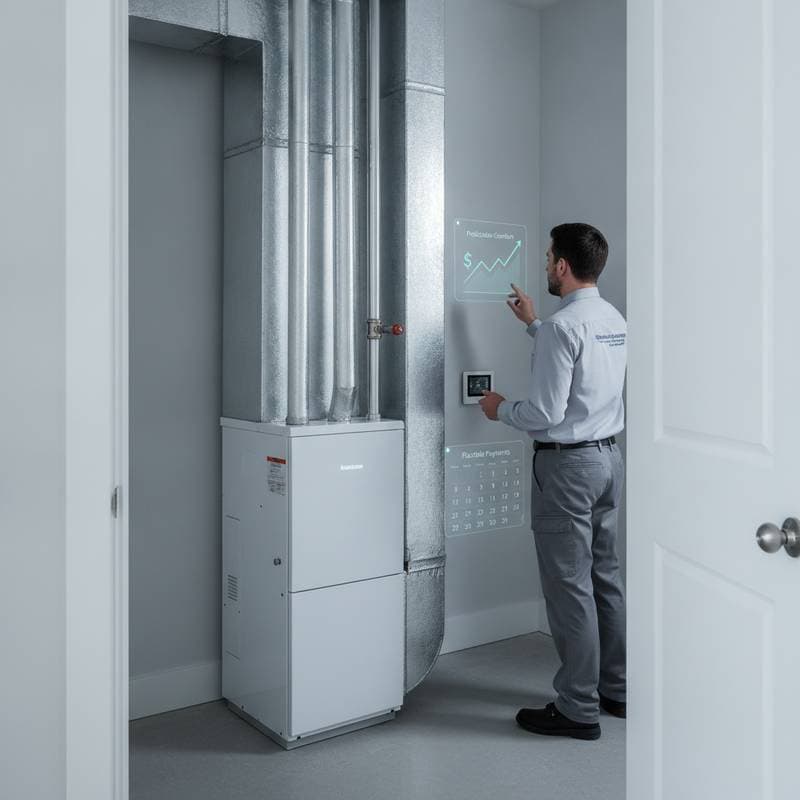
- Explore Financing Options: Inquire about low-interest loans or payment plans tailored for energy-efficient installations, spreading costs over time.
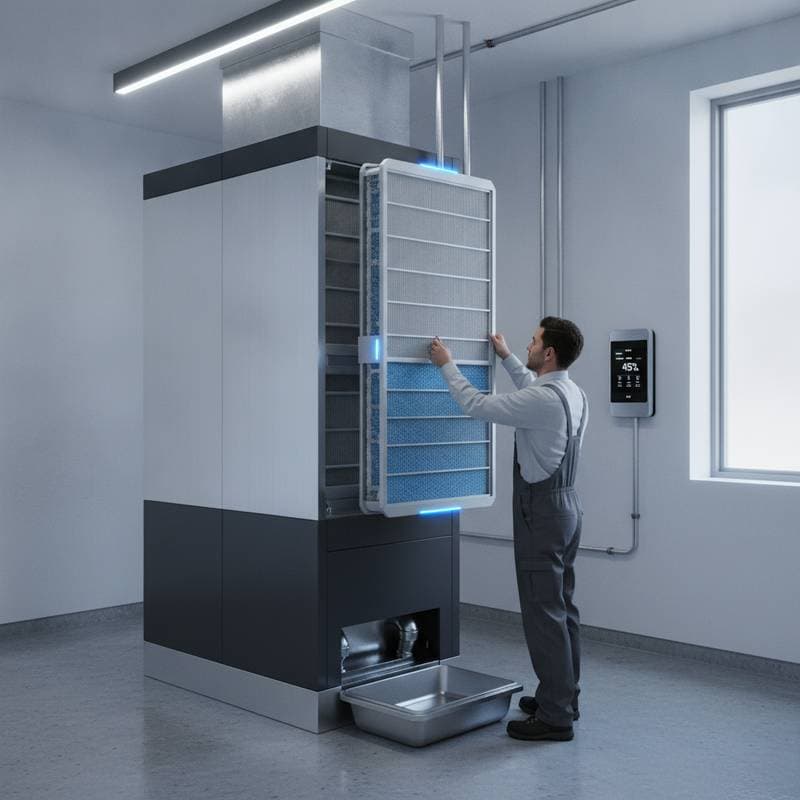
- Commit to Regular Maintenance: Ongoing care preserves efficiency and avoids premature repairs, effectively extending the return on investment.
These measures make the transition to variable speed technology more affordable and accessible for most budgets.
Frequently Asked Questions About Variable Speed HVAC Systems
How Much Does a Variable Speed HVAC System Cost?
Installation costs for a full system typically range from $6,500 to $12,000, depending on home size, unit capacity, and regional labor rates. Smaller homes or partial replacements might cost around $4,000, while larger properties could exceed $13,000. Factors like ductwork modifications influence the final price.
What Enhances the Efficiency of Variable Speed Systems?
The core efficiency stems from the compressor's ability to vary speed continuously, matching output to real-time needs. This eliminates energy losses from frequent cycling and can cut consumption by up to 40 percent. Advanced controls further optimize performance across varying conditions.
Is Retrofitting a Variable Speed Compressor Feasible for Older Systems?
Full retrofits prove impractical in most scenarios due to incompatibilities in electronics, refrigerants, and airflow components. Experts recommend a complete system replacement to ensure reliability and warranty coverage.
How Long Do Variable Speed HVAC Systems Last?
Properly maintained units endure 15 to 20 years. Annual professional servicing and regular filter replacements maximize longevity by preventing buildup and component stress.
Do Variable Speed Systems Operate More Quietly?
Affirmative. They run at partial capacities for much of the time, generating less noise and vibration than single-speed alternatives that operate at full power intermittently.
Do These Systems Require Specialized Thermostats?
Yes, they necessitate communicating thermostats capable of signaling speed adjustments for the compressor and fan. Most installations include compatible models to facilitate seamless integration.
What Defines Inverter Technology in HVAC?
Inverter technology employs electronic inverters to control compressor motor speed variably. This enables precise temperature regulation and substantial energy conservation relative to fixed-speed designs.
Will Single-Speed Systems Remain Available After 2026?
Repairs for existing units continue, but manufacturers cease production of new single-speed models. Production shifts to variable speed and two-stage systems to satisfy elevated efficiency requirements.
How Can One Identify If a System Is Single-Speed or Variable Speed?
Examine the model number on the unit or consult an HVAC professional. Single-speed models feature one fixed compressor speed, whereas variable speed units adjust power output fluidly.
Are Rebates Offered for Upgrades?
Yes, numerous state initiatives and utility rebates provide $300 to $1,000 for eligible variable speed heat pumps and air conditioners. Verify local programs through utility websites or contractors.
Selecting a Qualified HVAC Contractor
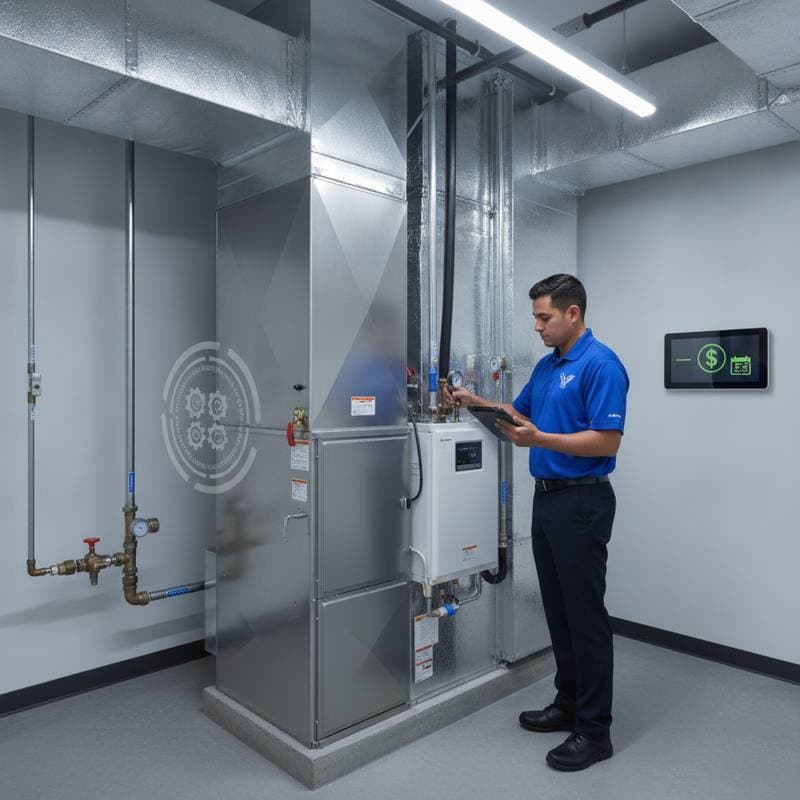
The choice of contractor profoundly affects system performance, warranty validity, and overall satisfaction. Prioritize professionals with proven expertise in variable speed installations to avoid common pitfalls.
Essential Hiring Checklist:
- Confirm state licensing and full insurance coverage.
- Verify certifications like NATE for technical proficiency or EPA 608 for refrigerant handling.
- Demand itemized written estimates detailing parts, labor, and timelines.
- Inquire about comprehensive warranties for equipment and workmanship.
- Examine online reviews, customer testimonials, and professional references.
- Ensure affiliation as an authorized dealer for preferred brands.
- Require Manual J load calculations to determine optimal system sizing.
- Discuss post-installation maintenance contracts and 24/7 emergency support.
After evaluating options, select a contractor who demonstrates transparency in pricing and articulates realistic expectations for system operation.
Essential Questions for Your HVAC Contractor
Pose these targeted questions to gauge expertise and align expectations before committing to an installation.
- Are you licensed and insured for HVAC work in my locality?
- Which variable speed system brands do you endorse, and what justifies your recommendations?
- What method will you use to calculate the appropriate system capacity for my residence?
- What warranties apply to the equipment and the installation labor?
- Do you assist with financing arrangements or rebate applications?
- What is the anticipated duration of the complete installation process?
- What ongoing maintenance services do you provide?
- How extensive is your team's training in inverter-based technologies?
- Will adjustments to my current ductwork prove necessary?
- What thermostat model suits this variable speed system?
These inquiries foster informed decisions and help secure a partnership that delivers lasting value.
Embracing Efficient Home Climate Control
The mandated shift to variable speed HVAC systems marks a pivotal advancement in residential comfort and sustainability. Homeowners who upgrade proactively experience uniform temperatures, diminished noise, and appreciable reductions in energy expenditures.
As single-speed models fade from availability, timely replacement guarantees regulatory adherence and unlocks immediate enhancements in daily living. Collaborate with a trusted contractor to assess options, leverage incentives, and install a system tailored to your needs. This evolution in HVAC technology promises dependable, efficient indoor environments for years ahead.