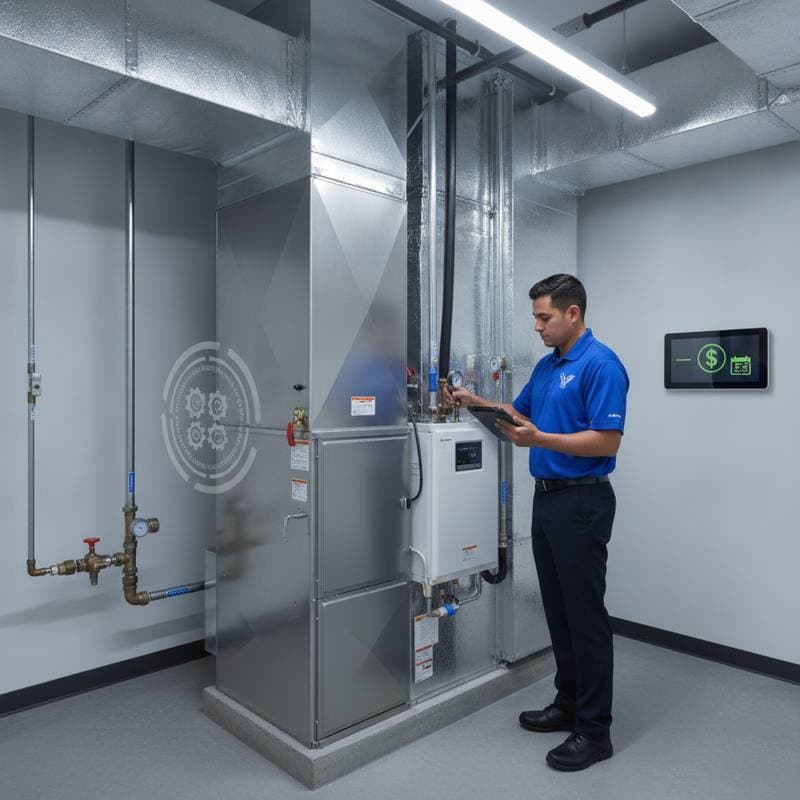
- Pair It With a Smart Thermostat: This allows precise control and efficient scheduling. You can create comfort zones for different rooms and monitor performance remotely.
- Seal and Insulate Ductwork: Even the best system loses efficiency if your ducts leak. Have a professional test and seal them to prevent energy loss.
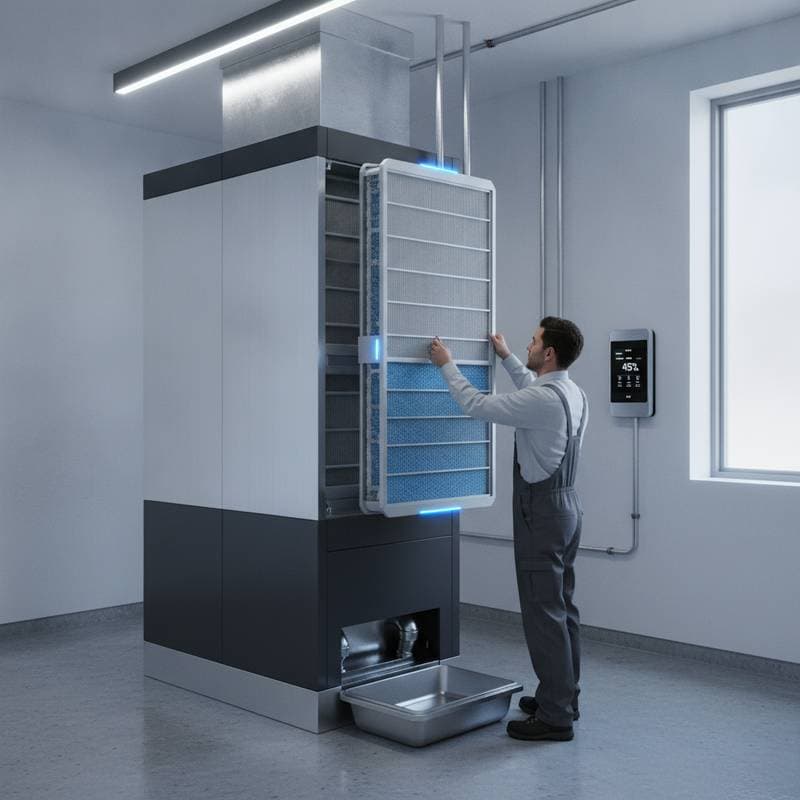
- Maintain Filters and Coils: Dirty filters or coils force the system to work harder. Replace filters every one to three months and schedule cleaning as needed.
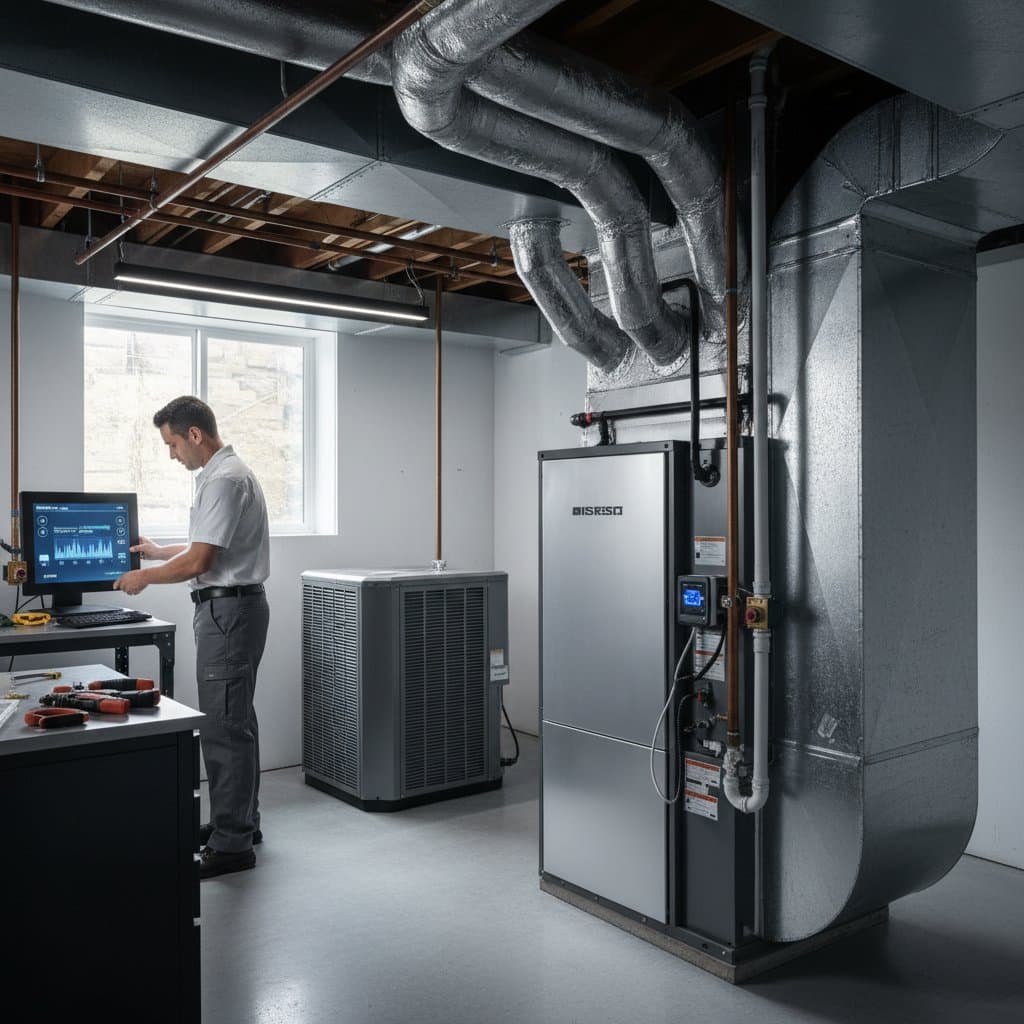
- Schedule Annual Tune-Ups: Routine maintenance keeps sensors calibrated and components working efficiently. Annual tune-ups can cut energy use by up to 15 percent.
Practical Considerations Before Upgrading
When considering a variable speed upgrade, it helps to understand what to expect in cost and performance. A typical installation for a variable speed air conditioner or heat pump ranges from $5,000 to $9,000 depending on size, brand, and existing ductwork. Although the upfront cost is higher than a single-speed system, the energy savings often pay back the difference within a few years.
The installation process usually takes one day for a replacement in an existing system, or up to two days if new ductwork or electrical upgrades are needed. Always verify that your contractor is licensed, insured, and experienced with variable speed technology. Local codes often require proper permits and documentation to ensure safety and compliance.
Safety should always come first. Homeowners should never attempt to open refrigerant lines or electrical panels without professional training. Handling refrigerant requires EPA certification, and improper work can lead to serious health or equipment risks.
Real-World Results and Expert Insight
In homes across regions with fluctuating temperatures, variable speed systems have proven their value. One of my clients in a coastal area saw energy costs drop by nearly one-third after replacing a ten-year-old single-stage AC with a variable speed model. The home’s humidity levels stabilized, and the noise from the outdoor unit became nearly unnoticeable.
As veteran HVAC technician Laura Benson said, "Variable speed systems give homeowners control over comfort and efficiency that older technology simply can’t match. It’s the difference between reactive heating and proactive climate management."
Making It Happen
If your current system struggles to keep up or drives your energy bills higher each season, now is the time to explore a variable speed upgrade. Request an in-home consultation to assess your ductwork, insulation, and sizing needs. A properly matched system ensures you capture the full benefit of this technology.
Upgrading can transform your daily comfort while reducing long-term costs. Instead of bracing for the next spike in your utility bill, imagine walking into a home that feels consistently balanced, with a quiet hum of steady airflow. Reach out to a vetted HVAC expert through our platform for a no-obligation quote and professional guidance tailored to your home.
Frequently Asked Questions
Q: How much can a variable speed HVAC system lower my energy bills?
A: Most homeowners see savings between 20 and 40 percent, depending on insulation quality, climate, and system size. The longer your heating or cooling season, the greater the potential return.