Dual-Fuel HVAC: Slash Bills 50% Come 2026
Homeowners often face escalating energy bills during harsh winter months or intense summer heat. These fluctuations arise from heating and cooling systems that depend on a single energy source, leading to inefficiency and discomfort. Dual-fuel HVAC systems address this challenge by integrating an electric heat pump with a gas furnace, enabling automatic switching based on weather conditions. This hybrid setup can reduce heating and cooling expenses by up to 50 percent, providing reliable comfort throughout the year.
The Problem with Single-Source Systems
Systems that rely solely on an electric heat pump perform well in moderate temperatures but struggle in extreme cold, drawing excessive electricity to maintain warmth. Gas furnaces deliver rapid heat effectively yet become expensive when fuel costs rise. In regions with variable climates, these single-source options result in higher energy consumption and inconsistent indoor temperatures. Homeowners pay more for suboptimal performance across seasons.
Why Dual-Fuel Systems Work So Well
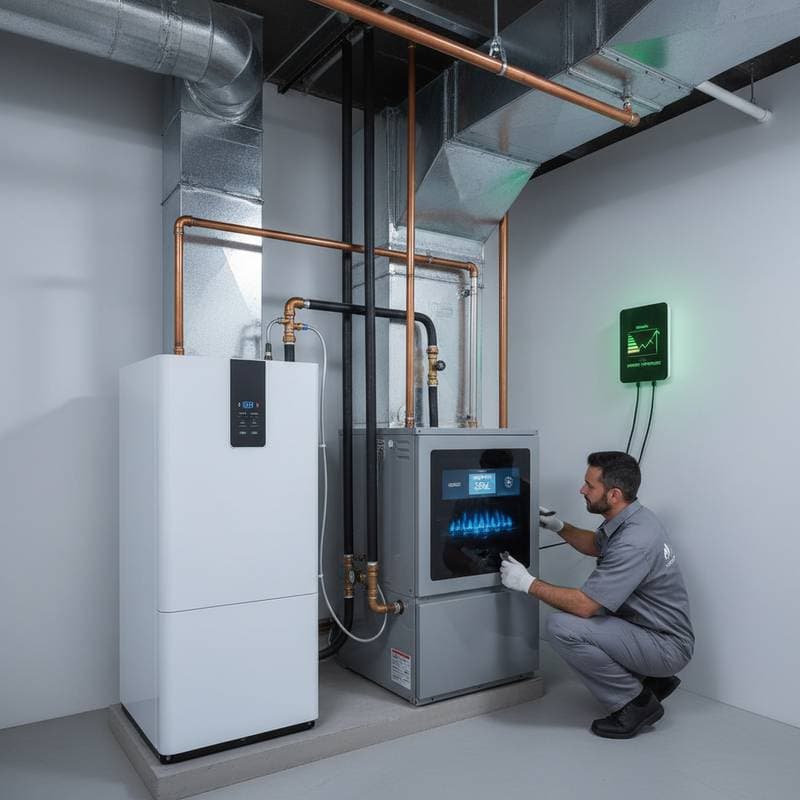
A dual-fuel HVAC system combines the strengths of an electric heat pump and a gas furnace. The heat pump operates efficiently during milder weather, while the gas furnace activates in colder conditions for powerful heating. This automatic transition ensures the most economical energy source handles each task. In areas with fluctuating temperatures, such systems optimize costs and maintain steady comfort levels without manual intervention.
Professionals observe that these setups yield significant advantages in mixed climates. The technology evaluates outdoor conditions in real time, selecting the fuel source that minimizes expenses and energy use.
Expert Steps to Upgrade Your Home
Upgrading to a dual-fuel system requires careful planning to achieve optimal results. Follow these structured steps for a seamless transition.
-
Schedule a Professional Assessment
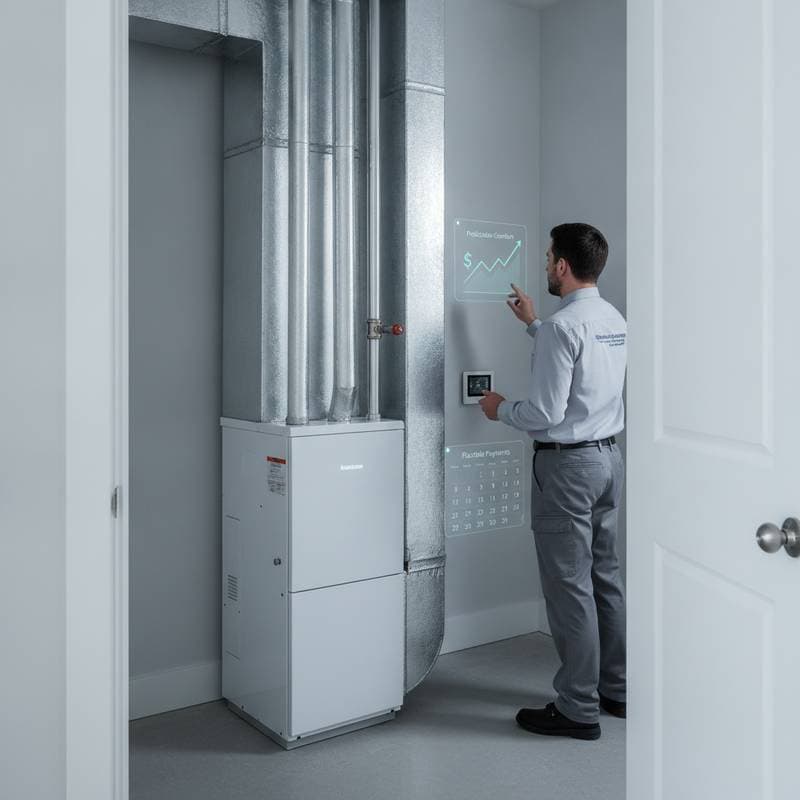
A certified HVAC technician examines your existing equipment, ductwork, and energy patterns. This evaluation determines compatibility and identifies any necessary adjustments, such as duct modifications or electrical upgrades. -
Select the Right Heat Pump and Furnace Pairing
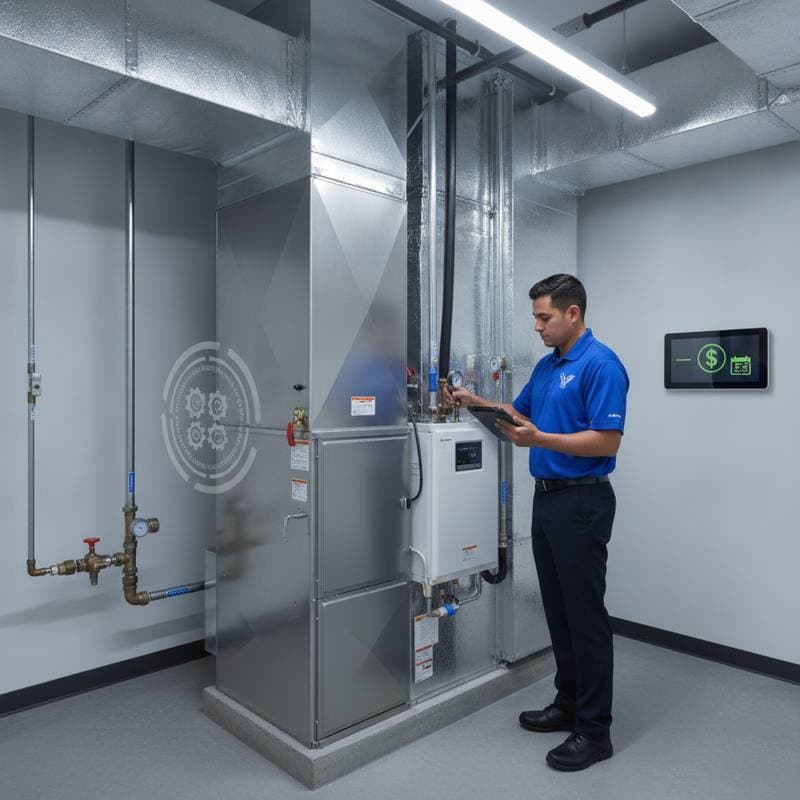
Choose components with matching efficiency ratings. Opt for a heat pump boasting a high SEER value for cooling efficiency and a furnace with an AFUE rating above 95 percent for heating performance. Technicians ensure the pairing aligns with your home's size and needs. -
Install a Smart Thermostat
Integrate a programmable thermostat that tracks outdoor temperatures and manages fuel switches. These devices learn usage patterns, further enhancing energy savings through automated adjustments. -
Plan for Regular Maintenance
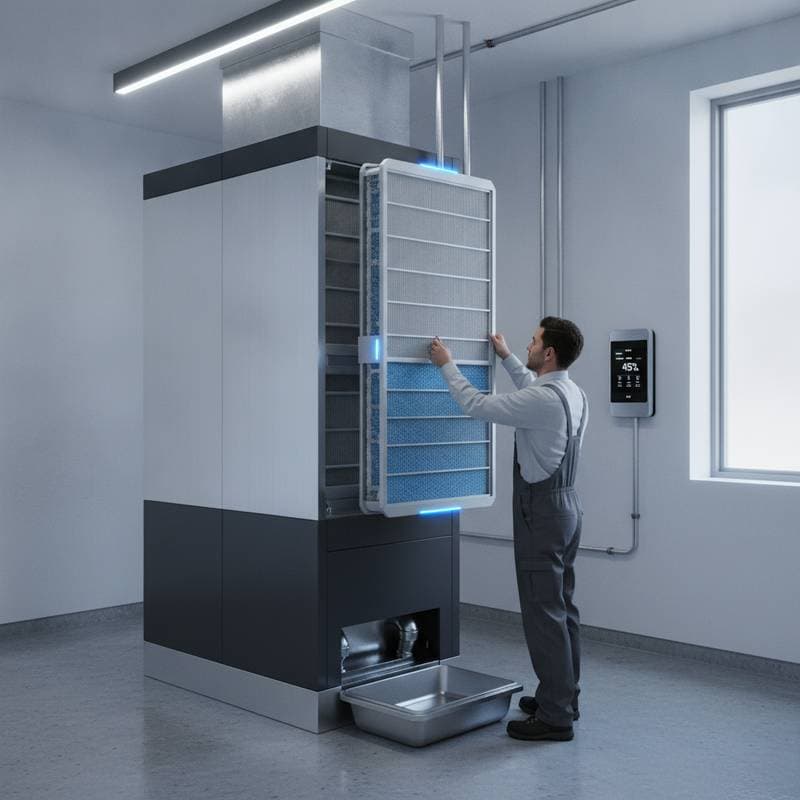
Arrange annual inspections to clean filters, check refrigerant levels, and test controls. Proper upkeep preserves efficiency, prevents breakdowns, and extends equipment life to 15-20 years.
Key Benefits You Can Expect
Dual-fuel systems deliver multiple advantages beyond cost reduction.
- Lower Energy Bills: Expect reductions of 30 to 50 percent in heating and cooling expenses, as the system balances loads between efficient sources.
- Year-Round Comfort: Consistent temperatures prevail regardless of weather shifts, eliminating hot or cold spots in your home.
- Environmental Advantage: Reduced reliance on fossil fuels lowers overall emissions, supporting sustainable living without compromising performance.
- Long-Term Reliability: By distributing workload, components experience less strain, leading to fewer repairs and prolonged durability.
Initial investment typically ranges from $7,000 to $12,000, influenced by system size and installation demands. However, monthly savings and available rebates often recover costs within three to five years.
Practical Considerations Before You Commit
Evaluate your local climate and energy rates before proceeding. In milder areas, the heat pump dominates, amplifying efficiency gains. Harsher winters increase furnace use, yet smart controls prevent excess spending.
Consult local regulations for permits and explore incentives like federal tax credits or utility rebates for high-efficiency installations. These programs can offset 20-30 percent of upfront expenses.
Prioritize safety by engaging qualified professionals for all work involving gas lines or refrigerants. DIY attempts risk leaks, fires, or voided warranties.
Making It Happen
Select a contractor experienced in hybrid HVAC installations to customize the system for your property. At American Air HVAC, vetted specialists handle design, setup, and ongoing support. Contact for a free consultation to explore how this upgrade can transform your home's efficiency and comfort.
Common Questions About Dual-Fuel HVAC
Q: How much can a dual-fuel system really save me?
A: Savings typically range from 30 to 50 percent on heating and cooling costs, varying by local rates and equipment efficiency.
Q: How long does installation take?
A: Standard installations require two to three days, encompassing setup, testing, and calibration. Additional time may apply for extensive duct revisions.