Why Your Thermostat Isn't the Real Key to Indoor Comfort
Many homeowners adjust their thermostats in search of perfect indoor conditions. Yet, temperature settings alone often fail to deliver true comfort. The missing element is humidity, which profoundly influences how spaces feel and function.
Thermostats excel at regulating air temperature, but they overlook moisture levels. High humidity makes warm air feel stifling, while low levels cause dryness that chafes skin and eyes. Achieving balance requires a holistic approach to HVAC systems.
Understanding Humidity's Impact on Daily Life
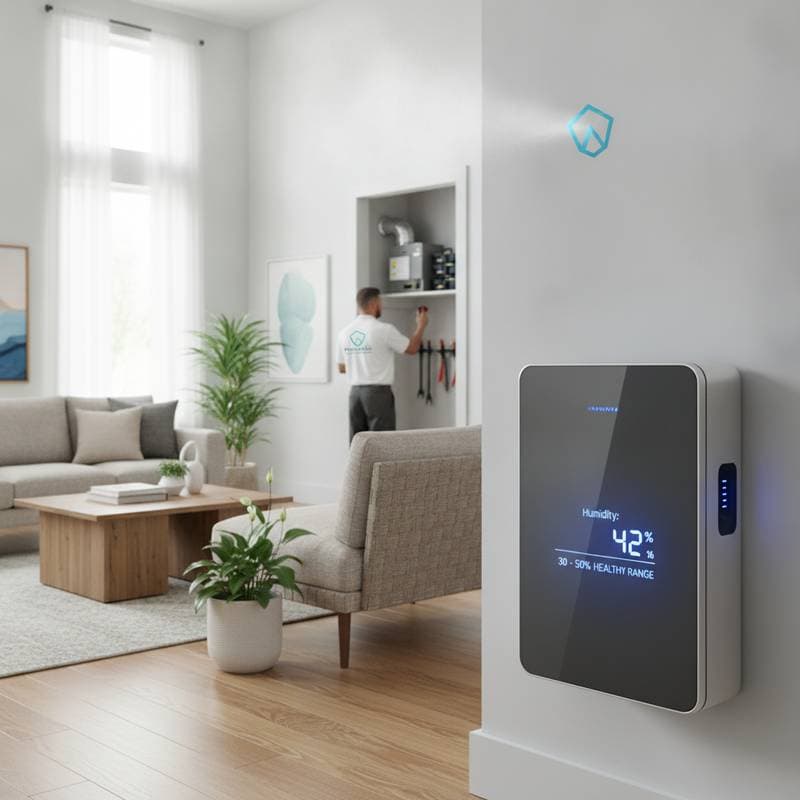
Humidity refers to the amount of water vapor in the air. Ideal indoor levels range from 30 to 50 percent, according to environmental standards. Deviations disrupt comfort and well-being.
Excess moisture promotes a sticky sensation, even at moderate temperatures. It fosters mold growth on surfaces and in ducts. Conversely, arid conditions lead to static electricity and respiratory irritation.
Homeowners notice these effects during seasonal changes. Summer humidity exacerbates heat discomfort, while winter dryness strains heating systems. Addressing humidity directly resolves these persistent issues.
Health Advantages of Proper Moisture Balance
Balanced humidity supports respiratory health by preventing airborne irritants. Dry air dries out nasal passages, increasing susceptibility to infections. Moist environments, when controlled, reduce allergen proliferation.
Studies show that optimal levels minimize asthma triggers and improve sleep quality. Children and elderly individuals benefit most from stable conditions. Skin remains hydrated, avoiding cracks and itchiness common in unbalanced homes.
HVAC systems with dehumidification features filter out excess moisture. This process captures particles that standard temperature control misses. Residents experience fewer headaches and fatigue as a result.
Safeguarding Your Home Structure
Moisture imbalances damage building materials over time. High humidity warps wood floors and cabinets, leading to costly repairs. Walls absorb water, creating peeling paint and structural weaknesses.
Low humidity cracks drywall and shrinks trim. HVAC ducts condense moisture if not managed, promoting corrosion. Preventive humidity control extends the lifespan of furnishings and fixtures.
Integrated systems monitor and adjust moisture in real time. They prevent condensation on windows and pipes. Homeowners avoid mold remediation expenses through proactive management.
Boosting Energy Efficiency Through Humidity Management
Thermostats force systems to overwork when humidity skews comfort perceptions. People lower temperatures unnecessarily in humid conditions, spiking energy bills. Targeted dehumidification allows higher settings without sacrificing feel.
Advanced units remove moisture efficiently, reducing runtime for cooling components. This strategy cuts electricity use by up to 30 percent in humid climates. Savings accumulate over seasons, offsetting installation costs.
Smart integration with existing HVAC optimizes performance. Sensors detect humidity spikes and activate only as needed. Annual energy audits reveal these improvements in usage patterns.
Exploring Modern Humidity Control Technologies
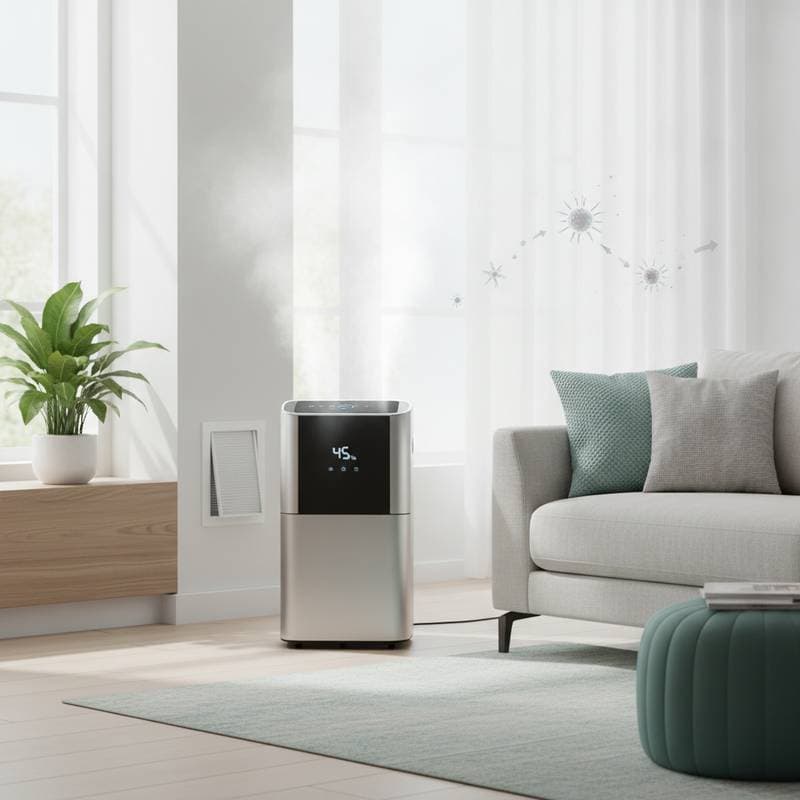
Contemporary HVAC solutions incorporate dedicated dehumidifiers. Standalone units suit smaller spaces, while whole-home systems integrate seamlessly. Both employ advanced filtration for comprehensive air quality.
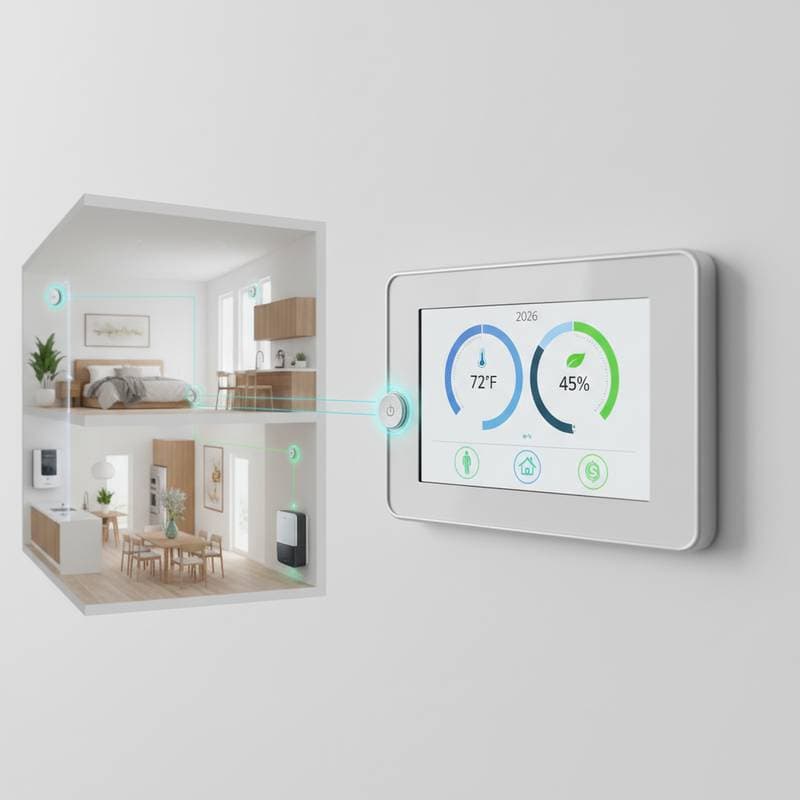
Smart sensors connect to apps for remote monitoring. Users receive alerts on moisture levels and adjust settings via smartphone. Ventilation enhancements ensure fresh air circulation without excess drying.
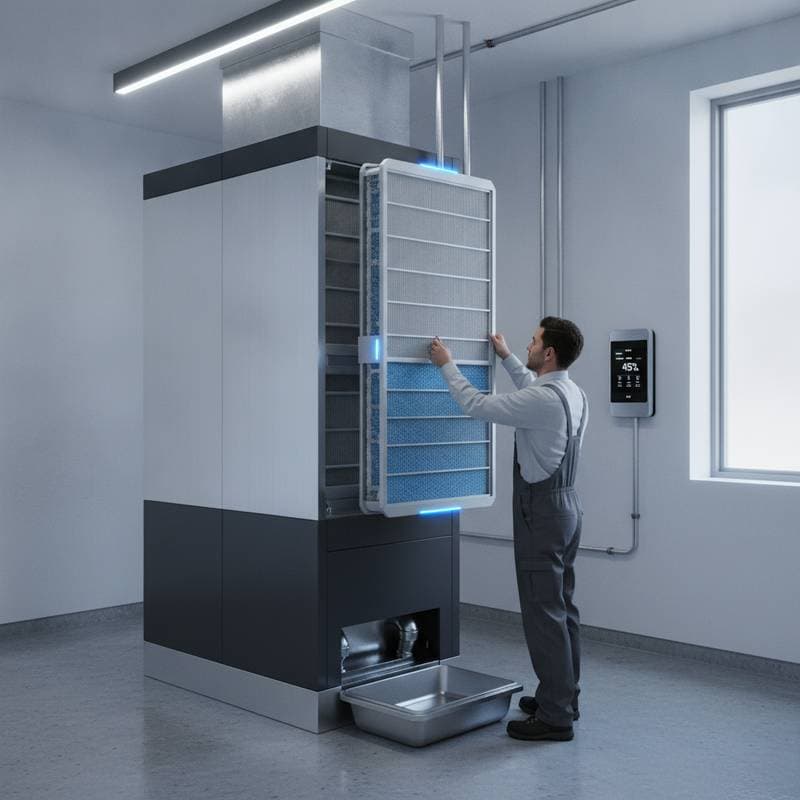
Installation involves professional assessment of ductwork and insulation. Upgrades like variable-speed compressors enhance precision. These technologies adapt to home layouts and occupancy patterns.
- Evaluate current humidity with a hygrometer.
- Consult HVAC specialists for system compatibility.
- Select units with energy-star ratings for long-term savings.
- Schedule regular maintenance to sustain performance.
- Monitor indoor levels seasonally for adjustments.
The Future of Comfort by 2026
By 2026, HVAC innovations will prioritize humidity as standard. AI-driven systems predict moisture changes based on weather data. Self-calibrating units maintain balance autonomously.
Sustainable materials in dehumidifiers reduce environmental impact. Integration with home automation platforms becomes widespread. Expect widespread adoption in new constructions and retrofits.
These advancements promise healthier communities. Reduced energy demands align with global efficiency goals. Homeowners gain tools for personalized, resilient indoor environments.
Steps to Enhance Your Home Comfort Now
Start by measuring indoor humidity levels regularly. Invest in systems that address both temperature and moisture. Professional installation ensures optimal setup and warranties.
Experience the difference through improved air quality and lower bills. Balanced conditions foster relaxation and productivity. Transform your living space into a true sanctuary today.