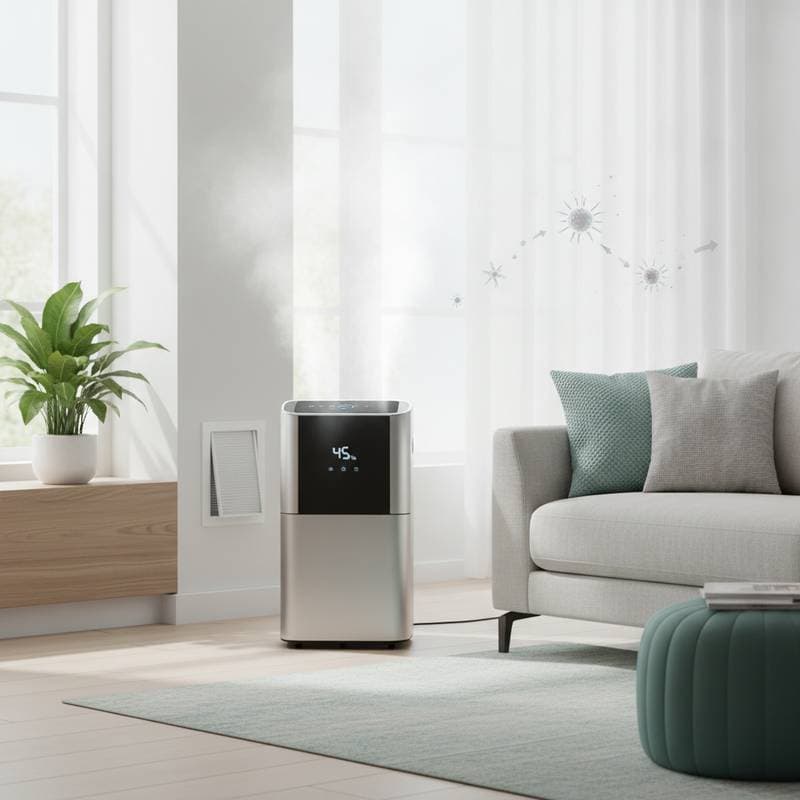
Why Humidity Control Transforms Indoor Comfort
As an HVAC professional, I frequently encounter homeowners facing a common issue. Their thermostat indicates the optimal temperature, but the indoor environment feels sticky, clammy, or excessively dry. This discomfort may resonate with your own experiences. The root cause often lies not in the heating or cooling equipment, but in an unseen element that affects comfort and health: humidity.
In areas prone to humid summers or dry winters, imbalanced humidity challenges even efficient HVAC systems. Fortunately, contemporary humidity control solutions convert this challenge into a manageable process. Homeowners can now regulate moisture levels with the same precision as temperature, fostering a harmonious indoor atmosphere that enhances comfort, safeguards the home, and reduces energy consumption.
Based on extensive field experience, humidity management qualifies as more than an optional enhancement. It represents a strategic investment that influences HVAC efficiency and daily well-being within the home.
The Benefits: Enhancing Efficiency, Protection, and Wellness
Humidity control extends beyond mere comfort to encompass efficiency, durability, and health advantages. When indoor air maintains appropriate moisture levels, the HVAC system operates at maximum efficiency. The home remains cooler during summer and warmer in winter, resulting in lower energy bills.
Consider humidity control as the refinement that complements air conditioning or heating units. It enables these systems to achieve desired temperatures more quickly with reduced effort. Consequently, maintenance needs decrease, equipment longevity increases, and comfort remains steady throughout the home.
Homeowners who integrate whole-home dehumidifiers or humidifiers typically observe the following outcomes:
- Energy reductions of 10 to 20 percent from decreased system demands
- Enhanced air quality through minimized mold, dust, and bacterial proliferation
- Prolonged HVAC durability, as balanced humidity averts corrosion and component strain
- Improved rest and overall comfort with stabilized temperatures
A well-balanced humidity level renders the home more breathable, hygienic, and simpler to upkeep.
Practical Strategies for Maintaining Optimal Humidity
Achieving and sustaining proper humidity demands ongoing attention, including appropriate equipment, periodic evaluations, and effective habits. Drawing from professional insights, the following approaches yield dependable outcomes.
1. Conduct Regular Preventive Maintenance
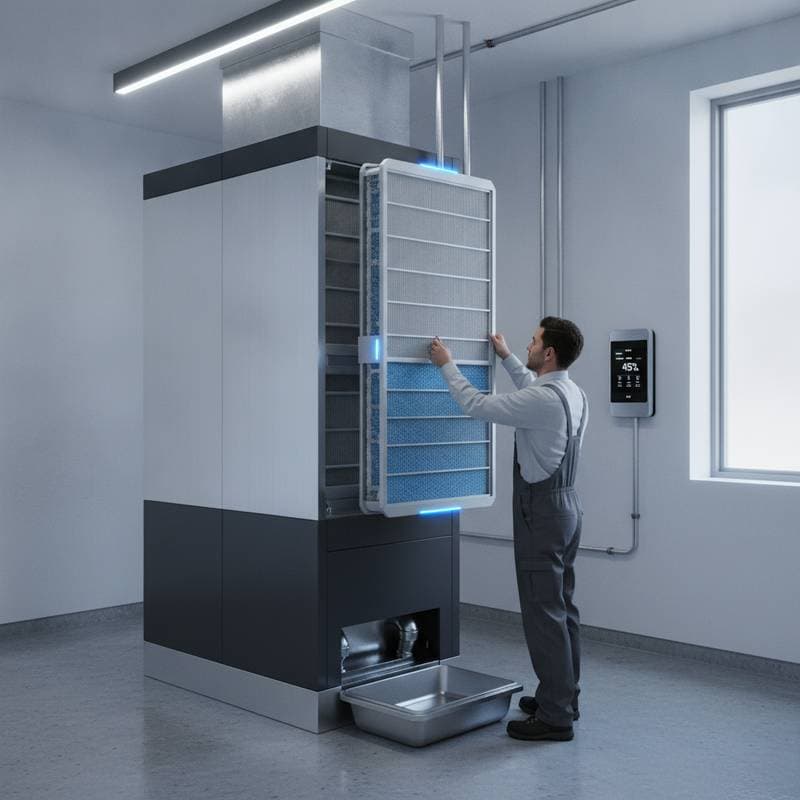
Arrange HVAC inspections biannually. A well-maintained system manages humidity addition or removal more effectively. Clogged coils or filters impede airflow, leading to inconsistent moisture regulation.
2. Employ Ventilation Strategically
Activate exhaust fans in kitchens and bathrooms during cooking or bathing activities. Such practices prevent excess moisture accumulation that could overburden dehumidification efforts.
3. Ensure Proper Sealing and Insulation
Address leaks in ducts or inadequate sealing in attics to block external humidity intrusion. Effective insulation and caulking support the system in preserving uniform indoor conditions.
4. Utilize a Hygrometer for Monitoring
Place an indoor humidity gauge in key living spaces. This inexpensive device, often available for about $20, provides instant data to identify deviations promptly.
5. Adapt Settings by Season
Target 45 to 50 percent humidity in summer months. During winter, 35 to 40 percent typically proves most comfortable. Excess moisture in cooler periods may lead to window condensation.
Case Study: The Impact of a Targeted Upgrade
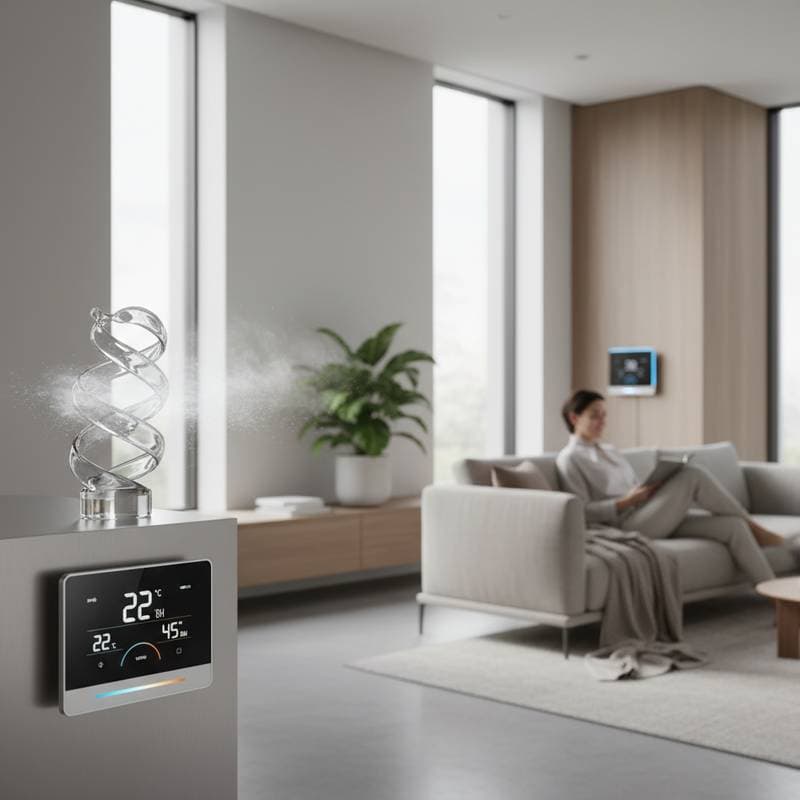
One client in a moisture-prone southern area dealt with persistent window condensation each summer. Despite continuous air conditioner operation, the interior remained sticky and unpleasant. The installation of a whole-home dehumidifier, integrated with a smart thermostat, reduced humidity from 70 to 50 percent.
Results appeared swiftly. The home felt cooler even at elevated thermostat levels, utility costs fell by approximately 18 percent, and lingering odors dissipated. The client described the transformation as residing in a renewed home with the existing air conditioning unit.
Such narratives abound in the industry. With humidity properly managed, comfort becomes intuitive and reliable.
Evaluating Costs and Long-Term Value
Prospective investors often question the financial viability of humidity control. Expert analysis reveals tangible returns.
- Upfront costs range from $500 to $3,000, varying by system complexity and home dimensions
- Yearly upkeep involves $100 to $200 for filter replacements and checkups
- Potential energy reductions reach 20 percent annually on utilities
- Extended equipment life adds several years of service under balanced conditions
Factoring in gains for comfort, health, and home preservation, the system frequently recoups its expense over a few seasons.
Frequently Asked Questions
What is the ideal indoor humidity level?
Most experts recommend 30 to 50 percent relative humidity for year-round comfort. Adjust within this range based on season and personal preference to avoid dryness or dampness.
How does humidity affect my HVAC system?
Excess humidity forces the system to work harder, increasing wear and energy use. Balanced levels allow efficient operation, reducing strain on compressors and coils.
Can I add humidity control to an existing HVAC setup?
Yes, whole-home humidifiers or dehumidifiers integrate seamlessly with most systems. A professional assessment ensures compatibility and optimal performance.
What signs indicate humidity imbalance?
Watch for condensation on windows, musty odors, dry skin, or static electricity. These symptoms signal the need for evaluation and adjustment.
Steps to Achieve Lasting Indoor Balance
To advance your home toward superior comfort and efficiency, begin by assessing current humidity with a hygrometer or integrated thermostat feature. This initial step uncovers whether conditions lean too dry or too moist.
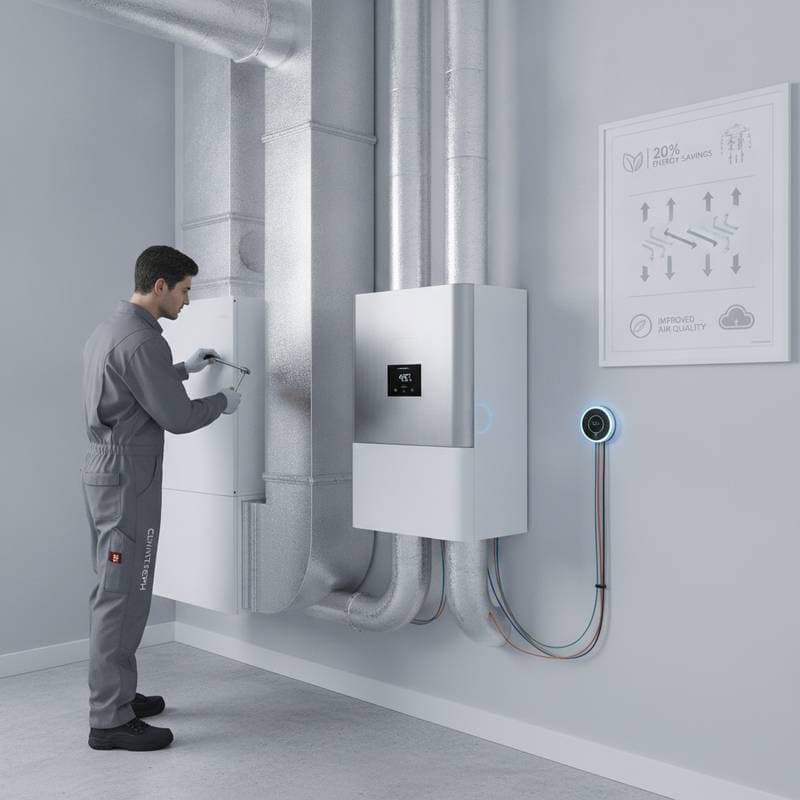
Contact a certified HVAC specialist via American Air HVAC for a complimentary consultation. Professionals evaluate the setup, suggest suitable whole-home solutions, and oversee installation for flawless results.
Optimal humidity fosters an environment that nurtures health, secures property value, and delivers invigorating air daily. Professional experience confirms that adopting consistent control elevates living standards immeasurably.