2025's Hidden HVAC Boost: Humidity Control Secrets
As an HVAC professional, I have observed numerous homeowners struggling with the balance between comfort and humidity. Individuals set thermostats to ideal temperatures, yet the air feels sticky during summer or excessively dry in winter. Temperature alone does not determine comfort. Precise humidity control serves as the overlooked element that elevates an HVAC system to a reliable source of comfort.
Why Humidity Control Is the Missing Link
Uneven cooling or persistent stuffiness affects many households. In various regions, humidity levels fluctuate significantly across seasons, altering the perceived warmth or coolness of indoor air. Elevated humidity renders air warmer and denser, compelling air conditioners to operate more intensively. Reduced humidity leads to dry skin, static electricity, and potential harm to wooden flooring or furniture.
Experience in the field reveals that humidity management extends beyond mere comfort. It enhances efficiency, supports health, and prolongs system durability. Residences maintaining humidity between 40 and 60 percent often experience reduced energy expenses and fewer malfunctions. Such balance allows HVAC systems to function optimally, benefiting occupants as well.
The Hidden Cost of Ignoring Moisture Levels
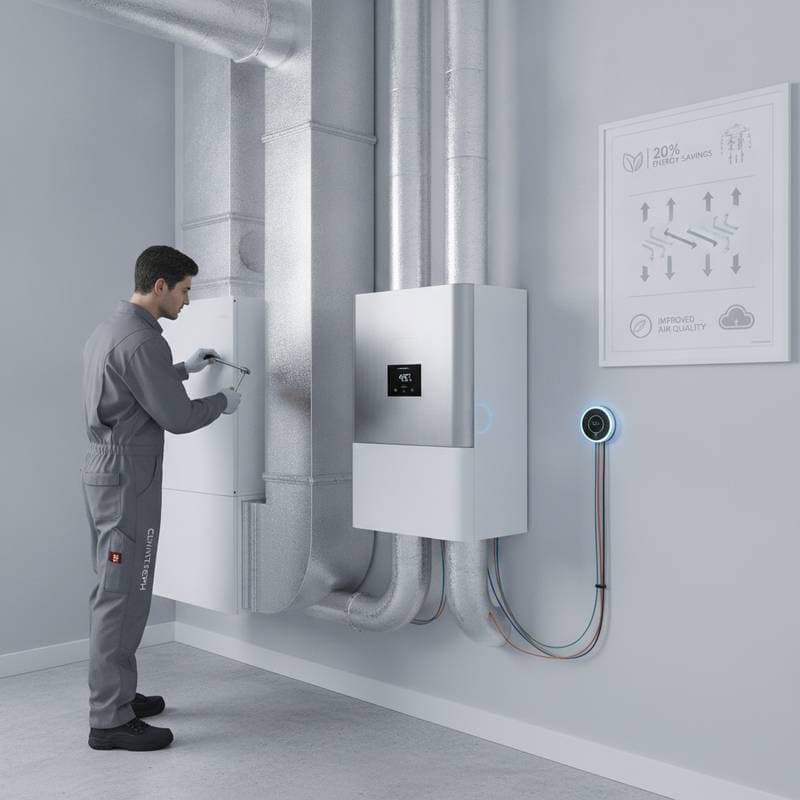
Many homeowners believe that advanced thermostats or filter replacements suffice for air quality maintenance. However, excess moisture or aridity can quietly compromise superior HVAC configurations. When humidity exceeds 60 percent, air conditioners require extended operation to extract moisture, potentially increasing energy costs by as much as 20 percent. Insufficient humidity during heating periods makes spaces feel chillier, prompting higher thermostat settings and unnecessary energy consumption.
Imbalanced humidity also fosters additional problems:
- Development of mold and mildew within ducts or crawl spaces
- Formation of condensation on windows and walls
- Distortion of wooden floors or cabinetry
- Aggravation of respiratory issues and allergies
Experts advise addressing these indicators promptly. Moisture imbalances can strain equipment and compromise well-being over time.
How Proper Humidity Control Transforms Comfort
Humidity control acts as a refinement for the home's comfort mechanism. Thermostats regulate temperature, but humidity influences how that temperature is experienced on the skin and in the respiratory system. A well-balanced indoor environment provides greater refreshment at elevated summer temperatures and enhanced coziness at modest winter settings. These improvements yield energy conservation and elevated quality of life.
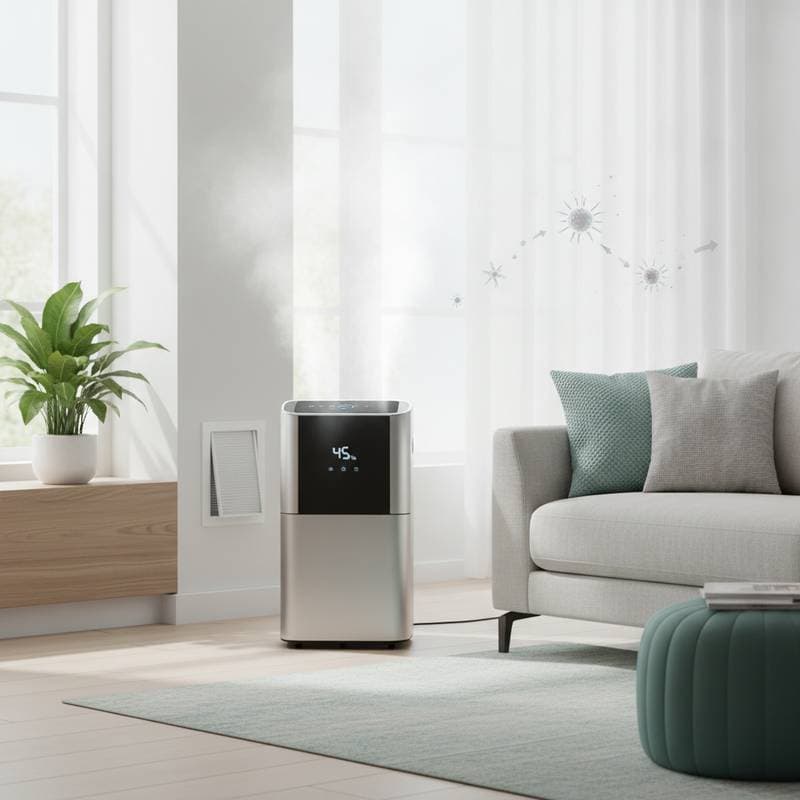
Effective integration involves incorporating humidity management into the overall HVAC approach. Whole-home dehumidifiers and humidifiers integrate with ductwork, operating in tandem with furnaces or air conditioners. These devices automatically modulate moisture according to current conditions, delivering uniform comfort throughout the residence.
Expert Strategies for Mastering Moisture Management
1. Evaluate Your Current Levels
Begin by assessing indoor humidity with a reliable hygrometer, available at modest cost. Readings consistently above 60 percent or below 35 percent signal the need for intervention.
2. Choose the Right Equipment
Consider these primary options:
- Whole-home dehumidifiers: Suitable for humid environments or properties with damp basements. These units link to existing HVAC infrastructure, extracting moisture from circulating air.
- Whole-home humidifiers: Appropriate for arid winter areas. They introduce moisture into the air stream to alleviate dryness and sustain optimal conditions.
3. Schedule Regular Maintenance
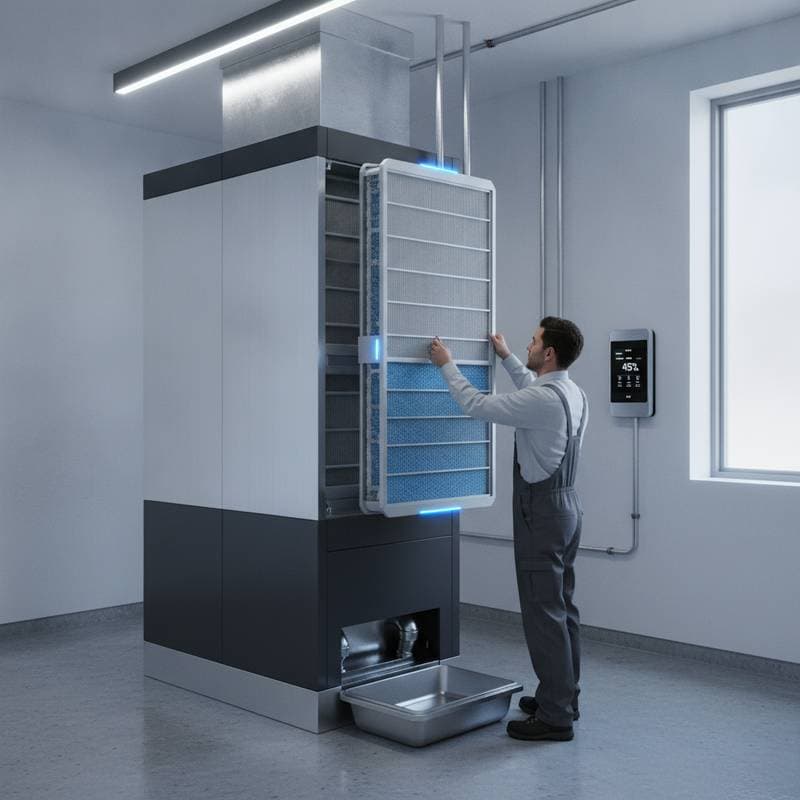
Humidity control components require periodic servicing, similar to other HVAC elements. Perform filter replacements, coil cleanings, and drainage inspections biannually. Overlooked dehumidifiers may harbor mold or bacteria, undermining their effectiveness.
4. Seal and Insulate
Effective humidity management begins with the home's structure. Leaking ducts, unsealed windows, and inadequate insulation permit external moisture or dryness to enter. Conduct thorough inspections and execute necessary repairs to stabilize internal conditions.
5. Pair Humidity Control with Smart Thermostats
Certain sophisticated thermostats feature integrated humidity sensors. These devices activate humidifiers or dehumidifiers automatically based on detected levels, ensuring optimized comfort without user intervention.
Real-World Benefits of Whole-Home Humidity Systems
Properly implemented systems yield substantial advantages. Energy evaluations indicate that balanced humidity can lower cooling expenses by up to 15 percent, as drier air permits higher thermostat settings without discomfort. During winter, adequate humidity improves heat retention, enabling thermostat reductions of several degrees while preserving warmth.
A longtime client residing near the coast dealt with persistent mustiness and adhesive floors. Following the installation of a whole-home dehumidifier, her indoor air became noticeably cleaner and more invigorating within days. She remarked, “It’s like breathing new air. My AC finally feels like it’s working the way it should.” Such transformations highlight the impact of humidity control.
Practical Considerations Before You Upgrade
Prior to acquiring humidity equipment, review these aspects:
- Cost: Installed whole-home dehumidifiers generally range from $1,500 to $3,000. Humidifiers cost between $500 and $1,500, varying by size and features.
- Energy Use: Contemporary models operate efficiently, typically adding under $10 monthly to utilities while generating greater savings via reduced HVAC demands.
- Installation Time: Professional setups usually complete in one day or less.
- Safety: Refrain from do-it-yourself efforts. Improper electrical connections or drainage may lead to hazards or property damage. Engage certified HVAC technicians compliant with local regulations.
Professionals suggest timing installations for moderate weather periods. This preparation ensures readiness for peak seasonal demands.
Making It Happen
Humidity control emerges as an essential component of residential comfort. It preserves air freshness, minimizes energy expenditures, and supports seamless HVAC operation. Fine-tuning moisture levels establishes a consistent, healthful, and economical living space across seasons.
To initiate improvements in indoor climate, consult a qualified HVAC specialist for a complimentary humidity evaluation. Solutions ranging from whole-home dehumidifiers to basic adjustments can deliver tangible enhancements to daily comfort.
Frequently Asked Questions
Q: How do I know if I need a dehumidifier or humidifier?
A: Measure indoor humidity levels. Readings above 60 percent indicate the need for a dehumidifier. Levels below 35 percent suggest a humidifier. Observe seasonal trends to select the most appropriate device.
Q: Can portable units replace a whole-home system?
A: Portable devices manage single rooms effectively but fall short in scope and efficiency compared to integrated systems. For uniform comfort and cost reductions, whole-home options prove superior.
Q: How often should humidity systems be serviced?
A: Biannual maintenance aligns with seasonal changes, prior to heating and cooling periods. Regular cleaning and checks sustain reliability and avert mold accumulation.