Advanced HVAC Dehumidification: Preventing Mold Growth in 2026
As an HVAC professional, I have observed numerous homeowners struggling with persistent humidity that infiltrates every area of their residences. Homeowners often detect a musty smell following prolonged humid conditions or spot dark spots near vents or basement walls. These indicators signal that moisture levels require attention. Fortunately, contemporary HVAC systems equipped with sophisticated dehumidification features restore equilibrium and shield homes from mold development before it occurs.
The Risks Posed by Elevated Indoor Humidity
Mold flourishes in moist, stagnant settings. Relative humidity exceeding 60 percent enables spores to adhere to surfaces and proliferate within days. In areas experiencing warm summers or substantial rainfall, indoor humidity frequently remains high despite air conditioning operation. Traditional cooling units eliminate some moisture during function, yet they lack independent humidity management capabilities. Dedicated dehumidification HVAC systems address this gap effectively.
From extensive field experience, homes featuring specialized humidity regulation exhibit superior air quality, reduced allergens, and extended HVAC durability. The contrast between a humidity-balanced home and one lacking control proves significant. A well-regulated space feels invigorating and comfortable, whereas a humid environment feels oppressive and sticky.
Limitations of Cooling Alone for Humidity Control
Numerous homeowners believe air conditioning suffices for humidity management. In reality, cooling reduces temperature but does not ensure adequate moisture extraction. Oversized or short-cycling systems chill air rapidly, providing insufficient contact time with the evaporator coil for dehumidification. This results in cool yet damp rooms, ideal for mold formation in ducts, attics, or behind walls.
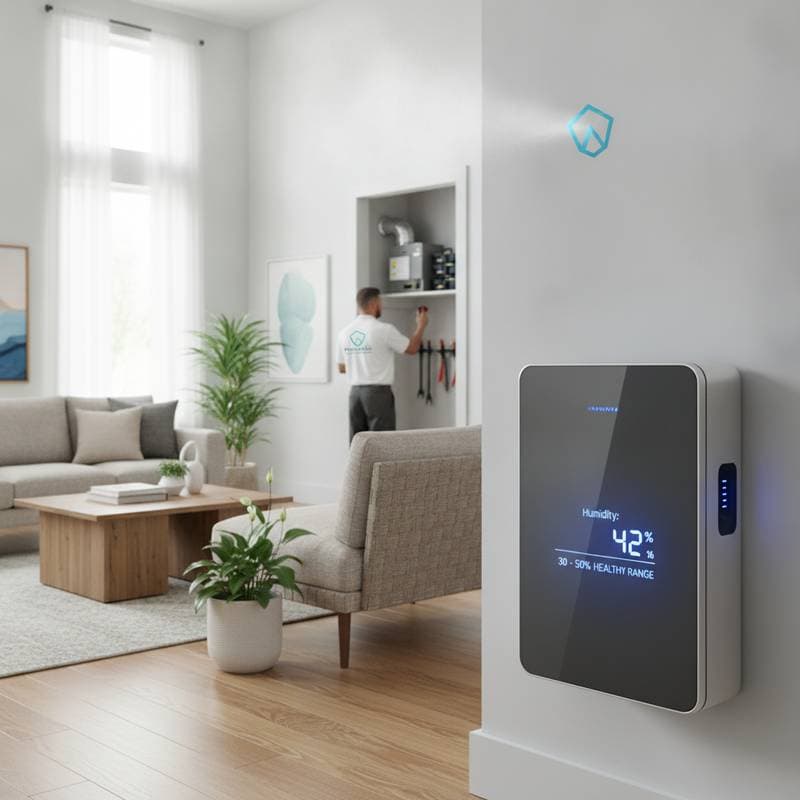
As an HVAC specialist, I advise incorporating variable-speed units or whole-home dehumidifiers to sustain humidity at 40 to 50 percent. This optimal range inhibits mold while preserving comfort and avoiding excessive dryness that might affect skin or wood surfaces.
Mechanisms of Modern Dehumidification Systems
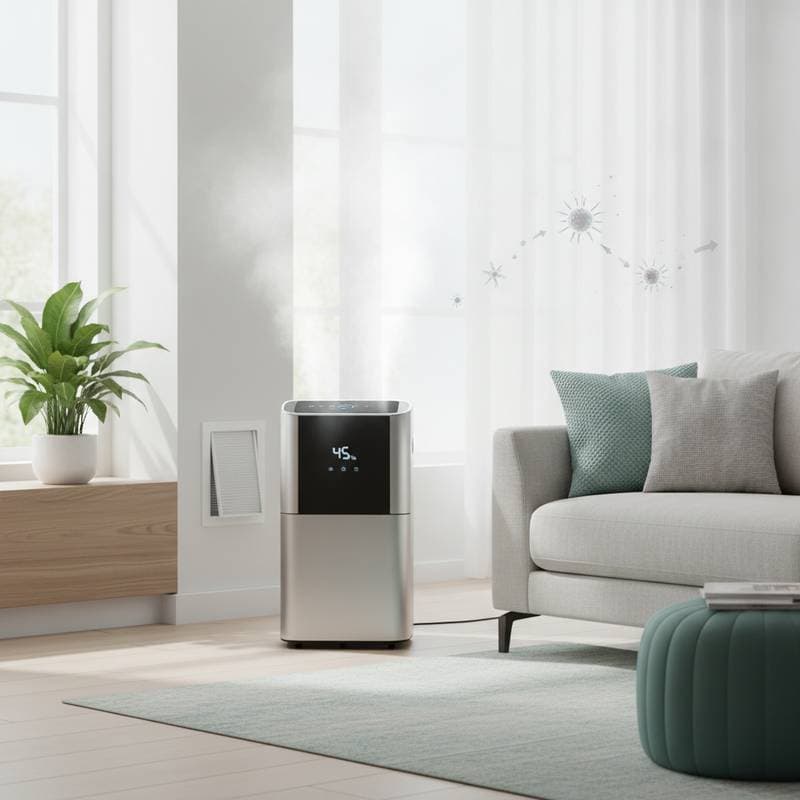
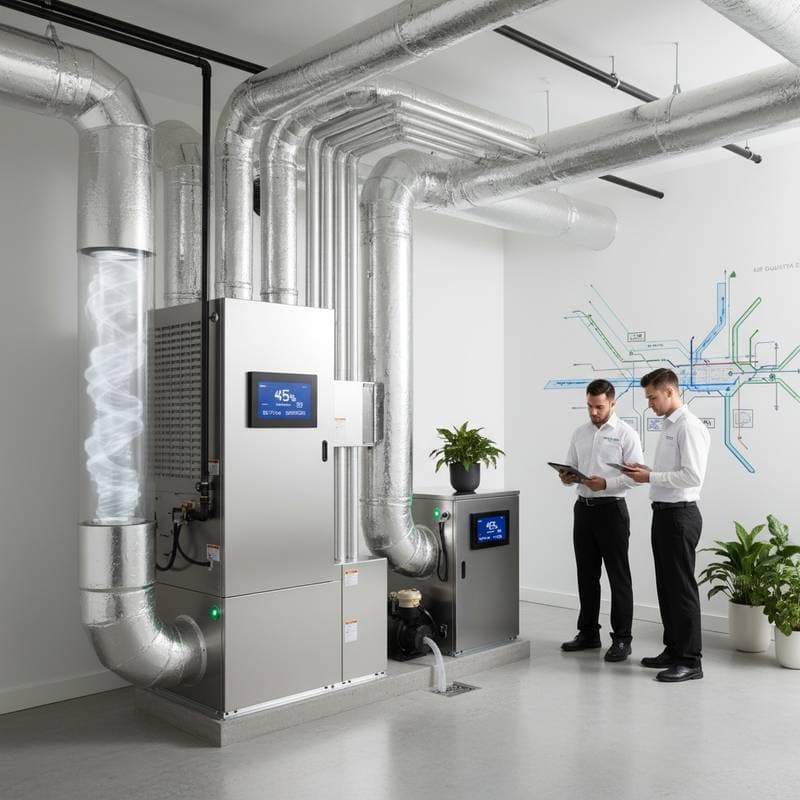
Contemporary HVAC dehumidification employs precise regulation. Beyond cooling cycles, these systems utilize sensors and adjustable fans for ongoing humidity oversight. Certain configurations include standalone dehumidifiers connected to ductwork, complementing the primary air handler.
The operational sequence generally includes:
- Humidity Monitoring: Sensors track indoor humidity and temperature continuously.
- Activation Protocol: Upon surpassing the humidity threshold, dehumidification engages.
- Vapor Condensation: Air flows over coils that convert water vapor to liquid form.
- Water Removal and Air Purification: Condensed moisture drains externally, while clean air recirculates.
- Consistent Circulation: Variable-speed fans ensure even distribution, minimizing temperature variations or stagnant areas.
Such systems foster equilibrium, averting window condensation, safeguarding furnishings, and neutralizing mold spores proactively.
Practical Strategies for Humidity Management
Optimal HVAC performance depends on diligent maintenance and usage. The following recommendations, drawn from professional practice, assist homeowners in controlling humidity year-round:
- Replace air filters every one to three months to sustain airflow and inhibit duct moisture accumulation.
- Examine condensate drains quarterly to clear potential blockages that might redirect moisture inward.
- Address duct leaks promptly, as they permit cool air to blend with humid external air in attics or crawl spaces.
- Operate exhaust fans in bathrooms and kitchens for at least 20 minutes after moisture-producing tasks.
- Arrange annual professional tune-ups to confirm sensor accuracy, coil cleanliness, and drain functionality.
Benefits in Efficiency and Air Quality
Sophisticated dehumidification HVAC units combat mold while enhancing operational efficiency. Balanced humidity makes air perceive as cooler at elevated temperatures, permitting thermostat adjustments upward by two to three degrees without discomfort. This modification reduces energy use by 10 to 15 percent. Lower humidity also alleviates compressor stress, prolonging equipment life and decreasing repair expenses.
Dr. Karen Holt, a certified indoor air quality specialist, stated, “Excess moisture ranks among primary indoor pollutant sources. Effective humidity control diminishes respiratory issues and allergen dissemination.” Consequently, families enjoy healthier living spaces, and systems operate more reliably.
Investment and Implementation Details
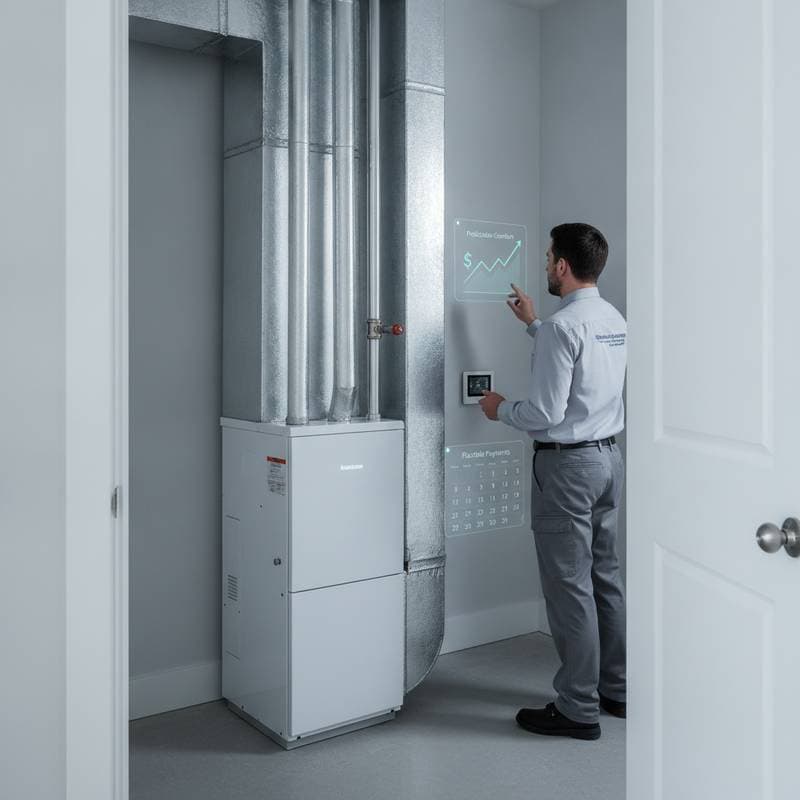
Costs for advanced dehumidification depend on configuration and property dimensions. Integrating a whole-home dehumidifier with current HVAC infrastructure ranges from $2,000 to $3,500, encompassing installation. Variable-speed systems with inherent humidity features span $5,000 to $9,000. Although initial outlays appear substantial, energy savings and avoidance of mold-related remediation often offset expenses within years.
Installation typically completes in one day, with extensions possible for extensive duct alterations. Select licensed, insured contractors versed in local regulations. Professionals conduct load assessments and secure drainage setups to avert complications.
Indicators Requiring Professional Intervention
Contact a reliable HVAC technician upon observing these signs:
- Ongoing musty smells adjacent to vents or basements
- Apparent mold on registers or window frames
- Damp indoor air despite active cooling
- Moisture beads on ducts or walls
- Inconsistent room temperatures
Portable devices or amateur adjustments seldom resolve underlying issues. Experts employ diagnostic equipment to evaluate airflow, refrigerant levels, insulation, and duct integrity contributing to excess moisture.
Steps to Secure a Mold-Resistant Home
Advanced dehumidification HVAC represents essential defense for enduring comfort and mold prevention. Precise humidity oversight protects structural integrity, air purity, and occupant well-being. Success hinges on selecting appropriate technology, upholding maintenance routines, and engaging knowledgeable specialists attuned to local conditions.
To establish a consistently comfortable and secure residence, consult certified HVAC professionals via americanairhvac.net. This platform links individuals with vetted experts for system evaluations, customized recommendations, and clear cost breakdowns. Professional support enables creation of a moisture-barrier sanctuary.
Frequently Asked Questions
Q: How often should I run my whole-home dehumidifier?
A: Most systems function automatically via humidity sensors. In high-humidity zones, operation may span several hours daily during peak periods to uphold 40 to 50 percent indoor levels.
Q: Can I add a dehumidifier to my existing HVAC system?
A: Yes. Numerous units connect seamlessly to current ductwork. A specialist assesses compatibility and integrates the addition with the existing air handler.