Humidity Control: The Wellness Revolution for Healthier Homes
As an HVAC professional, I have observed numerous homeowners contend with the sticky, heavy sensation during summer or the bone-dry conditions in winter that result in cracked skin and irritated airways. The matter extends beyond mere comfort. Moisture levels in the air influence health, the structural integrity of the home, and the efficiency of heating and cooling systems. In regions with variable climates, humidity control emerges as the essential element for fostering healthier, more efficient living environments.
The Hidden Problem in Your Air
Entering a home where the air feels clammy or stale reveals the consequences of inadequate humidity management. When indoor humidity exceeds 60 percent, mold spores proliferate, dust mites increase, and wood begins to warp. Conversely, levels below 30 percent lead to heightened static electricity, aggravated respiratory issues, and shrinking hardwood floors.
Many homeowners believe their HVAC systems regulate humidity automatically. Standard units primarily address temperature. Without specific humidification or dehumidification features, indoor conditions often deviate into uncomfortable and unhealthy territories. Research indicates that sustaining 40 to 50 percent humidity reduces airborne allergens and bacteria by as much as 30 percent, while enhancing respiratory well-being.
The Opportunity: Whole-Home Humidity Solutions
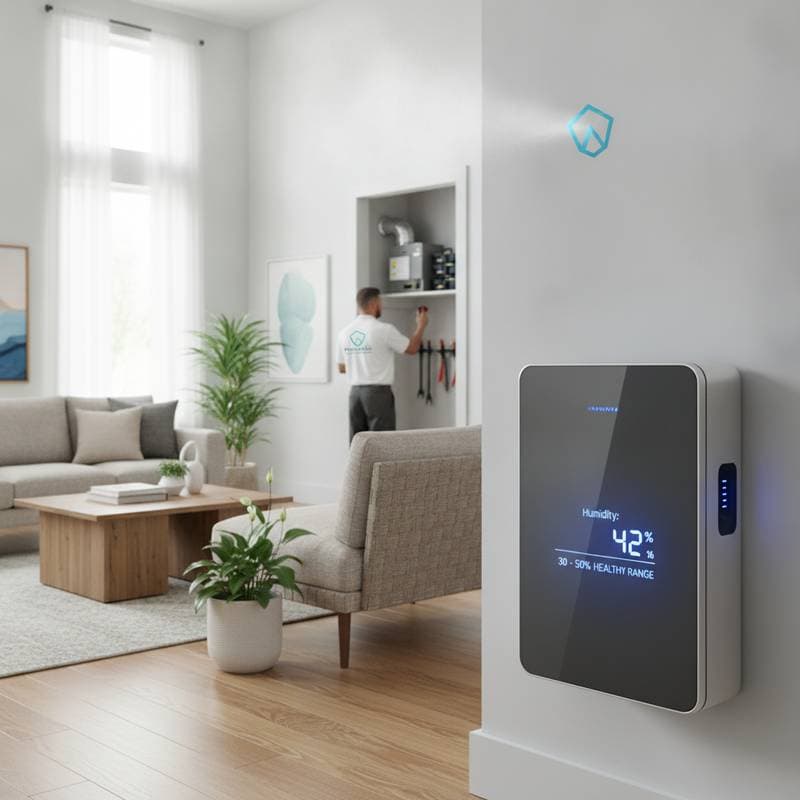
Advancements in humidity control redefine perceptions of comfort. Rather than depending on portable humidifiers or dehumidifiers, property owners now opt for integrated whole-home systems that connect to existing HVAC setups. These solutions monitor air quality continuously and adjust moisture levels to deliver uniform comfort across all rooms.
As an HVAC specialist, I advise considering humidity control integral to a comprehensive home health plan. A balanced setting bolsters immune function, safeguards wooden elements, and optimizes HVAC performance. Appropriate humidity renders air warmer in winter and cooler in summer, potentially decreasing energy expenses by 10 to 15 percent each year.
How the Technology Works
Whole-home humidifiers and dehumidification systems employ smart sensors and airflow regulation to sustain optimal conditions. Integration occurs via central ductwork, ensuring even distribution of treated air.
- Whole-home humidifiers introduce moisture during dry periods, such as heating seasons. Common types include steam, evaporative, and bypass models.
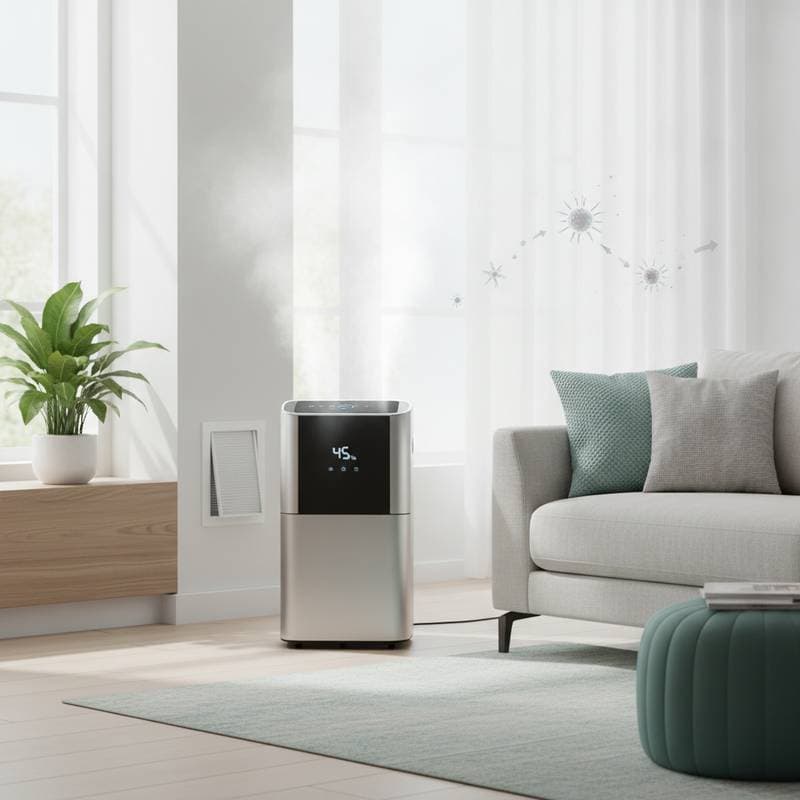
- Dehumidification systems extract surplus moisture in humid, warm weather. Air passes over a cooled coil, where water vapor condenses and drains away securely.
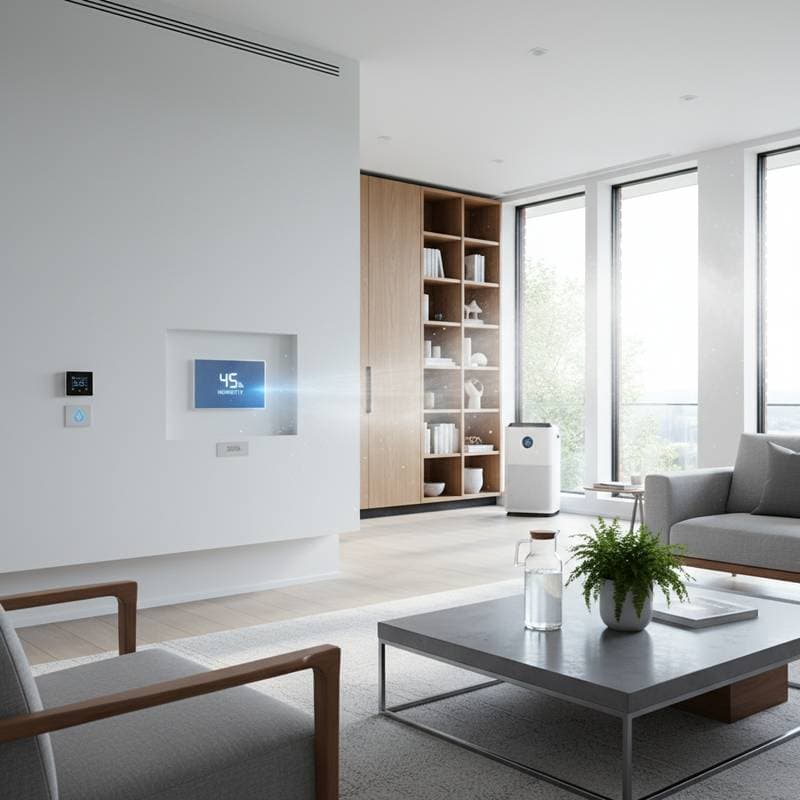
- Smart controllers monitor humidity, temperature, and air quality, making real-time adjustments for ongoing equilibrium.
Effective implementation depends on selecting units scaled to the home's size and local climate. Units that are too large or small may produce inconsistent outcomes or unnecessary energy use.
Expert Tips to Maintain Healthy Humidity Levels
Sustaining consistent comfort demands more than initial installation. Routine maintenance and vigilance maximize system performance.
Follow these practical steps:
- Monitor regularly. Employ a digital hygrometer to measure indoor humidity. Target 40 to 50 percent throughout the year.
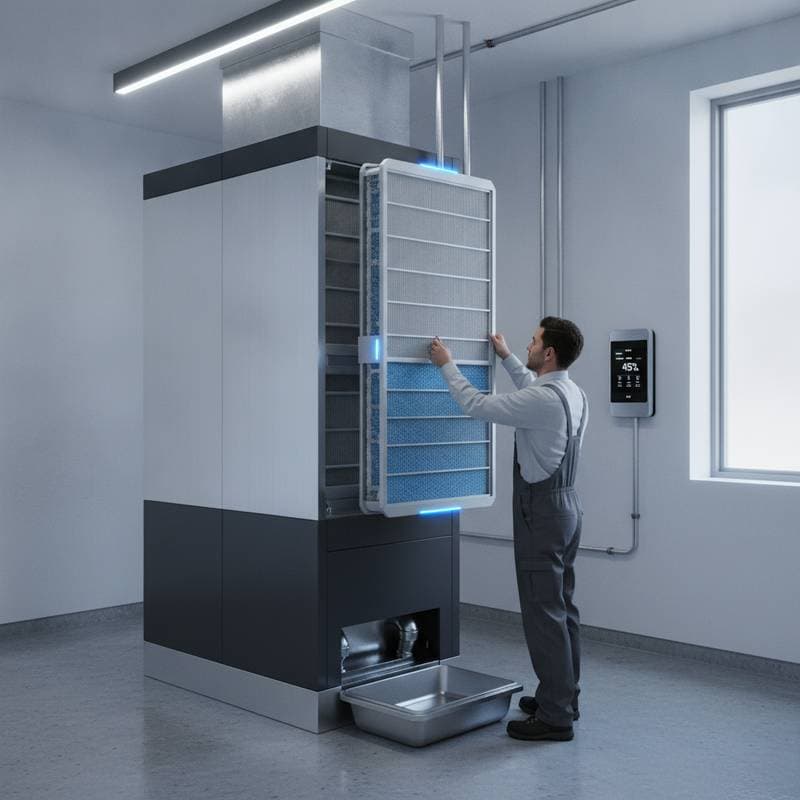
- Clean system components. Accumulation of minerals or dust on pads or coils diminishes efficiency. Examine and clean every few months.
- Check drainage. Verify that dehumidifier drain lines remain unobstructed to avoid backups or mold development.
- Replace filters. Swap air filters every one to three months to preserve airflow and block contaminant recirculation.
- Schedule tune-ups. Arrange professional checks prior to seasonal shifts to verify sensor and control board calibration.
Warning Signs of Unbalanced Humidity
Identifying early indicators of imbalance prevents expensive repairs and health concerns.
- Excess humidity: Condensation on windows, musty smells, and apparent mold.
- Insufficient humidity: Cracked paint, static discharges, dry nasal passages, or splitting wood.
- Variable comfort: Certain rooms feel damp while others seem arid, signaling possible duct leaks or system misalignment.
If these symptoms resonate, evaluate the humidity features of the current setup. A qualified HVAC technician can assess dew point and suggest climate-appropriate enhancements.
Practical Considerations: Cost, Efficiency, and Longevity
Installed whole-home humidifiers typically cost $500 to $1,500, whereas dehumidification systems range from $1,200 to $3,000 based on capacity. Though the upfront expense appears significant, benefits prove worthwhile. Lower utility costs, diminished allergy effects, and extended HVAC durability justify the investment over time.
Prioritize safety in all aspects. Faulty installation or water line management risks leaks or electrical problems. Professional involvement remains essential. Certified experts confirm compliance with codes and specifications for wiring, drainage, and airflow.
Models featuring variable speed fans and intelligent controls often qualify for rebates or incentives from utilities. Consult the HVAC provider regarding applicable programs in the region.
Steps to Achieve Balanced Indoor Air
Envision entering a home filled with fresh, energizing air regardless of the season. Skin remains comfortable, furnishings stay intact, and utility statements stabilize. Proper humidity control delivers these outcomes. With growing emphasis on wellness and sustainability, integrated humidification and dehumidification emerge as vital for healthy indoor living.
Field experience demonstrates that minor humidity adjustments can elevate home comfort rapidly. To manage the indoor climate effectively, contact a certified HVAC professional via American Air HVAC. Expect a complimentary consultation with customized advice aligned to unique requirements.
Balanced humidity constitutes a fundamental element for enduring comfort, health, and efficiency that benefits every homeowner.
Frequently Asked Questions
Q: How often should a whole-home humidifier or dehumidifier receive service?
A: Plan professional servicing twice annually, aligned with seasonal changes. Consistent upkeep avoids blockages and maintains sensor precision.
Q: Is it possible to install a humidity control system independently?
A: Portable devices suit do-it-yourself approaches, but whole-home integrations demand expert handling. Errors in wiring or drainage may result in water damage or electrical faults.
Q: What signs indicate the need for a dehumidification system?
A: Ongoing window condensation, persistent musty odors, or moist basements serve as clear signals. An expert evaluation of moisture levels provides confirmation.