Essential HVAC Strategies for Mold Prevention in 2026
As an HVAC professional, I have observed numerous homeowners facing concealed mold in ductwork or behind walls. A damp, musty odor typically emerges first, accompanied by allergy symptoms and a sense that the air lacks freshness. In areas prone to humid summers or heavy rainfall, excess moisture transforms homes into ideal environments for mold proliferation. Fortunately, a well-maintained HVAC system serves as a robust barrier when configured for effective humidity management.
The Critical Role of Humidity Regulation
Mold flourishes in moist conditions. When indoor humidity exceeds 60 percent, spores adhere to dusty surfaces, insulation materials, and vent interiors. Homeowners frequently overlook the moisture-removal capabilities of HVAC systems, relying solely on air conditioning. However, conventional cooling operations often retain lingering humidity, particularly in aging equipment or oversized units that cycle too briefly.
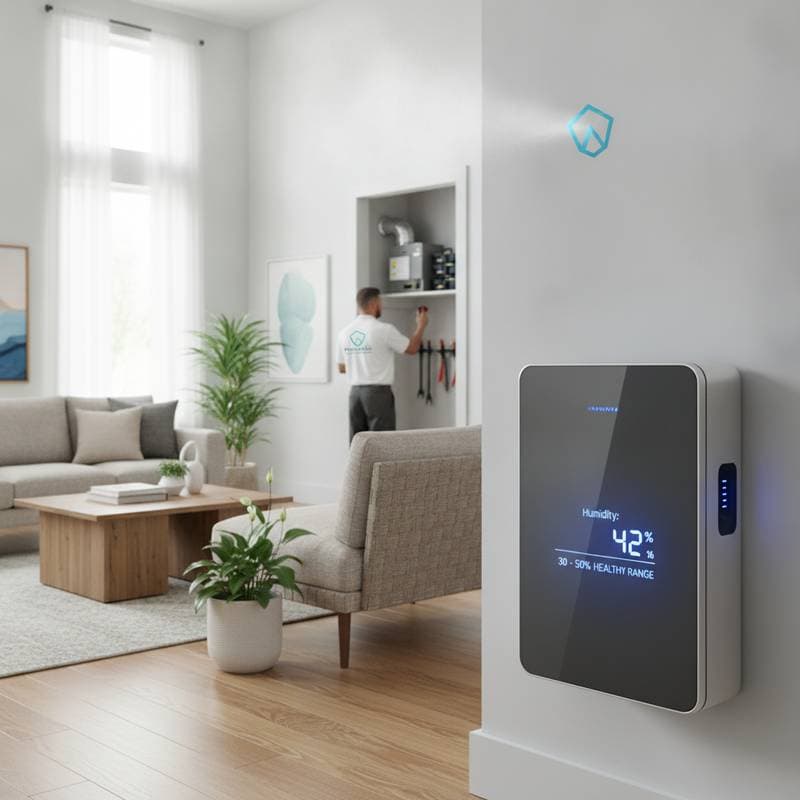
Experience in the industry reveals that residences with humidity levels of 40 to 50 percent benefit from superior air quality, fewer allergens, and extended HVAC durability. Elevated humidity not only nurtures mold but also erodes coils, distorts wooden elements, and overburdens compressors. Insufficient humidity may fracture furnishings and dry out nasal passages. Achieving equilibrium preserves both well-being and livability.
Identifying Indicators of Excessive Humidity
Condensation on windows, a persistent clammy sensation despite air conditioning operation, or enduring musty smells signal humidity imbalances. Additional indicators encompass:
- Peeling paint or wallpaper
- Dark patches on ceilings or vents
- Ongoing respiratory issues or allergic reactions
- A sticky residue on surfaces after cleaning
These cues precede visible mold development. Early detection averts substantial remediation expenses.
Leveraging HVAC Systems to Halt Mold Development
The HVAC system functions as the core of home climate regulation, distributing conditioned air and capturing contaminants. Targeted modifications and enhancements enable precise moisture oversight. Professionals advocate the following proven techniques.
1. Incorporate a Whole-Home Dehumidifier
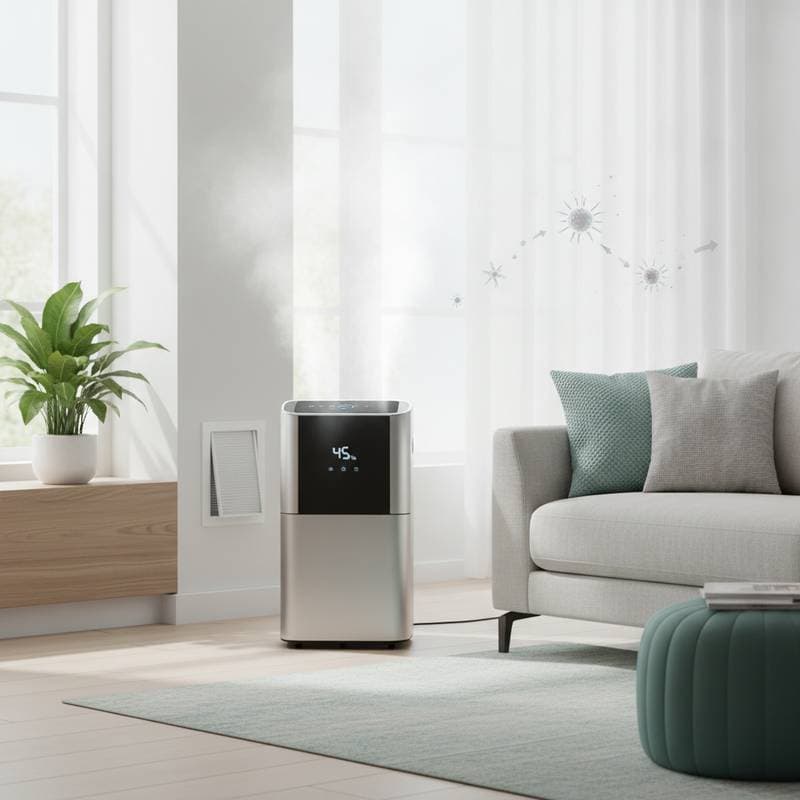
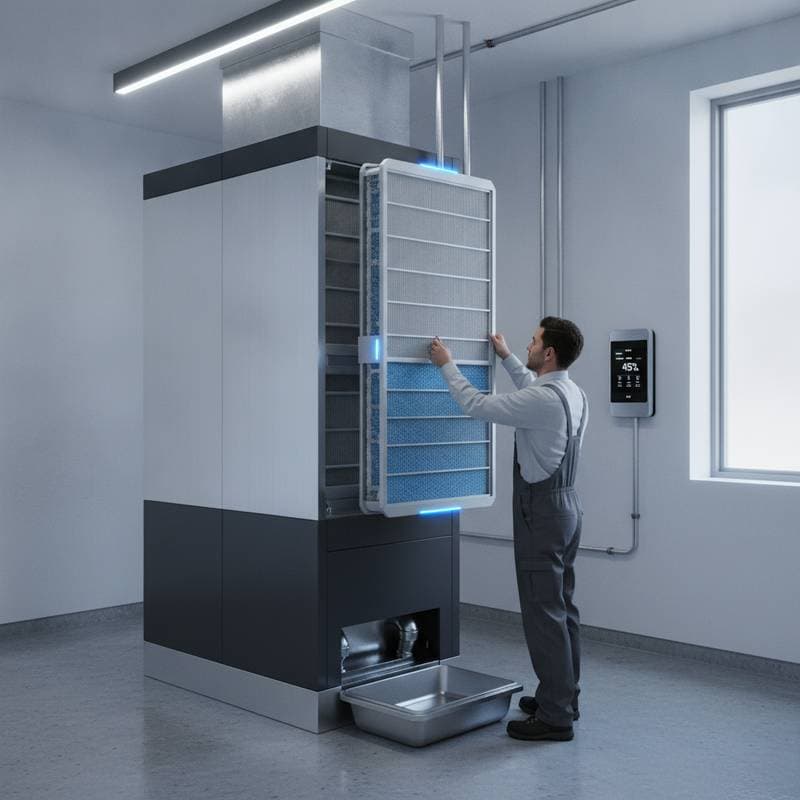
A whole-home dehumidifier integrates with HVAC ductwork to eliminate surplus moisture prior to air circulation. Unlike portable models limited to one area, this solution addresses the entire residence. Installation expenses range from $1,500 to $3,000, varying by capacity and capabilities. For humid climates, this addition reduces air conditioner workload and elevates air purity throughout the year.
2. Service the Condensate Drain Line Routinely
Air conditioners extract moisture during operation and direct it via a drain line. Blockages cause water accumulation within the system, fostering mold habitats. Flush the line every few months using a diluted vinegar and water mixture to clear debris. Disconnect power beforehand, and summon a technician if water pools in the drain pan.
3. Update Air Filters on Schedule
Air filters capture particles that sustain mold spores. Obstructed filters impede airflow and retain dampness, allowing spore accumulation. Select pleated filters with a MERV rating of 8 to 13 to balance capture efficiency and air movement. Replace them every one to three months, adjusted for household activity and environmental factors.
4. Address Duct Leakage
Leaking ducts draw humid air from attics or crawl spaces into conditioned areas. This inefficiency raises indoor moisture and escalates energy use. A certified inspection locates breaches, which sealants like mastic or foil tape repair. Costs between $400 and $1,000 yield savings on bills and purer air.
5. Deploy Smart Thermostats Equipped with Humidity Monitoring
Advanced thermostats track humidity in real time and modulate cooling to maintain optimal levels. Certain units coordinate with dehumidifiers or ventilators for refined regulation. This prevents excessive cooling that paradoxically sustains dampness.
Strategies for Sustained Mold Resistance
When implementing humidity controls, weigh expenses, upkeep, and benefits. Consider these professional insights:
- Cost projections: Simple tasks such as filter swaps and drain flushes cost less than $100. Comprehensive upgrades like dehumidifier integration or duct repairs involve greater outlay yet provide enduring advantages in efficiency and longevity.
- Efficiency gains: Reduced humidity permits higher thermostat settings without discomfort, potentially cutting cooling expenses by 10 percent.
- Expert involvement: Engage qualified HVAC specialists for tasks involving refrigerants, wiring, or structural modifications. DIY efforts risk mold dispersal and health hazards.
- Precautions: If duct mold is suspected, refrain from system activation pending evaluation. Operating it may disseminate spores home-wide.
Steps to Secure a Mold-Free Environment
Consistency underpins effective prevention. Schedule periodic inspections, replace filters promptly, and measure humidity regularly to build resilience. Should the system falter in comfort delivery, assess sizing or add dehumidification. Contact a certified professional for an assessment of moisture handling.
Industry experience underscores that humidity management safeguards structural integrity, air purity, and tranquility. Proper implementation yields revitalizing air circulation, even in oppressive weather. Initiate prevention through vigilance and intervention for lasting relief.
Frequently Asked Questions
Q: How frequently should indoor humidity be monitored?
A: Check levels weekly in high-season periods with a digital hygrometer. Target 40 to 50 percent to support comfort and deter mold.
Q: Does an air conditioner suffice for humidity control?
A: It contributes, yet proves inadequate in many cases. Brief cycles or oversized equipment retain moisture. Dehumidifiers supplement for reliable outcomes.