2026's Essential HVAC Upgrade: Achieving Optimal Home Humidity
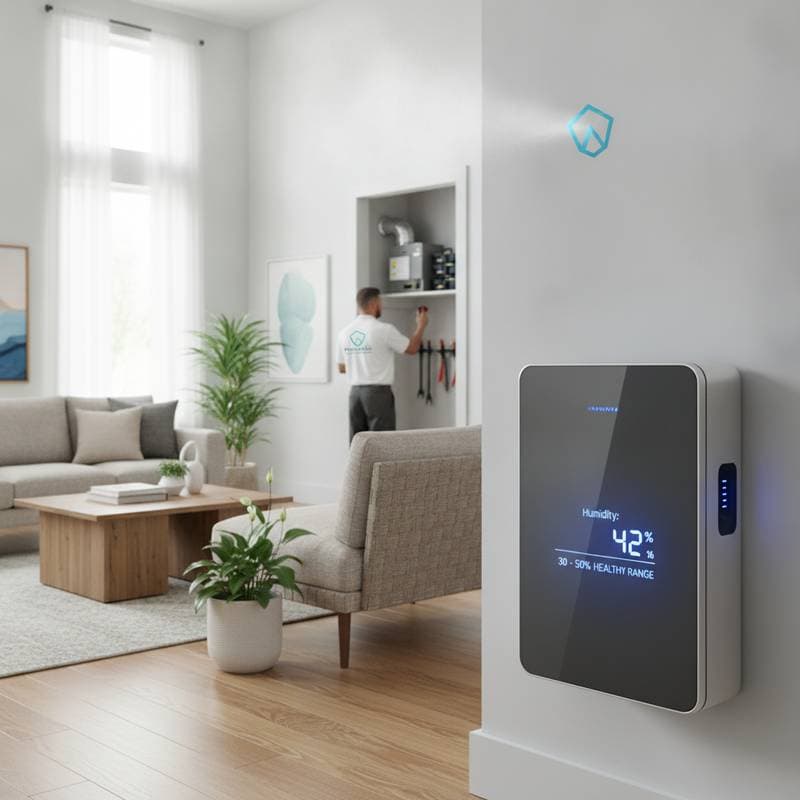
Homeowners frequently pursue ideal indoor conditions yet neglect a vital element: humidity. Even advanced air conditioners or efficient furnaces fail to deliver true comfort if indoor air remains excessively moist or arid. Imagine entering a living room on a humid afternoon where the cooled air still clings unpleasantly; this sensation stems from humidity imbalance, which influences daily home experiences.
The Crucial Role of Humidity in Indoor Comfort
Humidity extends beyond thermostat readings. It influences perceived temperature, HVAC performance, and structural integrity over time. Levels exceeding 60 percent foster mold proliferation, unpleasant odors, and wood deformation. Conversely, low humidity irritates skin, deteriorates furniture, and strains heating operations.
Field experience reveals that many assume standard HVAC units address humidity inherently. Most systems prioritize temperature, however, leaving moisture regulation incomplete. Whole-home dehumidifiers and dedicated controls address this gap effectively.
Enhancing Moisture Management with Advanced Solutions
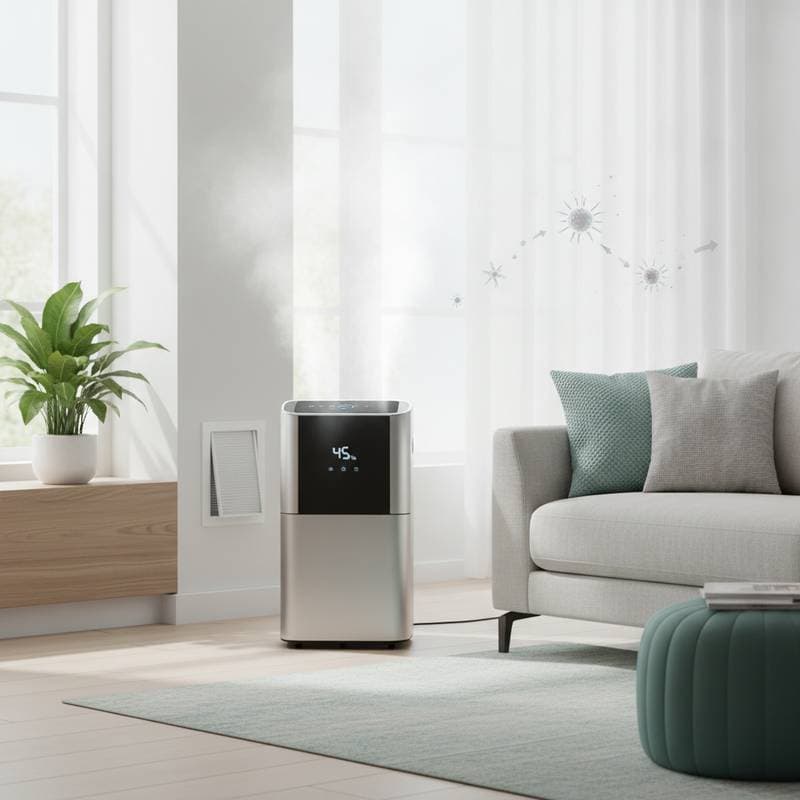
In humid climates, air conditioners incidentally dehumidify to a degree, yet lack precision. A whole-home dehumidifier connects to existing ducts, draws in humid air, removes excess vapor, and circulates equilibrated air house-wide. This delivers refreshing, uniform airflow and stable room conditions.
Experts advise these upgrades for homes with erratic comfort, rising energy costs, or persistent odors despite cleaning. Such installations can cut cooling expenses by up to 20 percent, as lower humidity allows higher thermostat settings without comfort loss.
Mechanics of Whole-Home Dehumidifiers
A dehumidifier serves as the core of humidity regulation, linking seamlessly to HVAC infrastructure for unobtrusive operation and home protection.
The process operates as follows:
- Air Intake: Humid air enters via return ducts.
- Moisture Extraction: Coils within the unit condense and isolate water vapor from the air.
- Drainage: Accumulated water exits through a dedicated line, avoiding manual intervention.
- Balanced Airflow: Treated air returns to ducts for comprehensive distribution.
This ongoing cycle maintains steady indoor conditions annually, eliminating summer stickiness and winter dryness.
Strategies for Maintaining Ideal Humidity Levels
Target 40 to 50 percent humidity with these proven methods:
- Install a smart thermostat equipped with humidity sensors for automated regulation.
- Seal and insulate ducts to block humid air infiltration.
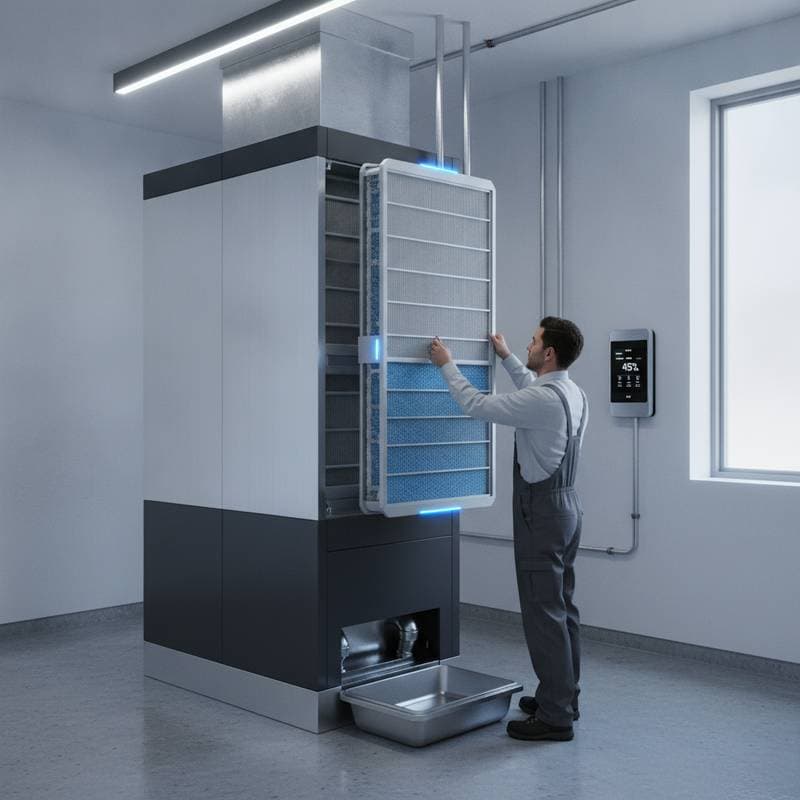
- Arrange annual tune-ups to clean coils and clear drainage paths.
- Employ exhaust fans in moisture-prone zones such as kitchens and bathrooms to curb spikes.
- Examine crawl spaces and basements for water accumulation or ventilation issues that exacerbate imbalances.
Key Factors in Dehumidifier Installation
Costs for whole-home units range from $2,000 to $3,500, depending on capacity and features. Entry-level models suit compact residences, while sophisticated versions incorporate sensors and adjustable fans for exact control.
Professional setup requires about half a day, involving HVAC specialists and electricians for wiring and drainage. Older systems might necessitate duct enhancements or additional vents for peak performance.
Prioritize safety by avoiding personal alterations to refrigerants or electrics. Certified installation ensures code adherence and warranty validity.
Benefits Extending Beyond Immediate Comfort
Humidity management safeguards long-term investments. Balanced environments preserve wood floors, cabinets, and delicate items like instruments. It also minimizes costly mold treatments.
Efficiency gains follow suit. Managed humidity reduces air conditioner runtime, easing component stress and utility demands. The upgrade recoups costs via savings and decreased maintenance.
HVAC specialist Dana Morris notes, "Once homeowners experience consistent humidity control, they rarely go back. It’s one of those upgrades that changes how you feel in your own home every day."
Steps to Implement Humidity Control
Address dampness, mustiness, or cooling inconsistencies by evaluating your setup. A technician assesses humidity, reviews ducts, and suggests appropriate sizing and models.
Consult vetted experts via americanairhvac.net for specialized integration of dehumidifiers and controls. Obtain obligation-free quotes customized to your climate and finances.
Post-installation, benefits appear swiftly: lighter air, quieter operation, and an invigorating atmosphere that embodies genuine comfort.
Frequently Asked Questions
Q: How often should a whole-home dehumidifier receive service?
A: Plan for yearly maintenance. Technicians clean coils, verify airflow, and clear drain lines for reliable function.
Q: Is self-installation of a dehumidifier advisable?
A: Professionals handle it best. The process entails electrical and duct integration, demanding licensed skills for safety and warranty.
Q: Does a dehumidifier raise energy costs?
A: Typically not. Reduced humidity shortens air conditioner cycles, potentially decreasing overall use by up to 15 percent.