Humidity Control HVAC for Effective Mold Prevention
Homeowners frequently discover mold growing behind walls, beneath floors, and within ductwork. The issue often begins with a persistent damp odor or small discoloration spots. Over time it develops into an expensive problem that affects both indoor comfort and respiratory health. Sticky indoor air during air conditioner operation usually signals elevated humidity that creates ideal conditions for mold.
Why Humidity Drives Mold Growth
Mold requires moisture levels above 60 percent to multiply quickly on drywall, carpet, and vent surfaces. Homes in humid climates face added challenges because outdoor air constantly introduces additional water vapor. Many air conditioning units cool effectively yet fail to remove enough moisture when the equipment is oversized or ventilation is inadequate.
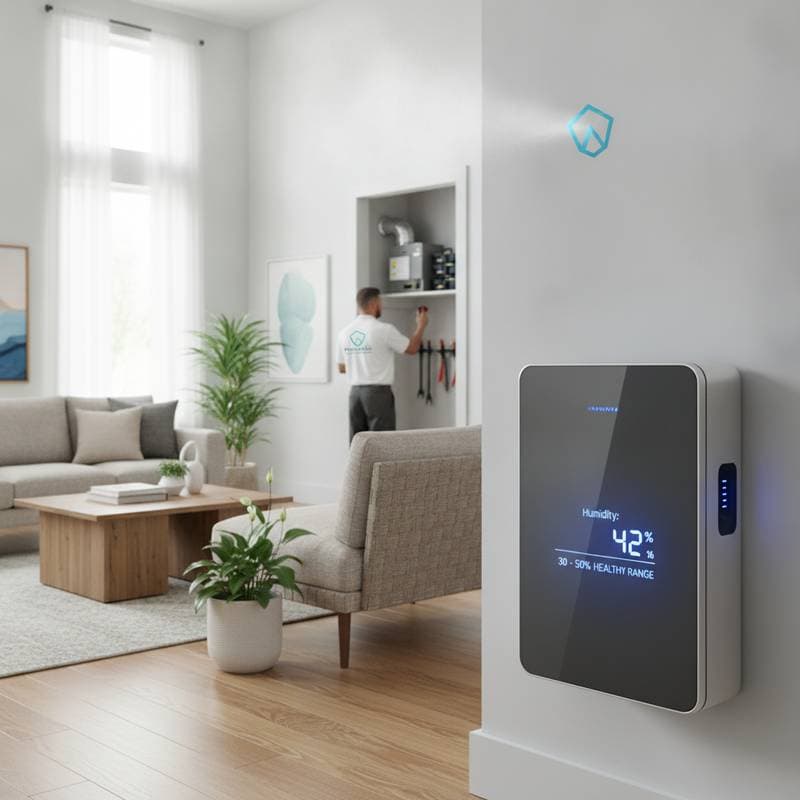
Maintaining indoor relative humidity between 40 and 50 percent prevents most mold colonies from establishing. Temperature control alone cannot achieve this balance. A complete system must address both sensible and latent loads with precision.
Modern Equipment for Reliable Moisture Management
Current HVAC designs incorporate variable-speed compressors, integrated sensors, and communicating thermostats that adjust operation based on real-time humidity readings. These components maintain steady conditions that inhibit mold formation while reducing energy use. Homeowners gain consistent air quality and lower long-term operating costs when humidity management is built into the comfort plan.
Whole-house dehumidification should be evaluated during any system upgrade. Properly sized equipment lowers allergen counts and allows occupants to feel comfortable at slightly higher thermostat settings.
Proven Steps to Maintain Proper Humidity Levels
-
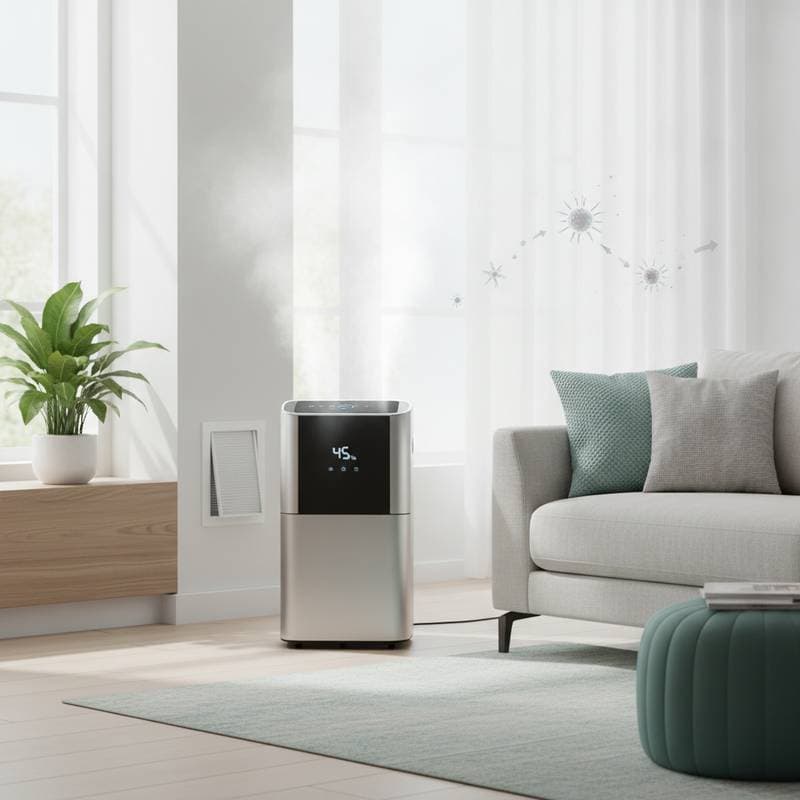
Add a whole-house dehumidifier. This unit integrates with existing ductwork and removes moisture from every conditioned space. Installation typically costs between 1500 and 3000 dollars. The result is quiet, uniform dryness without the noise or limited coverage of portable units.
-
Seal and insulate ductwork. Leaks pull warm, humid air into the system and create condensation inside walls. Professional sealing improves system efficiency by as much as 20 percent and eliminates hidden moisture sources.
-
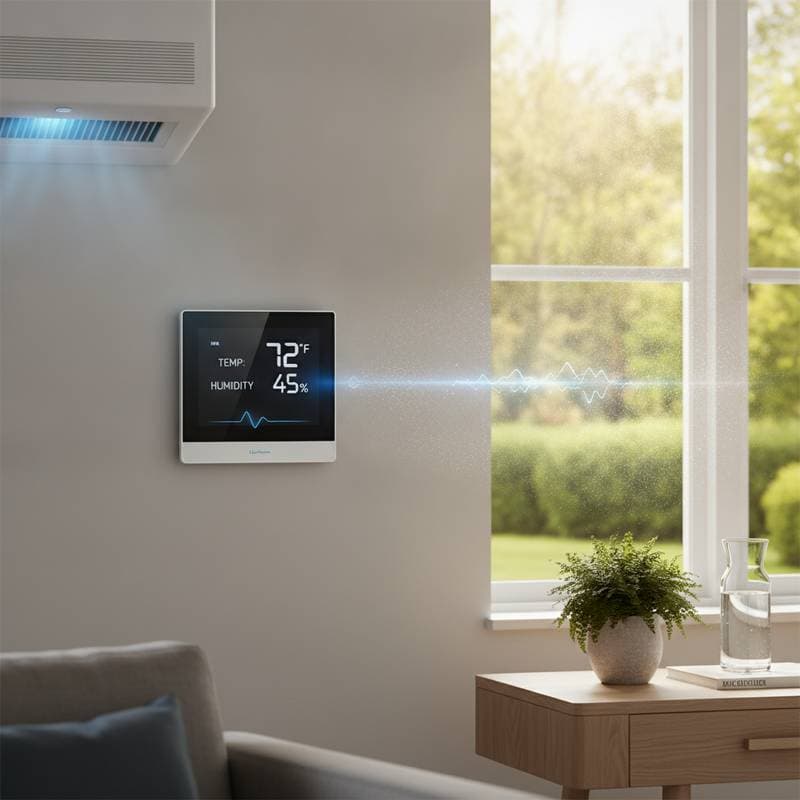
Install a thermostat with humidity sensing. Advanced models automatically slow blower speeds or activate dehumidification modes. These features maintain target humidity without repeated manual changes.
-
Schedule seasonal maintenance. Clean coils, unobstructed drains, and fresh filters keep the system operating at design capacity. Service visits twice each year prevent gradual performance loss that allows humidity to rise.
Additional Practices That Reduce Mold Risk
- Place a digital hygrometer in the main living area to track daily humidity trends.
- Operate kitchen and bath exhaust fans during and for 20 minutes after moisture-producing activities.
- Inspect crawl-space and basement insulation for gaps that permit ground moisture to enter.
- Use continuous low-speed fan settings on the air handler to eliminate stagnant air pockets.
- Repair roof, window, and plumbing leaks promptly to stop new water intrusion.
Planning an Effective Upgrade
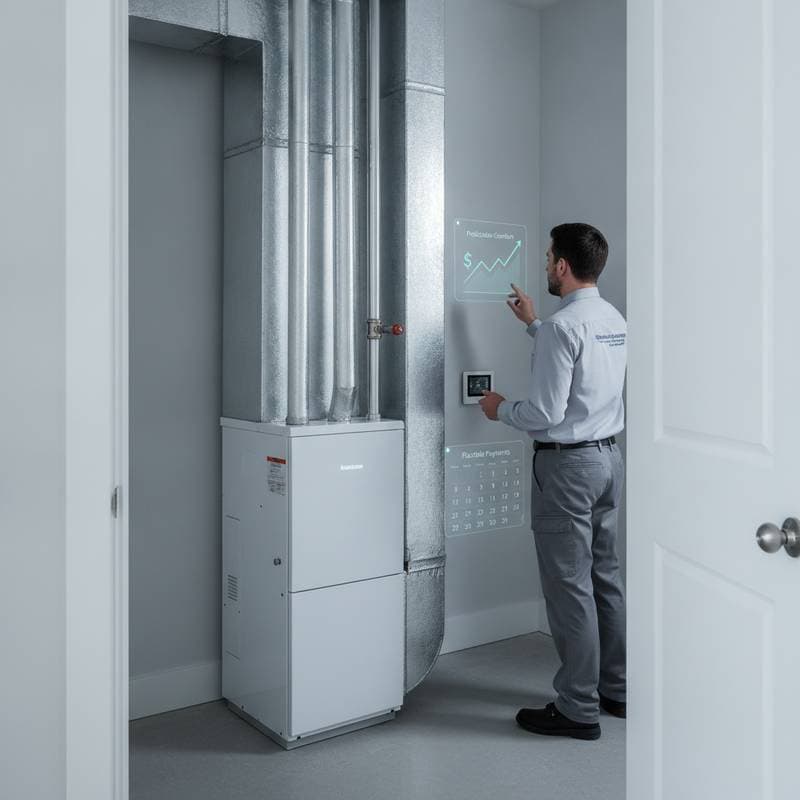
System sizing, local climate data, and existing duct layout determine the best equipment choices. A qualified technician performs a Manual J load calculation and moisture assessment before recommending solutions. Most whole-house installations require one day or less and include proper condensate drainage and electrical connections.
Licensed professionals must handle refrigerant and high-voltage work to meet safety codes. When mold has already spread through ducts or insulation, certified remediation specialists should address the contamination before new equipment is installed.
Achieving Consistent Indoor Comfort
Balanced humidity produces air that feels fresh and clean regardless of outdoor conditions. Homeowners who incorporate dedicated moisture control experience fewer respiratory irritants, lower energy bills, and reduced risk of structural damage. Contact a qualified HVAC contractor to evaluate current humidity levels and identify the most suitable upgrades for long-term protection.