2026's Top HVAC Upgrade: Whole-Home Dehumidification
As an HVAC professional, I have seen countless homeowners struggle with sticky indoor air that feels warmer than it should. You set your thermostat to a comfortable temperature, yet the air still clings to your skin and your air conditioner never seems to stop running. In many regions with humid climates, this remains one of the most persistent comfort challenges. Technology has advanced, and whole-home dehumidification is quickly becoming the leading HVAC upgrade for homes that seek year-round comfort and efficiency.
Why Humidity Control Matters More Than Ever
High humidity does more than create discomfort. It also adds stress to your HVAC system and can quietly damage your home. When humidity levels climb above 60 percent, your air conditioner works harder, your indoor air feels warmer, and mold can begin to grow in walls or ductwork. Over time, this creates musty odors, warped wood, and health risks for those with allergies or asthma.
From years in the field, I have seen how unmanaged humidity can shorten an air conditioner lifespan by several seasons. Without proper moisture control, your air conditioner becomes the default dehumidifier, which it was never designed to be. The result includes higher energy bills, frequent maintenance calls, and uneven comfort across your home.
The Promise of Whole-Home Dehumidification
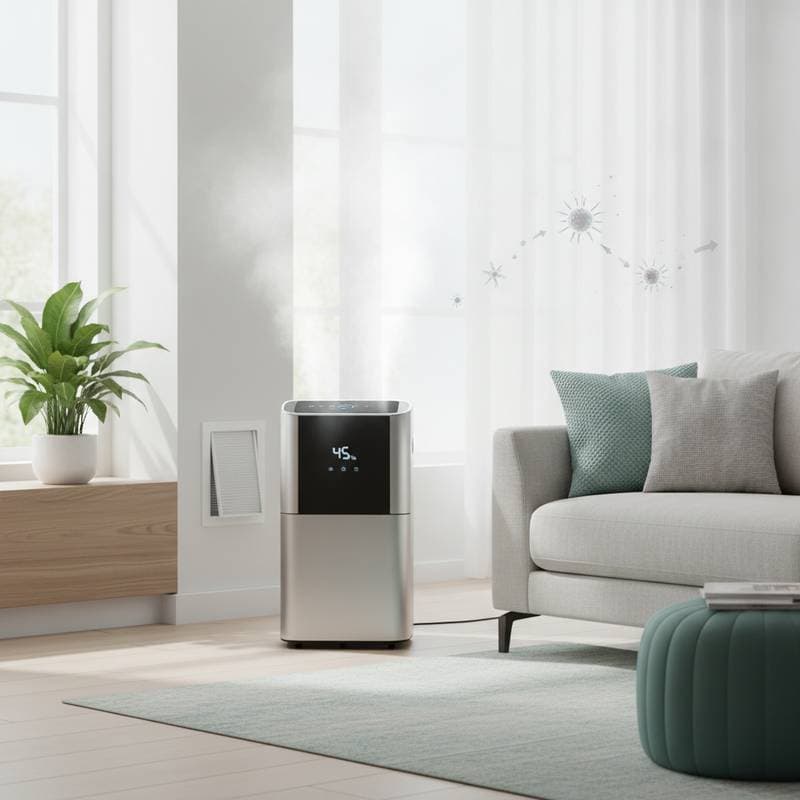
A whole-home dehumidifier integrates directly into your HVAC system to maintain ideal humidity levels throughout your living space. Unlike small portable units, these systems treat every room evenly by pulling excess moisture from the air before it circulates through your ducts. You notice crisp airflow, fewer hot spots, and a more balanced temperature across each floor.
As an HVAC expert, I recommend this upgrade to homeowners who deal with muggy summers, damp basements, or persistent indoor odors. The key to success lies in pairing the right dehumidifier size with your existing HVAC setup and ensuring professional installation for consistent airflow and drainage.
Expert Steps to Implement Whole-Home Dehumidification
-
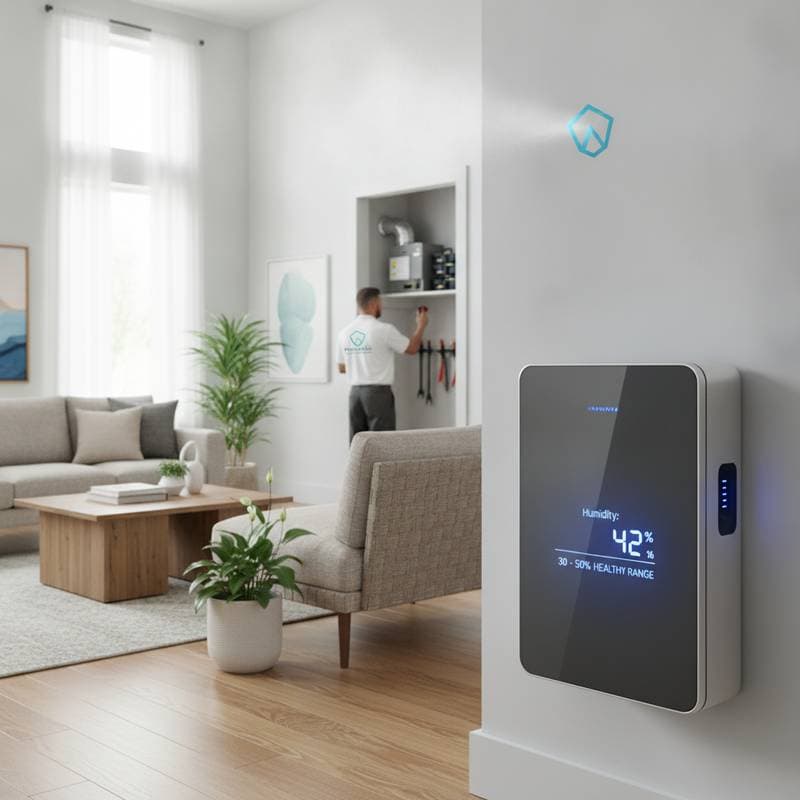
Assess Indoor Humidity Levels
Start with a hygrometer to measure your home relative humidity. Ideal indoor humidity sits between 40 and 50 percent. If levels regularly exceed that range, your system is likely working overtime. -
Inspect Ductwork and Airflow
Before adding a dehumidifier, have a technician inspect your ducts. Leaks or blockages can prevent balanced airflow and reduce the system ability to manage moisture effectively. -
Select a Compatible System
Look for models that connect directly to your central HVAC return. Some systems include smart controls that automatically adjust humidity based on real-time data. -
Schedule Professional Installation
Whole-home dehumidifiers require proper drainage and electrical connections. Professional installation ensures safety, code compliance, and peak performance. -
Test and Calibrate
Once installed, your technician should monitor humidity levels for several days to confirm consistent results throughout your home.
Key Benefits You Notice Right Away
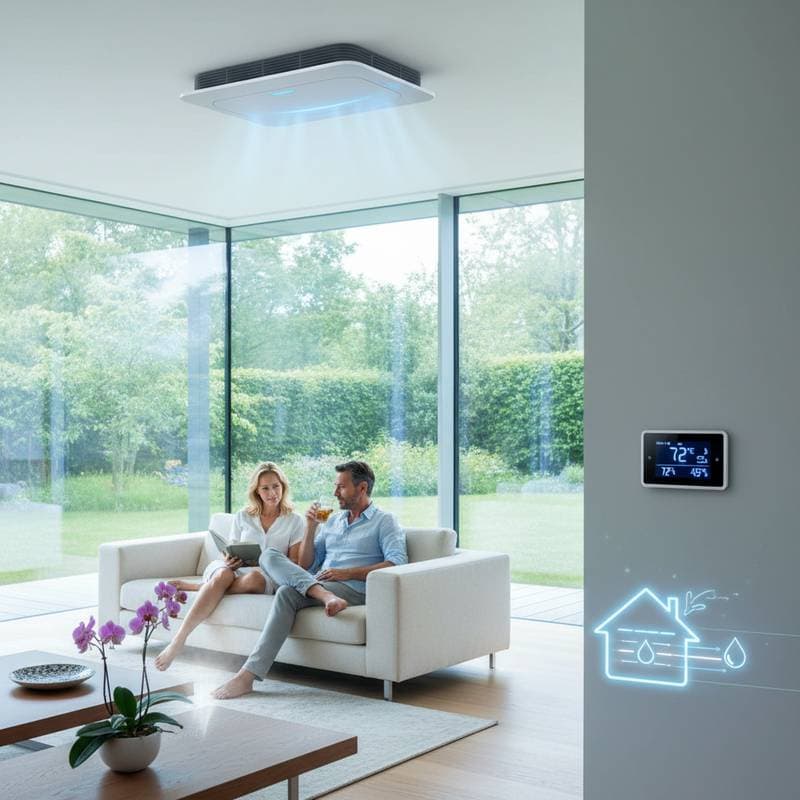
- Improved Comfort: The air feels cooler at higher thermostat settings, which reduces energy use.
- Energy Efficiency: Balanced humidity can lower cooling costs by up to 15 percent.
- Healthier Air: Proper humidity discourages mold growth and dust mites.
- Longer HVAC Life: Reduced strain on your air conditioner extends its lifespan.
- Preserved Materials: Wood floors, furniture, and drywall remain stable without swelling or cracking.
Practical Considerations Before You Upgrade
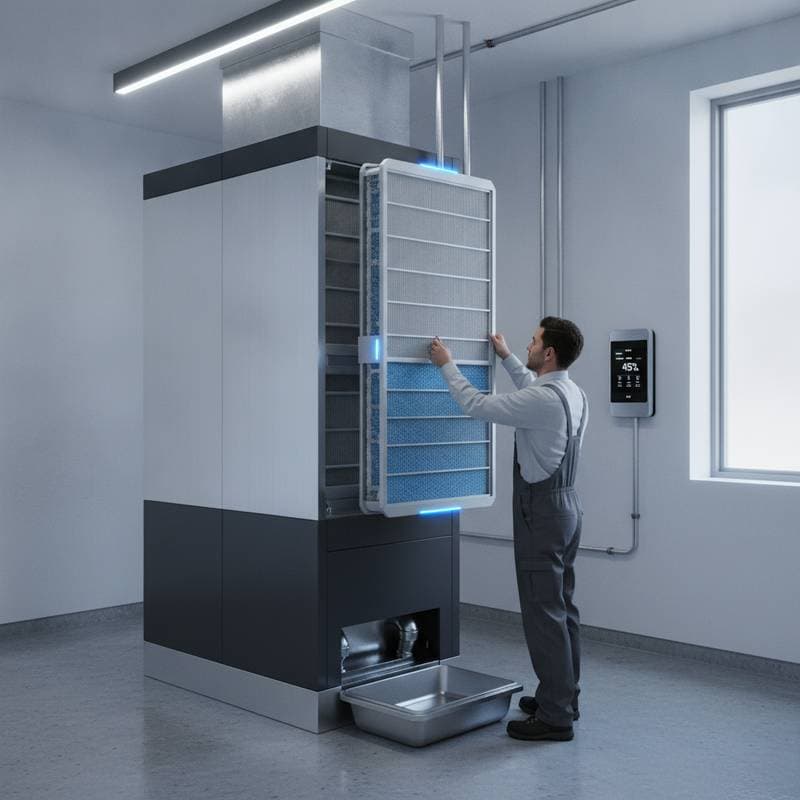
Whole-home dehumidifiers typically cost between 1200 and 2500 dollars, including installation. The investment pays off quickly when you account for reduced air conditioner usage and fewer maintenance calls. Some homeowners report lower allergy symptoms and better sleep quality after installation. Maintenance is simple and requires only filter cleaning and drainage checks twice a year.
Safety should never be overlooked. Always ensure that your unit drain line is clear and directed to a proper outlet to prevent water damage. Avoid DIY installations, as improper wiring or airflow configurations can lead to performance issues or electrical hazards.
Local building codes may require specific drainage methods or electrical permits. Choosing a licensed contractor ensures compliance and protects your warranty. As technician Carla Nguyen said, A dehumidifier is only as good as its installation. The right setup can make the difference between steady comfort and constant service calls.
Next Steps for Homeowners
If your home feels clammy or your cooling bills keep climbing, it is time to consider a whole-home dehumidifier. This upgrade transforms your HVAC system from a reactive machine into a proactive comfort solution. You enjoy steadier temperatures, cleaner air, and a lighter load on your air conditioner.
Contact a vetted HVAC expert for a no-obligation quote. Specialists match you with local professionals who understand your region climate challenges and can design a system that fits your budget and comfort goals. A balanced home climate supports year-round well-being.
Frequently Asked Questions
Q: How often should a whole-home dehumidifier be serviced?
A: Schedule maintenance twice a year, typically alongside your regular HVAC tune-ups. This ensures drainage, filters, and sensors remain in top condition.