2026 HVAC Breakthrough: Humidity Control Revolution
As an HVAC professional, I have observed numerous homeowners grappling with the persistent sticky and clammy sensation in the air, even when the thermostat indicates a comfortable temperature. Individuals may adjust the thermostat lower in search of relief, yet the underlying issue is not temperature. It is humidity. In regions characterized by hot and muggy summers or damp winters, regulating indoor moisture levels has long required careful management. Recent advancements, however, are transforming this process. The latest humidity control systems promise to enhance indoor comfort and efficiency in manners that surpass the capabilities of conventional air conditioners.
Why Humidity Matters More Than You Think
Humidity influences personal comfort and the operational integrity of a residence. When indoor moisture exceeds 60 percent relative humidity, the air feels warmer, surfaces develop a sticky residue, and mold thrives in conducive conditions. Conversely, humidity below 30 percent leads to dry skin, wood contraction and cracking, and increased static electricity. Through extensive field experience, I have encountered residences where air conditioners operated continuously yet failed to address persistent dampness. The deficiency lay not in cooling capacity but in moisture regulation.
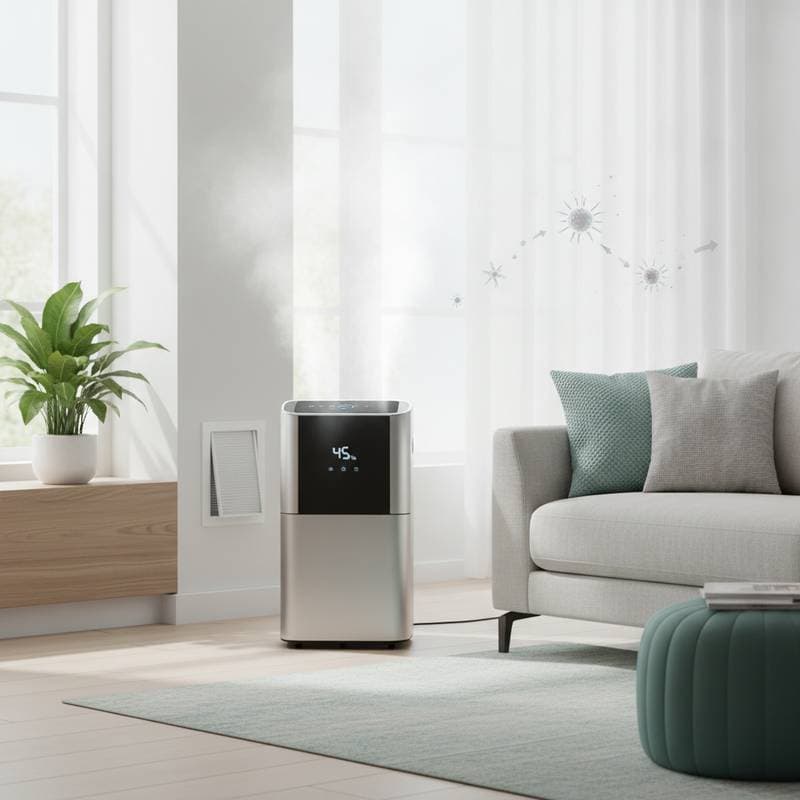
The forthcoming humidity control systems address this concern directly. Rather than depending on air conditioners for incidental dehumidification, these advanced HVAC units incorporate intelligent sensors, adaptive airflow mechanisms, and specialized dehumidification components to sustain optimal moisture levels. Such features deliver consistent comfort, superior air quality, and reduced energy consumption.
How the New Technology Works
Central to this innovation are variable-capacity compressors paired with sophisticated humidity sensors. These components monitor real-time environmental conditions and modify operations accordingly. Envision an HVAC system that functions akin to a responsive entity, continuously calibrating to preserve equilibrium. The technology removes excess moisture effectively without excessive cooling, thereby minimizing compressor stress and electricity usage.
A further advancement involves desiccant-based dehumidifiers, which employ proprietary materials to capture and expel moisture with exactitude. When integrated with intelligent thermostats, these elements synchronize with the primary HVAC framework. The result is an environment that maintains a crisp quality without undue chill and a cozy atmosphere free from mugginess.
Expert Tips to Maximize the Benefits
For those considering an upgrade, the following strategies optimize the performance of humidity-control technologies.
- Assess your home’s moisture profile. Engage a professional to quantify humidity in various areas. Basements, bathrooms, and kitchens frequently exhibit the most significant variations, often reaching 70 percent or higher during peak seasons.
- Select a system featuring dual-stage or variable-speed functions. These configurations operate at reduced speeds for extended durations, enhancing moisture removal by up to 20 percent compared to single-stage units.
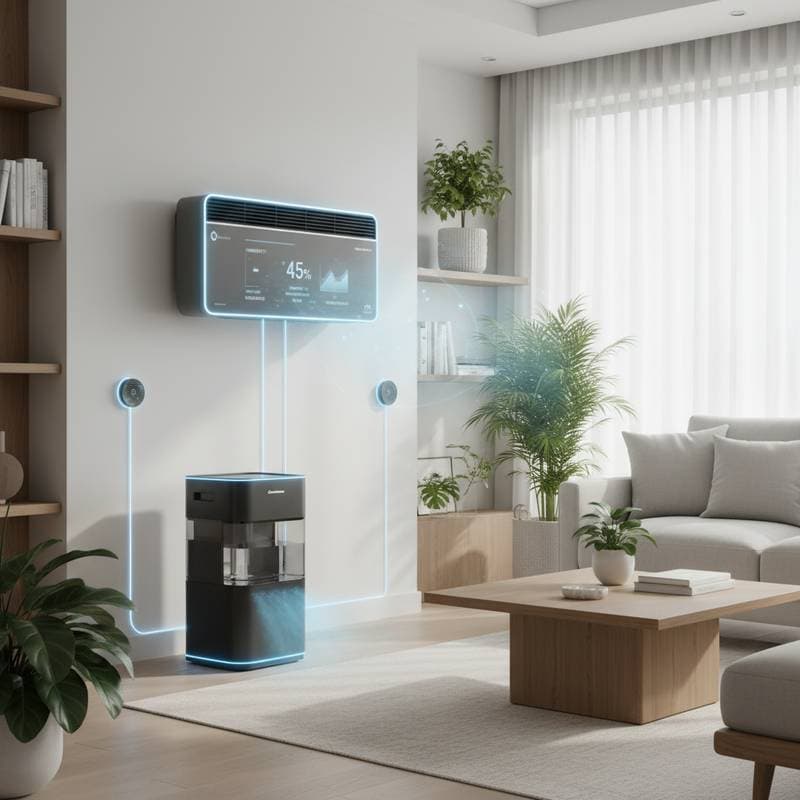
- Incorporate smart controls. Connect the HVAC system to a thermostat equipped with humidity detection, enabling automatic adjustments to fan velocity and cooling intensity based on predefined thresholds.
- Verify adequate ventilation. Optimal systems require unobstructed airflow. Inspect ductwork for leaks, which can increase humidity retention by 15 percent, and clear any blockages promptly.
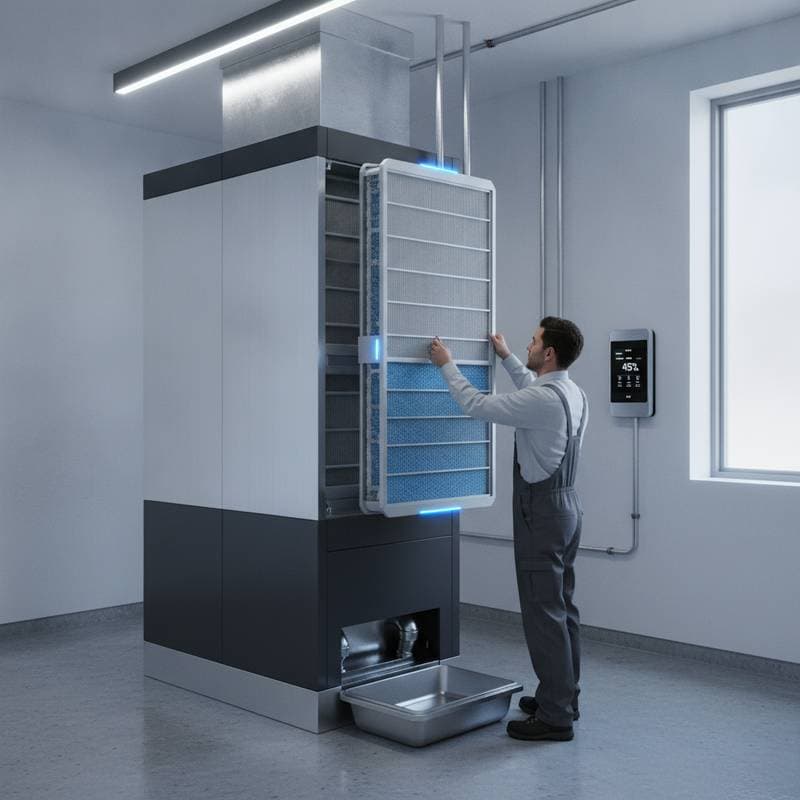
- Arrange regular seasonal maintenance. Professional tune-ups ensure evaporator coils remain free of debris and sensors maintain calibration, preventing inaccuracies in moisture readings that could lead to inefficiency.
Common Warning Signs of Poor Humidity Control
Neglecting humidity imbalances can result in expensive structural damage. Remain vigilant for these indicators:
- Visible condensation forming on windows, walls, or pipes during mild weather
- Persistent musty smells emanating from basements or crawl spaces
- Warping in hardwood floors or blistering and peeling exterior paint
- Heightened allergy symptoms, such as sneezing or congestion, linked to poor air quality
Should these signs appear, the existing HVAC configuration may prove inadequate or obsolete. As an HVAC specialist, I advise conducting an indoor air quality evaluation prior to impending seasonal changes. This proactive measure equips the system to sustain equilibrium amid fluctuating conditions.
Practical Considerations for Homeowners
Regarding expenses, sophisticated humidity control remains accessible. A comprehensive whole-home dehumidification installation generally costs between $1,500 and $3,000, scaled to unit capacity and system integration. Accounting for energy reductions of 10 to 25 percent and diminished air conditioner wear, the investment recoups within three to five years. Moreover, these setups avert repair costs from moisture damage, which can exceed $5,000 for mold remediation or structural fixes.
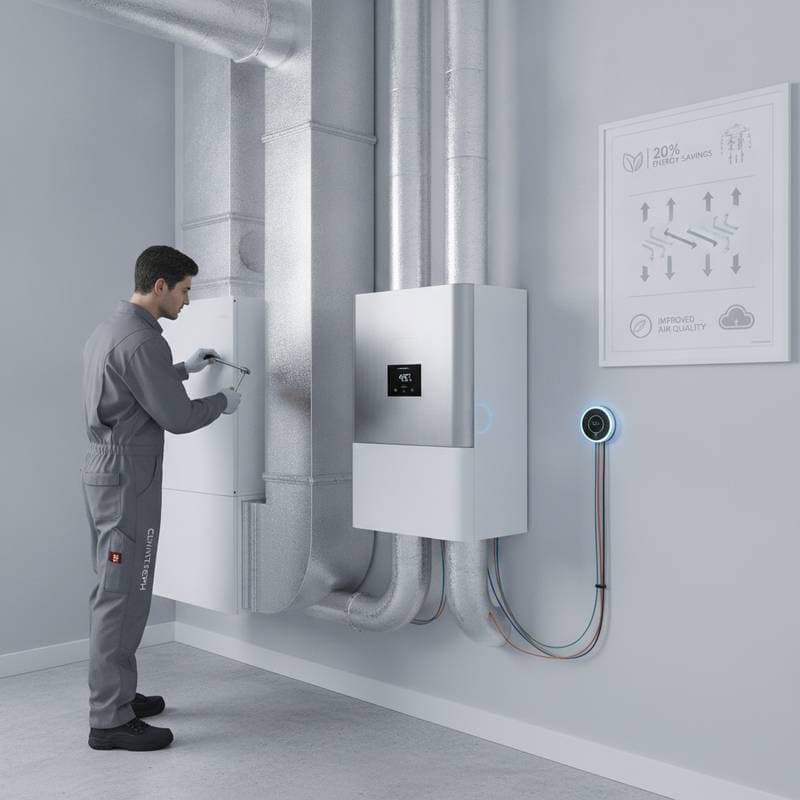
Safety and regulatory adherence demand attention. Installations involving refrigerants or electrical alterations require certified HVAC technicians. Confirm that selected equipment complies with local codes, such as those from the International Mechanical Code, and adheres to efficiency benchmarks like SEER2 ratings above 16. Numerous modern systems qualify for utility rebates or federal tax credits under energy conservation programs; inquire with contractors about eligibility to offset initial outlays.
Making It Happen
Transitioning to a humidity-optimized HVAC system represents a pivotal enhancement to residential comfort. The advantages extend beyond mechanics to perceptible improvements in daily living. Air circulates lighter and fresher, invigorating occupants throughout the day. Structural elements like furniture and flooring endure longer under balanced conditions, while utility statements reflect the heightened efficiency. Success hinges on aligning the system with the unique moisture dynamics of the property, including regional climate patterns and construction materials.
To initiate the process, consult a qualified HVAC professional via trusted networks for a complimentary assessment. Receive tailored guidance informed by your home’s architecture, local weather, and desired outcomes. With appropriate implementation, attain the seamless operation of dependable comfort that defines an ideal living space.
Frequently Asked Questions
Q: How does a humidity control system differ from a regular air conditioner?
A: Standard air conditioners incidentally remove moisture during the cooling process, but dedicated humidity control systems actively track and adjust moisture through specialized sensors and variable-speed mechanisms for precise regulation.