Humidity-Smart HVAC: Perfect Auto Climate Control
As an HVAC professional, I have observed numerous homeowners facing a persistent issue. The air conditioner operates continuously, the thermostat indicates an ideal temperature, yet the indoor environment remains sticky or clammy. This sensation typically stems from humidity. In many residences, temperature regulation alone proves insufficient. A comprehensive system must detect moisture, adapt dynamically, and maintain an optimal indoor climate automatically. Humidity-smart HVAC systems deliver this capability.
When Comfort Slips Beyond Temperature
The discomfort becomes evident upon entering the space. The air may feel cool, but it carries a heavy or damp quality. In regions with high humidity, this occurs frequently during extended warm periods when moisture accumulates. Even efficiently calibrated systems falter if they lack specific humidity management features. Field observations indicate that elevated indoor humidity can elevate perceived temperatures by up to five degrees, compelling the air conditioner to operate more intensively and increasing energy expenses by as much as 20 percent.
Excessively low humidity presents equivalent challenges. In arid conditions, static electricity, skin irritation, and damage to wooden floors manifest readily. As an HVAC specialist, I emphasize that humidity influences more than mere comfort. It impacts health, energy consumption, and structural integrity. Mold proliferates when relative humidity exceeds 60 percent, whereas prolonged dryness warps wooden elements. Achieving equilibrium represents the essential strategy, rather than solely cooling or heating the air.
The Shift Toward Adaptive Climate Control
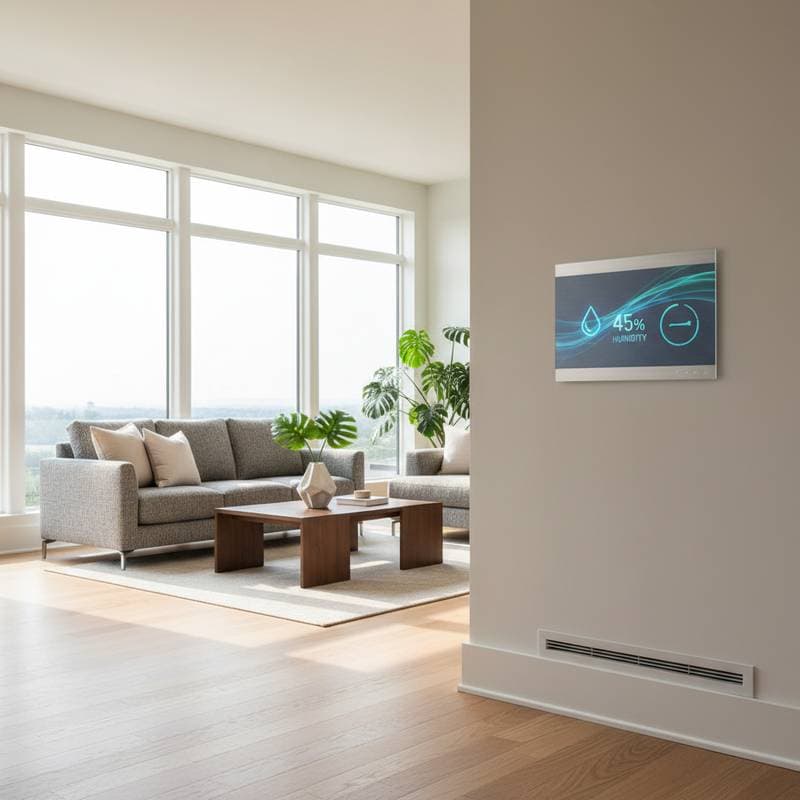
Contemporary HVAC systems demonstrate significant advancement. Conventional thermostats prioritize air temperature, whereas humidity-smart systems incorporate sensors for both temperature and moisture. These components exchange data perpetually, modulating blower velocities, compressor operations, and ventilation to sustain a consistent environment. Consider it an intelligent mechanism attuned to the home's patterns.
Through extensive field experience, I have witnessed homeowners realize substantial energy reductions via humidity-sensing controls. Certain models identify variations as minute as one percent in relative humidity, reacting promptly to preserve crisp, comfortable air. This innovation elevates the HVAC system to a genuine auto climate controller, refining conditions without requiring ongoing manual intervention.
How Humidity-Smart HVAC Systems Work
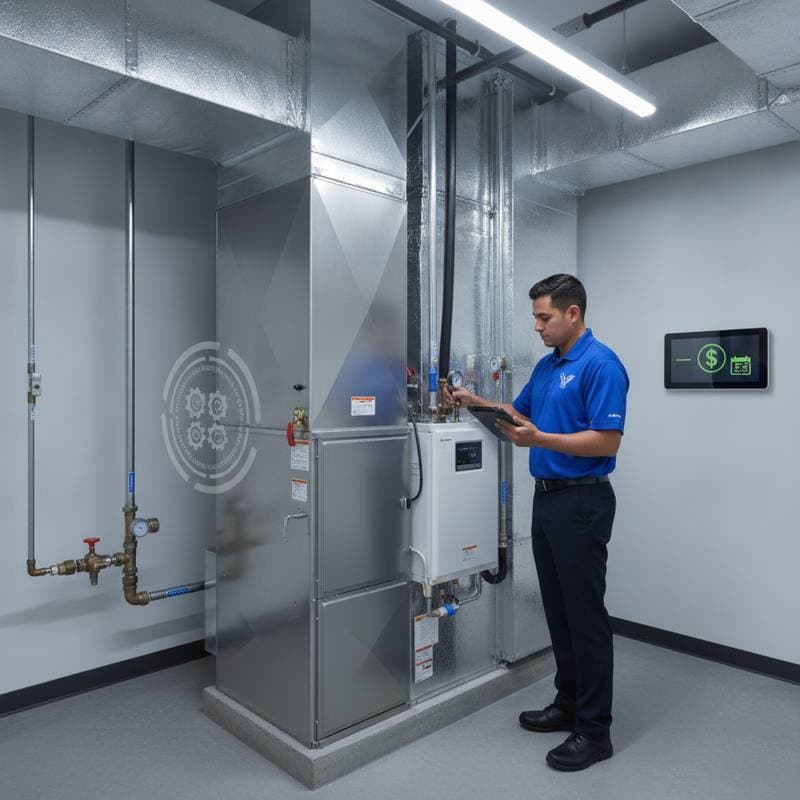
A humidity-smart HVAC system integrates sensors, controls, and mechanical elements that respond astutely to environmental shifts. The following outlines its fundamental operations:
-
Moisture Sensing: Integrated hygrometers monitor indoor humidity levels without interruption. They transmit information to the central control unit, which processes the data instantaneously.
-
Adaptive Response: Upon detecting humidity surpassing the desired threshold, the system escalates cooling operations or initiates dehumidification. In cases of excessive dryness, it reduces blower speed or activates a humidifier.
-
Smart Integration: Numerous systems link with intelligent thermostats, enabling humidity monitoring and adjustments via mobile applications. This connectivity also facilitates energy consumption tracking.
-
Balanced Airflow: By regulating fan speeds and air distribution, these systems eliminate temperature inconsistencies that disrupt uniform comfort.
View the HVAC system analogously to an automobile engine. Absent continuous feedback and calibration, efficiency diminishes. Humidity-smart systems establish this feedback mechanism, guaranteeing that every area remains within optimal parameters.
Expert Tips to Maximize Performance
Realizing the full potential of a humidity-smart HVAC installation demands appropriate equipment, precise setup, upkeep, and adjustment. The subsequent recommendations stem from professional practice:
-
Optimize System Sizing
An excessively large unit cools rapidly without adequately extracting moisture. A unit that is too small operates excessively and may fail to attain target humidity. Engage a specialist to conduct a load calculation for precise sizing. -
Calibrate Sensors Correctly
Humidity sensors may lose precision over time. Annual professional servicing confirms reliability and steady operation. -
Maintain Clean Coils and Filters
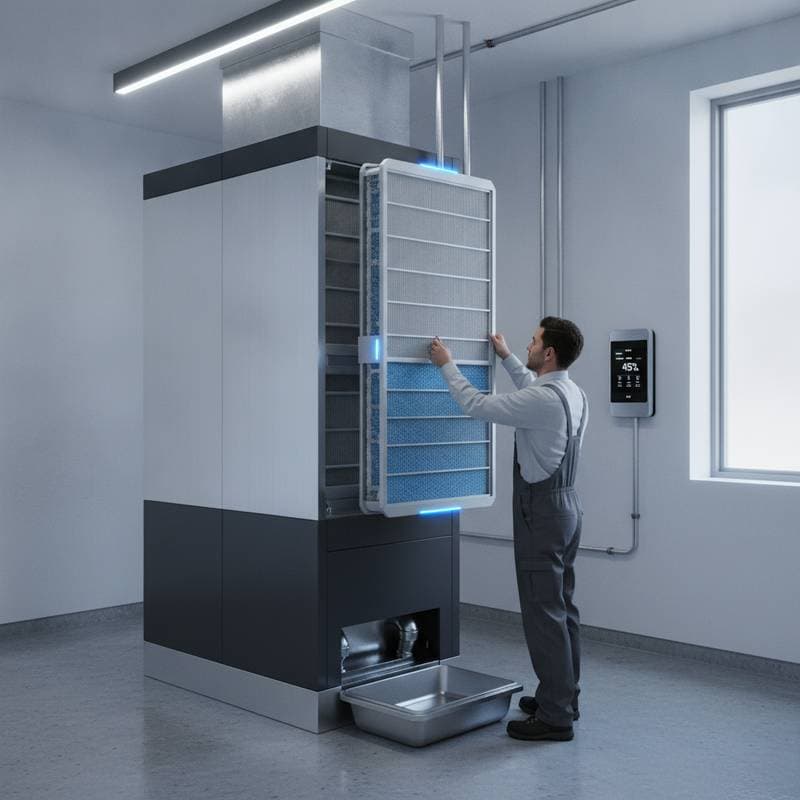
Accumulated debris on coils and obstructed filters impede airflow, compromising dehumidification. Replace or clean filters monthly during peak usage. -
Check Drainage Systems
Condensate lines expel moisture generated in cooling processes. Blockages hinder effective dehumidification. Perform regular inspections and flushes. -
Use Zoned Control When Possible
Multi-zone homes gain from localized humidity regulation, averting imbalances in particular spaces.
Practical Considerations and Costs
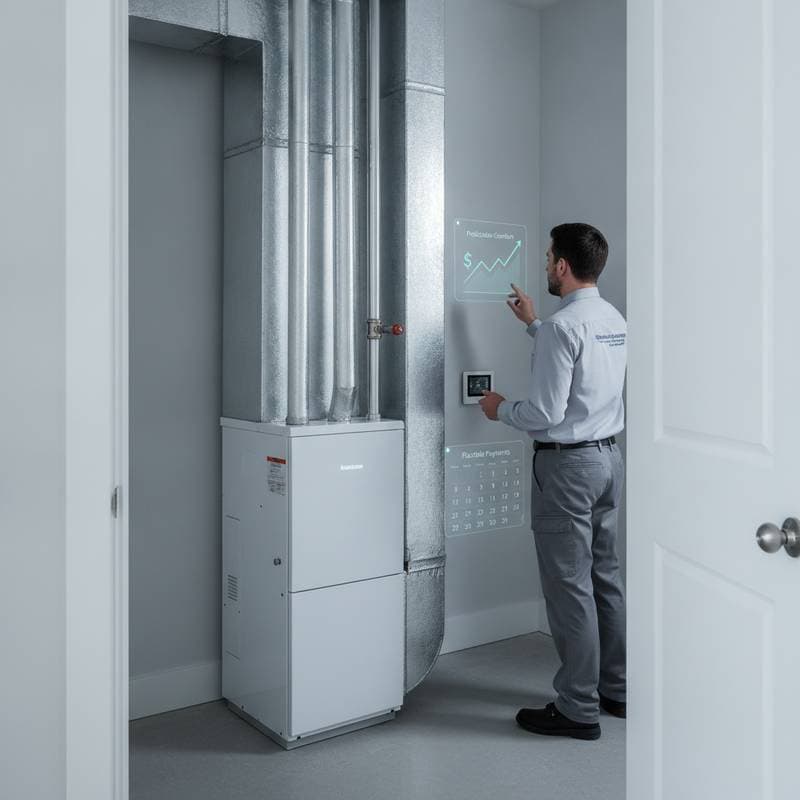
Incorporating humidity-smart features often proves economically viable. Upgrading an current HVAC with a smart thermostat and sensor typically ranges from $300 to $800. Replacing the entire system with sophisticated adaptive technology falls between $5,000 and $9,000, influenced by capacity and manufacturer. Energy bill reductions, decreased equipment stress, and enhanced comfort frequently recoup investments within several years.
Potential adopters may question the value of this upgrade. Based on practical outcomes, the benefits extend to sustained comfort and tranquility. Systems featuring humidity integration achieve 10 to 20 percent annual utility savings while upholding air quality. Eligibility for energy rebates or tax credits often mitigates initial expenditures further.
Health and Home Protection Benefits
Humidity management extends beyond comfort to preserve health and property. Excessive dampness fosters allergens like mold and dust mites. Extreme dryness irritates airways, prompting nosebleeds or persistent coughs. Optimal humidity promotes respiratory health and restorative sleep.
HVAC consultant Laura Greene states, “Maintaining relative humidity between 40 and 50 percent helps keep microorganisms in check while protecting wood surfaces and electronics.” This equilibrium also averts condensation on surfaces, mitigating potential structural damage.
Choosing the Right Humidity-Smart System
System selection hinges on regional climate, residence dimensions, and comfort objectives. Key alternatives include:
-
Integrated HVAC Units: Equipped with inherent sensors and automation, these suit new constructions.
-
Add-On Dehumidifiers or Humidifiers: Suitable for modifications where comprehensive replacement proves unfeasible.
-
Smart Thermostats with Humidity Control: Compatible with legacy equipment, offering app-based precision.
-
Whole-House Ventilation Systems: Options such as energy recovery ventilators balance moisture efficiently.
Each variant presents distinct advantages and limitations. Professional evaluation of insulation, structure, and current setup proves essential. Contact certified experts for assessments and quotes.
Making It Happen
Transitioning to humidity-smart HVAC elevates daily living. Steady comfort emerges, alongside diminished allergens and reduced expenses. The atmosphere turns lighter and more invigorating. Reliable operation instills confidence in environmental mastery.
Initiate the process with a specialist humidity evaluation. Technicians pinpoint deficiencies, suggest tailored solutions, and execute secure installations. Refrain from managing refrigerants or electrical systems independently, as such tasks demand certification.
Frequently Asked Questions
Q: How do I know if my home needs humidity control?
A: Musty smells, window condensation, or persistent stickiness despite air conditioning signal elevated humidity. Static electricity or skin dryness indicate insufficient moisture.
Q: Can I retrofit my existing HVAC system with humidity-smart technology?
A: Affirmative. Contemporary thermostats and sensors integrate seamlessly with established systems.
Q: What is the ideal humidity level for comfort and health?
A: Experts advocate 40 to 50 percent relative humidity. This range curbs mold, safeguards furnishings, and ensures year-round comfort.
Q: How often should humidity sensors be checked or replaced?
A: Include verification in yearly maintenance routines. Most endure for years, with calibration upholding precision.
Q: Will humidity-smart systems save on energy costs?
A: Yes. Efficient operation curtails overcooling and equipment strain, yielding 10 to 20 percent reductions and prolonging system durability.