Humidity-Controlled HVAC for Effective Allergy Relief
Homeowners often face persistent allergy symptoms indoors even when outdoor pollen counts drop. Humidity levels play a central role in these issues. Modern systems address this by maintaining precise moisture balance throughout the living space.
Why Humidity Levels Matter for Allergy Control
Humidity above 50 percent encourages dust mites, mold, and bacteria to multiply rapidly. Levels below 40 percent dry nasal passages and heighten sensitivity to irritants. Consistent readings between 40 and 50 percent reduce these risks and support clearer breathing.
This range prevents surfaces from developing musty conditions while preserving comfort. Systems achieve stability through continuous monitoring rather than fixed settings.
Common Problems from Poor Humidity Control
Several indicators reveal humidity imbalances before they become severe. Homeowners frequently report persistent congestion, window condensation, and musty odors in specific rooms. Wood surfaces may swell or crack, and visible mold can appear near vents.
Regions with humid summers or damp basements experience faster escalation of these issues. Standard cooling equipment often removes insufficient moisture, leaving conditions unchanged.
How Humidity-Controlled HVAC Systems Work
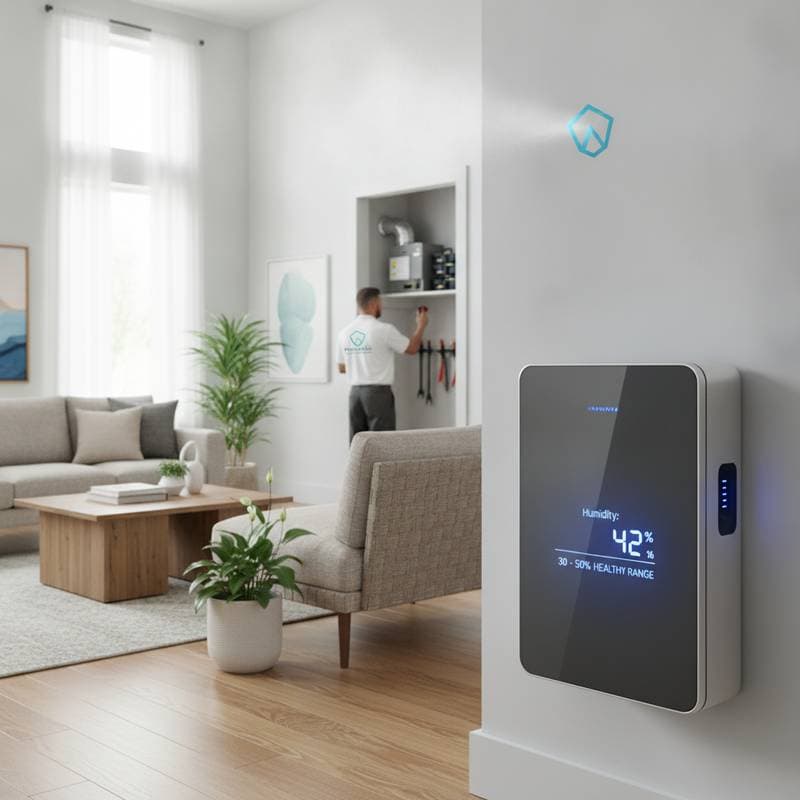
These systems combine sensors with variable-speed components to adjust moisture in real time. A smart thermostat tracks both temperature and relative humidity, triggering humidifiers or dehumidifiers as needed. During elevated summer moisture, dehumidification cycles increase automatically. In dry winter periods, gentle moisture addition restores balance.
Benefits for Allergy Relief
Stable humidity delivers multiple direct improvements. Mold and dust mites lose favorable growth conditions. Air filters capture particles more efficiently when moisture remains consistent. Nasal passages stay hydrated, easing respiratory effort.
Residents often notice cooler perceived temperatures at moderate thermostat settings, which supports lower energy consumption. Equipment experiences reduced wear from moisture-related buildup.
Steps to Implement Humidity Control
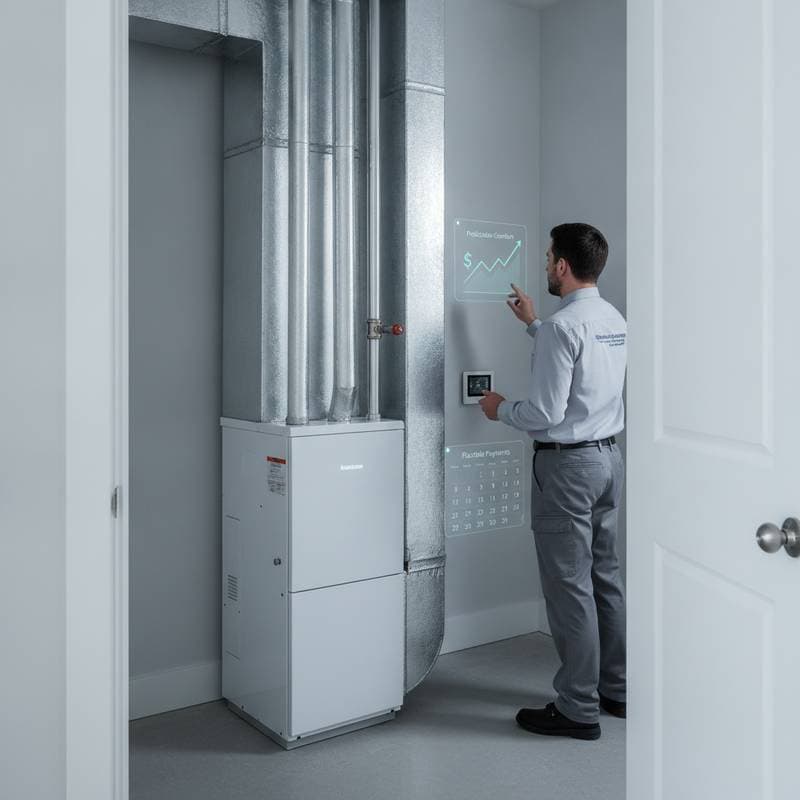
Begin with a professional inspection of existing equipment, ducts, and insulation. Whole-home dehumidifiers or humidifiers integrated into ductwork provide uniform coverage. A smart thermostat with humidity sensing automates adjustments and sends alerts for deviations.
Verify that exhaust fans in kitchens, bathrooms, and laundry areas function properly. Replace HVAC filters on a regular schedule to maintain airflow and particle capture.
Signs Your System Needs Adjustment
Early detection prevents escalation. Watch for recurring musty smells, rising dust levels, static electricity, or sudden indoor allergy increases. Condensation on vents signals immediate imbalance requiring correction.
Cost and Maintenance Factors
Whole-home upgrades typically range from 2000 to 5000 dollars depending on system size. Proper calibration can lower annual energy use by up to 15 percent. Schedule professional service twice yearly to verify sensor accuracy and clean coils.
Confirm local permit requirements before any electrical or drainage modifications. Condensate lines must remain clear to avoid secondary issues.
A Homeowner Experience
One coastal household faced constant sinus problems and mildew odors at 70 percent average humidity. After variable-speed equipment with dehumidification was installed, indoor levels stabilized near 45 percent. Symptoms declined noticeably within weeks, and air quality felt improved.
Portable Versus Whole-Home Options
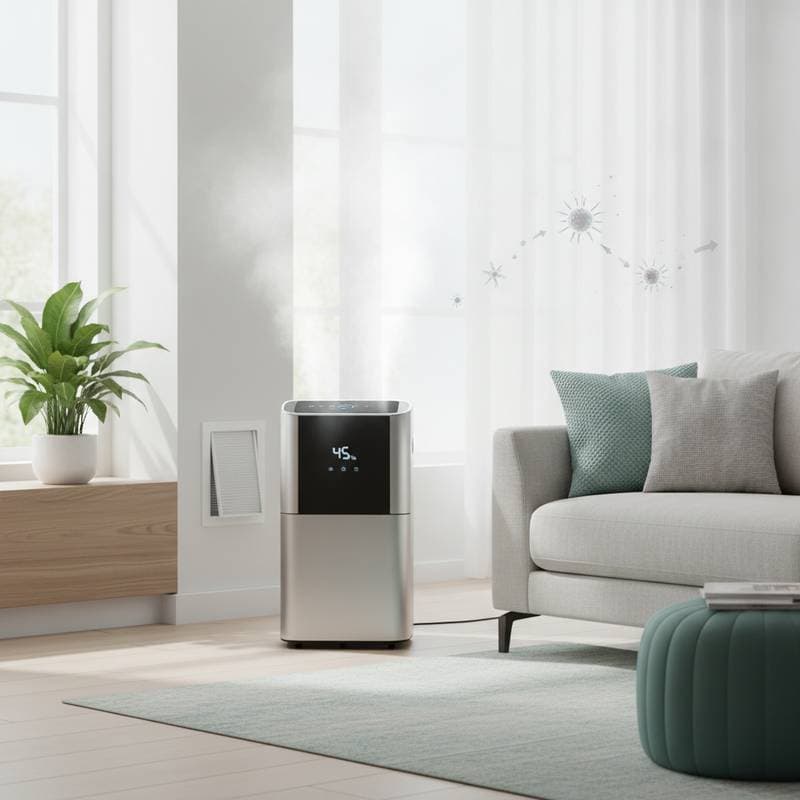
Portable units offer lower upfront costs between 150 and 400 dollars yet require frequent emptying and cover only single areas. Whole-home integration operates automatically across all rooms with minimal ongoing attention. Long-term relief favors the integrated approach for consistent results.
Next Steps for Better Air Quality
Schedule an assessment with a qualified technician to evaluate current humidity performance. Targeted upgrades restore balanced conditions that support respiratory comfort and reduce allergen activity throughout the home.