Dehumidification HVAC Fights Mold in Humid Climates
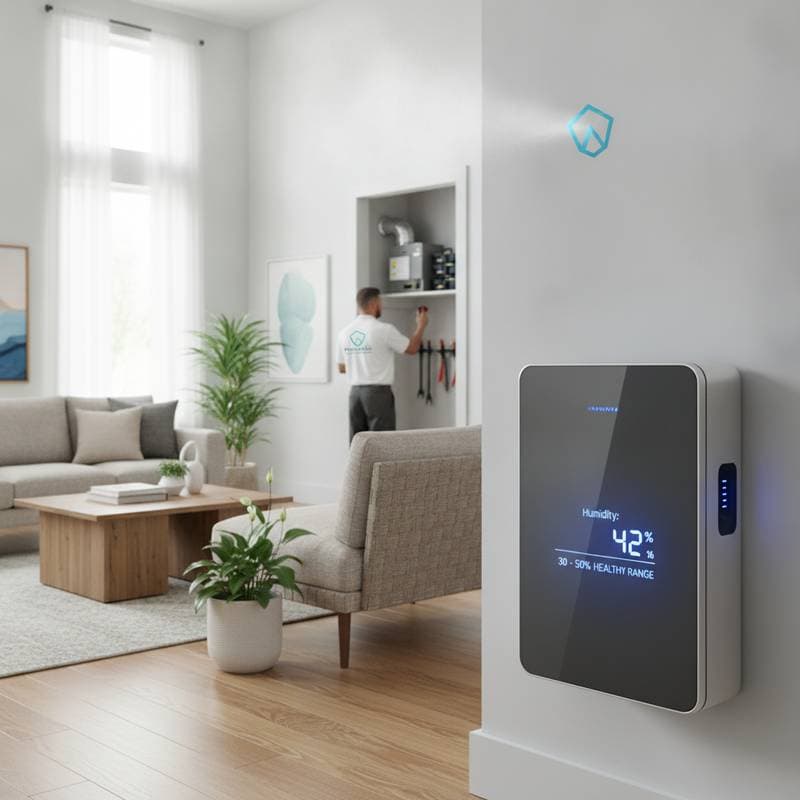
Homeowners in humid regions often face persistent mold issues that affect air quality and health. Excess moisture allows mold to grow in hidden areas such as corners, behind walls, and within ductwork. Signs like musty odors after storms or recurring dark spots on ceilings indicate that humidity levels require better management.
Modern dehumidification HVAC systems address moisture directly. These solutions go beyond cooling to maintain balanced indoor conditions and reduce energy use.
How Excess Humidity Enables Mold Growth
Mold develops rapidly when indoor humidity remains above 60 percent. Spores settle on drywall, insulation, and vent surfaces. Once established inside an HVAC system, mold spreads through the home each time the blower activates.
High humidity also increases discomfort. Warm, damp air prompts lower thermostat settings, which extends system runtime and raises energy costs. The added load often fails to remove sufficient moisture, allowing mold to continue growing.
Limitations of Standard Air Conditioning
Conventional air conditioners remove only a portion of passing moisture. High outdoor humidity combined with short cycling prevents thorough dehumidification. Oversized units cool spaces quickly without extracting enough water vapor, which leaves rooms cold yet clammy.
A professional assessment of system capacity and runtime helps identify when dedicated dehumidification equipment becomes necessary.
Operation of Integrated Dehumidification Systems
Dehumidification HVAC units manage both temperature and moisture through evaporator coils that collect and drain condensation. These systems can run independently of cooling cycles to hold steady humidity levels throughout the year.
Key features include dedicated moisture removal, automatic sensors that adjust output, balanced fresh air introduction, and targeted performance in damp zones such as basements.
Maintaining relative humidity between 40 and 50 percent creates conditions where mold cannot establish.
Steps to Improve Humidity Control
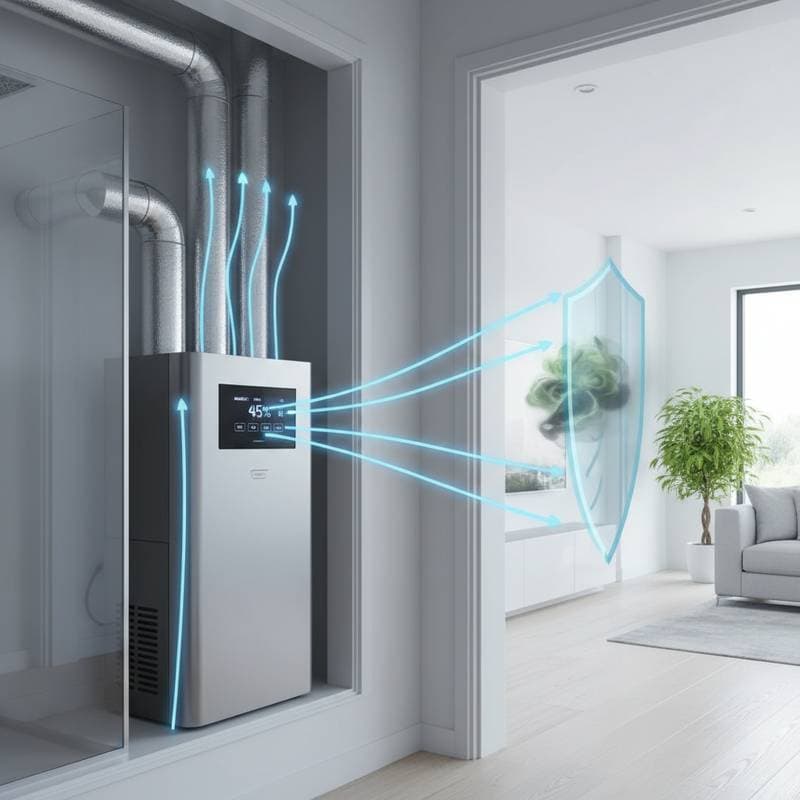
Whole-home dehumidifiers connect directly to existing HVAC ductwork for uniform coverage. Air sealing around windows and vents reduces moisture entry. Clean filters every one to three months to preserve airflow. Clear condensate lines prevent backups that foster mold inside the air handler. Smart thermostats with humidity sensors provide real-time monitoring and automatic adjustments.
Indicators of Uncontrolled Humidity
Persistent musty smells near vents, condensation on windows during operation, peeling paint, visible mold near registers, and increased respiratory symptoms all point to excess moisture. Addressing these signs early prevents structural damage.
Installation and Cost Factors
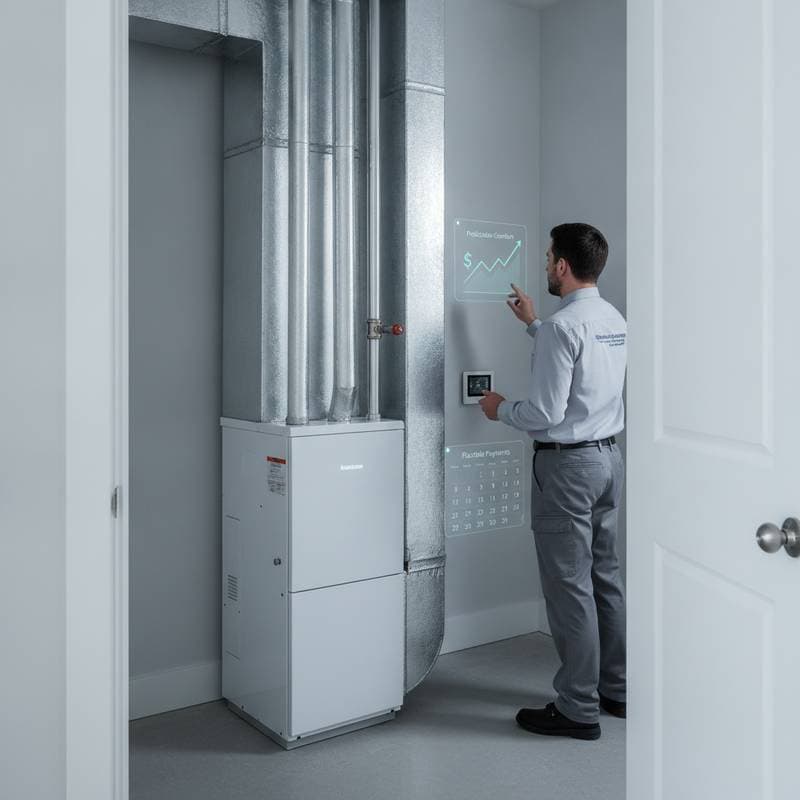
Whole-home dehumidifier installation typically ranges from 1500 to 3500 dollars. Proper sizing through a load calculation avoids inefficiency or inadequate moisture removal. Certified technicians handle mold safely and ensure compliance with local codes.
Energy and Comfort Advantages
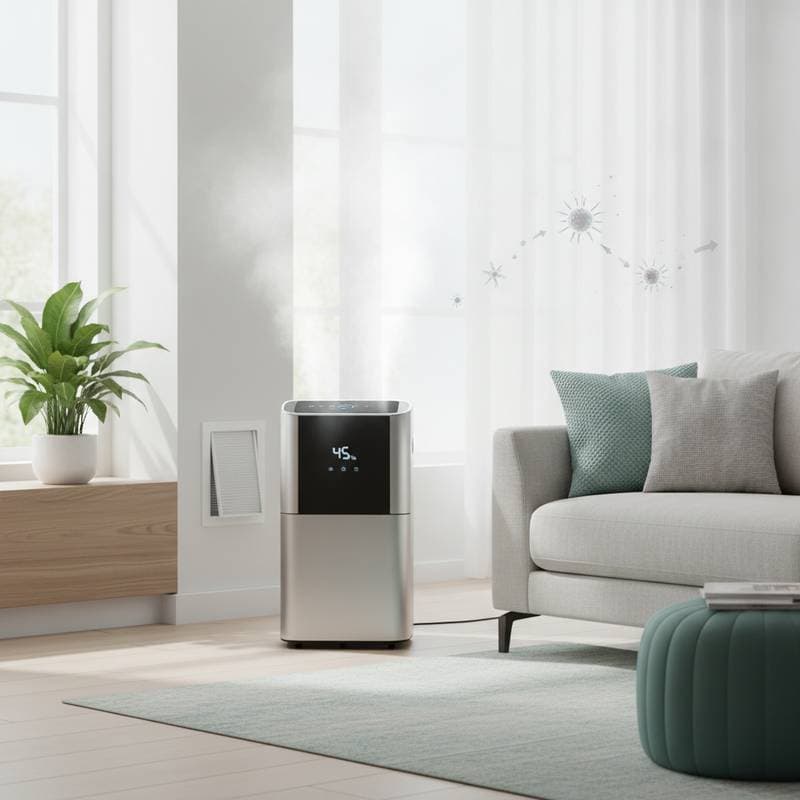
Effective moisture removal allows higher thermostat settings without sacrificing comfort. Each degree of adjustment reduces cooling expenses by approximately 3 percent. Whole-home systems deliver consistent conditions that portable units cannot match across multiple rooms.
Year-Round Mold Prevention Practices
Spring maintenance includes coil and drain inspections plus checks for standing water in crawl spaces. During summer, ceiling fans aid air distribution while doors and windows remain closed. Fall duct cleaning and sensor testing remove debris. Winter humidifier use requires close monitoring to avoid added moisture.
Importance of Ongoing Service
Professional maintenance twice yearly keeps coils clean, drains clear, and controls calibrated. These visits reduce repair needs and sustain reliable performance.
Protect Your Home Through Humidity Management
Dehumidification HVAC technology safeguards indoor air quality and structural integrity. Contact a qualified local technician to assess requirements and implement suitable equipment for consistent comfort and efficiency.