Humidity-Responsive HVAC: Smarter Moisture Control for Modern Homes
As an HVAC professional I have seen countless homeowners wrestle with that sticky, heavy feeling that lingers indoors when humidity gets out of hand. Even if an air conditioner is running, excess moisture can leave rooms clammy, raise energy bills, and encourage mold growth. In some climates it can feel like the comfort system is fighting a losing battle. Humidity-responsive HVAC technology turns home comfort into a finely tuned, automated experience.
When Moisture Throws Comfort Off Balance
Too much indoor humidity makes air feel warmer than it is. This pushes homeowners to lower the thermostat and overwork the system. Too little humidity dries out skin, irritates sinuses, and can cause wood floors or furniture to crack. Many homes hover outside the ideal range of 40 to 50 percent relative humidity, especially in regions with humid summers or dry winters.
Traditional HVAC setups often treat temperature without properly managing moisture. The result is wasted energy and uneven comfort. A humidity-responsive system senses the difference and automatically adjusts airflow, compressor cycles, and dehumidification performance to maintain balanced indoor conditions.
Smarter Systems Deliver Sharper Control
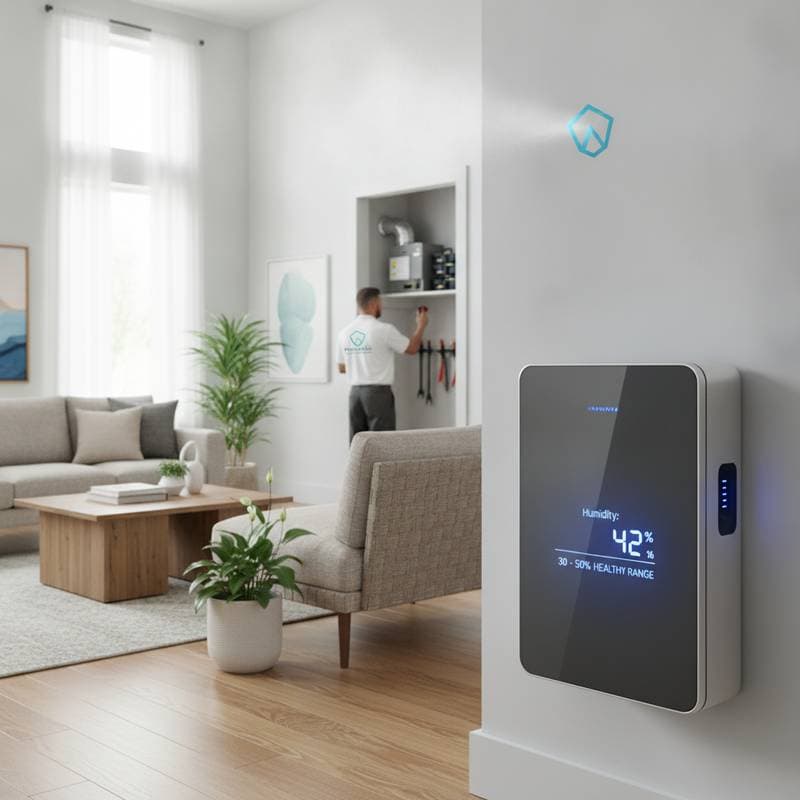
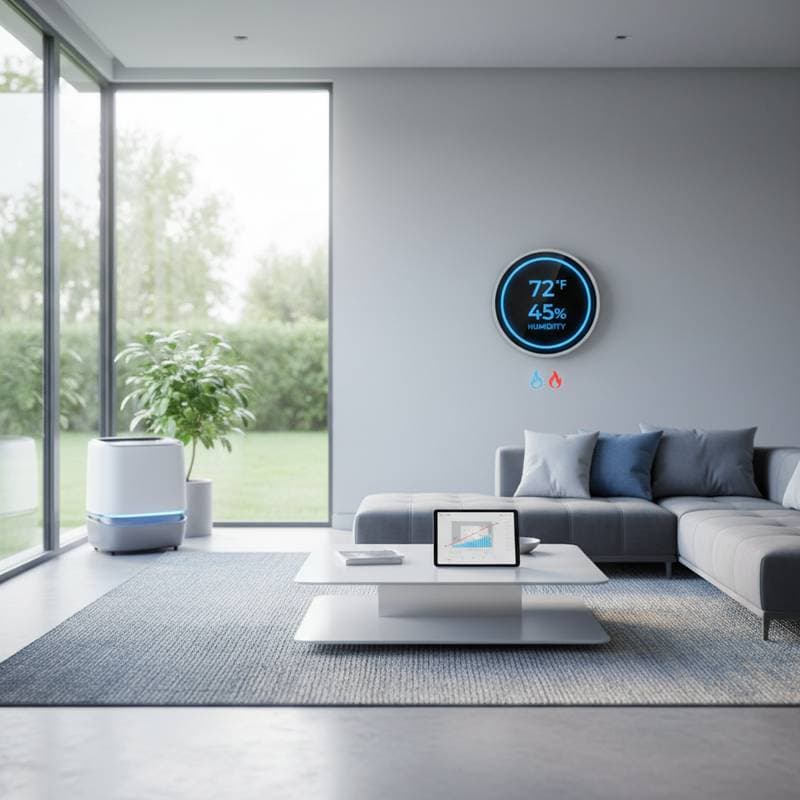
Modern humidity-responsive HVAC systems rely on integrated sensors that communicate in real time with the thermostat and air handler. These sensors track both temperature and moisture levels, then make micro-adjustments to maintain ideal comfort. Systems equipped with variable-speed compressors and modulating fans run longer at lower speeds. This extracts more moisture from the air without wasting energy. In some models, built-in dehumidification cycles activate automatically when humidity spikes, even if the temperature is already comfortable.
How to Optimize Humidity Control in Your Home
- Upgrade to a smart thermostat that monitors humidity and integrates with the HVAC system. Many models display real-time readings and adjust settings automatically for more consistent comfort.
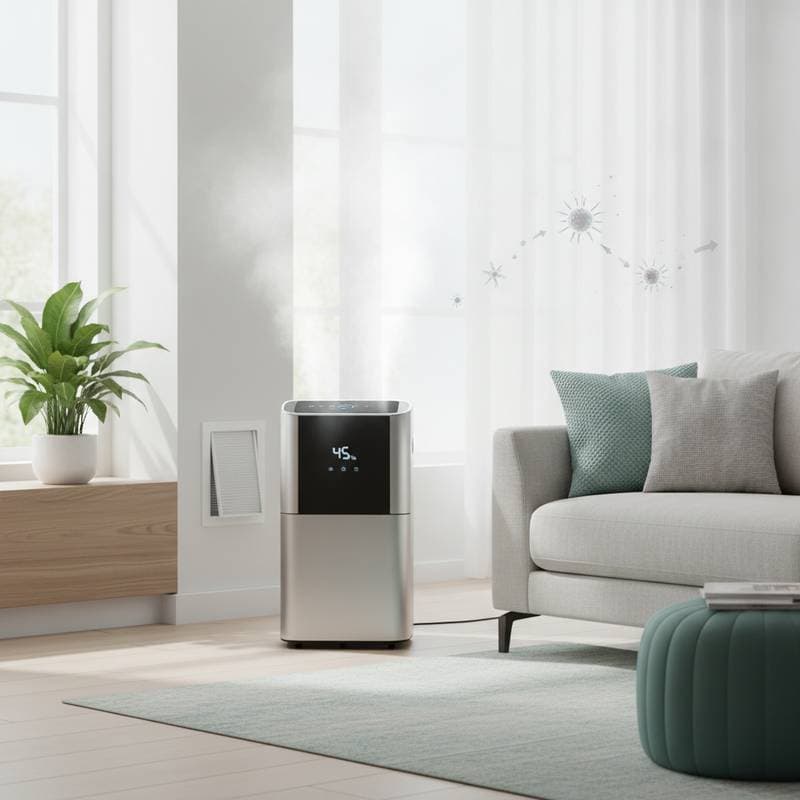
- Add a whole-home dehumidifier connected to the ductwork if the existing system struggles with moisture. This removes excess humidity across the entire home rather than in one room.
- Maintain clean filters and ducts. Restricted airflow makes it harder for the system to dehumidify. Check filters monthly and schedule duct inspections at least once per year.
- Seal leaks and insulate properly. Moist outdoor air can infiltrate through small gaps or poorly insulated walls. Sealing and insulating helps the system maintain humidity balance more efficiently.
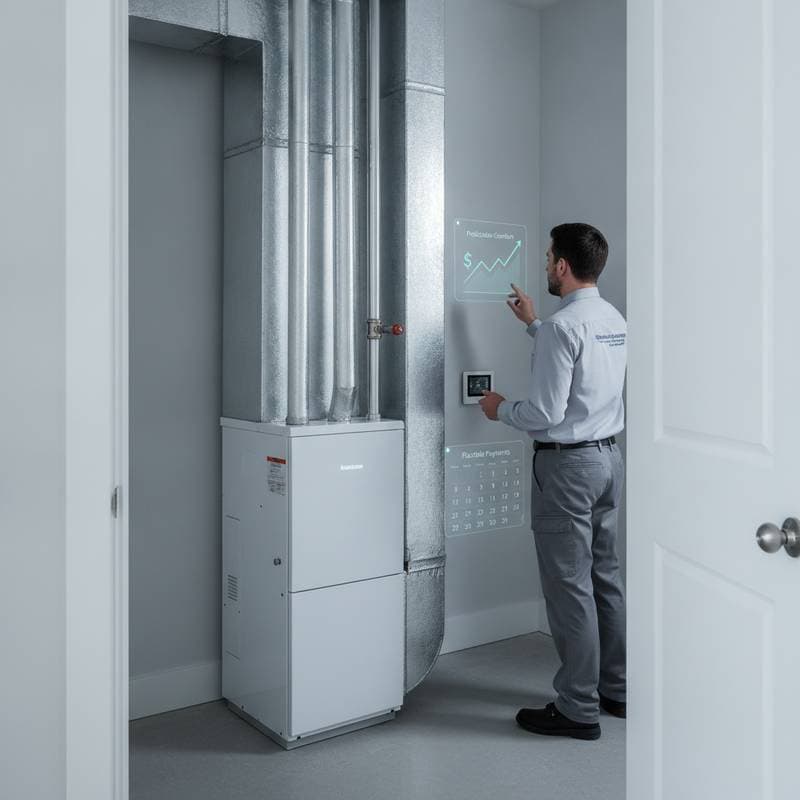
- Schedule professional tune-ups. Technicians can calibrate sensors, check refrigerant levels, and clean coils to ensure the system performs precisely as designed.
What to Expect in Cost and Savings
Installing a humidity-responsive HVAC system typically costs between 7000 and 12000 dollars, depending on brand, size, and existing infrastructure. A retrofit with a smart thermostat and dehumidifier can land closer to 1000 to 2500 dollars. These systems can cut energy usage by up to 15 percent through more efficient moisture management. They also extend equipment life by reducing strain on compressors and coils.
Always call a licensed HVAC professional for sensor calibration or control updates. Local codes might require permits for major system modifications, so verify compliance before starting any work.
Selecting the Right System for Your Needs
Humidity-responsive HVAC technology creates a living space that feels crisp, fresh, and stable year-round. Whether building a new home or upgrading an existing system, smart moisture control transforms everyday comfort and efficiency. Reach out to a vetted HVAC expert for customized recommendations and a no-obligation quote. With the right setup homeowners enjoy the steady operation of a system that truly understands the home rhythm.
Frequently Asked Questions
Q: How often should humidity sensors be checked or recalibrated?
A: Have sensors inspected annually during the HVAC tune-up to ensure accurate readings and consistent performance.