Why 2026 Homes Require Advanced Humidity Control in HVAC Systems
As an HVAC professional, I have observed numerous homeowners grappling with a persistent sticky sensation in the air, unaffected by thermostat changes. Cooling systems may operate continuously, yet rooms remain damp. Hardwood floors swell, paint peels, and windows fog despite the AC running. These problems stem from inadequate humidity management, an increasing concern in contemporary energy-efficient residences.
Homes in various regions feature enhanced sealing to minimize energy loss. This design benefits utility costs but can confine moisture and contaminants within living spaces. The outcome includes discomfort, mold proliferation, and added stress on HVAC equipment. Based on extensive field experience, humidity regulation proves equally vital to temperature control.
The Underlying Issue: Limitations of Conventional Systems
Many assume an air conditioner suffices for humidity management. Such units extract moisture during cooling cycles, yet they fall short of achieving equilibrium. In humid areas, AC performance halts once the target temperature arrives, resulting in lingering mugginess. In arid zones, heating dries the air excessively, causing wood to crack, sinuses to irritate, and static to accumulate.
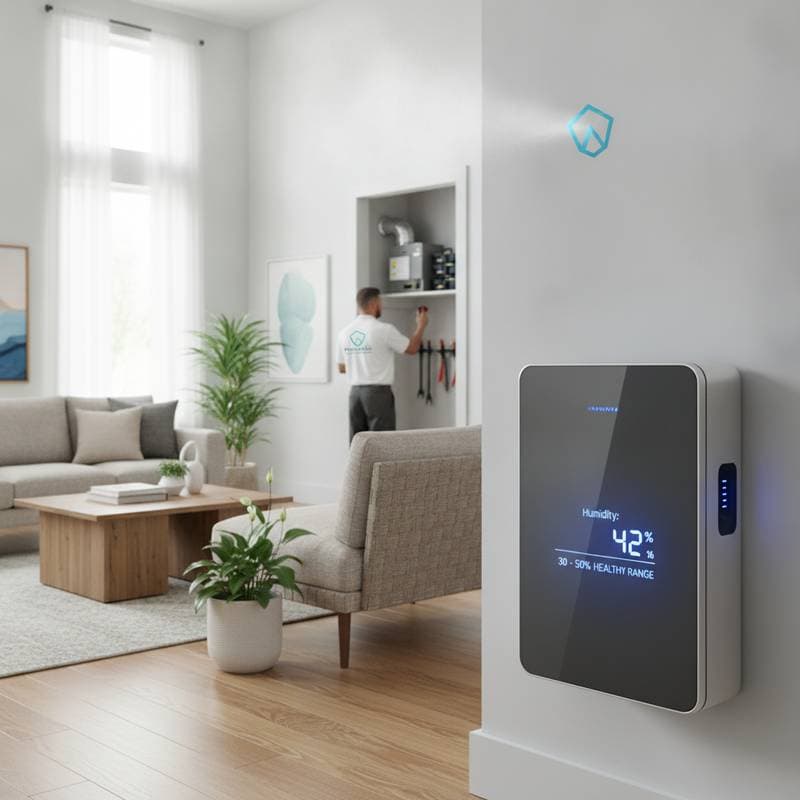
Optimal indoor humidity ranges from 40 to 50 percent. Levels above this threshold foster mold, dust mites, and unease. Below it, skin, furnishings, and airways suffer dryness. Traditional HVAC setups seldom sustain this range absent specialized components.
The Solution: Integrated Humidity Control Systems
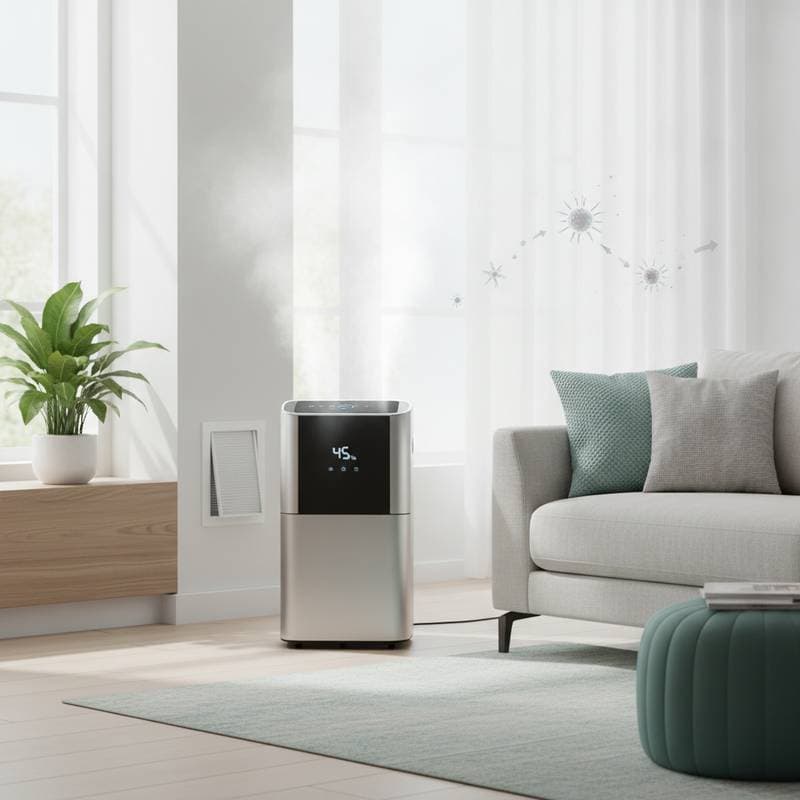
Sophisticated humidity control HVAC systems incorporate whole-home dehumidifiers, humidifiers, and intelligent sensors to monitor and regulate moisture dynamically. These differ from portable devices that address single rooms; instead, they connect to existing ductwork for uniform distribution across the property.
For homeowners pursuing reliable comfort and superior air quality, I advocate this integrated method. Proper installation enables reduced energy consumption, as AC and furnace units function more effectively. These systems also safeguard investments in flooring, furniture, and building elements vulnerable to moisture extremes.
Mechanics of Whole-Home Dehumidifiers
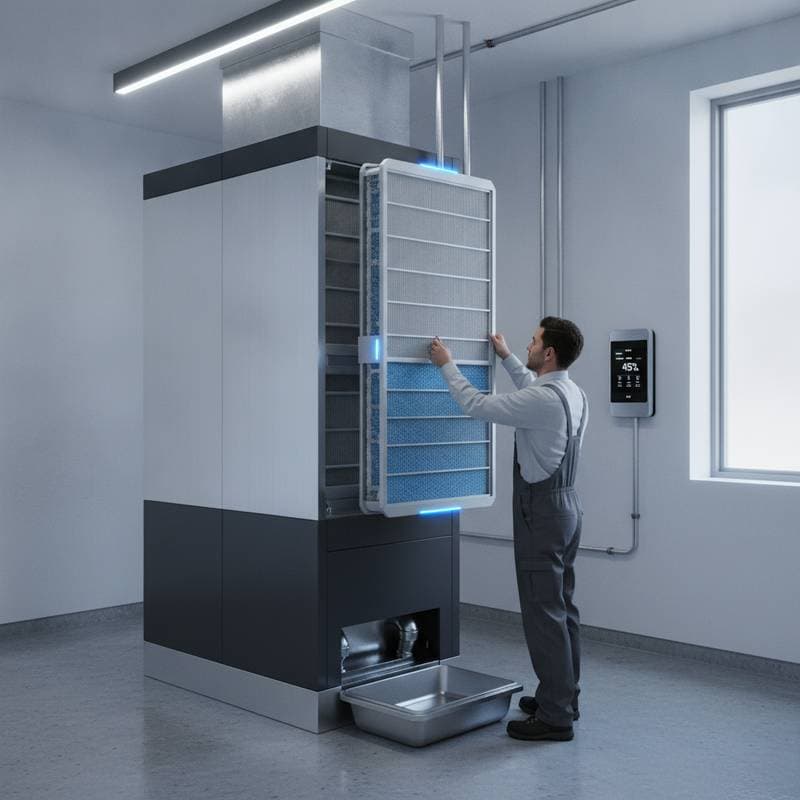
A whole-home dehumidifier serves as the core of moisture oversight. It draws air through return ducts, extracts surplus vapor, and circulates drier air throughout the residence. Contemporary units employ variable-speed fans and sensors that modulate performance according to current conditions.
Principal Advantages
- Superior Comfort: Air perceives as cooler and fresher, permitting higher thermostat settings without sacrifice.
- Better Air Quality: Diminishes mold, dust mites, and allergens prevalent in moist environments.
- Greater Efficiency: Permits less frequent AC operation while upholding comfort standards.
- Material Protection: Shields wood floors, cabinetry, and finishes from expansion or contraction.
Steps for Optimal Humidity Management
- Assess Current Setup: Engage a licensed HVAC technician to examine ductwork, drainage, and equipment capacity. Inadequate sizing or leaks compromise system efficacy.
- Incorporate Specialized Units: Select dehumidifiers or humidifiers based on regional climate, integrating them seamlessly with the primary HVAC.
- Implement Intelligent Controls: Install digital thermostats or automation platforms that oversee both temperature and humidity for accurate regulation.
- Establish Maintenance Routine: Arrange biannual inspections to service coils, inspect drains, and calibrate sensors.
- Track Conditions: Deploy hygrometers in primary areas to verify adherence to ideal humidity ranges.
Factors in System Upgrades
Transitioning to whole-home humidity control demands tailored planning. Expenses vary from $1,500 for simple additions to over $4,000 for advanced models with automation. Installation spans one to two days, contingent on duct accessibility and electrical modifications. Although an initial outlay, savings in utilities and repairs often offset costs promptly.
Safety remains paramount. Improper setup risks water intrusion into ducts or system overload. Select certified professionals versed in local codes and product guidelines. Technician Mark Dalton notes, “Proper humidity control is not just about comfort. It protects the entire structure of your home.”
Climate-Specific Humidity Strategies
Coastal dwellers face elevated humidity persisting through milder seasons. Inland or elevated locales encounter excessive dryness, manifesting as static disruptions. System selection must align with these variables.
In humid regions, combine central AC with whole-home dehumidification. Arid areas benefit from central humidifiers to avert material degradation. Variable climates gain from dual setups, guided by sensors that activate components as needed.
Sustained Benefits and Enhanced Living
Balanced humidity yields swift improvements. Air lightens, respiration eases, and surface stickiness vanishes. Raising AC settings becomes feasible without discomfort, potentially lowering energy costs by 15 percent. Year-round consistency prevails, independent of external weather.
Next Actions for Implementation
Persistent clamminess or aridity signals the need for humidity intervention. Arrange a professional evaluation via a reliable provider such as americanairhvac.net to connect with qualified experts. They assess your space and propose fitting solutions.
Balanced moisture transforms residences into true havens. Energy efficiency rises, and HVAC performance optimizes. Field experience confirms that achieving this equilibrium elevates daily living irreversibly.
Frequently Asked Questions
Q: How do I determine if a whole-home dehumidifier suits my home?
A: Indicators encompass ongoing musty smells, window condensation, or indoor stickiness. Continuous AC operation failing to alleviate these suggests the necessity of a whole-home dehumidifier.