Mastering Indoor Humidity to Eliminate Mold and Allergies
In my role as an HVAC professional, I frequently encounter homeowners battling the subtle yet pervasive issue of excess indoor humidity. This manifests as a clammy sensation during summer months, persistent condensation on windows in winter, or a persistent musty smell emanating from basements. Homeowners often overlook the fact that elevated moisture levels extend beyond mere discomfort; they promote the proliferation of mold and exacerbate allergic reactions, transforming a home from a sanctuary into a source of ongoing concern.
Humidity management transcends basic comfort. It establishes a healthier atmosphere and promotes energy efficiency, enabling HVAC systems to operate more effectively while supporting the well-being of occupants.
The Critical Role of Humidity in Indoor Comfort
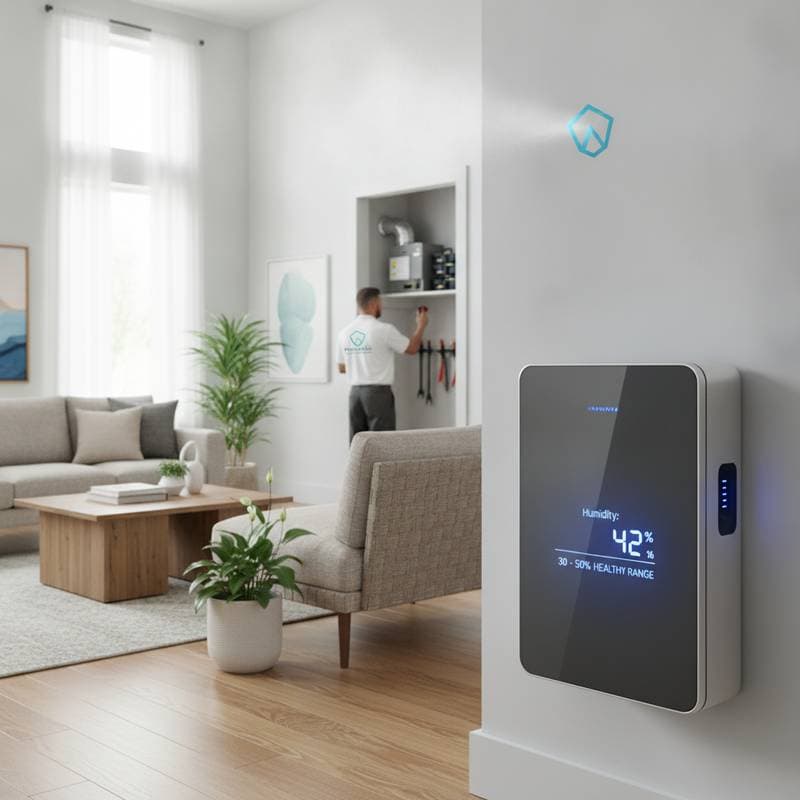
Humidity influences perceived temperature much like a thermostat regulates heat. Excessive indoor moisture hinders the body's natural cooling process, causing environments to feel warmer than actual readings indicate. This same excess nurtures mold spores, dust mites, and bacteria, which intensify respiratory issues and allergic responses. The Environmental Protection Agency recommends maintaining indoor relative humidity between 30 and 50 percent; levels exceeding this threshold create conditions conducive to mold development.
Homeowners may wonder why such problems persist despite continuous operation of air conditioning units. The explanation resides in the fundamental design of these systems. Conventional air conditioners extract a portion of moisture during the cooling process, yet they lack the capacity to address substantial humidity demands reliably. Dedicated humidity control measures become essential to resolve these limitations.
Proven Strategies for Optimal Indoor Air Balance
From my extensive experience in HVAC services, I advocate a comprehensive approach to humidity challenges, incorporating specialized equipment, consistent upkeep, and intelligent ventilation practices. This method yields purer air, greater energy savings, and reduced instances of allergic reactions by achieving precise moisture equilibrium.
1. Integrate a Whole-Home Dehumidifier
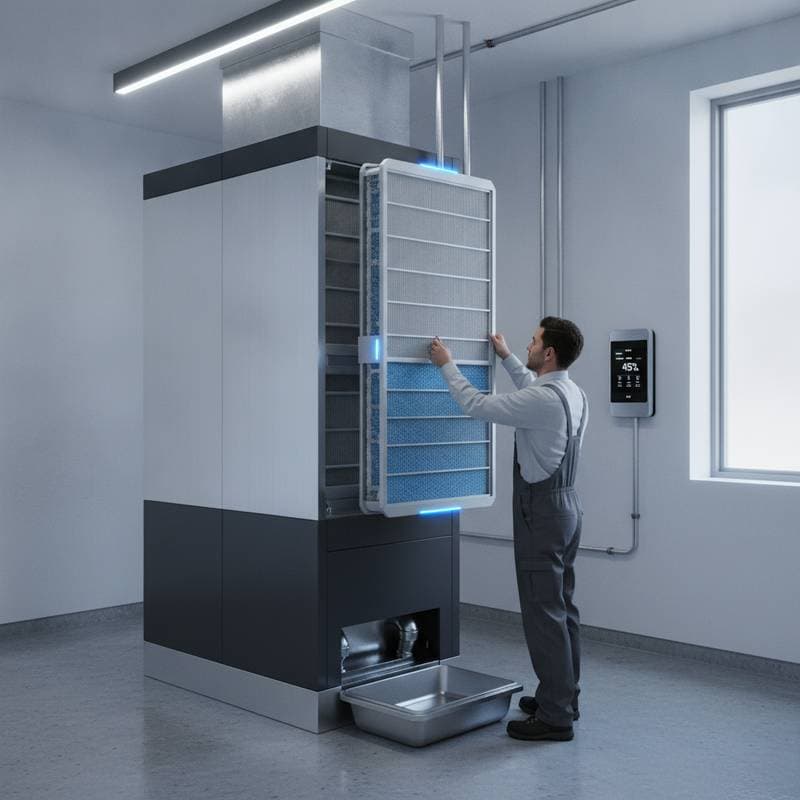
A whole-home dehumidifier connects seamlessly to the existing HVAC infrastructure, drawing humid air from all areas and recirculating it at reduced moisture content for uniform comfort. In contrast to standalone portable models that address isolated zones, these integrated units sustain consistent humidity across the entire residence. Homeowners implementing this enhancement typically report a 10 to 15 percent reduction in energy consumption, as drier air enhances cooling perception and permits higher thermostat settings without sacrificing comfort.
2. Perform Regular HVAC Maintenance
The air conditioner and furnace serve as the core components of home climate control. Accumulated dirt on coils, obstructed filters, and impeded condensate drains impair the system's ability to regulate moisture effectively. Scheduling professional servicing at the start of each season ensures optimal airflow and precise humidity management. This practice parallels routine vehicle maintenance, where proactive care averts expensive failures in the future.
3. Enhance Ventilation in Moisture-Prone Zones
Areas such as bathrooms, kitchens, and laundry rooms generate significant moisture. Install exhaust fans that direct air outdoors rather than recirculating it into attics or crawl spaces. For residences with inadequate natural airflow, an energy recovery ventilator (ERV) provides an effective solution. This equipment facilitates the exchange of indoor stale air with fresh outdoor air while preserving thermal stability, thereby supporting ideal humidity levels without increasing energy costs.
4. Seal and Insulate Against Moisture Infiltration
Compromised ductwork or unsealed crawl spaces permit humid external air to enter the home. A thorough professional inspection of ducts reveals leaks that contribute to energy loss and elevated indoor humidity. Properly insulating ducts and sealing fissures around windows, doors, and foundation perimeters blocks the ingress of outdoor moisture, safeguarding internal air quality.
Indicators of Elevated Indoor Humidity
Early detection of humidity issues allows intervention before mold or mildew establishes a foothold. Monitor for these signs:
- Persistent condensation on windows, mirrors, or walls
- Musty smells originating from walls, carpets, or ventilation outlets
- Apparent mold growth in bathrooms, basements, or other damp areas
- Clammy or sticky air quality despite active air conditioning
- Structural damage such as warped wood, blistering paint, or softened drywall
Should these symptoms resonate with your experience, measure indoor humidity using an inexpensive digital hygrometer for precise data. A certified professional can then evaluate the HVAC system and recommend necessary modifications.
Key Considerations for Implementation
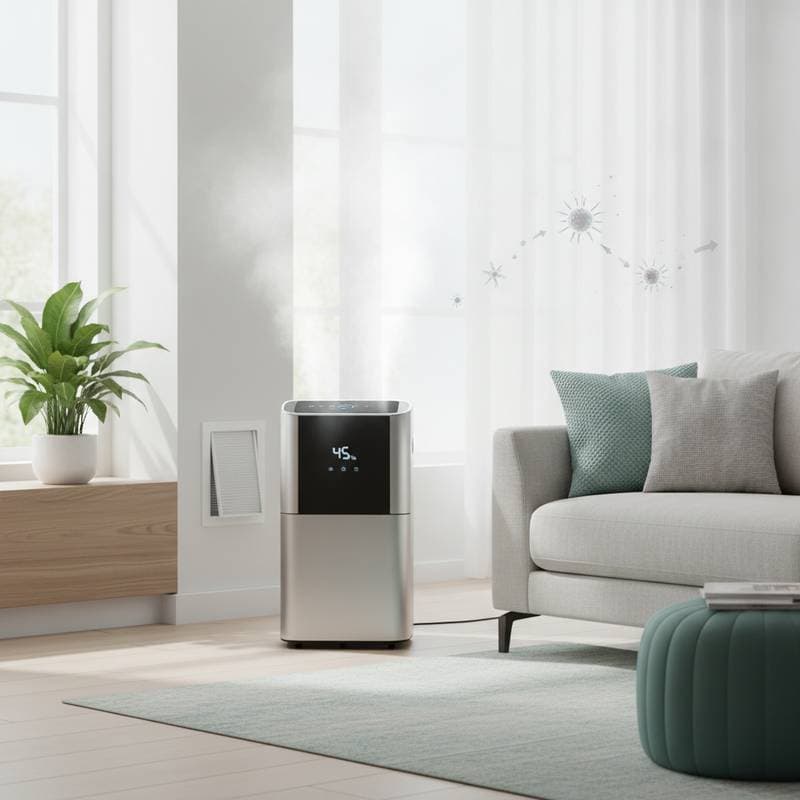
Prior to acquiring dehumidification equipment, assess factors including home square footage, current HVAC configuration, and regional climate conditions. In humid locales like coastal areas, whole-home dehumidifiers generally range from $1,500 to $3,000, inclusive of installation. For compact residences or specific rooms, portable alternatives priced between $150 and $500 provide viable interim options.
Prioritize safety in all endeavors. Refrain from accessing enclosed HVAC elements or managing refrigerant lines personally; entrust such tasks to licensed technicians adhering to local codes and protocols. Verify that any installations align with prevailing standards for ventilation and electrical systems.
The initial investment frequently yields returns through energy conservation. Optimal humidity control enhances HVAC efficiency, extends filter longevity, and diminishes operational stress, thereby prolonging equipment durability.
Fostering Lasting Indoor Wellness
Effective humidity regulation elevates a home into a protected haven free from mold, allergens, and unease. By blending dehumidification technology, strategic ventilation, and diligent maintenance, homeowners secure refreshing, vital air circulation throughout the seasons.
For guidance on initiating these improvements, consult a qualified HVAC specialist via our service network for a complimentary assessment. Experts will analyze air quality, suggest appropriate solutions, and oversee installations to guarantee enduring performance.
Frequently Asked Questions
Q: How frequently should a dehumidifier operate?
A: Activate it when indoor humidity exceeds 50 percent. Advanced whole-home models feature built-in sensors that modulate performance to sustain target levels automatically.
Q: Does excessive humidity harm HVAC equipment?
A: Indeed. Surplus moisture leads to corrosion of internal parts, filter blockages, and mold accumulation within ducts. Routine checks and dehumidification mitigate these risks.
Q: Is a portable dehumidifier sufficient for whole-home use?
A: It suits small apartments or individual rooms effectively. However, for uniform control across larger spaces, HVAC-integrated whole-home systems offer superior reliability and scope.