Understanding Moisture Challenges in Modern Homes
Modern homes prioritize energy efficiency through advanced insulation and airtight construction. These features, while reducing energy loss, often create environments where moisture becomes trapped. Without proper management, this leads to discomfort, health risks, and structural issues.
Homeowners frequently notice excess humidity in summer and overly dry air in winter. Such imbalances stem from sealed windows, high-performance building materials, and reliance on single-purpose HVAC systems. Addressing these requires a comprehensive approach beyond basic cooling or heating.
The Drawbacks of Single-System Approaches
Traditional air conditioning units primarily dehumidify during cooling cycles. They excel at removing moisture when temperatures rise but fail to add humidity when levels drop too low. This leaves homes vulnerable to dry air in colder months, which can irritate respiratory systems and damage wooden floors or furniture.
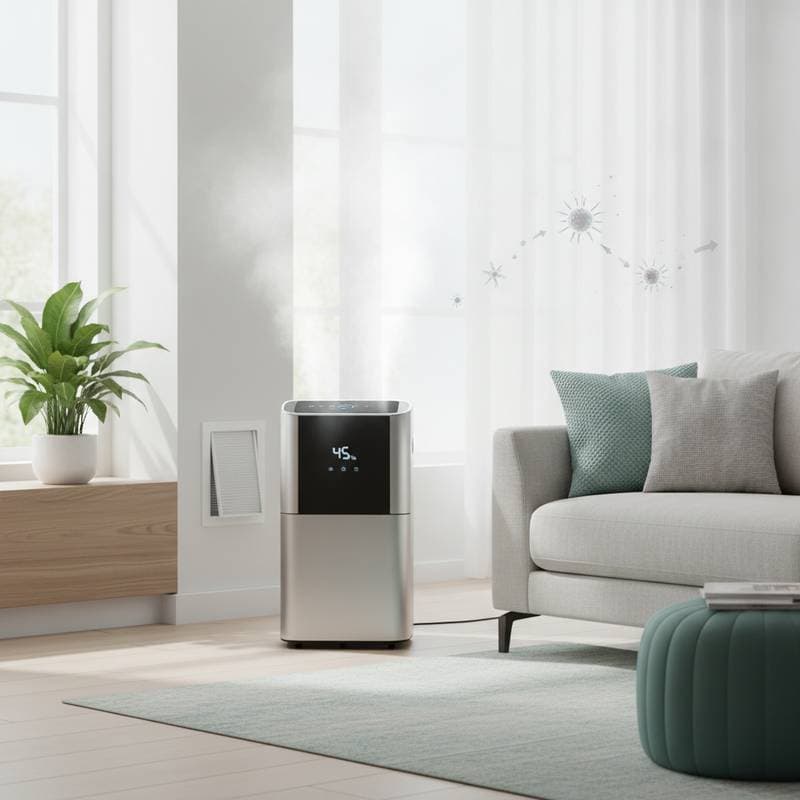
Standalone dehumidifiers offer targeted moisture removal yet lack integration with overall climate control. They consume additional energy and do not address low-humidity conditions. Similarly, humidifiers alone introduce moisture without monitoring excess, risking mold growth in humid climates.
These single systems create uneven indoor environments. They demand manual adjustments, leading to inconsistent results and higher utility bills. For optimal performance, homes need technology that responds dynamically to both high and low moisture levels.
Introducing Dual Humidity Control Systems
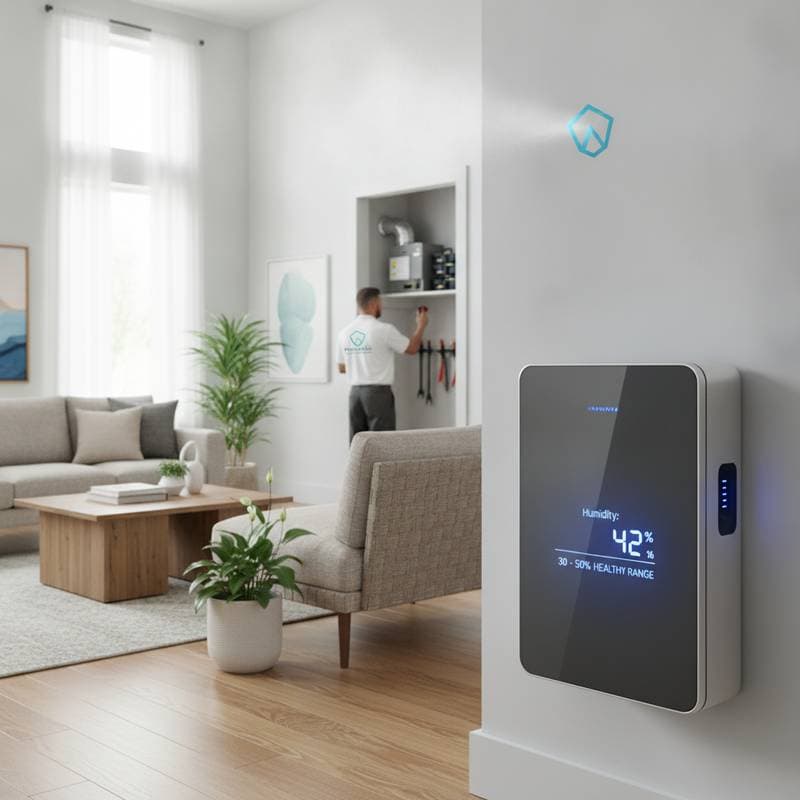
Dual humidity control integrates dehumidification and humidification into a unified system. Sensors monitor indoor air quality in real time, adjusting moisture levels to maintain an ideal range of 30 to 50 percent relative humidity. This balance supports year-round comfort without overworking other HVAC components.
The technology employs advanced algorithms to predict and prevent imbalances. For instance, in humid regions, the system activates dehumidifiers proactively during rainy seasons. In arid areas, it introduces controlled moisture to counteract dry heating systems.
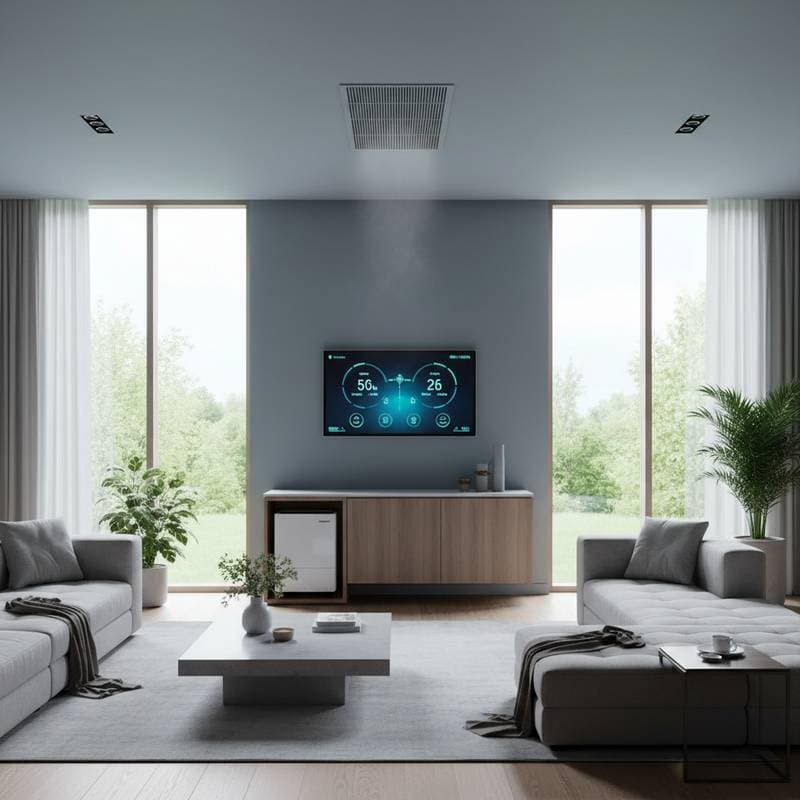
Integration with smart home platforms allows remote monitoring via apps. Users receive alerts for potential issues and can customize settings based on occupancy or weather forecasts. This proactive design minimizes energy waste and extends equipment lifespan.
How Dual Control Operates Step by Step
-
Assessment Phase: Built-in sensors evaluate current humidity, temperature, and air quality every few minutes.
-
Adjustment Mechanism: If humidity exceeds the target, the dehumidifier engages to extract excess moisture. Conversely, if levels fall below optimal, the humidifier activates to add vapor.
-
Balancing Integration: The system coordinates with existing HVAC to avoid conflicts, ensuring even distribution through vents or standalone units.
-
Feedback Loop: Data from adjustments refines future operations, learning from household patterns for greater efficiency.
Such precision sets dual systems apart from reactive single units. They provide consistent results tailored to specific home layouts and climates.
Health and Comfort Benefits of Balanced Moisture
Excess moisture fosters mold and dust mites, triggering allergies and asthma. Low humidity, meanwhile, dries out skin, eyes, and nasal passages, increasing infection risks. Dual control mitigates these by stabilizing levels, promoting healthier indoor air.
Comfort improves as temperatures feel more even. High humidity makes warm air feel stifling, while dry conditions amplify cold sensations. Balanced environments reduce the need for extreme thermostat settings, enhancing daily living.
Furnishings last longer under controlled conditions. Wood warps less, fabrics retain vibrancy, and electronics suffer fewer static issues. Homeowners report fewer maintenance calls and a more inviting atmosphere.
Energy Efficiency Gains
Single systems often run inefficiently, cycling on and off to compensate for moisture swings. Dual control optimizes operations, reducing runtime by up to 20 percent in simulations. This translates to lower electricity bills and a smaller carbon footprint.
By preventing moisture-related problems, these systems avoid costly repairs like mold remediation or HVAC overhauls. Long-term savings compound, making the investment worthwhile for energy-conscious households.
Key Considerations for Upgrading to Dual Control
Evaluate your home's current setup before installation. Assess insulation quality, ventilation paths, and existing HVAC compatibility. Professional audits reveal if ductwork needs modifications for optimal airflow.
Budget for initial costs, which range from $2,000 to $5,000 depending on system size and features. Factor in rebates from energy programs or tax incentives for efficient upgrades. Installation typically takes one to two days, minimizing disruption.
Choose systems from reputable manufacturers with strong warranties. Look for models certified for energy efficiency and user-friendly interfaces. Consult certified technicians to ensure compliance with local building codes.
Steps to Implement Dual Humidity Control
Start by monitoring your home's humidity with a simple gauge for a week. Record variations to identify problem areas like basements or attics. This data guides system selection.
Next, schedule a consultation with an HVAC specialist. Discuss your goals, such as health improvements or energy savings, to match the right technology.
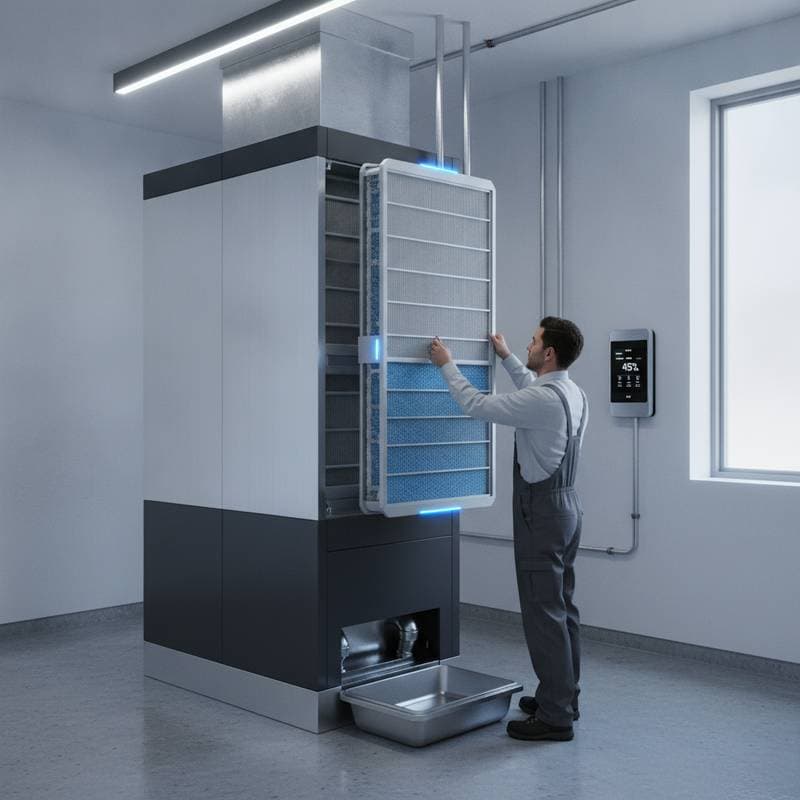
Finally, plan for maintenance. Annual filter changes and sensor calibrations keep the system performing at peak levels. Regular checks prevent minor issues from escalating.
Realizing Long-Term Home Wellness
Adopting dual humidity control positions your home for future standards. By 2026, building codes may mandate such systems in new constructions for sustainability. Early adoption ensures comfort, health protection, and efficiency today.
Homeowners who integrate these solutions enjoy tangible benefits immediately. From reduced allergy symptoms to stable energy costs, the impact extends to every room. Invest in balanced air quality to elevate your living space.