Dual-Fuel HVAC Solves the Shoulder Season Problem
Understanding the Shoulder Season Challenge
Homeowners often face discomfort during shoulder seasons, those transitional periods of spring and fall when temperatures fluctuate between mild and cool. Traditional heating systems, such as standalone gas furnaces, prove inefficient in these conditions, leading to higher energy bills and uneven comfort. Electric heat pumps, while effective in moderate weather, struggle as temperatures drop below 30 degrees Fahrenheit, forcing reliance on supplemental heating that increases costs.
This inefficiency stems from the limitations of single-fuel systems, which cannot adapt seamlessly to varying demands. Many households experience drafts, higher utility expenses, and premature wear on equipment during these times. Addressing this issue requires a solution that balances efficiency, reliability, and cost-effectiveness.
What Is a Dual-Fuel HVAC System?
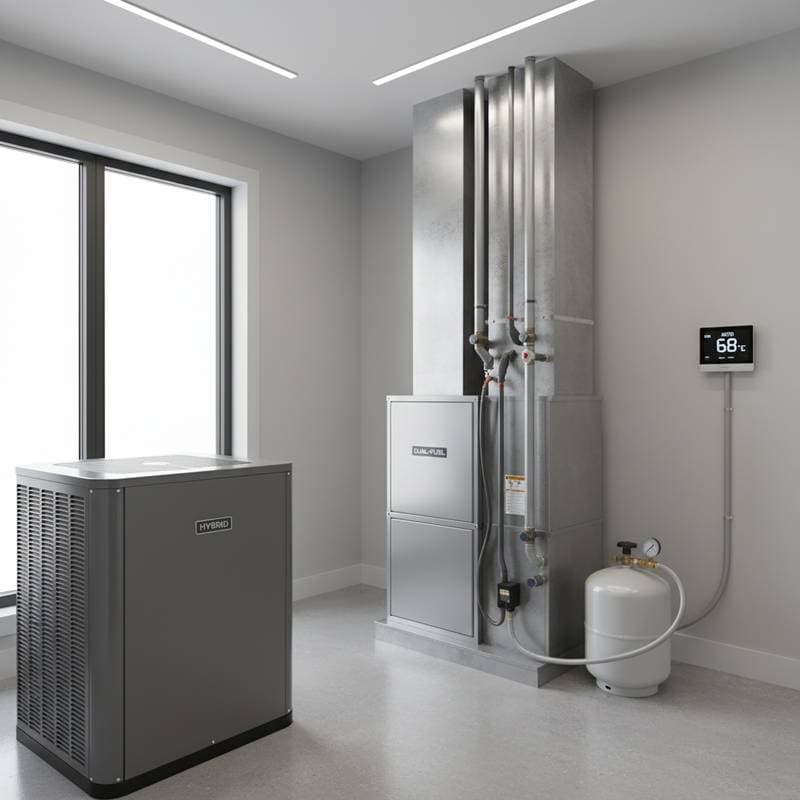
A dual-fuel HVAC system integrates an electric heat pump with a gas furnace into a single, cohesive unit. The heat pump serves as the primary heating source during milder conditions, drawing energy from the air to provide gentle, even warmth. When outdoor temperatures fall to a predetermined threshold, typically around 30 degrees Fahrenheit, the system automatically switches to the gas furnace for robust heating.
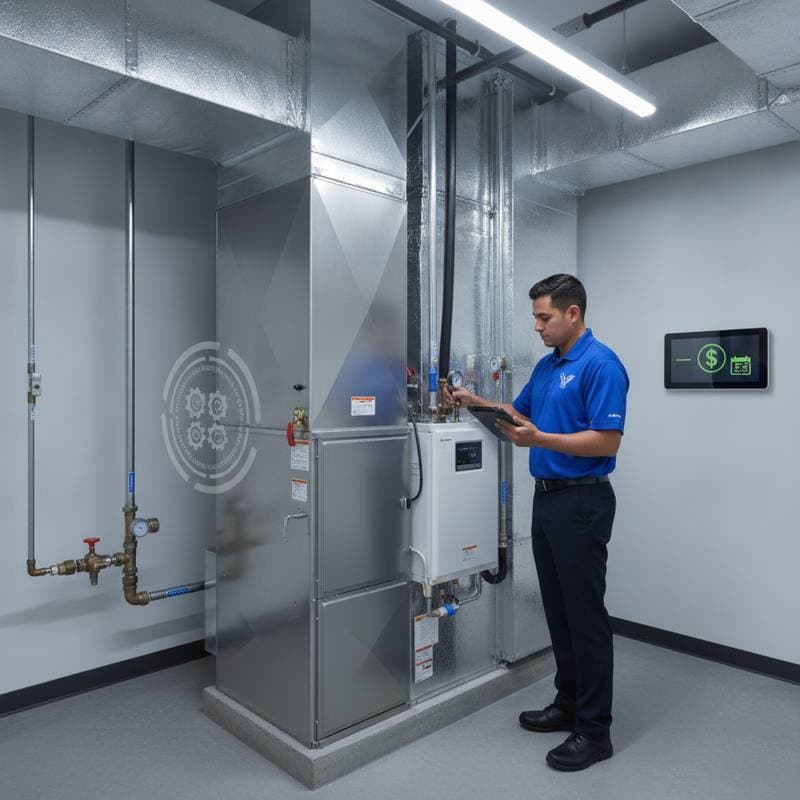
This hybrid design leverages the strengths of both technologies: the heat pump's energy efficiency in moderate weather and the furnace's power in colder conditions. Installation involves connecting the components through a shared thermostat and ductwork, ensuring smooth operation without manual intervention. Professional assessment determines the ideal balance point for switching, tailored to local climate and home size.
How Dual-Fuel Systems Operate
Operation begins with the heat pump extracting heat from outdoor air, even on chilly days, and transferring it indoors via refrigerant cycles. Sensors monitor outdoor temperature and system performance continuously. Upon reaching the switch point, the furnace activates, providing immediate, high-capacity heat while the heat pump rests to conserve energy.
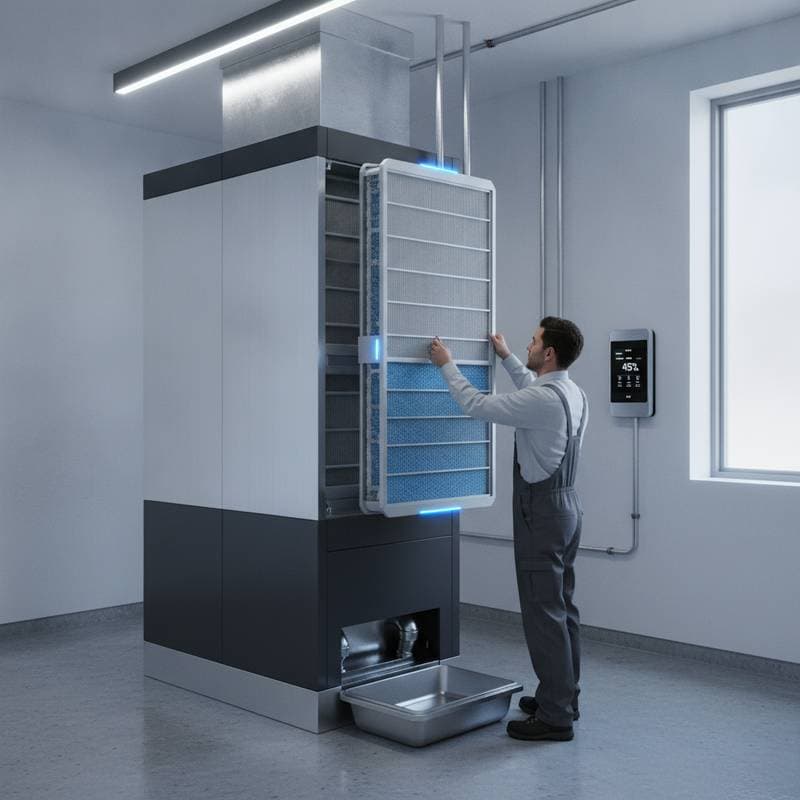
In cooling mode during warmer shoulder periods, the heat pump reverses its cycle to function as an air conditioner, maintaining consistent indoor temperatures. The system's smart controls optimize fuel use, prioritizing electricity when rates are low and gas when it offers better value. Regular maintenance, such as filter changes and annual inspections, ensures reliable performance year-round.
Key Benefits for Homeowners
Dual-fuel systems deliver significant energy savings, often reducing heating costs by 30 to 50 percent compared to single-fuel alternatives. By using the more efficient option automatically, homeowners avoid over-reliance on expensive peak-hour electricity or inefficient furnace operation in mild weather. This adaptability minimizes utility bills during shoulder seasons, when energy demands are unpredictable.
Comfort improves through consistent temperatures without the noise or dry air associated with constant furnace use. The technology also extends equipment lifespan by distributing workload between components, potentially adding years to system durability. Environmentally, these systems lower carbon emissions by favoring the cleaner heat pump whenever possible, supporting sustainable home practices.
Preparing for Implementation
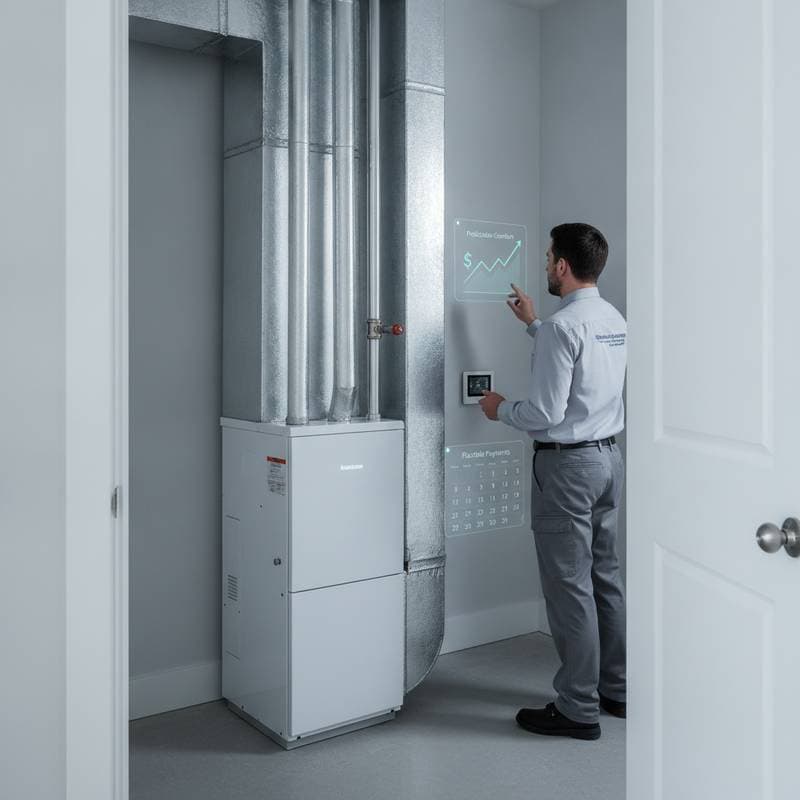
Assess your current HVAC setup by consulting a certified technician to evaluate compatibility and efficiency gaps. Consider factors like home insulation, duct condition, and local energy prices to calculate potential return on investment. Financing options, including rebates for energy-efficient upgrades, can offset initial costs, which range from 8,000 to 15,000 dollars depending on system size.
Choose a model with advanced features, such as variable-speed compressors for finer control and zoning capabilities for multi-room efficiency. Schedule installation during off-peak seasons to minimize disruption. Post-installation, monitor performance through the thermostat's diagnostics to fine-tune settings for optimal results.
Looking Ahead to 2026 and Beyond
By 2026, advancements in dual-fuel technology promise even greater efficiency, with improved refrigerants and AI-driven controls enhancing adaptability. Integration with smart home ecosystems will allow remote adjustments and predictive maintenance, further reducing costs. As energy standards evolve, these systems will become standard for new constructions, offering long-term value in an era of rising utility rates.
Homeowners adopting dual-fuel HVAC today position themselves for future-proof comfort and savings. This technology not only resolves shoulder season challenges but also elevates overall home efficiency.