Why Humidity Balance Revolutionizes Comfort
Installation Costs for Whole-Home Systems
- Whole-home humidifier: $150 to $400
- Whole-home dehumidifier: $300 to $800
- Annual maintenance: $100 to $250
Balanced humidity represents one of the most overlooked elements of indoor comfort. When a home maintains optimal moisture levels, the air feels warmer during winter months and cooler in summer, which leads to reduced energy bills and improved respiratory health for occupants. This balance relies on factors such as system type, home size, and integration with the existing HVAC infrastructure.
Contact local professionals specializing in whole-home humidification for free estimates to enhance air quality and overall comfort.
The Importance of Humidity Balance for Comfort
Humidity balance influences perceived air temperature, HVAC performance, and indoor health. Excess moisture creates a muggy atmosphere and promotes mold development. Insufficient moisture leads to dry skin, damage to wooden furnishings, and irritated sinuses.
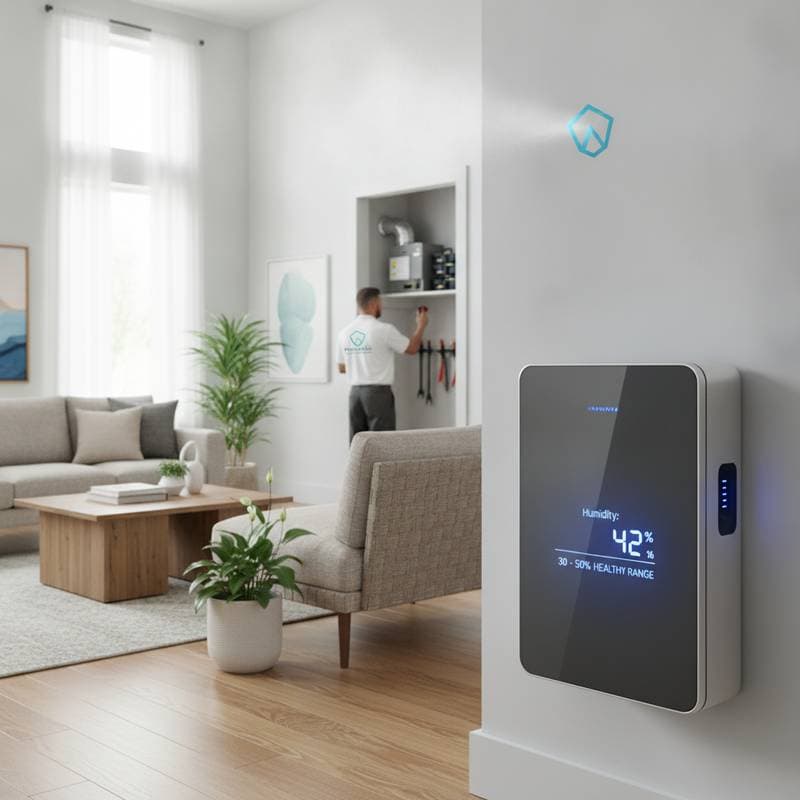
An optimal relative humidity range of 30 to 50 percent ensures stable and comfortable indoor conditions throughout the year. This level also enhances HVAC efficiency, as balanced air demands less energy for heating or cooling.
Factors Influencing Humidity Control Costs
Several elements determine the expense of humidity control systems. Consider the following:
- System Type: Steam and fan-powered models involve higher initial costs yet provide superior precision and coverage across the home.
- Home Size: Larger residences necessitate units with greater capacity to distribute humidity evenly through multiple rooms.
- HVAC Integration: Linking the system to an existing HVAC setup minimizes installation time and expenses. Standalone configurations require additional wiring and venting, increasing costs.
- Unit Quality: High-end models equipped with smart sensors and automatic controls carry premium prices but minimize long-term energy consumption.
- Local Climate: Residences in arid or coastal areas often demand robust systems to counteract extreme humidity variations.
- Maintenance Requirements: Certain units need filter or pad replacements every few months, contributing to ongoing operational expenses.
- Installation Accessibility: Confined crawl spaces or complex ductwork extend labor duration and elevate costs.
Associated Costs and Optional Upgrades
Homeowners frequently encounter related expenses during humidity system projects. The table below outlines average price ranges:
| Related Cost Item | Average Price Range |
|---|---|
| HVAC inspection | $75 to $200 |
| Duct cleaning | $300 to $500 |
| Filter replacement | $20 to $60 |
| Smart thermostat with humidity sensor | $120 to $250 |
| Condensate drain cleaning | $100 to $175 |
Upgrading ventilation or insulation further supports uniform humidity levels. A well-sealed home envelope prevents moisture fluctuations and optimizes system performance.
Guidance on Repairs and Replacements
Replace a humidity system if it fails to hold settings or develops frequent leaks. These units typically endure eight to twelve years with diligent maintenance. Initiate replacement under these conditions:
- Repair expenses surpass half the price of a new system.
- Humidity levels vary significantly.
- Indoor air remains dry or damp despite adjustments.
- Energy bills rise without explanation.
Upgrading to an energy-efficient model enhances comfort while reducing future operating costs.
Strategies to Reduce Humidity Control Expenses
Homeowners can implement practical steps to lower costs associated with humidity systems:
- Schedule installations during off-peak seasons when HVAC demand decreases, securing more favorable rates.
- Bundle humidity system work with broader HVAC improvements to consolidate labor charges.
- Apply for rebates and incentives available for energy-efficient equipment.
- Perform routine maintenance to prevent expensive repairs.
- Obtain quotes from several licensed contractors to identify competitive pricing.
- Incorporate smart controls that automate adjustments and promote energy savings through precise operation.
- Select equipment sized appropriately for the home to eliminate excess costs and ensure optimal function.
Thoughtful planning in these areas yields substantial savings on both installation and daily use.
Frequently Asked Questions
What Constitutes the Ideal Humidity Level in a Home?
The recommended indoor humidity range spans 30 to 50 percent relative humidity. This spectrum maintains comfort, safeguards belongings, and facilitates healthy respiration.
How Long Does a Whole-Home Humidifier Typically Last?
These systems generally operate effectively for eight to twelve years with regular upkeep. Durability varies based on water quality, frequency of use, and maintenance practices.
Is Self-Installation Feasible for a Humidifier?
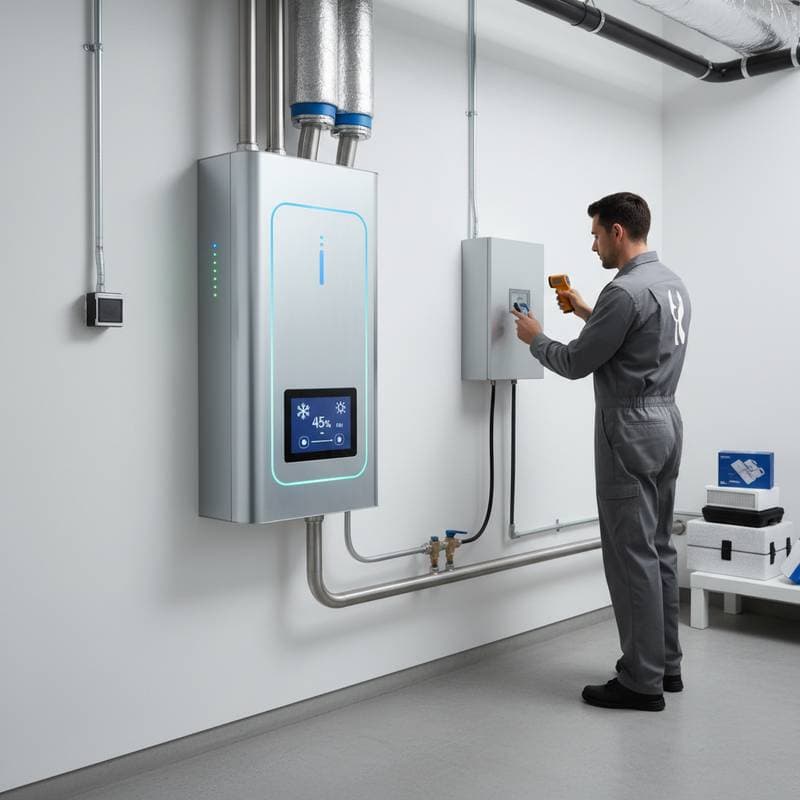
Portable models prove straightforward for independent setup. Whole-home systems, however, demand professional HVAC expertise to guarantee safe and seamless duct integration.
Does a Dehumidifier Lower Energy Expenses?
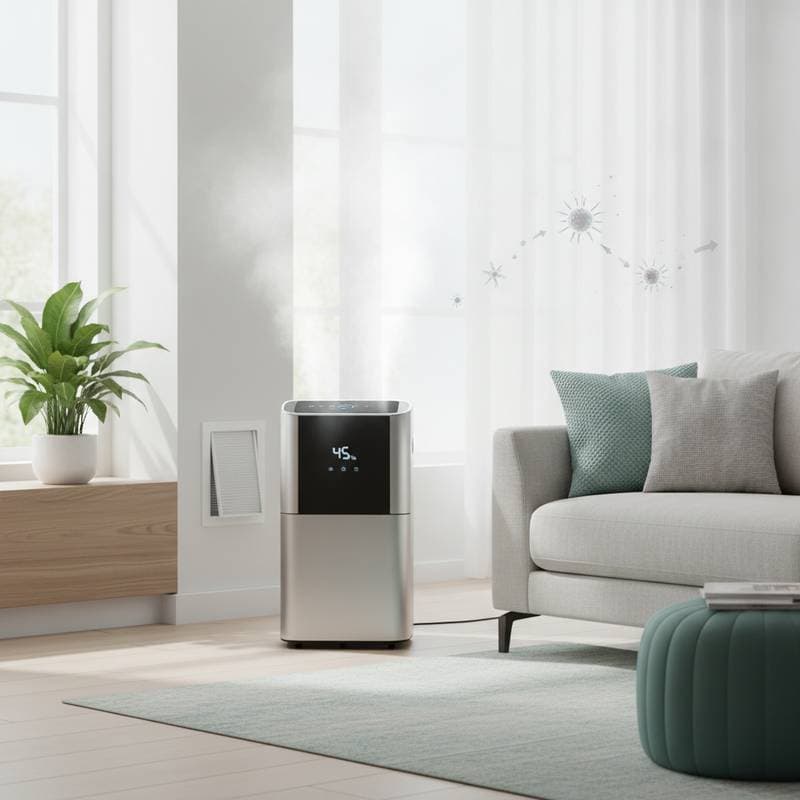
Affirmative; by eliminating surplus moisture, the air conditioner operates with greater efficiency, allowing cooler sensations at elevated thermostat settings.
What Is the Recommended Service Frequency for Humidity Control Systems?
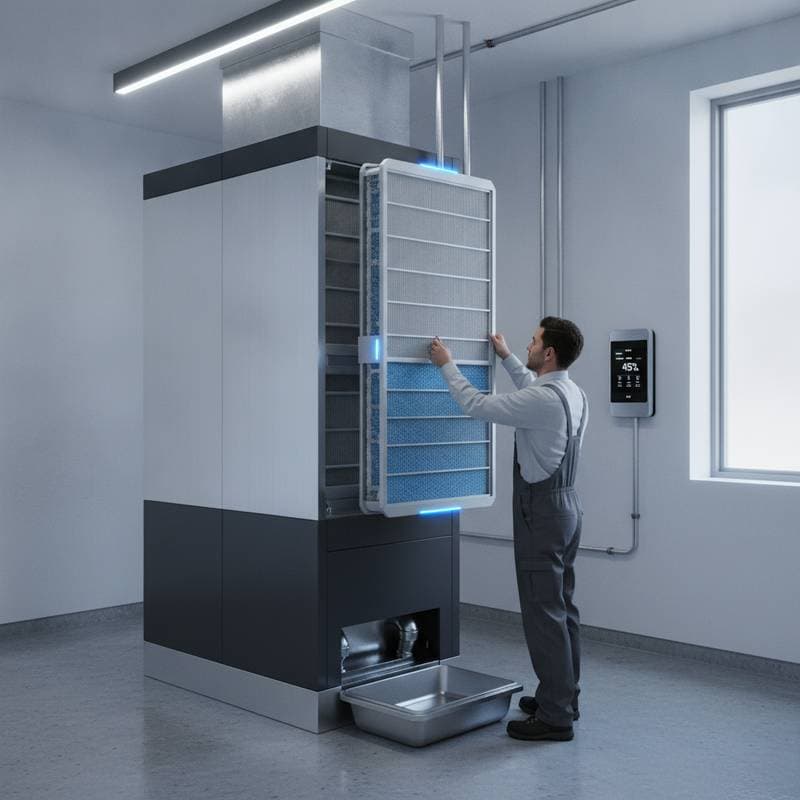
Arrange annual professional inspections. Consistent servicing averts mineral accumulation and verifies sensor accuracy.
What Indicators Suggest Imbalanced Humidity?
Frequent static shocks, persistent dry skin, window condensation, or musty smells signal humidity deviations.
Do Smart Humidity Systems Justify Their Cost?
These systems automatically monitor and regulate humidity, curbing energy use and sustaining comfort without manual intervention.
Steps to Achieve Balanced Indoor Comfort
Begin by assessing current humidity levels with a reliable hygrometer. Consult certified HVAC specialists to evaluate system needs and obtain tailored recommendations. Implement a maintenance schedule to sustain efficiency and longevity, ensuring year-round savings and well-being.