Why Residences in 2026 Require Whole Home Dehumidifiers
From my extensive experience as an HVAC professional, I frequently encounter homeowners grappling with persistent discomfort during humid periods. Individuals enter their residences anticipating relief, only to find the atmosphere dense, clammy, and unbalanced. Although the thermostat indicates an appropriate temperature, an underlying issue persists. This unease stems directly from elevated indoor humidity, which underscores the growing necessity of whole home dehumidifiers in contemporary climate control setups.
Challenges Posed by Elevated Indoor Moisture
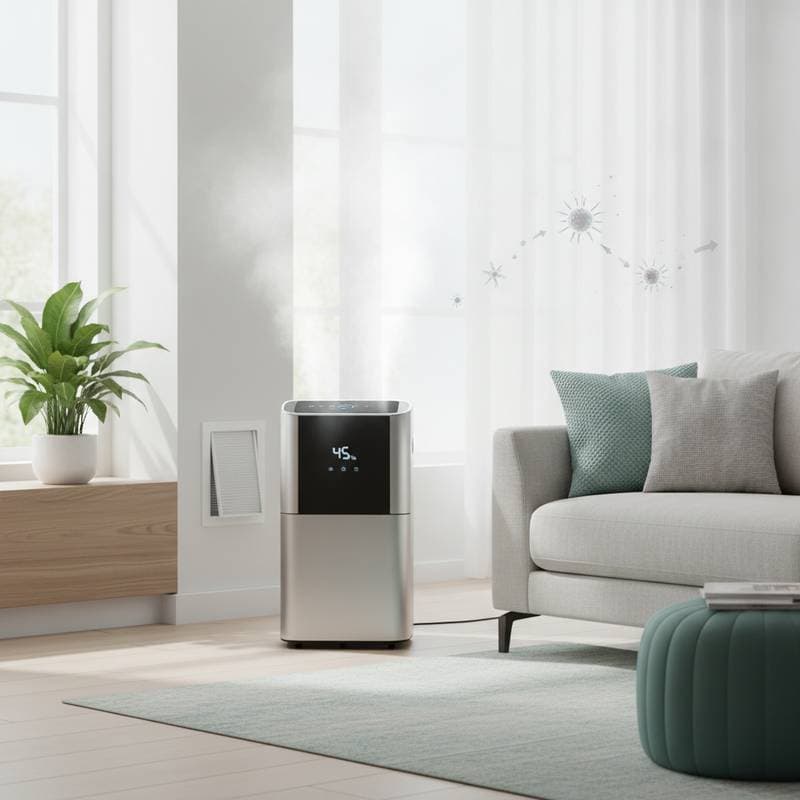
Humidity exceeding 50 percent alters the indoor environment in subtle yet significant ways. The air perceives as warmer than its actual temperature, compelling the air conditioning unit to operate extended cycles. Consequently, wooden floors may distort, paint surfaces peel, and allergens such as dust mites and mold proliferate in moist settings. In regions like coastal areas and the southern United States, where ambient moisture persists annually, these issues manifest continuously. Throughout my career, I have witnessed properties incur damages amounting to thousands of dollars due solely to unchecked humidity levels.
Excess moisture also imposes additional stress on cooling equipment. Air conditioners expend disproportionate effort on dehumidification, which diminishes operational efficiency, escalates utility expenses, and accelerates wear on components. Numerous property owners assume that their air conditioning system suffices for moisture management, yet this represents a common misunderstanding. Air conditioners primarily function to lower temperature, lacking the precision required to regulate humidity uniformly across all spaces.
Mechanisms by Which Whole Home Dehumidifiers Address These Issues
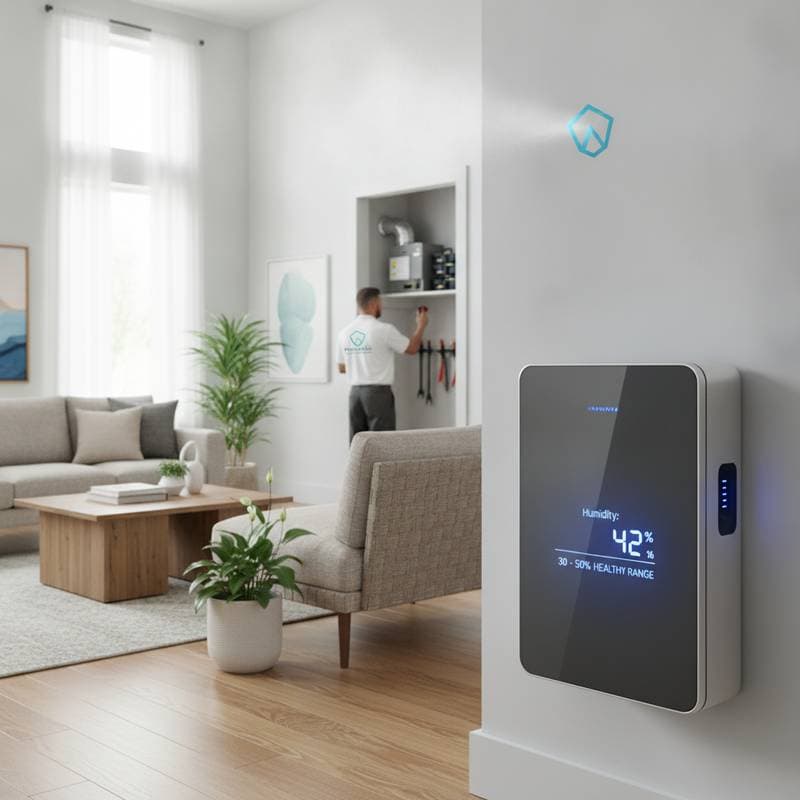
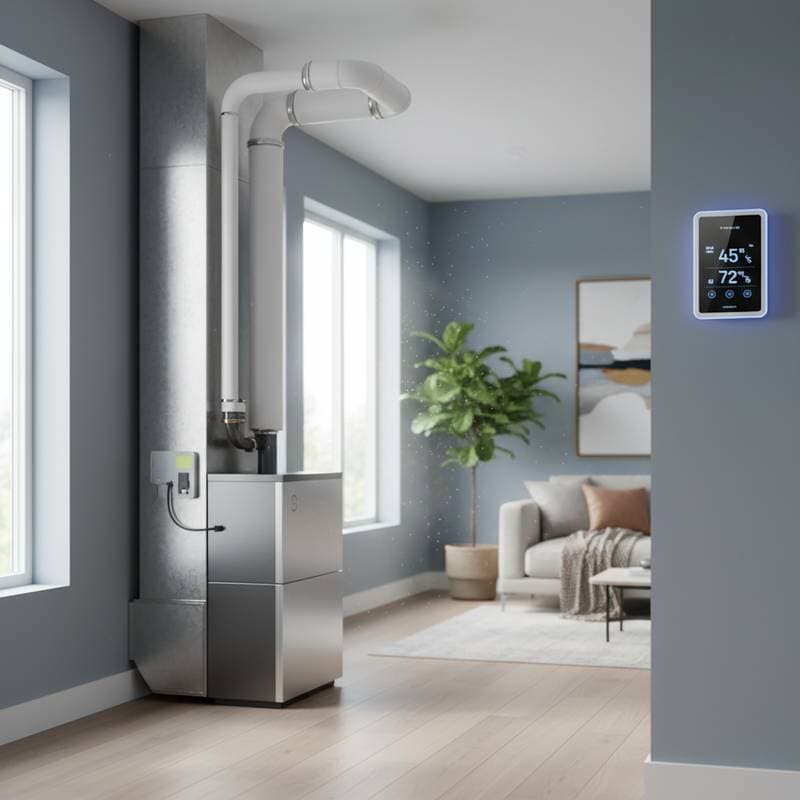
A whole home dehumidifier connects seamlessly to the existing HVAC infrastructure. It draws in humid interior air, removes surplus water vapor, and recirculates drier air evenly throughout the dwelling. This process yields refreshing, purified airflow that enhances perceived coolness and cleanliness. As an HVAC specialist, I advocate for these installations among clients pursuing consistent comfort and sustained performance.
These devices function with minimal noise and require no manual intervention. Owners select a target humidity range, generally 40 to 50 percent, and the unit sustains this level autonomously. Such precision not only safeguards structural elements but also promotes family well-being by inhibiting the development of mold and bacteria.
Essential Benefits for Property Owners
- Improved Comfort Levels: Reduced moisture makes air feel cooler, allowing thermostat settings to increase without sacrificing satisfaction.
- Decreased Energy Consumption: Alleviating the air conditioner's dehumidification burden can lower usage by as much as 15 percent.
- Superior Indoor Air Quality: Optimal humidity curbs the growth of allergens, mold spores, and dust mites.
- Protection of Home Features: Materials like wood flooring, cabinetry, and wallboard endure longer under controlled conditions.
- Extended Equipment Durability: Diminished operational strain on the air conditioner reduces repair frequency and prolongs service life.
Guidance for Selecting an Appropriate System
- Evaluate Property Dimensions and Configuration: Engage a certified technician to determine capacity needs based on total square footage and insulation effectiveness.
- Ensure Compatibility with Current HVAC Setup: Contemporary models integrate effortlessly with duct systems to achieve uniform moisture distribution.
- Prioritize Energy-Efficient Options: Choose units bearing ENERGY STAR certification for superior efficiency and reduced environmental impact.
- Opt for Expert Installation Services: Proper setup demands attention to drainage pathways and airflow optimization to prevent hazards and ensure reliability.
- Incorporate Intelligent Monitoring: Linking the system to a smart thermostat enables detailed adjustments and real-time performance analysis.
Factors to Consider Prior to Implementation
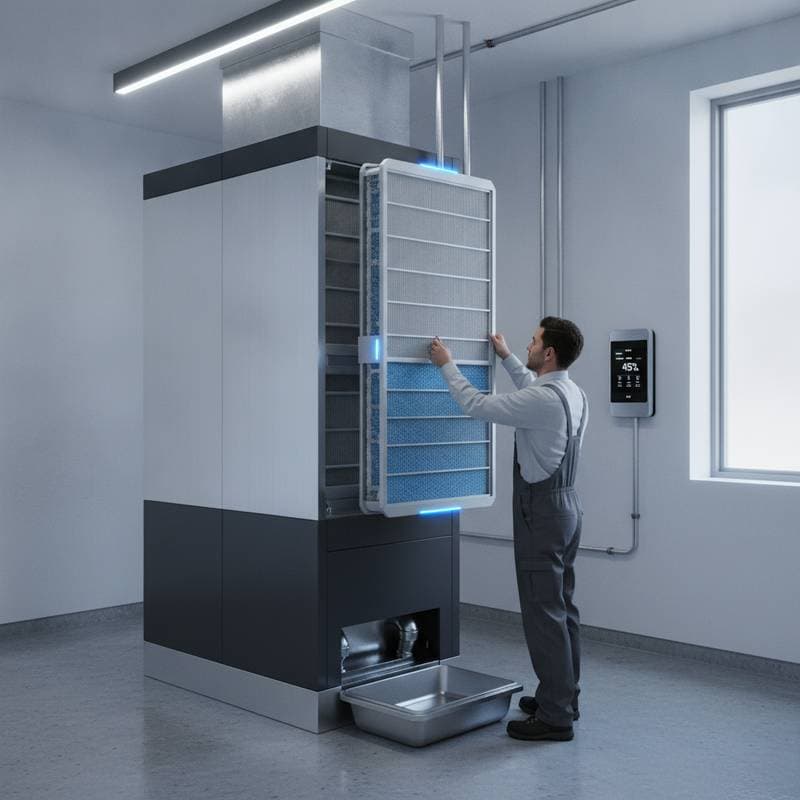
Installation costs for whole home dehumidifiers typically range from $1,500 to $3,000, varying with unit size and residence scale. Although this initial outlay appears considerable, the returns in enhanced livability and system durability justify the expense. Maintenance remains straightforward, involving annual filter changes and drainage checks with negligible ongoing costs. Select a licensed HVAC contractor familiar with regional codes and electrical requirements to avoid complications such as leaks or disrupted airflow.
In humid locales, particularly those adjacent to bodies of water or oceanfronts, dehumidification transcends convenience to become imperative for preserving both aesthetics and health. As technician Maria Lopez observes, “The key to success lies in consistent humidity control. It protects both your comfort and your home’s foundation.”
Steps to Achieve Optimal Humidity Management
Effective humidity regulation often escapes attention in home improvement priorities. Installing a whole home dehumidifier establishes a protective barrier against oppressive heat, lingering dampness, and excessive air conditioner runtime. In my professional observations, this modification yields tangible improvements: fresher indoor environments, balanced room conditions, and measurable reductions in monthly bills. Contact a qualified HVAC specialist via americanairhvac.net for a complimentary assessment and explore the transformative potential of precise moisture control in your home.
Frequently Asked Questions
Q: How frequently should a whole home dehumidifier receive maintenance?
A: Annual servicing suffices in most cases. A qualified technician will inspect and clean filters, verify drainage functionality, and adjust humidity settings for accuracy.