Why Traditional AC Systems Struggle with Humidity Control
Air conditioning units provide essential cooling during hot months, yet they frequently overlook a critical aspect of comfort: humidity. Homeowners often notice sticky air even after the thermostat reads a comfortable temperature. This occurs because standard AC systems prioritize temperature reduction over moisture removal, resulting in imbalanced indoor environments.
Understanding this limitation empowers individuals to seek comprehensive solutions. Traditional setups dehumidify as a secondary effect of cooling, but they cannot fine-tune moisture levels independently. As a result, spaces may feel clammy or overly dry, affecting daily living.
How Air Conditioners Operate and Their Dehumidification Shortcomings
Air conditioners function by circulating refrigerant through coils that absorb heat from indoor air. As warm air passes over these cold coils, moisture condenses and drains away, reducing both temperature and humidity to some extent. This process mimics the human body's cooling mechanism through perspiration.
However, the system activates only when the set temperature threshold triggers it. Once the room cools sufficiently, the unit shuts off, halting dehumidification entirely. In humid climates, this on-off cycling leads to insufficient moisture removal, especially during milder temperatures when the AC runs less frequently.
Variable conditions exacerbate the issue. High outdoor humidity infiltrates homes through cracks and vents, overwhelming the AC's incidental dehumidification. Without dedicated controls, the system cannot adjust to these fluctuations, leaving relative humidity levels elevated above the ideal 30 to 50 percent range.
Key Limitations in Standard AC Performance
-
Cycling Inefficiency: Units turn on and off based on temperature, not humidity, causing inconsistent moisture control.
-
Overcooling Tendency: To remove excess moisture, users lower the thermostat, which cools the space excessively and wastes energy.
-
Lack of Precision: No sensors monitor real-time humidity, preventing targeted adjustments.
These constraints not only compromise comfort but also strain the system, shortening its lifespan.
Consequences of Inadequate Humidity Management
Elevated indoor humidity fosters mold growth on walls and furnishings, posing respiratory risks to occupants. Dust mites thrive in moist conditions, triggering allergies and asthma symptoms. Conversely, overly dry air from aggressive cooling can irritate skin and eyes.
Energy consumption rises as inefficient dehumidification forces the AC to work harder. Homeowners face higher utility bills without achieving true comfort. Structural damage, such as warped wood or corroded electronics, emerges over time in uncontrolled environments.
Health experts recommend maintaining balanced humidity to support well-being. Poor control disrupts sleep and productivity, underscoring the need for advanced HVAC strategies.
2026 Innovations Revolutionizing Humidity Control
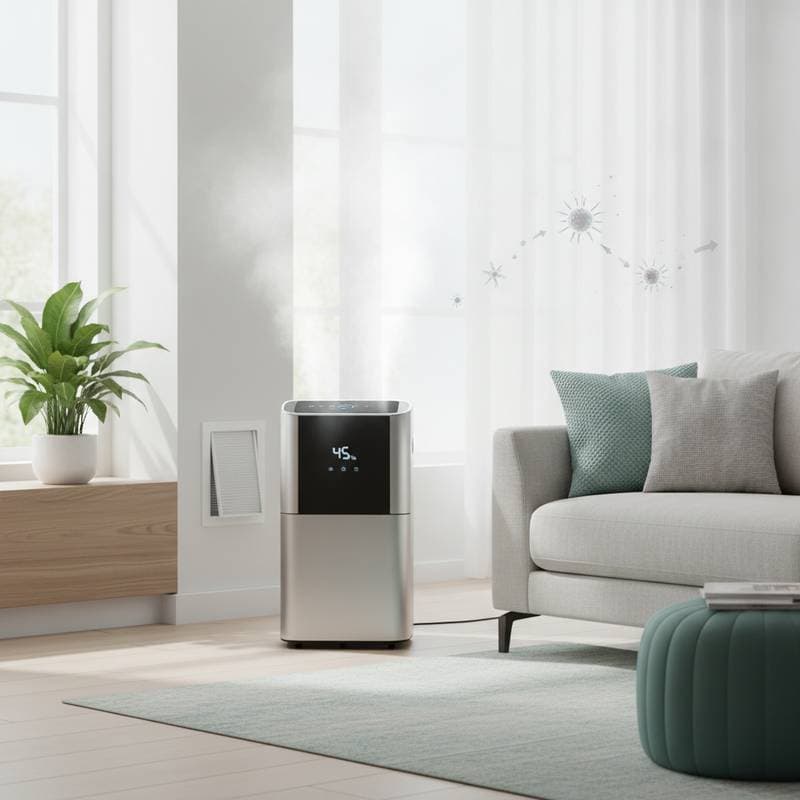
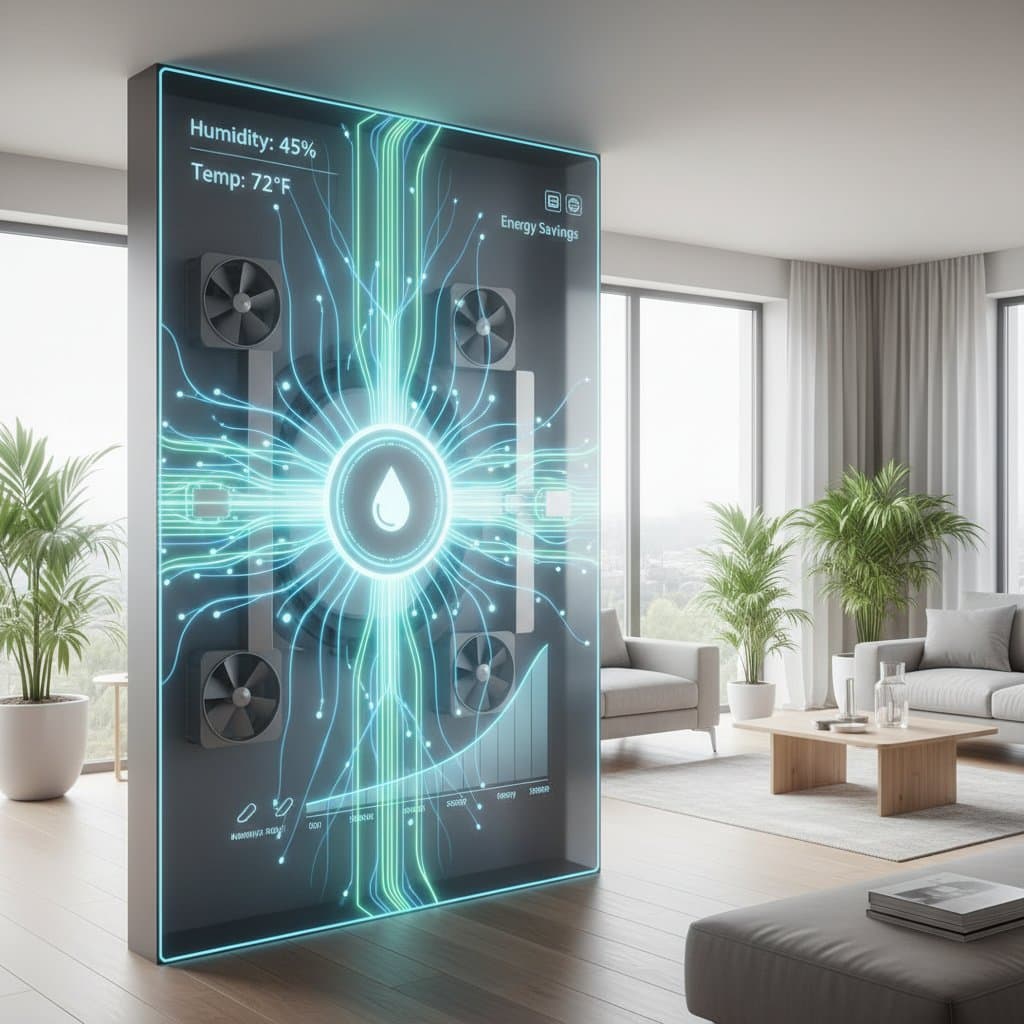
By 2026, HVAC technology advances integrate dedicated humidity management into core system design. Smart sensors embedded throughout homes detect moisture levels in real time, relaying data to central controllers. These devices adjust operations dynamically, ensuring consistent indoor conditions.
Variable-speed compressors represent a pivotal upgrade. Unlike fixed-speed models, they modulate output to match demand, running continuously at low speeds for steady dehumidification without overcooling. This approach maintains humidity targets precisely, even on humid days.
Real-time moisture management employs algorithms that predict and preempt humidity spikes. Integration with whole-home ventilation systems expels excess moisture while filtering incoming air. Standalone dehumidifiers sync seamlessly, activating only when needed to supplement AC efforts.
Breakthrough Features in Next-Generation Systems
- Adaptive Sensors: Placed in key areas like bathrooms and basements, these monitor and report humidity variations instantly.
- AI-Driven Optimization: Machine learning analyzes usage patterns to automate adjustments, learning from seasonal changes.
- Energy-Efficient Integration: Compatible with solar panels and smart thermostats, reducing overall power draw by up to 30 percent.
These elements transform HVAC units into multifaceted comfort solutions, addressing humidity at its source.
Benefits of Advanced Humidity Control for Homeowners
Implementing 2026 technologies yields healthier living spaces by curbing allergens and pathogens. Families experience fewer illnesses, with improved air quality enhancing daily vitality. Comfort levels rise as temperatures and humidity align perfectly, eliminating the sticky or stuffy sensations of traditional setups.
Energy savings materialize through efficient operation. Systems avoid unnecessary cycling, lowering bills and environmental impact. Long-term durability increases, as balanced conditions prevent wear on components like coils and ducts.
Home value appreciates with modern, efficient HVAC installations. Prospective buyers prioritize features that promote wellness and sustainability, making upgrades a wise investment.
Preparing Your Home for Enhanced Humidity Management
Evaluate current humidity levels using affordable hygrometers placed in living areas. Readings above 60 percent signal the need for intervention. Inspect ducts and seals for leaks that allow moist air entry.
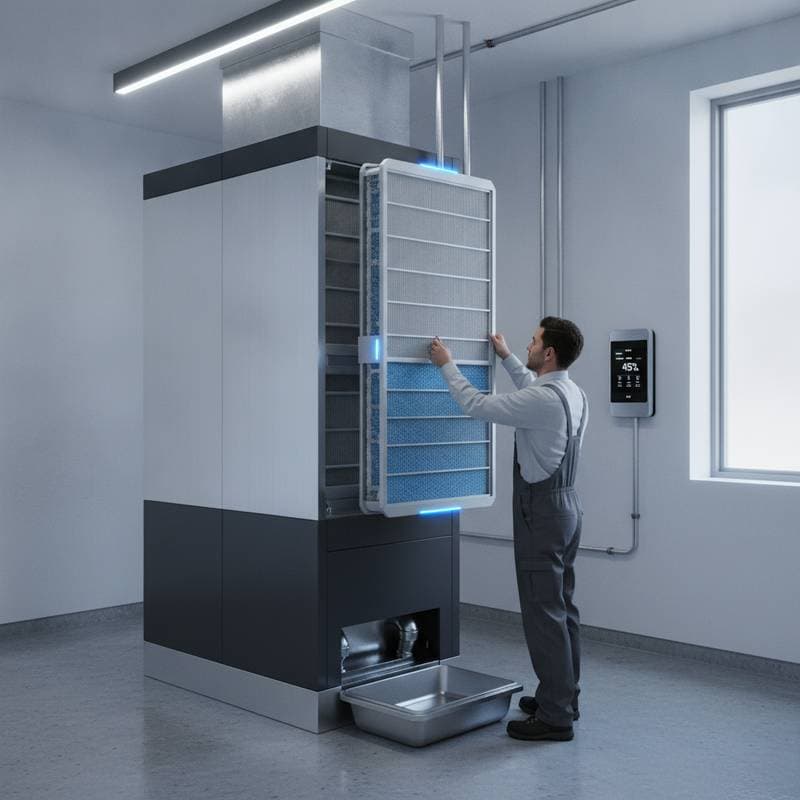
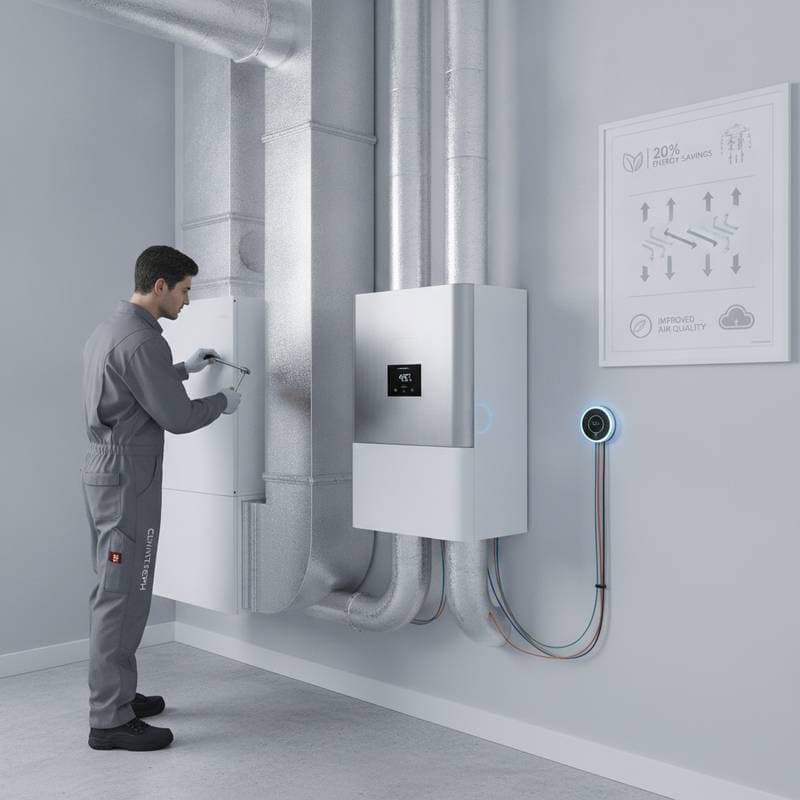
Consult HVAC professionals to assess compatibility with upcoming innovations. Retrofitting existing units with sensor kits provides an interim solution. Plan for full system replacement by 2026 to capitalize on integrated advancements.
Incorporate lifestyle adjustments, such as using exhaust fans in kitchens and bathrooms. These steps bridge the gap until technology fully matures, offering immediate relief.
Optimizing Indoor Environments for Lasting Comfort
Mastering humidity control elevates home living beyond mere cooling. 2026 innovations promise precision that aligns with modern demands for efficiency and health. Homeowners who adopt these systems secure environments that nurture well-being year-round.
Balanced air fosters relaxation and focus, turning houses into sanctuaries. With reduced maintenance and costs, the path to superior comfort becomes accessible. Embrace these developments to redefine indoor quality.