Why 2025 HVAC Systems Require Whole-Home Dehumidifiers
In my experience as an HVAC professional, I frequently enter homes where the air feels oppressively heavy and sticky, despite a thermostat indicating a comfortable temperature. Homeowners commonly report that the interior feels muggy even with the air conditioning operating. This clammy sensation extends beyond mere discomfort; it indicates that the system struggles to regulate indoor humidity. In areas with extended humid periods, this issue can subtly erode both comfort and operational efficiency.
Signs such as damp sensations, fogged windows, or prolonged air conditioning cycles often point to excess humidity as the underlying cause. Fortunately, contemporary whole-home dehumidifiers address this challenge comprehensively. These systems integrate with existing HVAC configurations to regulate moisture levels throughout the residence, resulting in clean, invigorating air that enhances overall comfort.
From extensive fieldwork, I observe that property owners who prioritize humidity management encounter fewer service issues, reduced utility expenses, and improved indoor air quality. The following sections examine why advanced 2025 HVAC installations incorporate whole-home dehumidifiers to achieve the reliability and satisfaction users demand.
Functions of Whole-Home Dehumidifiers
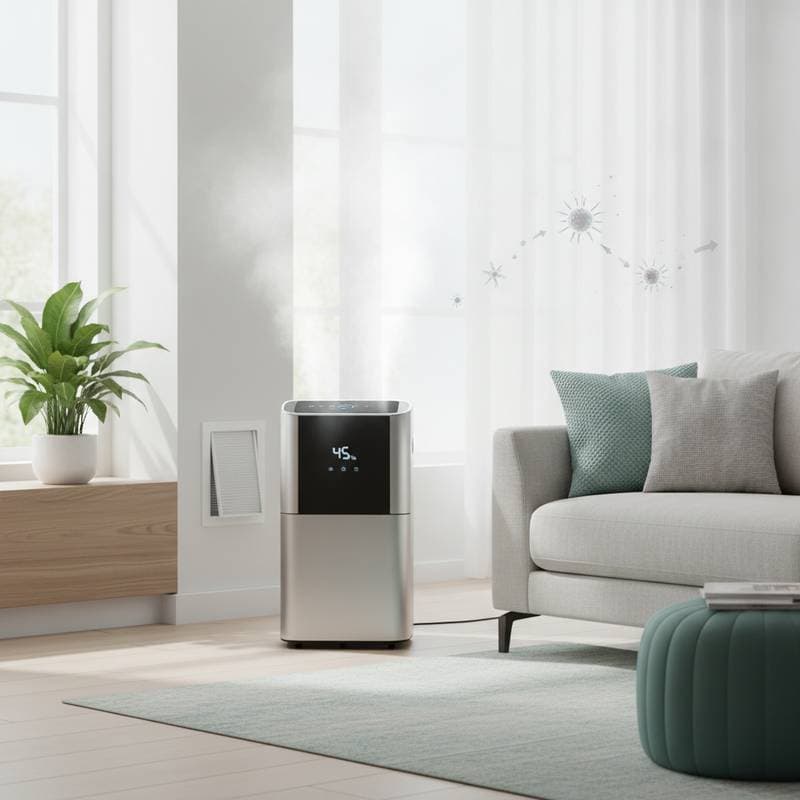
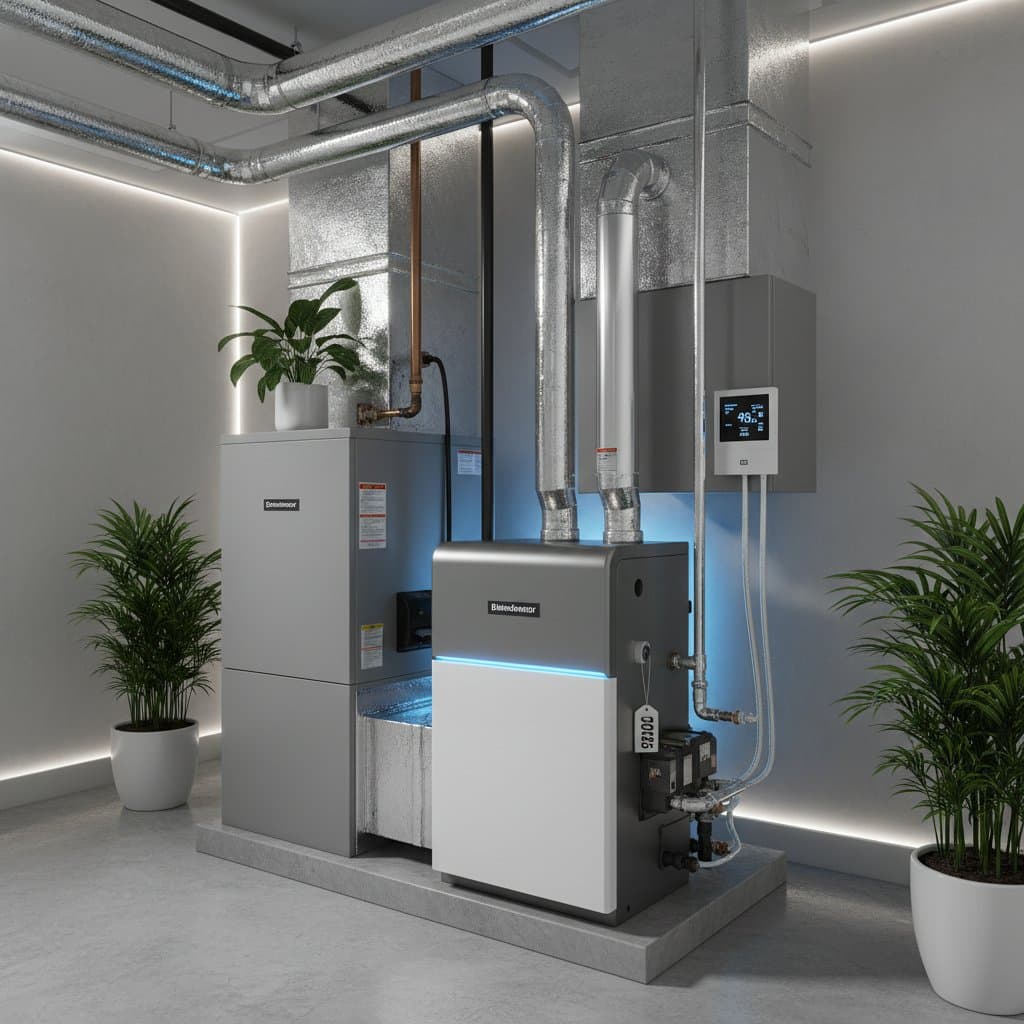
A whole-home dehumidifier connects seamlessly to the central HVAC framework. In contrast to portable devices limited to individual spaces, these units process air across all areas of the property. They intake humid air, remove surplus moisture, and redistribute conditioned air via the duct network.
Consider the HVAC system as the core rhythm of the home; the dehumidifier serves as a specialized regulator for moisture balance. It supports both cooling and heating operations, promoting steady comfort throughout the seasons.
Current models emphasize silent functionality and optimal energy use. Numerous units feature intelligent controls that track humidity levels and modulate performance to sustain an optimal range of 40 to 50 percent.
Professional Approaches to Indoor Humidity Regulation
When humidity issues arise, implement these expert methods for precise resolution.
1. Evaluate Moisture Sources in the Home
Each residence generates distinct humidity from activities like bathing, meal preparation, or infiltration from basements and structural gaps. An HVAC specialist measures relative humidity indoors and pinpoints entry points for excess moisture.
2. Examine Ductwork and Ventilation Systems
Duct leaks or inadequate insulation may introduce humid external air from attics or subfloors. Proper sealing and insulation of ducts facilitate even airflow and effective moisture management.
3. Deploy a Whole-Home Dehumidifier
Choose a unit scaled to the home's size and HVAC specifications. Installation costs generally fall between $1,200 and $2,800, varying by manufacturer and capabilities.
4. Incorporate Intelligent Control Systems
Advanced thermostats interface with dehumidifiers, enabling remote monitoring of humidity via mobile devices or panels. Such connectivity optimizes performance and minimizes manual interventions.
5. Arrange Routine Professional Servicing
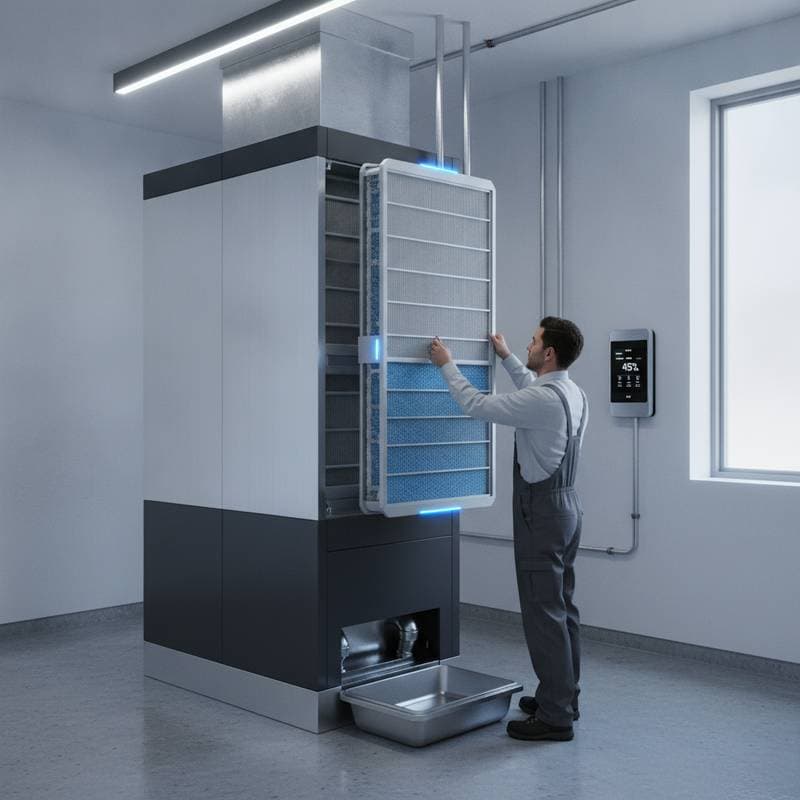
Annual inspections by certified technicians ensure peak operation. These visits involve coil cleaning, drainage line verification, and sensor calibration.
Key Factors for Dehumidifier Installation
System Integration
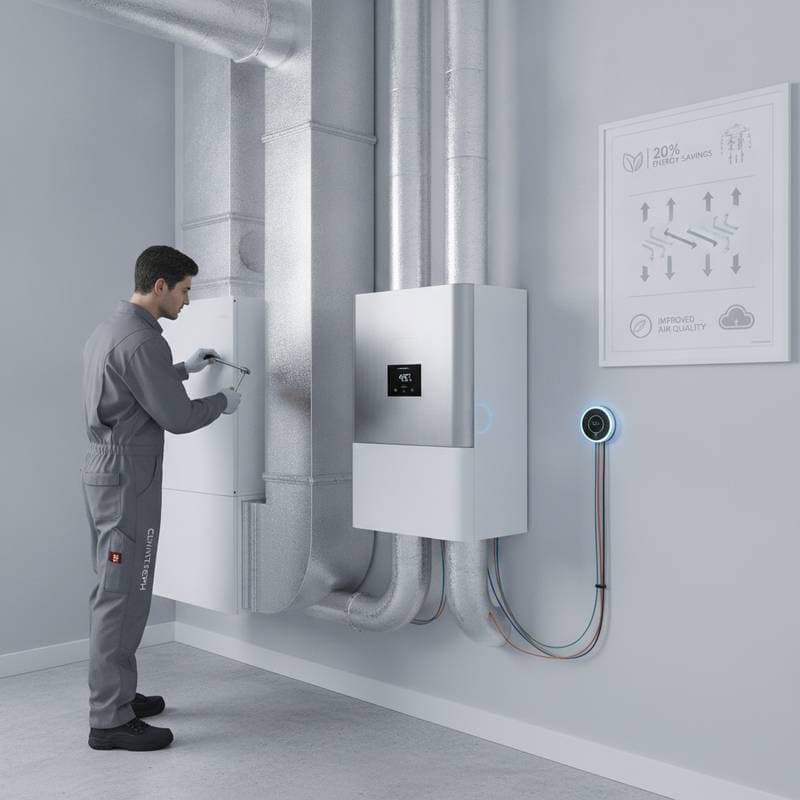
Whole-home dehumidifiers link to established HVAC setups, though compatibility hinges on the existing infrastructure. Expert evaluation confirms appropriate sizing and duct connections.
Financial Aspects and Value Recovery
Installation expenses typically span $1,200 to $3,000. Although initial outlay appears significant, advantages like energy conservation, diminished repairs, and superior air quality recoup costs over several years.
Upkeep Demands
Maintenance remains straightforward. Routine tasks include condensate drain clearance, filter replacement, and annual professional reviews to sustain efficiency.
Safety Protocols and Regulatory Adherence
Engage licensed experts for setup. Units necessitate secure electrical wiring and drainage arrangements. Compliance with local regulations, including permits, falls under professional responsibility.
Anticipated Outcomes
Changes may unfold gradually, yet within a week, air quality improves noticeably. Surfaces remain dry, and air conditioning cycles shorten, enhancing daily living.
Whole-Home Dehumidifiers Versus Portable Alternatives
Property owners frequently inquire if portable devices suffice for humidity control. While effective in isolated zones, they lack the uniform reach and reliability of integrated whole-home solutions.
| Feature | Whole-Home Dehumidifier | Portable Unit |
|---|---|---|
| Coverage | Full residence | One room |
| Integration | HVAC-compatible | Independent operation |
| Maintenance | Yearly professional check | Regular manual draining |
| Energy Efficiency | Superior | Average |
| Noise Level | Minimal | Audible operation |
| Cost Range | $1,200–$3,000 installed | $150–$400 per device |
For sustained comfort and streamlined operations, whole-home systems deliver superior results and ease.
Frequently Asked Questions
Question: How frequently does a whole-home dehumidifier require servicing?
Answer: Plan professional maintenance annually, coordinated with HVAC servicing. This encompasses coil cleaning, drainage inspections, and sensor validation.
Question: Does a dehumidifier elevate electricity costs?
Answer: It adds a modest increment, yet overall expenses often decline as air conditioning operates more efficiently. Users report reductions up to 15 percent in total energy consumption post-installation.
Question: Is self-installation of a whole-home dehumidifier advisable?
Answer: Professional handling is essential due to requirements for electrical, drainage, and ductwork expertise.
Question: What indoor humidity level is ideal?
Answer: Target 40 to 50 percent relative humidity to foster comfort, inhibit mold growth, and protect structural elements.
Question: Do whole-home dehumidifiers produce significant noise?
Answer: They operate with negligible sound, typically quieter than standard air conditioning.
Achieving Enduring Indoor Comfort Through Humidity Balance
Effective humidity regulation safeguards property value, promotes well-being, and fosters an inviting home atmosphere. Whole-home dehumidifiers represent a strategic enhancement that integrates seamlessly into modern living, delivering measurable improvements in daily comfort and system longevity.