Why 2025 Homes Require Whole Home Dehumidifiers
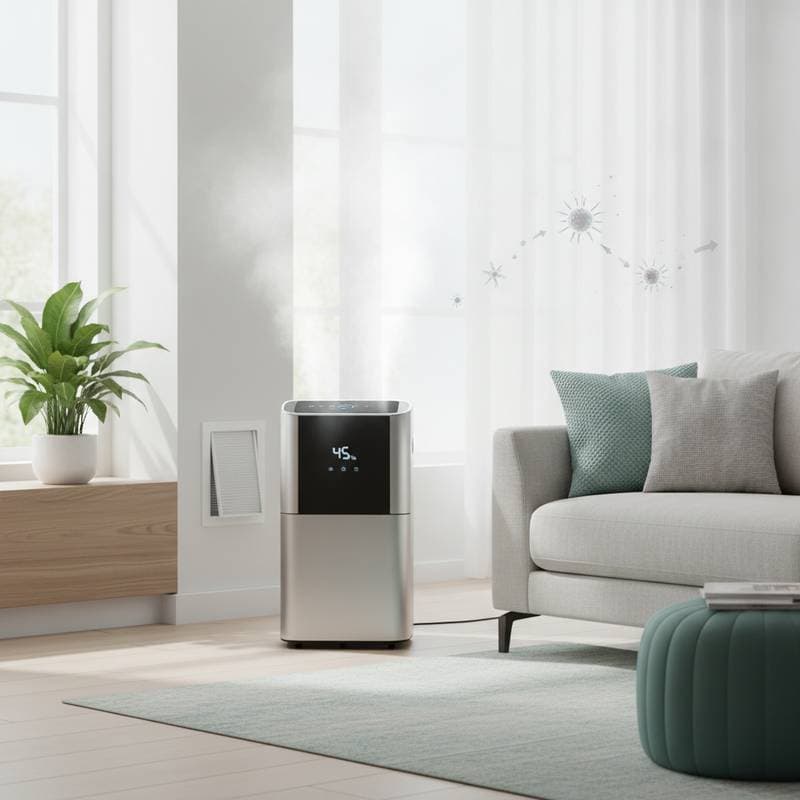
Homeowners frequently encounter clammy interiors, persistent musty smells, and condensation on windows despite operating air conditioners. That familiar sticky sensation in basements highlights the discomfort of elevated humidity. Beyond unease, surplus moisture promotes mold proliferation, distorts wooden elements, and forces cooling units to operate beyond optimal capacity.
The Rising Challenge of Indoor Humidity
Many regions experience extended humid periods alongside homes constructed for superior energy retention. Insulation preserves treated air yet confines dampness within. Air conditioners extract a portion of humidity during cooling, though their primary function centers on temperature reduction rather than moisture equilibrium.
Humidity exceeding 60 percent manifests as tacky surfaces, reduced air circulation, and initial mildew spots near furnishings or ducts. Prolonged exposure risks structural deterioration and health issues. The Environmental Protection Agency recommends sustaining levels between 30 and 50 percent to foster comfort and security.
How Whole Home Dehumidifiers Address the Issue
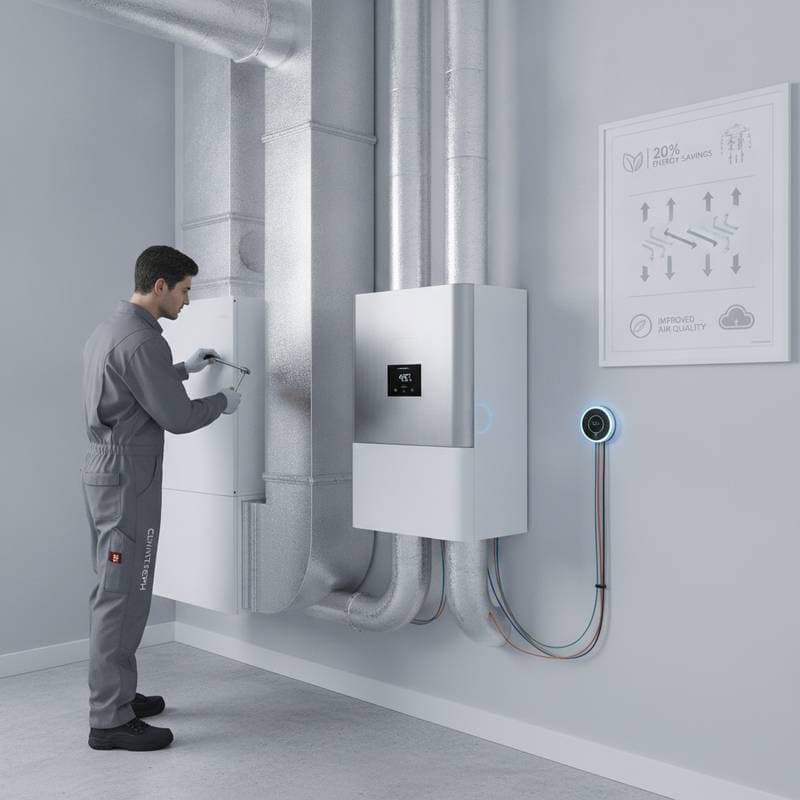
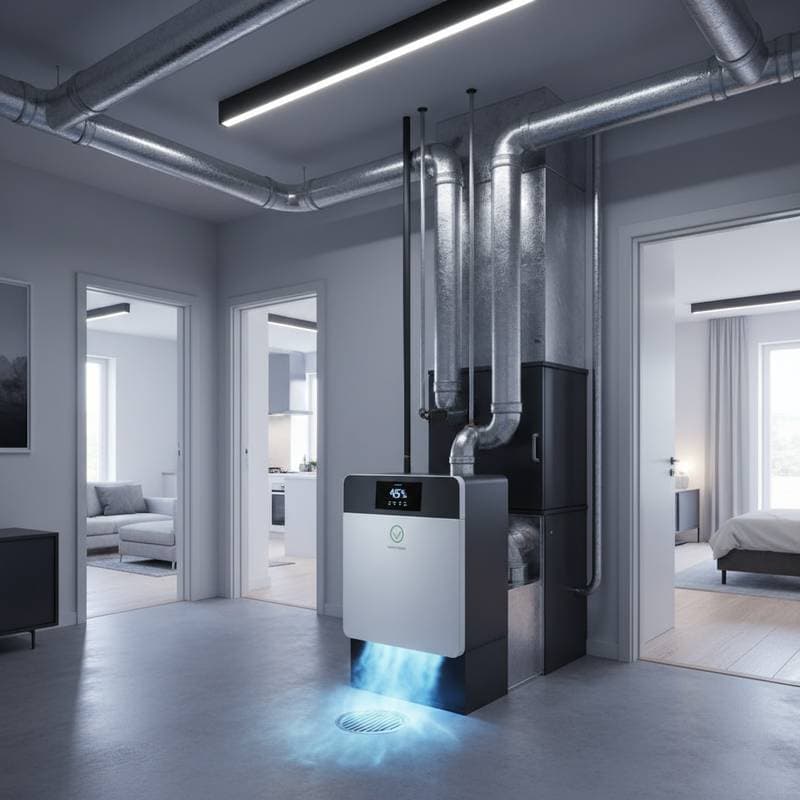
Whole home dehumidifiers link seamlessly to HVAC networks, processing air as it moves through ductwork. In contrast to portable devices limited to single spaces, these installations regulate moisture across the full residence. Outcomes include uniform comfort, purified atmosphere, and prolonged HVAC durability.
Field experience reveals that installations often yield cooling expense reductions of up to 15 percent. Drier conditions enhance perceived coolness, permitting thermostat adjustments upward by several degrees while preserving satisfaction. Air conditioners avoid excessive moisture removal efforts, minimizing component stress.
Proven Approaches to Humidity Regulation
To counteract persistent dampness, consider these essential measures for restoring indoor equilibrium.
1. Evaluate Existing Conditions
Employ a digital hygrometer to track humidity in various areas. Basements, crawl spaces, and bathrooms typically show elevated figures. Such assessments pinpoint hotspots prior to equipment selection.
2. Inspect for Air Infiltration
Dampness infiltrates via gaps around windows, doors, or attic entries. Apply weatherstripping or caulk to seal these pathways and block external humidity intrusion.
3. Install an Integrated System
Collaborate with a certified HVAC professional to select a unit suited to your home's size and configuration. Installed costs for whole home dehumidifiers generally span $1,500 to $3,000, varying by capacity and options. Returns manifest through heightened comfort, decreased energy outlays, and lessened upkeep demands.
4. Perform Routine Upkeep
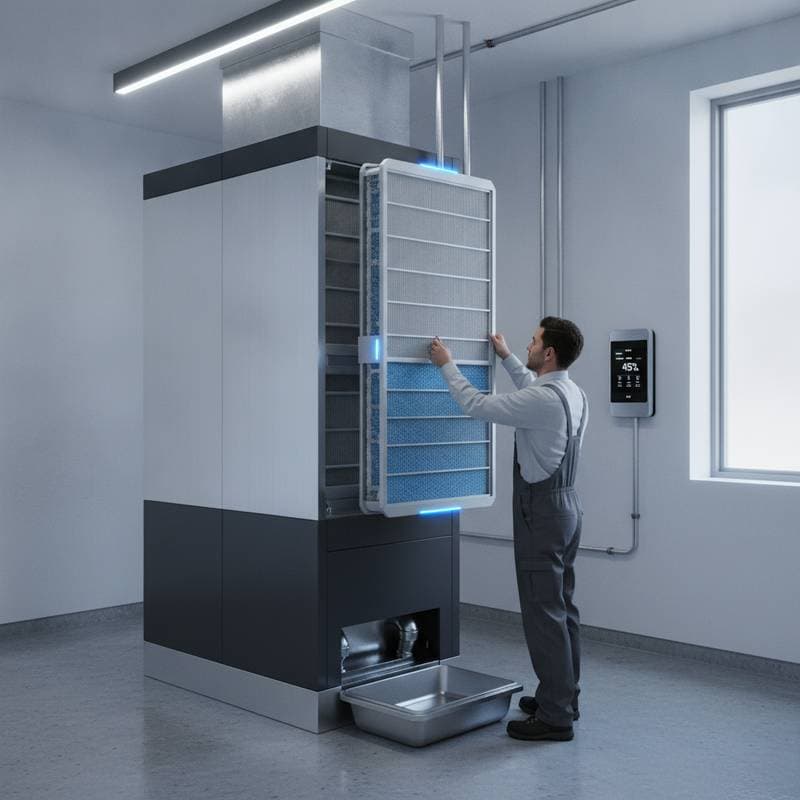
Replace filters at regular intervals and arrange yearly inspections. Technicians verify condensate drainage, adjust settings, and confirm operational efficiency.
Immediate Advantages of Implementation
- Superior Air Quality: Reduced humidity inhibits mold, dust mites, and bacterial development.
- Improved Comfort Levels: Spaces register as cooler and more refreshing amid humid weather.
- Preservation of Surfaces: Wood flooring, cabinetry, and coatings endure extended periods.
- Optimized Energy Use: Cooling cycles shorten, yielding savings and equipment longevity.
As HVAC specialist Michael Torres observes, humidity management represents the overlooked element in achieving consistent comfort. Homeowners prioritize temperature, yet moisture oversight delivers the most significant enhancements to living sensations.
Key Factors for Successful Installation
Prior to proceeding, evaluate your residence's design and current HVAC infrastructure. Properties with sealed ductwork derive maximum benefits from integrated units, whereas aging structures might require preliminary duct repairs. Accurate load assessments guarantee equipment alignment with airflow needs.
Account for ongoing care as well. Filters demand updates every few months, and drainage paths must remain unobstructed to avoid overflows. Fortunately, units function with low noise and limited intervention post-setup.
Pairing whole home dehumidifiers with advanced filtration and UV treatments further elevates air standards. This synergy yields a drier, cleaner, and more inviting habitat.
Steps to Achieve Balanced Indoor Air
Persistent dampness despite air conditioning signals the need for targeted climate intervention. Whole home dehumidifiers elevate comfort while shielding investments in interiors and mechanical systems.
Secure a professional evaluation of humidity dynamics. Contact qualified experts via americanairhvac.net for complimentary consultations on solutions, pricing, and tailored configurations. Balanced moisture ensures vibrant, consistent airflow and seasonal reliability.
Frequently Asked Questions
Q: In what ways does a whole home dehumidifier surpass a portable version?
A: Whole home models integrate with HVAC infrastructure to regulate humidity across the property. Portable alternatives address isolated rooms and necessitate manual water disposal.