Humidity-Controlled HVAC: Revolutionizing Comfort by 2026
Homeowners often face persistent discomfort during summer months, even when air conditioners operate continuously. The air feels sticky and oppressive, despite cool temperatures. This issue stems from excess humidity rather than temperature alone, which not only amplifies perceived warmth but also burdens HVAC systems and fosters mold growth or allergens.
Humidity-controlled HVAC systems address these challenges effectively. They integrate advanced technology to manage moisture levels alongside cooling, ensuring a more balanced and healthful indoor environment.
Understanding the Impact of Excess Humidity
In regions with high humidity, standard HVAC units focus primarily on lowering temperature, often neglecting moisture removal. When indoor humidity exceeds 60 percent, cooling efficiency declines significantly. Homeowners experience prolonged cycles, elevated energy consumption, and a clammy atmosphere that persists.
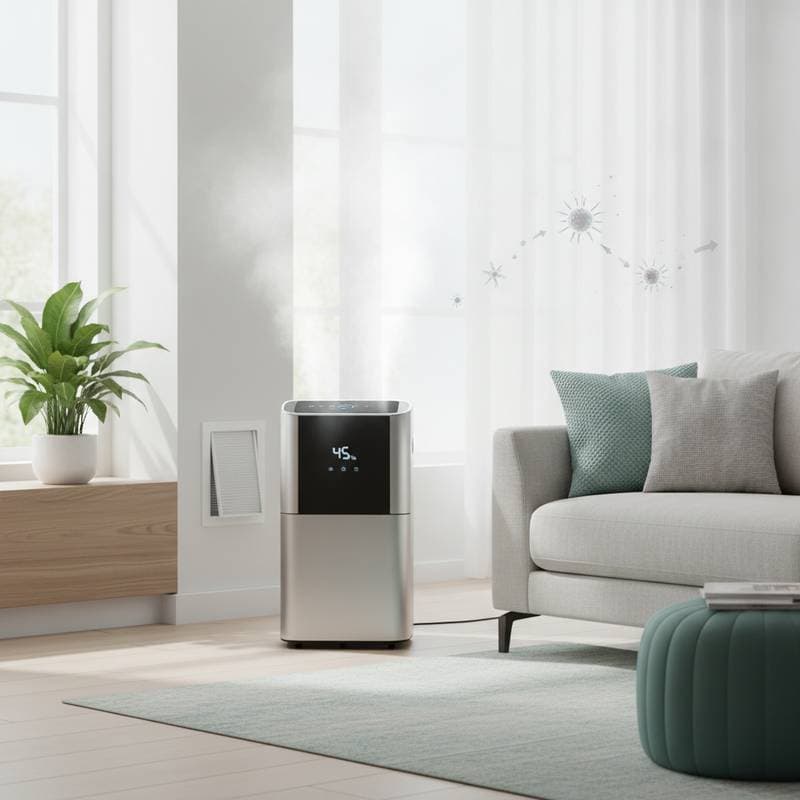
Maintaining humidity between 40 and 50 percent proves essential for optimal comfort. This range cools the sensation of air, preserves the integrity of wooden floors and furniture, and safeguards electronics from corrosion. Without targeted humidity control, air conditioners provide only partial relief, failing to deliver sustained comfort.
Advancements in Humidity-Controlled HVAC Technology
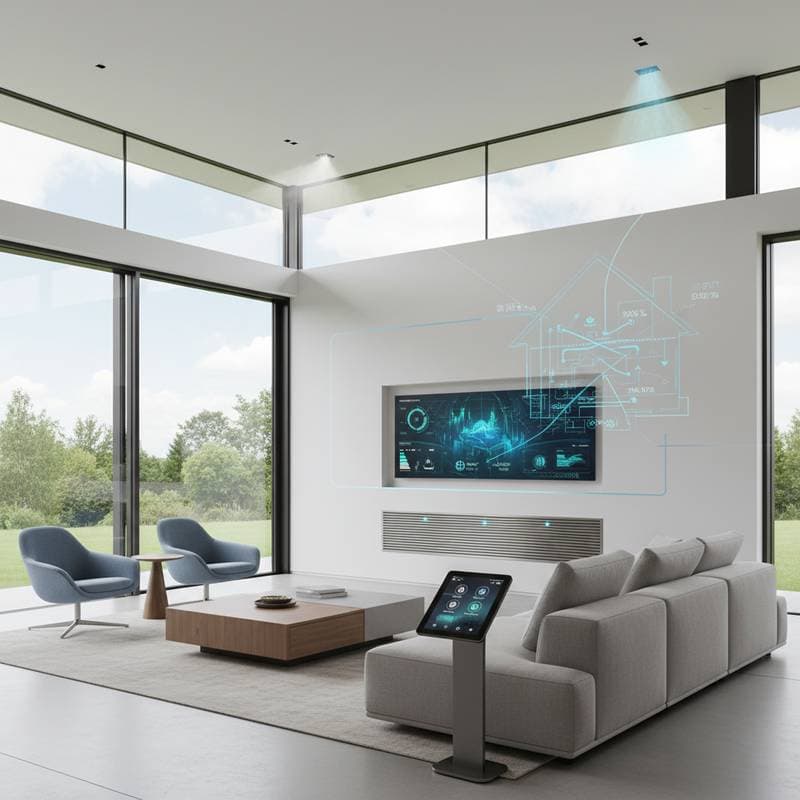
Contemporary HVAC systems incorporate intelligent humidity sensors and comprehensive dehumidification capabilities that respond dynamically to environmental changes. These innovations shift humidity management from a secondary concern to a core function, optimizing overall performance.
Professionals recommend variable-speed units equipped with integrated humidity controls. Such systems modulate airflow and compressor operation based on real-time data for temperature and moisture. The outcome delivers crisp, comfortable air without frequent manual interventions at the thermostat.
Mechanics of Whole-Home Dehumidification
A whole-home dehumidifier functions as an integrated component of the HVAC setup, targeting moisture across the entire residence. It processes air through dedicated coils to extract excess water, then circulates drier air via existing ducts for uniform coverage.
Unlike standalone units limited to single rooms, these systems ensure broad efficacy. The operational sequence includes the following steps:
- Air Intake: Humid air enters via the home's return ducts.
- Moisture Extraction: Air flows over chilled coils, where water vapor condenses into liquid.
- Water Removal: Condensed moisture drains through a dedicated line to prevent re-evaporation.
- Air Reconditioning: The dehumidified air undergoes slight reheating and distributes evenly through supply vents.
This process runs with minimal noise, enhancing system efficiency without added strain.
Key Advantages of Humidity-Controlled Systems
Beyond immediate comfort, these systems yield tangible improvements in efficiency, health, and durability. They optimize resource use and protect home assets comprehensively.
- Energy Savings: Reduced humidity permits higher thermostat settings while preserving comfort, potentially cutting energy consumption by up to 15 percent.
- Improved Health: Optimal moisture levels inhibit mold, dust mites, and bacterial proliferation, alleviating allergies and respiratory concerns.
- Extended Equipment Life: Decreased workload on compressors and fans minimizes wear, leading to fewer repairs and prolonged service intervals.
- Asset Preservation: Controlled humidity averts warping in wood elements, deterioration of paint surfaces, and corrosion on metal fixtures.
Selecting an Appropriate Humidity-Controlled System
Choosing the right upgrade requires careful assessment of specific needs. Consider factors such as home layout and local climate to ensure compatibility and performance.
- Assess Moisture Sources: Evaluate elements like basements, sealed windows, or crawl spaces that contribute to elevated humidity.
- Determine Proper Sizing: Select units matched to square footage; undersized models overwork, while oversized ones cycle inefficiently.
- Incorporate Intelligent Features: Prioritize systems with humidity sensors and app-based monitoring for remote oversight.
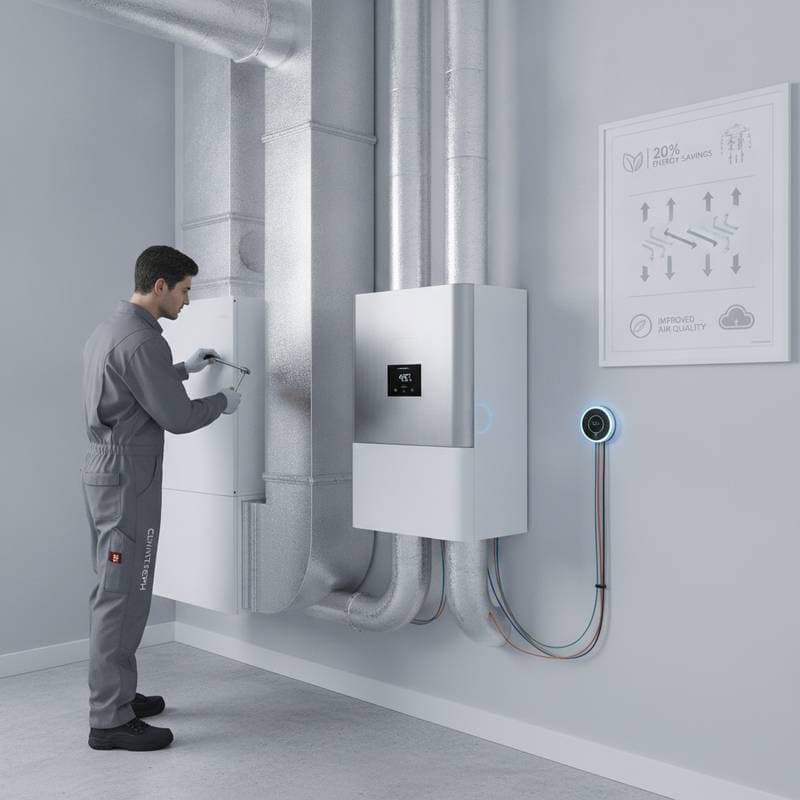
- Engage Certified Installers: Professionals handle duct connections and drainage precisely, adhering to safety standards.
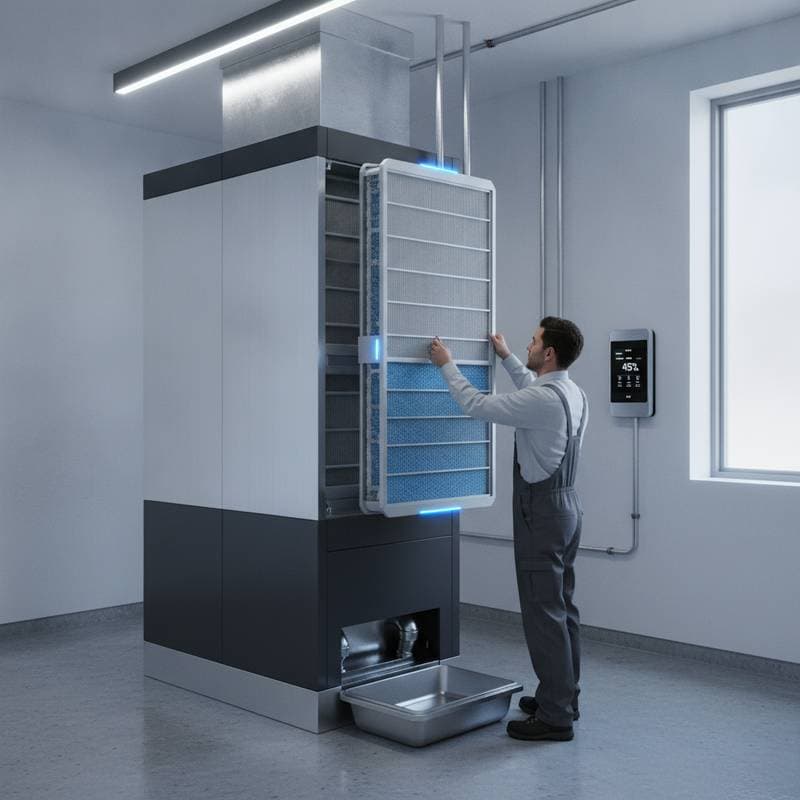
- Establish Maintenance Routines: Annual inspections clean components, calibrate sensors, and confirm drainage functionality.
Installation Essentials and Cost Factors
Installation costs depend on residence size and existing infrastructure, typically ranging from $1,500 to $3,000 for a whole-home dehumidifier, inclusive of labor. Integrating humidity controls into a new variable-speed system may involve higher initial investment but yields substantial long-term savings.
Most projects complete within one day, though legacy ductwork might necessitate adjustments. Verify that installers secure necessary permits and comply with ventilation regulations. Electrical integrations demand thorough safety evaluations. As experienced installer Mike Larson notes, "A humidity system is only as reliable as the quality of its setup. Precision matters more than power."
Achieving Balanced Indoor Comfort
Humidity-controlled HVAC systems eliminate the frustration of sticky, uneven air, fostering a consistently refreshing home atmosphere. They deliver reliable performance through precise technology and professional implementation.
Contact a qualified HVAC specialist via americanairhvac.net for a complimentary assessment. The platform links users with licensed experts attuned to regional conditions, enabling customized solutions that align with individual budgets and enhance overall living quality.
Frequently Asked Questions
Q: Can humidity control integrate with an existing HVAC system?
A: Yes, many residences accommodate whole-home dehumidifiers connected to current ductwork. A professional evaluation determines compatibility and specifies required capacity.