Why Modern Homes Require Humidity Control in HVAC Systems
As an HVAC professional, I have observed numerous homeowners grappling with elusive comfort challenges. Individuals frequently adjust the thermostat repeatedly, yet the environment remains unsatisfactory. The air feels humid during summer months and arid in winter, while energy expenses continue to rise. This underlying imbalance often stems from inadequate humidity regulation.
Residents in regions with humid summers or dry winters understand the difficulty of achieving consistent comfort. Contemporary construction practices create highly sealed structures to promote energy conservation, yet these designs inadvertently retain moisture within the living space. Absent effective humidity oversight, the HVAC system operates excessively, diminishing overall comfort.
Fortunately, comprehensive whole-home humidity control systems transcend luxury status. These solutions emerge as vital components of advanced HVAC configurations. Based on extensive field experience, I assert that addressing humidity represents one of the most judicious enhancements for residential well-being, operational efficiency, and enduring property worth.
Mechanisms by Which Humidity Control Systems Address These Issues
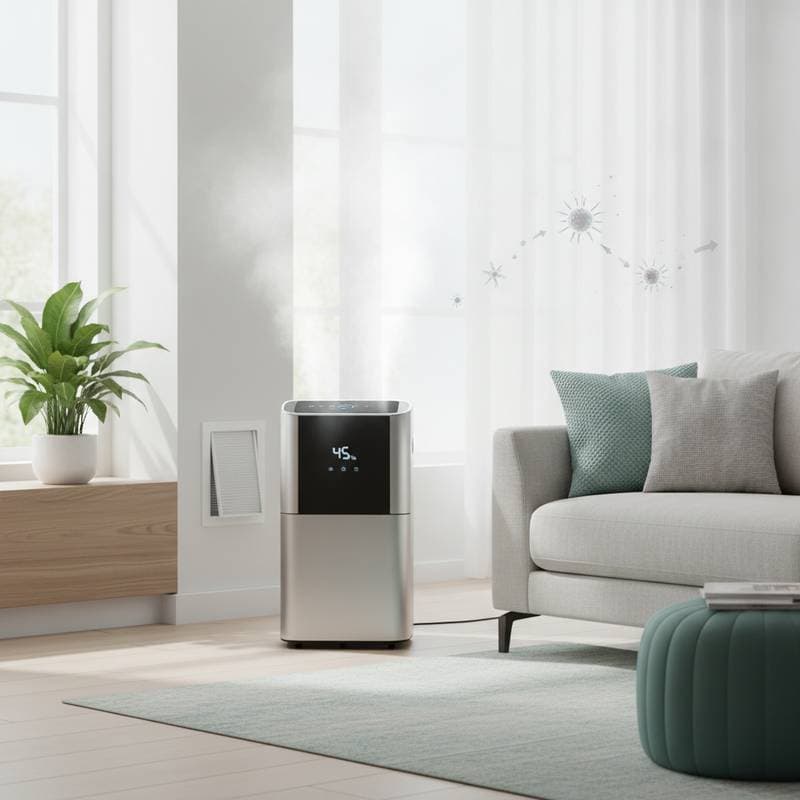
Advanced humidity control systems seamlessly incorporate with central HVAC units to sustain optimal moisture concentrations effortlessly. Whole-home dehumidifiers extract surplus humidity from the atmosphere, whereas humidifiers introduce necessary moisture during periods of excessive dryness. Collectively, these components establish an equilibrated setting that delivers comfort at reduced energy expenditure.
From a professional standpoint, I advocate integrating humidity management with variable-speed air handlers or intelligent thermostats. Such pairings facilitate meticulous oversight and modifications, ensuring stable humidity without ongoing manual adjustments.
Homeowners benefit in several key areas:
- Enhanced Comfort: Properly regulated air provides a perceptibly cooler sensation in summer and warmer feel in winter.
- Reduced Energy Costs: Effective humidity management permits thermostat adjustments of multiple degrees while preserving comfort levels.
- Improved Air Quality: Regulated moisture levels inhibit the proliferation of mold, dust mites, and bacteria.
- Preservation of Interior Elements: Woodwork, textiles, and surface finishes endure longer under stable humidity conditions.
Professional Guidance for Selecting an Appropriate System
Through years of practical application, I recognize that uniform solutions fail to accommodate diverse moisture needs. Consider the following steps to identify the optimal system for your residence:
-
Evaluate Local Climate: In locales with humid summers, select a dehumidifier boasting substantial capacity, measured in pints removed per day. For arid areas, steam-based humidifiers deliver superior performance.
-
Analyze Residence Dimensions and Configuration: Expansive properties might necessitate zoned humidity regulation or supplementary units to achieve uniform coverage.
-
Prioritize Energy Efficiency: Opt for systems certified by ENERGY STAR, which can diminish operational expenses by as much as 30 percent.
-
Incorporate Intelligent Thermostats: These devices enable remote humidity monitoring via mobile applications and issue notifications when levels deviate from recommended thresholds.
-
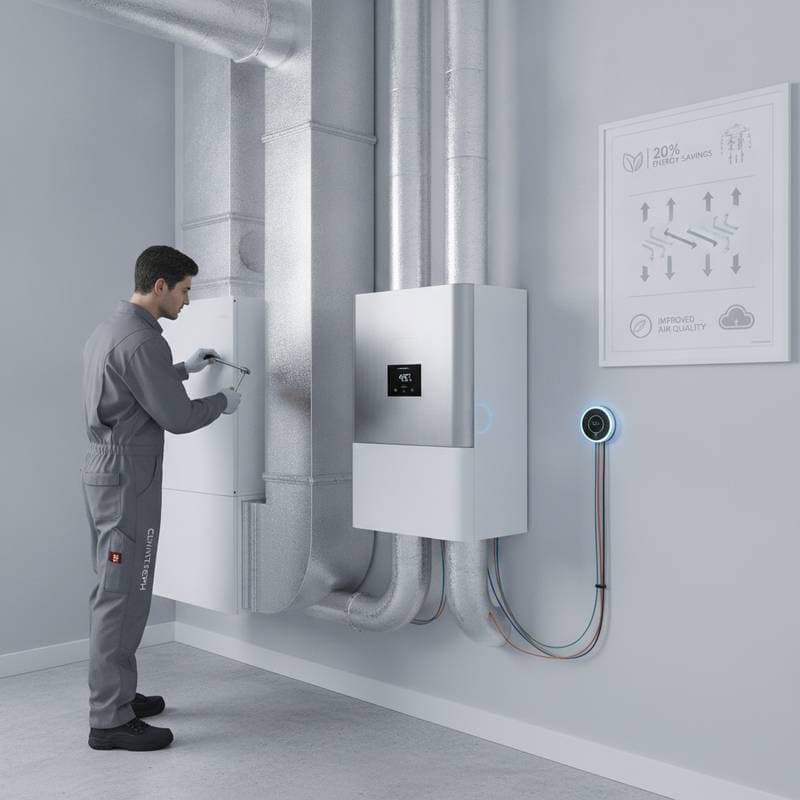
Engage Qualified Installers: Accurate placement proves critical. Faulty ductwork seals or improper drainage configurations risk water leakage and diminished system performance.
Field Observations from Seasoned Professionals
"Humidity control receives frequent oversight, yet it constitutes one of the primary influencers of comfort and energy consumption," remarked Michael Torres, a licensed HVAC contractor possessing more than two decades of expertise. "I have encountered residences with impeccable temperature settings that nonetheless feel uncomfortable, solely due to unmanaged humidity."
Drawing from personal encounters, clients who adopt moisture regulation solutions commonly describe diminished utility bills alongside reduced allergy manifestations and a revitalized indoor ambiance. This understated yet impactful upgrade fundamentally alters daily living experiences within the home.
Addressing Common Concerns
Question: What indicators suggest the need for a humidity control system in my home?
Answer: Persistent musty smells, window condensation, skin dryness, or woodwork cracking signal potential issues. Arrange an indoor air quality assessment to measure humidity precisely.
Question: Do portable dehumidifiers serve as viable substitutes?
Answer: These devices aid small areas effectively but struggle with whole-home demands. Integrated HVAC systems provide uniform coverage and superior long-term economics.
Question: What maintenance frequency applies to humidity control systems?
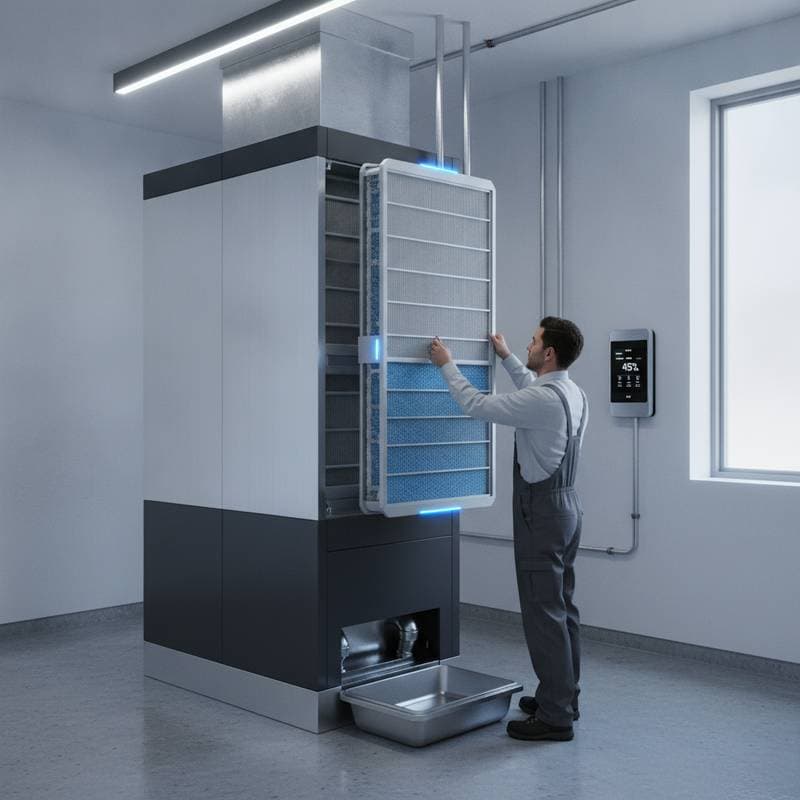
Answer: Annual professional inspections suffice. Procedures encompass filter cleaning or replacement, drain line verification, and sensor calibration, averting approximately 80 percent of possible malfunctions.
Realizing Lasting Home Comfort Through Humidity Balance
Implementing humidity control elevates beyond immediate relief; it establishes a foundation for sustained residential harmony. Homeowners who prioritize this aspect enjoy environments that support health, efficiency, and aesthetic integrity. Consult with HVAC specialists to tailor a solution that aligns with your specific needs and climate, ensuring your home remains an inviting sanctuary year-round.