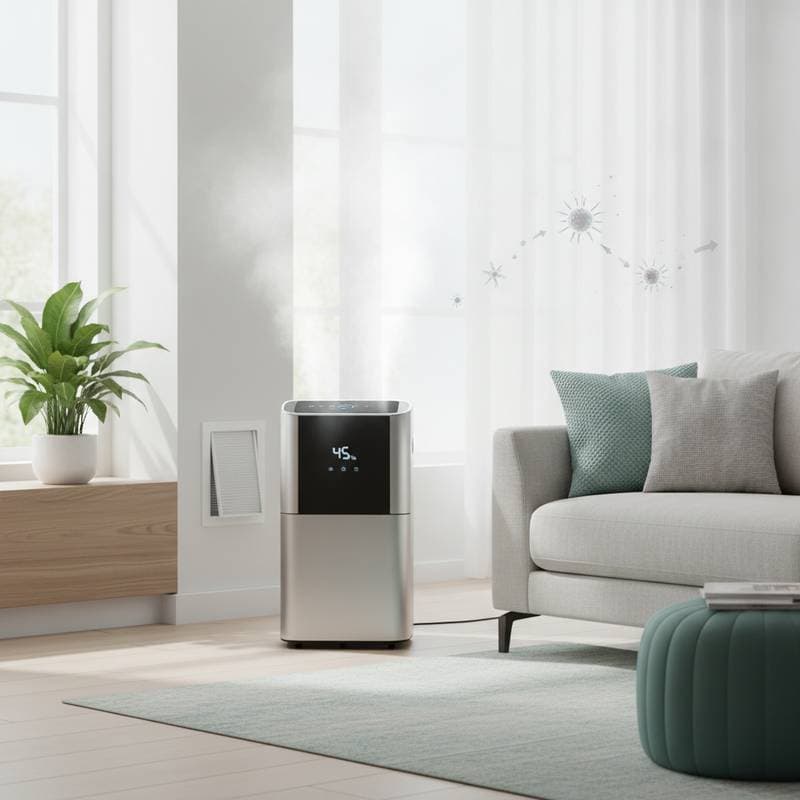
- Install a dedicated dehumidifier. Such a unit prevents the air conditioner from excessive operation solely to extract moisture.
- Inspect duct sealing. Leaks permit humid outdoor air to infiltrate, compelling the system to labor harder.
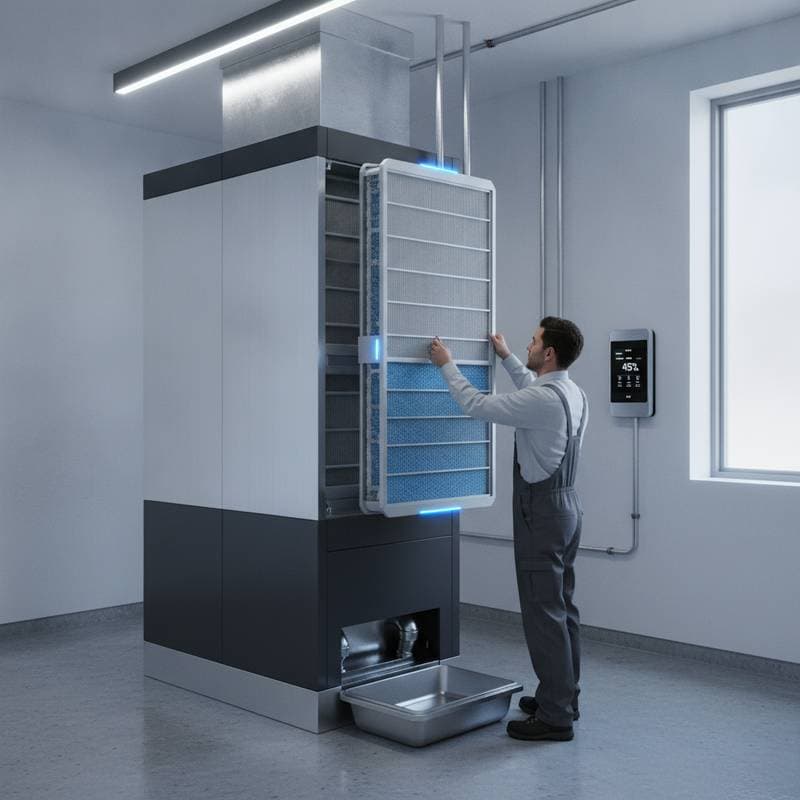
- Replace air filters on a regular schedule. Clean filters enhance airflow and elevate moisture extraction effectiveness.
- Arrange for biannual professional maintenance. As an HVAC specialist, I advise one inspection prior to the cooling season and another before heating begins.
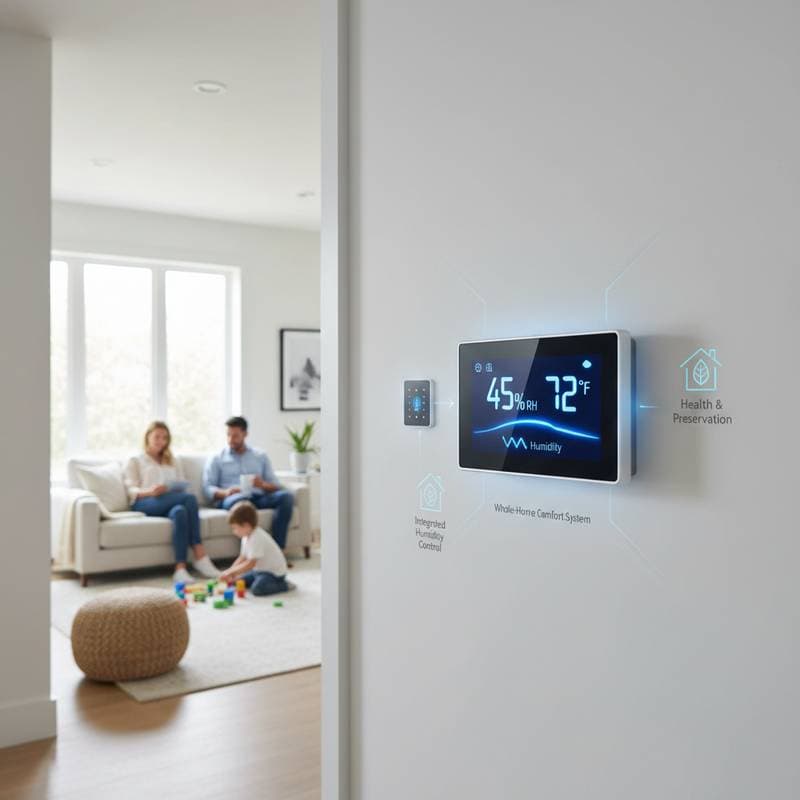
- Incorporate smart humidity controls. A thermostat responsive to moisture levels automatically harmonizes comfort with energy efficiency.
Under optimal humidity conditions, the system operates more quietly, maintains uniform temperatures, and experiences fewer disruptions during peak summer periods.
Recognizing Early Indicators of Humidity Imbalance
Humidity problems develop over time rather than suddenly. Vigilance toward these indicators can prevent escalation:
- Musty smells or mold growth visible near vents or windows
- Window condensation persisting during moderate outdoor temperatures
- Squeaking wooden floors or expanding gaps in planks
- Recurrent nosebleeds or throat dryness amid winter heating
- A persistent sticky or damp sensation indoors, regardless of thermostat settings
The presence of two or more signs suggests an imbalance in home moisture levels. Engage a professional for a comprehensive humidity evaluation to identify causes and prescribe suitable solutions.
The Underlying Principles of Comfort and Efficiency Gains
Humidity influences perceived temperature through its effect on sweat evaporation. Elevated levels hinder evaporation, causing the body to sense greater heat. Conversely, low humidity accelerates evaporation, inducing a chilling effect at standard room temperatures. Stabilizing humidity permits higher summer thermostat settings or lower winter ones while preserving comfort. This adjustment typically reduces annual energy costs by 10 to 15 percent.
As technician Laura Chen observes, “Humidity control is like fine-tuning the comfort dial of your home. When it is balanced, everything else—temperature, air quality, energy use—falls into place.”
Essential Factors: Expenses, Security, and Setup
Whole-home humidity systems vary in cost based on capacity and capabilities, ranging from $1,500 to $3,500 for professional installation. Although the initial outlay appears significant, energy and upkeep savings frequently recoup the investment within several years. Portable alternatives offer lower upfront costs yet demand manual draining, routine filter replacements, and coverage of only confined spaces.
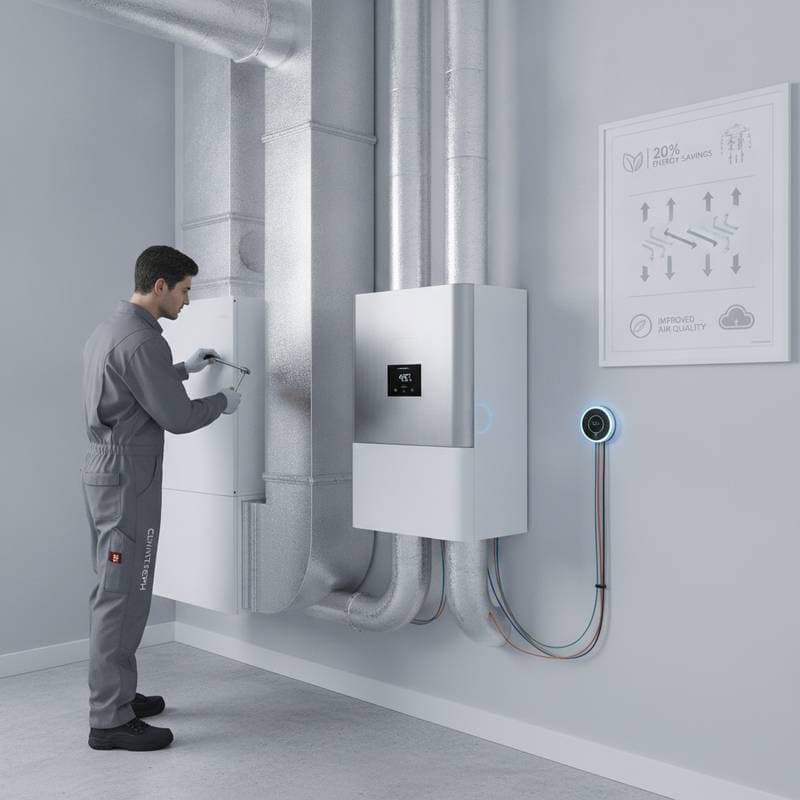
Security guidance: Refrain from self-installing or repairing dehumidifiers linked to HVAC systems without certification. These involve electrical connections, drainage management, and refrigerant procedures. Employ a licensed HVAC professional familiar with local codes and manufacturer specifications.
Setup typically spans one day with limited interruption. The specialist integrates the unit into existing ducts, links it to the thermostat, and adjusts sensors for accurate performance. Post-installation, the air transforms subtly: cooler, fresher, and purer.
Linking Humidity to Health Benefits
Balanced humidity elevates comfort and promotes well-being. Damp environments foster dust mites, bacteria, and mold proliferation, whereas arid conditions aggravate respiratory tracts and sinuses. Optimal moisture levels bolster immune responses and mitigate allergy effects.
For household members with asthma or breathing difficulties, humidity regulation yields substantial improvements. Cleaner coils, reduced microbial buildup, and superior filtration foster healthier indoor atmospheres.
Integrating Intelligent Systems for Enhanced Comfort
Contemporary smart home devices enable unified oversight of humidity and temperature via one platform. Establish desired moisture ranges, obtain notifications for deviations, and automate ventilation to renew stagnant air. These features simplify comfort management, regardless of location.
Advanced systems monitor external weather, adapting indoor settings for unwavering pleasantness. Envision entering your home after a sweltering, muggy day to immediate refreshment, as though the air has been revitalized and cleansed. This represents the evolution of HVAC capabilities.
Selecting an Appropriate Humidity Management Solution
Prior to purchase, evaluate these elements:
- Residence dimensions and configuration. Expansive homes might require greater capacity or zoned setups.
- Regional climate. Humid coastal zones gain from powerful dehumidifiers; arid interiors favor humidifiers.
- Compatibility with current HVAC. Confirm integration avoids circuit overloads or airflow restrictions.
- Upkeep demands. Opt for units with accessible filters and self-draining mechanisms.
- Warranty terms. Seek coverage of at least five years on primary parts.
A qualified HVAC expert assesses moisture dynamics through hygrometer readings and airflow analysis. This tailored approach guarantees optimal selection from the outset.
Advancing Toward Sustained Comfort
Persistent battles with humid summers or parched winters signal the need to transcend temperature reliance. Humidity equilibrium completes the transformation of a basic HVAC into a refined comfort mechanism. Success depends on apt equipment selection, diligent maintenance, and expert technical execution.
Contact a certified HVAC professional through American Air HVAC for a complimentary assessment. Our network links you with specialists in comprehensive dehumidification and moisture oversight, whether retrofitting or constructing anew. They evaluate your space, outline choices, and guide you to superior, invigorating air.
Humidity management has evolved from optional enhancement to essential for contemporary comfort. Crisp air, moderated bills, and efficient operations highlight the profound impact of moisture equilibrium across seasons.
Frequently Asked Questions
Question: How frequently should a whole-home dehumidifier receive service?
Answer: Plan maintenance annually alongside standard HVAC inspections. The professional cleans coils, examines drains, and confirms sensor precision. Such services generally cost $100 to $200.
Question: Is self-installation of a dehumidifier feasible?
Answer: Whole-home units necessitate electrical and duct integration, rendering professional installation essential. Amateur efforts risk warranty invalidation or drainage failures causing water harm.