The Emerging Revolution in Home Comfort: Humidity-Controlled HVAC
As an HVAC professional, I have observed numerous homeowners grappling with a persistent comfort challenge that superior heating and cooling systems alone cannot resolve: humidity. Consider entering your home on a humid summer evening, where the air feels oppressive despite a thermostat reading of 72 degrees Fahrenheit. Alternatively, awaken on a winter morning to parched sinuses and frequent static electricity. These issues stem from inadequate humidity management, which has long affected indoor environments.
A fresh generation of HVAC technology now alters moisture control practices. Industry experts recognize this shift as the emerging revolution in comfort: humidity-controlled HVAC systems.
The Critical Role of Humidity in Comfort
Experience from the field demonstrates that temperature represents only part of the comfort equation. Humidity, defined as the amount of water vapor in indoor air, significantly impacts perceived warmth or coolness. Elevated humidity levels can transform a 75-degree setting into an uncomfortably warm sensation, whereas low humidity renders 68 degrees excessively chilly.
When indoor humidity exceeds 60 percent, air conditioning units labor intensely to achieve cooling, potentially increasing energy costs by up to 20 percent. Conversely, humidity below 30 percent during winter leads to cracked wood surfaces, heightened static electricity, and respiratory irritation. Residents in humid coastal areas contend with persistent dampness, while those in arid interiors battle dry air that aggravates skin and throat conditions. Consequently, humidity-controlled HVAC systems emerge as a comprehensive strategy for achieving equilibrium.
Core Technology in Humidity-Controlled Systems
Conventional HVAC setups prioritize temperature regulation, heating or cooling air without targeted moisture oversight. Contemporary humidity-controlled systems adopt an integrated method, synchronizing temperature and humidity for optimal performance.
Key components include:
- Precision Sensors: These devices track humidity fluctuations in real time across multiple home zones.
- Dehumidification Modules: Upon detecting excess moisture, the system engages an internal dehumidifier to remove vapor prior to air distribution.
- Humidification Features: In arid scenarios, a linked humidifier introduces controlled moisture to restore balance.
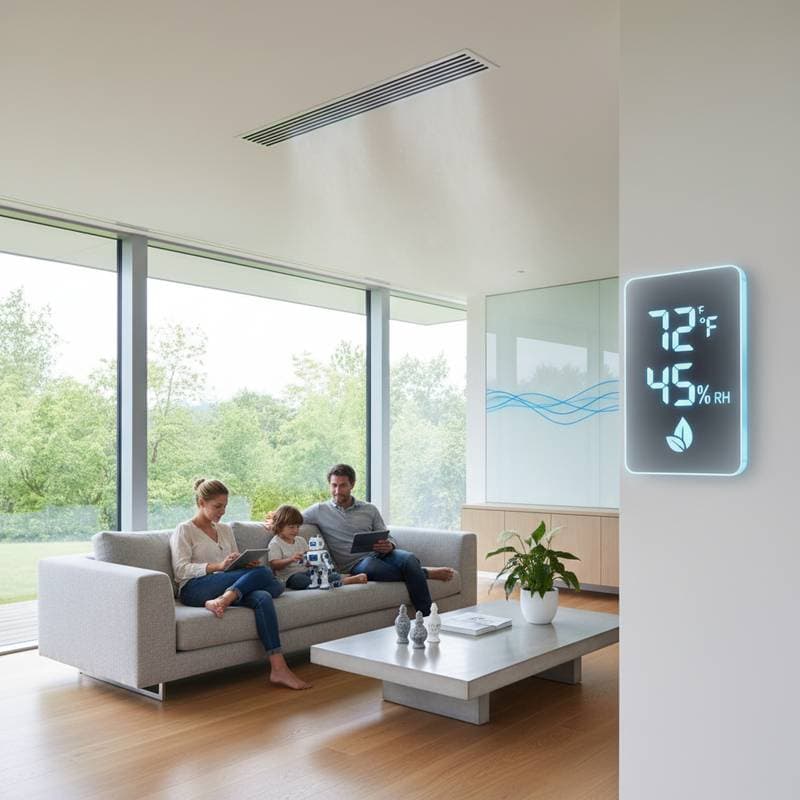
- Dynamic Adjustment Mechanisms: The system fine-tunes operations to sustain humidity between 40 and 55 percent, the recommended range for comfort.
From an expert perspective, this integrated approach enhances user satisfaction, extends equipment durability, and shields structural elements from moisture-related harm.
Key Advantages of Effective Moisture Regulation
Humidity management extends far beyond immediate comfort, influencing health, operational efficiency, and property integrity.
- Improved Indoor Air Quality: Optimal humidity levels inhibit the proliferation of mold, dust mites, and bacteria, reducing allergy risks and facilitating easier respiration for household members.
- Reduced Energy Consumption: Proper moisture control permits thermostat adjustments of several degrees in summer or winter while preserving comfort, yielding annual savings of 10 to 15 percent on utility bills.
- Structural Safeguards: Surplus humidity risks deforming wood, blistering paint, and compromising drywall; steady regulation averts such expenses.
- Prolonged System Life: Units free from humidity-induced stress function with greater efficiency, minimizing mechanical degradation.
Strategies to Optimize System Efficiency
Effective humidity oversight demands ongoing attention beyond initial setup. Regular upkeep ensures sustained peak operation.
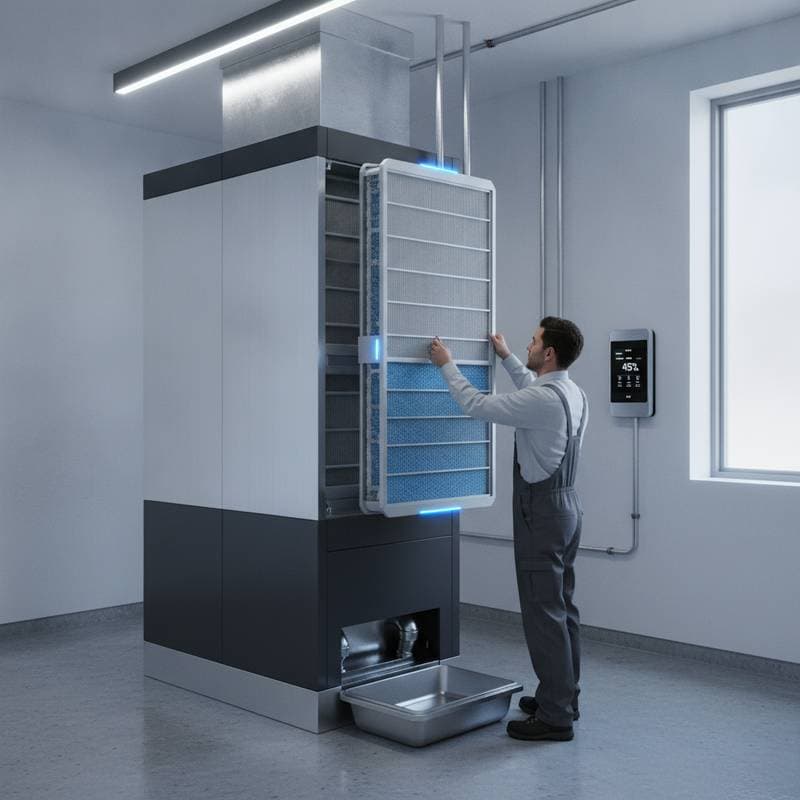
- Conduct Biannual Inspections: Engage a qualified technician to evaluate HVAC and humidity components, identifying issues like faulty sensors or obstructed drains early.
- Maintain Clean Filters: Clogged filters impede airflow, fostering moisture retention and microbial growth; replace them every one to three months based on usage.
- Clear Condensate Lines: Verify that drainage paths remain unobstructed to avoid water accumulation.
- Recalibrate Sensors: Minor inaccuracies can disrupt balance; professionals employ specialized equipment for precise adjustments.
- Incorporate Intelligent Thermostats: Select models that monitor humidity patterns, providing data-driven control and oversight.
Indicators of Humidity Imbalance
Uncertain about potential humidity issues in your home? Recognize these common signals:
- Fogging windows or surface condensation
- Persistent musty smells in specific areas
- Distorted wooden fixtures or floors
- Recurrent static discharges or excessively dry winter air
- Worsening allergy or asthma manifestations
Presence of these symptoms suggests air imbalance. Prompt intervention mitigates damage and restores comfort swiftly.
Investment and Implementation Overview
Prospective upgrades prompt questions about expenses for incorporating humidity features. Costs vary by home dimensions, regional climate, and current infrastructure.
- Full-Home Dehumidification Units: Installation ranges from $2,000 to $4,000, scaled to required capacity.
- Add-On Humidifiers: Professional fitting costs $500 to $1,500.
- Advanced Controls and Monitoring: Expect $300 to $800 for robust configurations.
Success hinges on accurate sizing and seamless integration. Incompatible setups may cycle inefficiently or miss humidity targets. Consult certified HVAC specialists experienced in comprehensive moisture solutions.
Technician Maria Lopez, a certified comfort advisor, notes, "The difference between a properly sized humidity system and an inadequate one is night and day. You can feel it in the air quality and see it in your energy bills within weeks."
Essential Factors for Successful Upgrades
Prior to proceeding, assess these pivotal elements:
- Duct Integrity: Leaking ducts compromise control efforts; seal and insulate them beforehand.
- Insulation Quality: Inadequate barriers permit external moisture intrusion, undermining system efficacy.
- Drainage Infrastructure: Direct site runoff away from foundations to limit indoor humidity sources.
- Regional Conditions: Humid locales prioritize dehumidification, while dry zones favor humidification.
A thorough professional evaluation identifies the suitable humidity setpoint for your environment and residence.
Proven Outcomes from Integrated Humidity Management
When properly executed and serviced, these systems yield concrete improvements. Users frequently describe enhanced sleep quality, diminished dust accumulation, and consistent seasonal comfort.
For instance, a coastal two-story residence plagued by odors and inconsistent cooling benefited from a centralized dehumidifier linked to the primary HVAC. Humidity levels decreased from 68 percent to 48 percent, resulting in cleaner air, quicker cooling, and reduced expenses.
Such examples illustrate the profound impact on daily living.
Steps to Achieve Superior Indoor Air Balance
If thermostat tweaks fail to deliver satisfaction, humidity likely requires attention. Advanced systems provide holistic comfort unattainable through temperature alone.
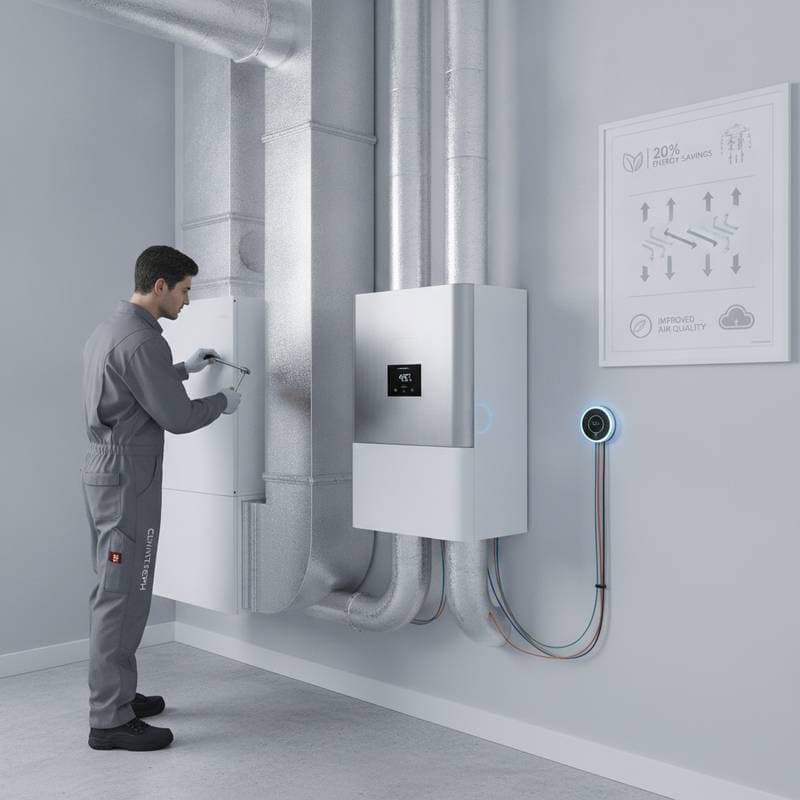
Initiate with a professional humidity audit to quantify moisture, examine existing equipment, and propose customized remedies. Determine if a standalone dehumidifier, humidifier, or unified setup aligns with your needs.
Experts advise preparation ahead of seasonal peaks. Calibration during temperate periods optimizes readiness for extremes.
At americanairhvac.net, access qualified professionals attuned to local climate demands. They guide selections in dehumidification or moisture strategies tailored to your space, finances, and comfort aspirations.
Realizing Lasting Comfort Through Moisture Mastery
Humidity-controlled HVAC transcends mere enhancement; it invests in well-being, savings, and longevity. Equal attention to moisture and temperature fosters a vibrant, stable atmosphere year-round.
Arrange an assessment, investigate cohesive technologies, and embrace the transformation. Reliable operation and refreshed airflow await in a well-balanced home.
Frequently Asked Questions
Q: How do whole-home humidity-controlled HVAC systems compare to portable devices in precision?
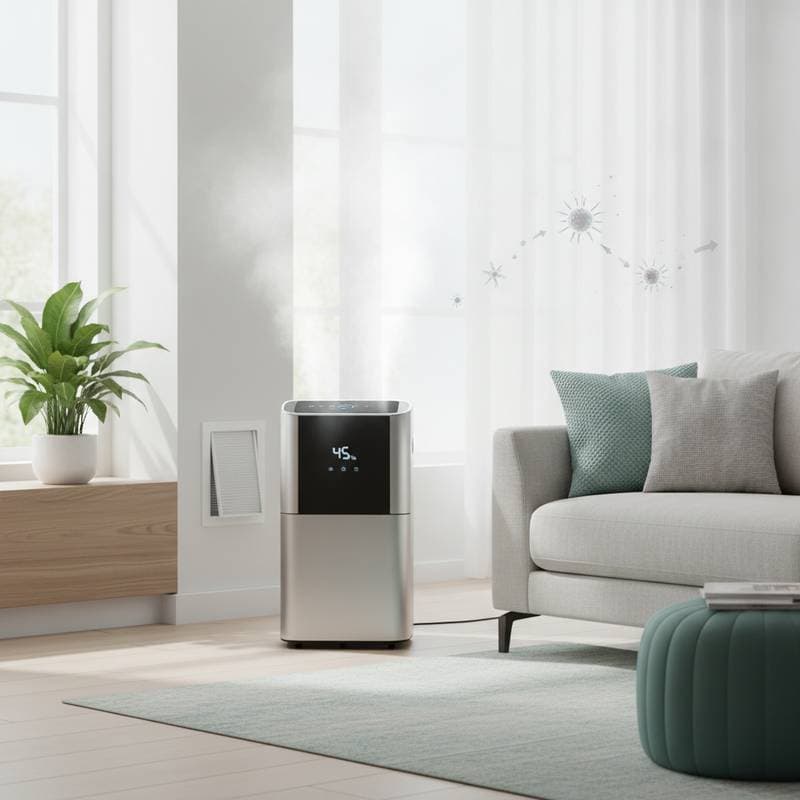
A: Whole-home units sustain tight humidity tolerances throughout the residence. Portable options influence isolated spaces and necessitate frequent manual intervention, such as emptying reservoirs.
Q: Is it possible to add humidity control to an existing HVAC setup?
A: Yes. Technicians can incorporate dehumidifiers or humidifiers into most ducted systems, typically completing the work in one to two days.
Q: What is the recommended maintenance frequency for humidity-controlled systems?
A: Arrange expert servicing biannually to clean components, test sensors, and confirm drainage functionality. This routine prevents common operational disruptions.