2026's Humidity Control: Redefining Home Comfort
As an HVAC professional, I have observed numerous homeowners grappling with sticky, oppressive indoor air that elevates perceived temperature. In other residences, excessively dry conditions result in scratchy throats upon waking or persistent static electricity. These discomforts frequently stem from inadequate humidity management. Although temperature regulation receives primary attention, the forthcoming advancement in residential comfort centers on precise and efficient moisture control.
The Hidden Challenge Behind Home Comfort
Humidity represents an overlooked factor that significantly influences overall comfort. Excessive moisture fosters mold proliferation and dust mite habitats. Insufficient levels provoke wood cracking, skin irritation, and elevated heating expenses. In areas characterized by humid summers and arid winters, achieving equilibrium proves particularly challenging. Air conditioning units lower temperature effectively, yet they seldom sustain optimal humidity independently.
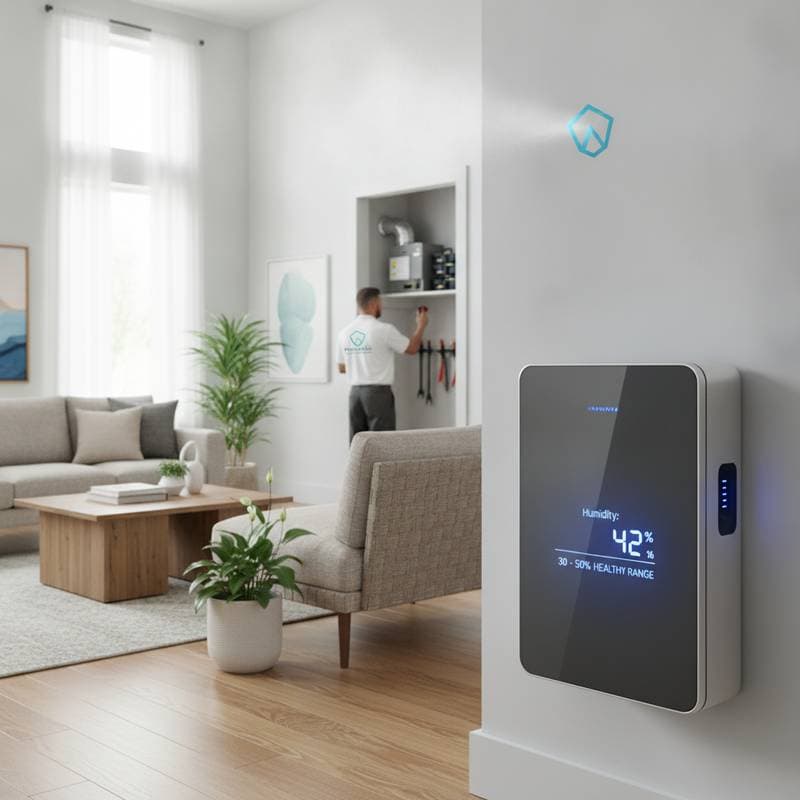
From extensive field experience, I recognize that many residents undervalue humidity's impact on both well-being and finances. Environments with regulated humidity permit comfortable settings at reduced thermostat points, thereby conserving energy and alleviating equipment stress. Effective management maintains indoor humidity between 30 and 50 percent throughout the year.
The Opportunity: Smarter Moisture Management
Advancements position humidity regulation as more intelligent, accurate, and seamlessly incorporated than previously. Comprehensive humidifiers, dehumidifiers, and sophisticated sensors alter residential comfort dynamics. Systems now proactively sustain uniform conditions rather than merely responding to extremes.
As an HVAC specialist, I advise transcending conventional thermostats toward holistic indoor air quality frameworks. These configurations equilibrate moisture, purify contaminants, and optimize circulation. Consequently, occupants benefit from purified, salubrious, and agreeable air continuously.
Why Humidity Control Matters More Than You Think
Fluctuating humidity impairs personal comfort and structural integrity alike. Consider the consequences of imbalance:
- High Humidity: Promotes mold development, draws insects, and diminishes cooling efficacy. Fabrics retain dampness, and atmospheres develop musty odors.
- Low Humidity: Induces skin dryness, electrostatic discharges, and material fissures. Dust circulation increases, exacerbating respiratory issues.
A collaborating local specialist, Daniel Price, notes, "The predominant client grievance concerns not thermal variability, but indefinable stickiness or aridity. Humidity equilibrium resolves this unease promptly."
Technologies Redefining Humidity Control
Contemporary humidity solutions emphasize connectivity and analytics. Innovations surpass basic toggling by leveraging instantaneous metrics to cultivate optimal interiors.
1. Whole-Home Humidifiers and Dehumidifiers
Distinct from localized devices, integrated units interface with HVAC conduits for uniform distribution.
- Humidifiers introduce vapor during winter desiccation, safeguarding flooring and mitigating nasal discomfort.
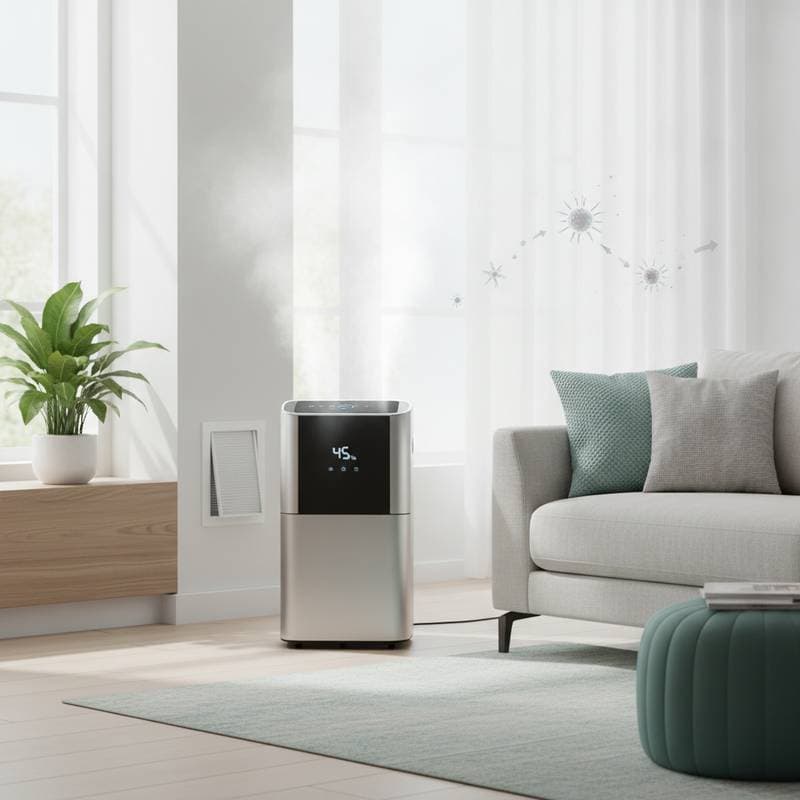
- Dehumidifiers extract surplus in saturated periods, averting fungal risks and preserving surfaces.
Installation expenses range from $1,200 to $2,000, contingent on specifications. Benefits encompass enhanced livability and diminished system upkeep over time.
2. Smart Thermostats with Humidity Sensors
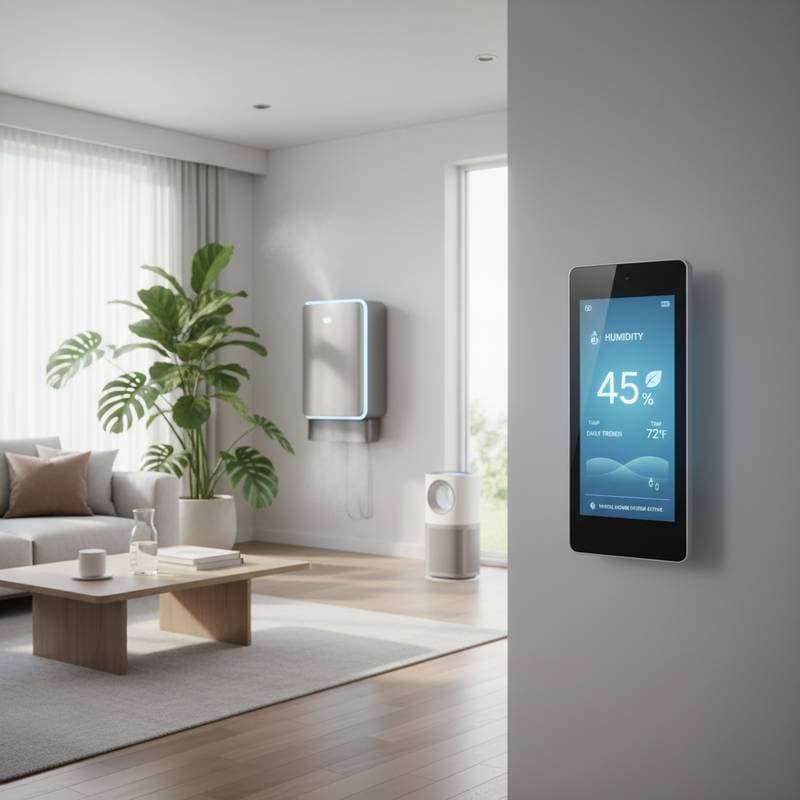
Current thermostats incorporate humidity detection and interface with core equipment. They modulate blower operations and refrigeration intervals to preserve equilibrium. Certain variants issue notifications upon deviations from norms.
3. Zoned Moisture Management
Expansive or multilevel dwellings encounter disparate humidity zones. Segmented configurations deploy sensors and valves for localized adjustments. Basements may demand extraction, while sleeping quarters benefit from supplementation, yielding uniform satisfaction across spaces.
Expert Steps to Balance Indoor Humidity
To regulate residential moisture effectively, implement these professional guidelines.
- Measure Your Baseline: Employ a hygrometer for room-specific assessments. Priced at approximately $20, this instrument yields essential data.
- Seal and Insulate: Address gaps in windows, doors, and ducts to prevent external moisture ingress or internal loss. Sealing fosters stability.
- Upgrade Ventilation: Equip moisture-prone zones like bathrooms and kitchens with robust exhaust mechanisms. These expel vapors promptly.
- Install Whole-Home Solutions: Collaborate with certified technicians to match devices to regional conditions and area dimensions.
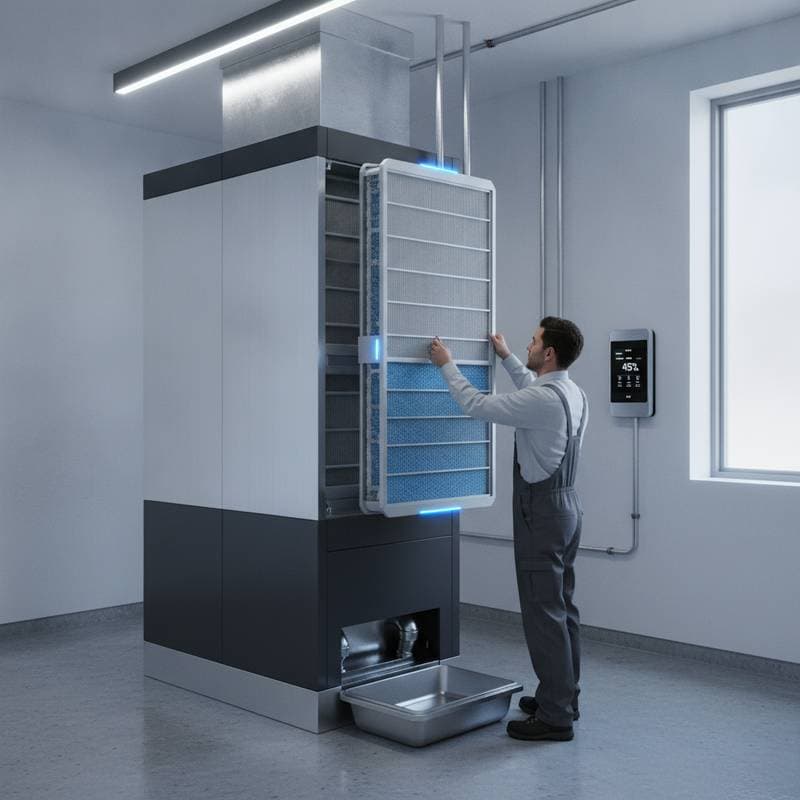
- Maintain Regularly: Refresh filters, unclog drains, and sanitize detectors biannually. Vigilance ensures operational integrity.
Consistency underpins efficacy. Stabilized humidity refreshes ambiance, streamlines mechanics, and promotes respiratory health.
Practical Considerations Before You Invest
Drawing from professional insights, evaluate cost, savings potential, and upkeep prior to enhancements.
- Cost and ROI: Allocations of $1,000 to $3,000 cover units and setup. Recoupment occurs via efficiency gains and fewer interventions within seasons.
- Energy Efficiency: Equilibrium enables elevated summer and reduced winter settings without compromise, potentially lowering bills by 15 percent.
- Maintenance: Select models featuring user-friendly components and self-draining designs. Inquire about routine service agreements.
- Safety and Compliance: Engage qualified experts for refrigerant and electrical integrations. Adherence preserves guarantees and codes.
Expert Tips to Extend System Lifespan
Sustaining humidity apparatus requires minimal, targeted practices:
- Conduct evaluations semiannually.
- Renew filters every three months, particularly in allergen-heavy households.
- Inspect drain vicinities for accumulations indicating blockages.
- Recalibrate detectors yearly for precision.
Such routines prolong durability and reliability seasonally.
Creating a Healthier Living Environment
Regulated humidity transcends mere comfort, safeguarding vitality and assets. Optimal levels curb allergens, suppress fungi, and enhance repose. Surfaces endure, devices remain protected, and HVAC components experience less burden.
As an HVAC authority, I advocate integrating humidity into broader air stewardship. Unified management of quality, heat, and moisture yields enduring harmony. Clients often liken the transformation to inhaling purified outdoor essence indoors.
Taking Action Toward Year-Round Comfort
To elevate residential ease, assess air composition initially. A hygrometer reading identifies discrepancies. Subsequently, engage a reputable HVAC advisor for complimentary evaluation, equipment recommendations, and installation assurance.
Regardless of coastal saturation or inland aridity, progressive controls deliver accuracy and serenity. Envision returning to revitalizing summer currents and consistent winter mildness. Advanced moisture oversight realizes this for proactive residents.
Frequently Asked Questions
Q: How do I know if my home needs a dehumidifier or humidifier?
A: Utilize a hygrometer for indoor measurements. Levels exceeding 50 percent warrant dehumidification. Readings below 30 percent indicate humidification needs.
Q: How often should whole-home humidifiers be serviced?
A: Biannual attention suffices, aligned with seasonal transitions. This regimen averts deposits and guarantees dispersal uniformity.