Moisture-Removing HVAC Systems: Essential for Mold Prevention in 2026 Homes
As an HVAC professional, I have observed numerous homeowners dealing with a persistent musty odor emerging from vents following periods of high humidity. Many recognize this damp aroma that adheres to furnishings or persists in basements. Such scents often indicate an underlying problem within the HVAC system. Moisture accumulation ranks among the primary causes of indoor mold, and without adequate management, it erodes both home comfort and resident health.
Residents in areas with humid summers or moisture-trapping winters face additional challenges, as their HVAC systems labor extensively to restore equilibrium. Fortunately, targeted strategies and advanced equipment transform these systems into effective barriers against mold proliferation.
The Link Between Moisture and Mold Development
Moisture sustains mold growth. When humidity surpasses 60 percent, spores flourish on surfaces such as duct linings, insulation materials, and drywall. Through extensive field experience, I have identified poorly ventilated attics, crawl spaces, and air handlers as hotspots for spore multiplication. Established colonies spread rapidly via the home's air circulation.
Properties in humid regions or those prone to frequent rainfall face heightened risks. Surplus indoor humidity not only encourages mold but also burdens HVAC components. Excess moisture prolongs system operation to reach desired comfort, elevating energy costs and accelerating equipment degradation.
Mechanisms of Moisture-Removing HVAC Systems
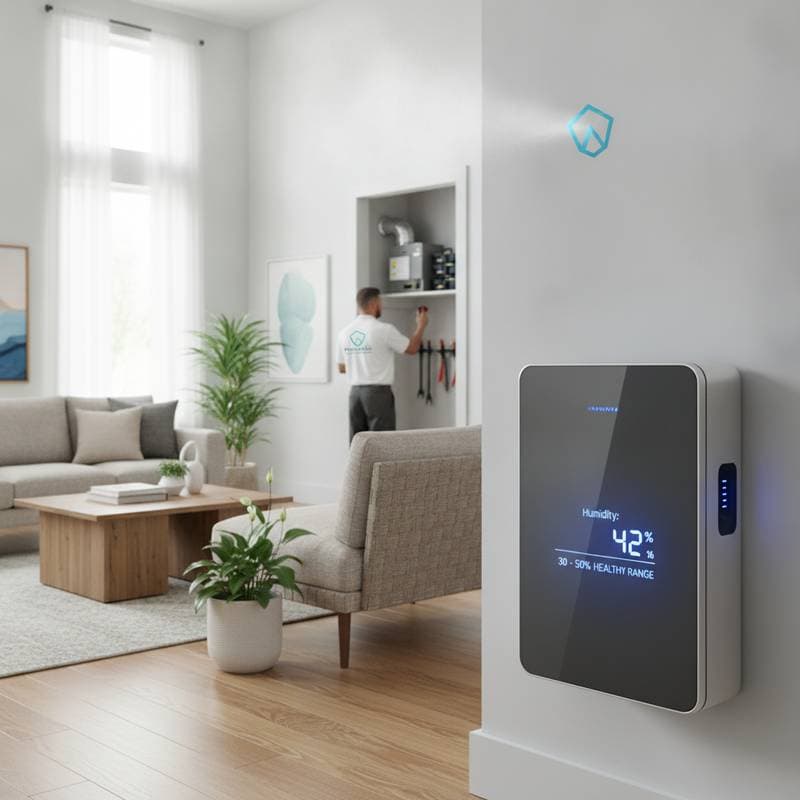
Contemporary HVAC units incorporating dehumidification capabilities regulate humidity with precision comparable to temperature control. In contrast to legacy systems focused solely on cooling, these advanced configurations extract moisture actively during operation.
The process unfolds as follows:
- Evaporator Coil Operation: Warm, humid air flows across the chilled evaporator coil, where moisture condenses and drains, thereby lowering overall humidity.
- Integrated Humidity Sensors: These devices track air moisture content and modulate system performance to sustain steady conditions.
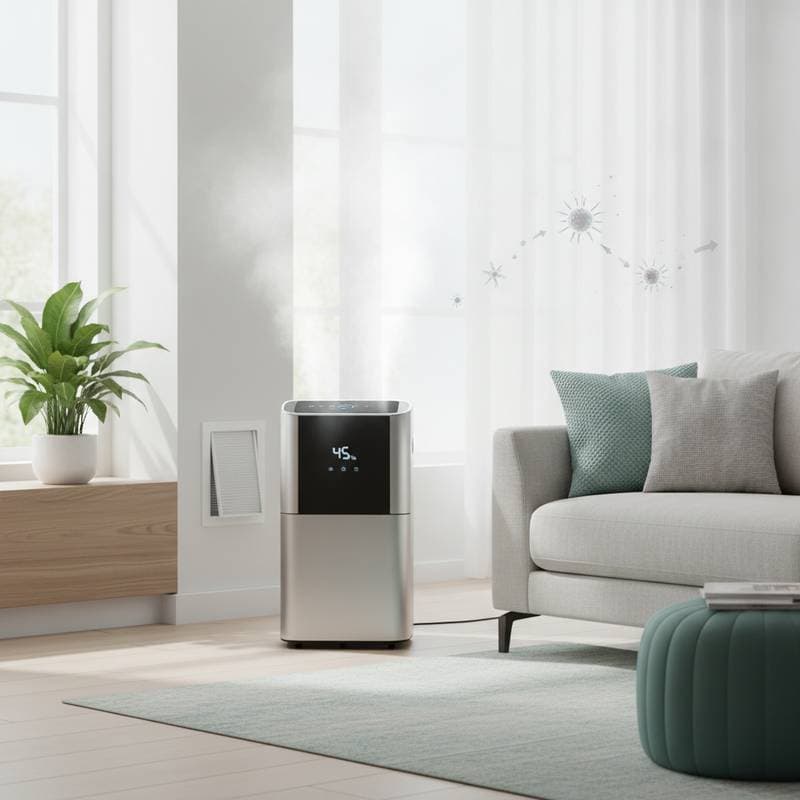
- Whole-Home Dehumidification Units: Connected to the central HVAC, these components draw out excess moisture prior to air distribution through ducts.
Optimal calibration keeps indoor humidity within 40 to 50 percent, a range that supports comfort while deterring mold.
Indicators of Inadequate Moisture Management in Your Home
Subtle signals often precede visible mold, signaling that the HVAC struggles with humidity regulation. Key indicators include:
- Ongoing musty smells around vents or return air openings
- Moisture droplets on windows or duct surfaces
- Inconsistent cooling accompanied by clammy indoor air
- Rust development or material corrosion on HVAC parts
- Intensified allergy symptoms confined to indoor environments
The presence of multiple signs suggests insufficient moisture extraction. A professional HVAC evaluation can determine if adjustments, coil sanitation, or dehumidifier additions are necessary.
Proven Methods to Maintain a Mold-Resistant HVAC System
From my expertise in the field, a multifaceted strategy proves most effective for moisture management. Each element bolsters mold defenses and enhances operational efficiency.
- Conduct Routine Seasonal Inspections
Professional servicing clears coils, condensate pathways, and filters of obstructions. Blocked drains retain water within the unit, fostering mold habitats. - Secure Ductwork Integrity
Leaking ducts permit humid external air to enter and blend with treated air. Proper sealing and insulation preserve uniform humidity and temperature. - Adopt Variable-Speed HVAC Technology
These systems operate at reduced speeds for extended periods, optimizing dehumidification and promoting cleaner air circulation. - Incorporate Smart Thermostats with Humidity Monitoring
Advanced models detect humidity fluctuations and activate dehumidification functions as required. - Integrate Whole-Home Dehumidification Solutions
In highly humid locales, these systems eliminate multiple pints of moisture hourly without compromising cooling performance.
Key Factors for Homeowners Considering Upgrades
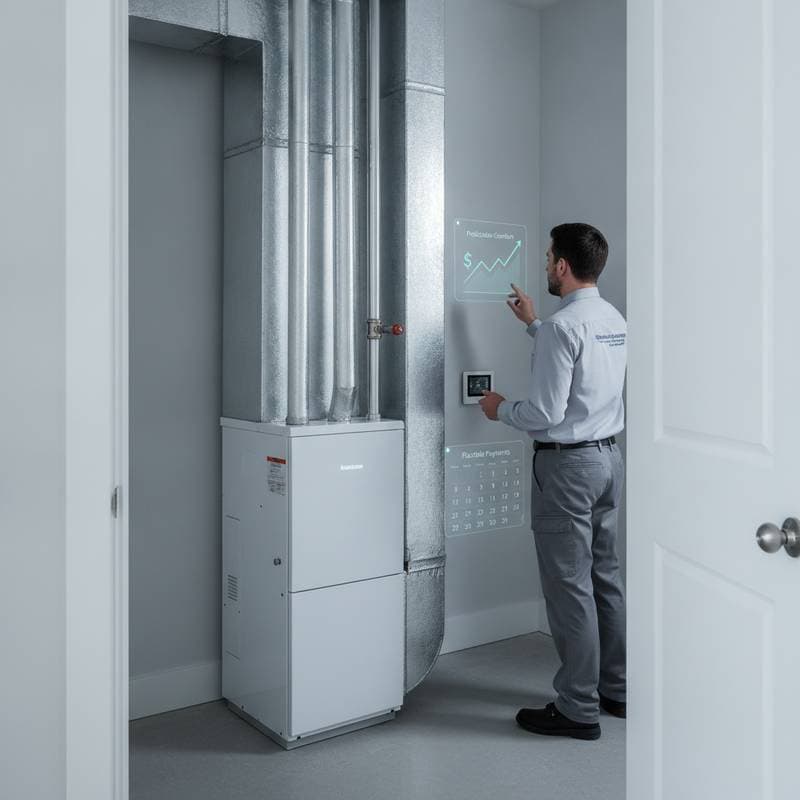
Committing to moisture control enhances both comfort and safety. Installation of a whole-home dehumidifier ranges from $1,200 to $2,500, varying by unit size and system compatibility. Owners typically recoup investments quickly via lower energy consumption and reduced repair needs.
Ongoing care remains simple yet vital. Homeowners should inspect drain pans regularly, swap filters every three months, and arrange annual professional cleanings. Service providers must examine air handlers and condensate areas for mold during visits.
Safety demands professional intervention. Suspected mold in ducts or components requires expert handling to avoid spore dispersal. Qualified technicians employ containment measures and specialized filters for thorough, secure remediation.
Broader Advantages of Effective Humidity Regulation
Mold avoidance represents only one benefit of humidity control; impacts extend to comfort, well-being, and operational savings. Stable conditions make air feel cooler in summer and warmer in winter, enabling modest thermostat adjustments that cut energy expenses. Structural elements like furniture, hardwood flooring, and electronics endure longer under consistent humidity.
Dr. Michael Reyes, a specialist in building science, notes, "Humidity is one of the most underestimated factors in home comfort. Once you manage it effectively, everything else falls into place." This perspective aligns with experiences of homeowners post-upgrade: air circulation improves, freshness increases, and comfort stabilizes year-round.
Steps to Achieve Optimal Indoor Air Quality
For homes with prior humidity or mold concerns, proactive measures yield lasting improvements. Initiate the process with a comprehensive humidity evaluation by a certified HVAC specialist. This assessment quantifies moisture levels, reviews duct integrity, and proposes tailored, budget-conscious remedies.
American Air HVAC links property owners with qualified experts in moisture control technologies. These professionals assist from equipment selection through installation and fine-tuning. Such comprehensive approaches ensure homes remain pristine, dry, and free from mold throughout the seasons.
Frequently Asked Questions
Q: How can I determine if my HVAC system adequately removes moisture?
A: Employ a hygrometer to track indoor humidity. Levels consistently above 55 percent indicate the need for maintenance or a dehumidifier enhancement.
Q: What is the recommended frequency for HVAC drain line cleaning?
A: Inspect and flush the line every three to six months. Algae accumulation obstructs flow, leading to water retention within the unit.
Q: Does a portable dehumidifier suffice as a whole-home alternative?
A: Portable models suit individual rooms but fail to regulate humidity house-wide. Integrated whole-home units connect to ducts for uniform control.