Why Humidity Control Stops Mold in HVAC Systems
As an HVAC professional, I have observed numerous homeowners confronting musty air, black spots on vents, and the distinctive damp odor that indicates mold. These issues often emerge gradually, particularly in areas with humid summers or homes featuring imbalanced airflow. Homeowners may sense heavy air or observe rising energy bills. Humidity, rather than temperature alone, underlies most indoor comfort challenges.
When indoor humidity exceeds 60 percent, mold spores flourish. An HVAC system, intended to ensure comfort, may inadvertently serve as an ideal environment for microbial development. Proper humidity control halts mold growth and fosters a cleaner, healthier living space for the family.
Understanding the Problem: How Humidity Fuels Mold
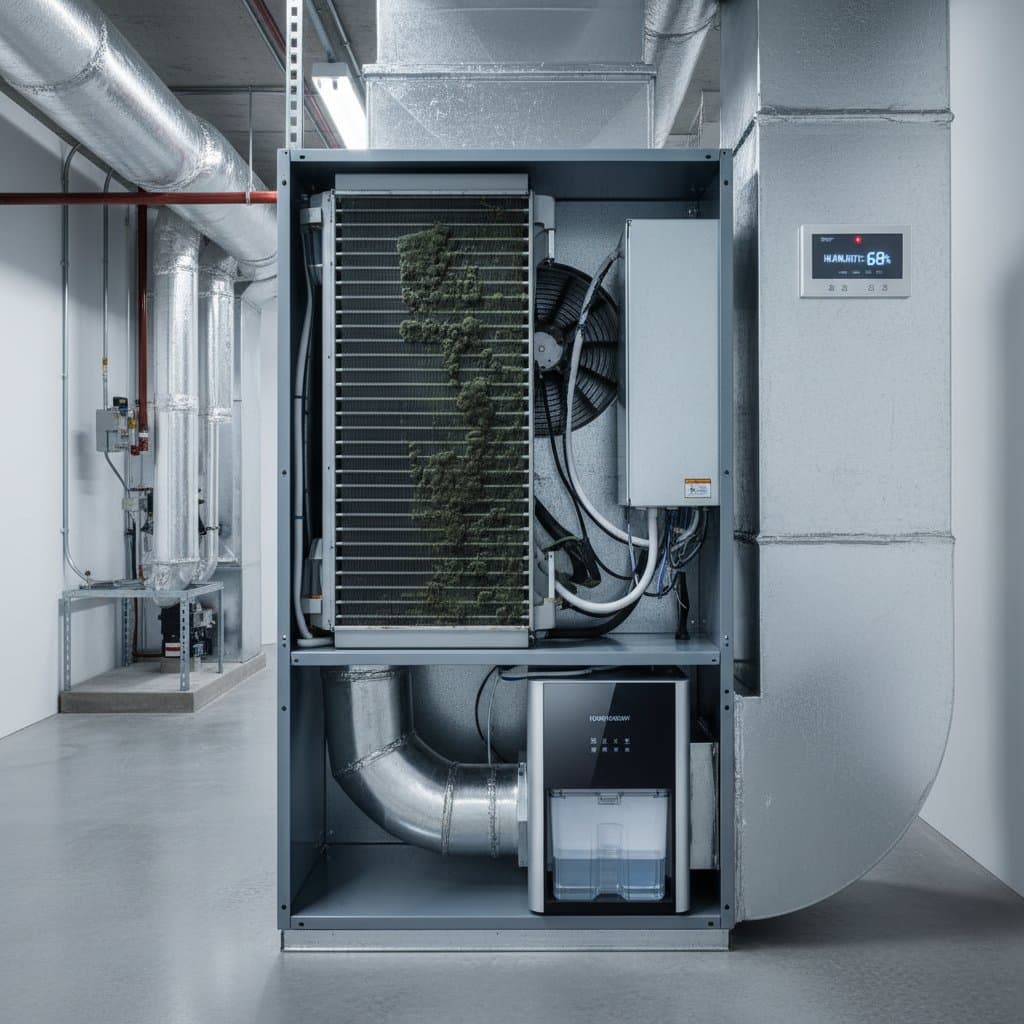
Moisture sustains mold. It infiltrates ductwork, coils, and filters, combining with accumulated organic dust within the system. Elevated relative humidity creates optimal conditions for mold proliferation. Technicians frequently discover fungal growth covering evaporator coils in air handlers, which impairs efficiency and disperses spores throughout the residence.
Persistent indoor humidity above 60 percent commonly results in:
- Mold growth on vents and registers
- Condensation on windows and ducts
- Musty odors in living spaces
- Worsened allergies and respiratory conditions
In coastal or humid climates, this challenge persists daily. Basements or crawl spaces may introduce moisture via duct leaks, affecting the entire system. Field data from HVAC operations indicates that effective humidity management lowers mold risk by up to 80 percent and enhances energy performance by as much as 15 percent.
Expert Solution Overview
Experience in the field demonstrates that humidity control surpasses reactive mold cleaning. Balance remains essential. Excessively dry air may damage woodwork or irritate skin, while lingering moisture invites problems.
HVAC experts advocate three core strategies for humidity management:
- Optimized ventilation to expel moist air and introduce fresh air.
- Precise dehumidification to sustain relative humidity between 40 and 55 percent.
- Routine HVAC maintenance to avert condensation and microbial proliferation.
These approaches collaborate to inhibit mold, elevate indoor comfort, and optimize energy use.
Fine-Tuning Your System for Mold Prevention
1. Use Whole-Home Dehumidifiers
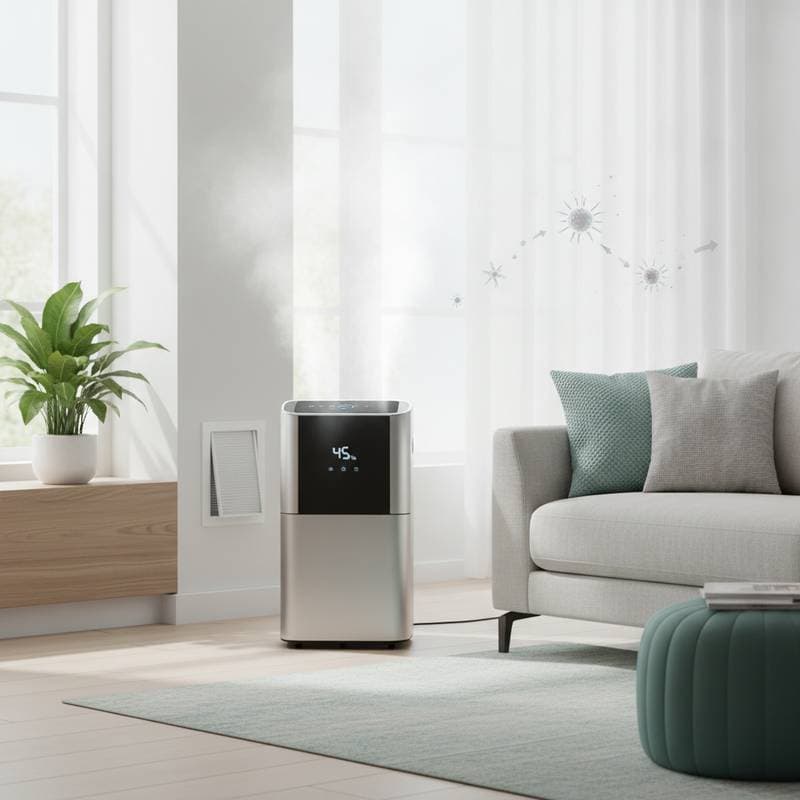
A whole-home dehumidifier integrates with the HVAC system, extracting moisture from circulating air prior to duct distribution. These units surpass portable alternatives by processing substantial air volumes and adapting to environmental shifts automatically.
Key benefits include:
- Diminished mold on coils and duct interiors
- Decreased energy costs, as drier air enhances perceived coolness
- Enhanced indoor air quality and odor mitigation
Installation expenses range from $1,200 to $2,500, based on capacity and home dimensions. The system typically recoups costs within two years via reduced upkeep and utility savings.
2. Maintain Proper Airflow
Inadequate airflow prompts condensation on coils and vents. Stagnant warm, moist air in ducts contacts cooler surfaces, forming water droplets. This accumulated moisture nurtures mold over time.
To enhance airflow:
- Replace air filters every one to three months.
- Ensure vents remain unobstructed by furniture or curtains.
- Arrange duct inspections to identify blockages or leaks.
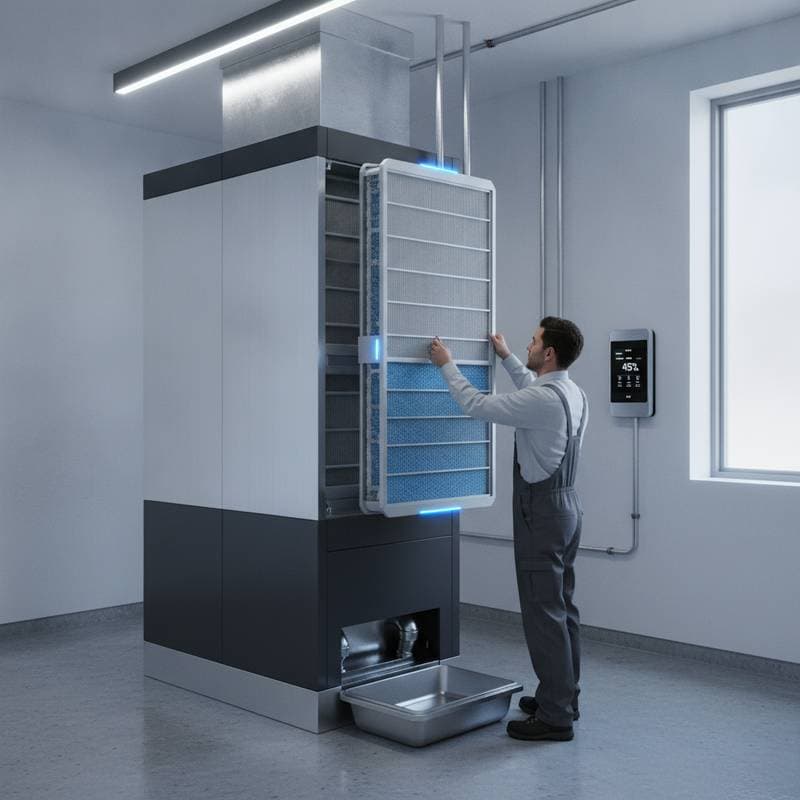
- Clean blower fans and coils during professional servicing.
Modest airflow enhancements significantly curb moisture buildup.
3. Upgrade Thermostats and Controls
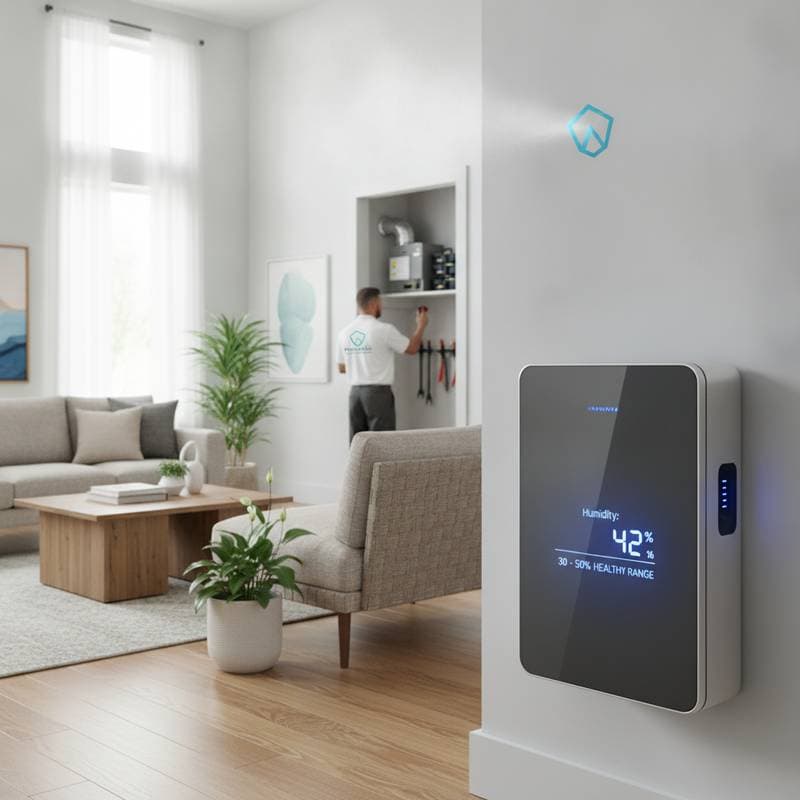
Advanced smart thermostats track temperature and humidity simultaneously. These devices link with the HVAC system to initiate dehumidification cycles as required.
Users establish humidity thresholds, prompting adjustments in fan speeds or cooling output for equilibrium. Certain models notify when levels deviate from set parameters. This automation ensures steady conditions without frequent manual intervention.
4. Seal Ductwork and Insulate
Leaky ducts pull humid air from attics or crawl spaces into the HVAC system. Entering moisture condenses on metal or insulation, promoting mold.
Professional duct sealing, costing $500 to $1,000, addresses gaps and blocks infiltration. Insulating ducts in unconditioned areas stabilizes surface temperatures, minimizing condensation.
5. Maintain Drain Lines and Pans
Air conditioners generate condensation during cooling. This water exits via a drain line to a pan or pipe. Clogs in these elements create standing water, ideal for mold.
Examine the drain line every few months and flush with a vinegar solution to remove debris. If water accumulates under the air handler, engage a professional promptly to avoid overflow and growth.
Key Warning Signs of High Humidity
Early detection of moisture indicators prevents expensive repairs. Monitor for these excess humidity signals:
- Sticky or clammy indoor air
- Fogged windows despite air conditioner operation
- Black spots or discoloration on vents
- Enduring musty smells after cleaning
- Increased allergy symptoms or breathing difficulties
Presence of two or more signs suggests elevated humidity. Professionals measure relative humidity and propose specific remedies.
Practical Considerations for Homeowners
Balancing Cost and Comfort
Humidity control invests in health and property value. Mold removal expenses range from $2,000 to $6,000 by severity. Proactive management proves more economical.
When evaluating choices:
- Portable dehumidifiers range from $200 to $400 but address single rooms only.
- Whole-home systems involve higher initial costs yet safeguard the full property.
- Smart controls add $150 to $400 to setups, yielding savings through efficiency.
Safety and Compliance
Avoid accessing or cleaning internal HVAC parts without expertise. Mold exposure risks respiratory issues, and refrigerant management demands certification. Employ licensed HVAC specialists adhering to local codes.
Numerous areas mandate permits for significant installations. Reliable contractors manage paperwork and verify compliance with ventilation and drainage requirements.
Seasonal Adjustments
Outdoor conditions influence humidity. Summer demands dehumidification, while winter may require humidification to counter dryness. Intelligent systems transition modes seamlessly for year-round balance.
As HVAC technician Maria Lopez notes, “Most homeowners underestimate how quickly humidity swings can affect their systems. A good control setup keeps everything stable and saves money over time.”
Implementing Humidity Strategies for Lasting Protection
Homes experiencing persistent dampness or repeated mold require a humidity strategy overhaul. Initiate with an HVAC inspection to assess levels, drainage, and airflow. Inquire about dehumidifiers and smart controls compatible with current equipment.
Field experience shows older systems rejuvenate with humidity oversight. Air circulation improves, allergies subside, and refreshing comfort prevails. Equipment longevity increases by easing coil and compressor stress.
Mold prevention demands ongoing attention to moisture, airflow, and hygiene. Appropriate tools and expert guidance secure enduring air quality.
Contact vetted specialists in humidity and mold prevention via americanairhvac.net. They assess systems, suggest customized plans, and offer budget-aligned estimates.
Frequently Asked Questions
Q: What humidity level prevents mold growth indoors?
A: Mold remains dormant below 50 to 55 percent relative humidity. Levels between 40 and 50 percent support optimal comfort and safety.
Q: How often should you service a dehumidifier integrated with your HVAC system?
A: Plan annual maintenance alongside routine HVAC servicing. Technicians clean filters, check coils, and confirm drainage to avoid clogs and buildup.
Q: What is the most cost-effective way to improve humidity control?
A: Begin with essentials such as filter replacements and drain cleaning. For persistent issues, install a mid-range whole-home dehumidifier or integrate a smart thermostat for sustained benefits.