Why Older Homes Excel with Ductless HVAC Retrofits
Older homes often feature high ceilings, detailed woodwork, and solid construction that newer builds seldom replicate. At the same time many owners face persistent issues with temperature consistency and rising energy expenses. Ductless HVAC systems address these concerns directly while protecting the original architectural details.
The Comfort Problem in Older Homes
Temperature regulation in older properties frequently relies on radiators, window units, or aging ductwork that fails to meet current efficiency expectations. Leaky ducts can lose up to 30 percent of conditioned air, and window units rarely deliver uniform results across multiple rooms. Homeowners commonly invest in repeated repairs only to encounter the same seasonal discomfort.
Structural limitations in vintage construction also restrict duct routing options. Major renovations to add ductwork become expensive and disruptive. These constraints highlight the advantages of ductless alternatives.
Why Ductless Systems Fit Older Homes Perfectly
Ductless HVAC units, commonly known as mini splits, consist of compact indoor air handlers linked to an outdoor compressor by small refrigerant lines. This configuration removes the requirement for extensive duct networks and suits homes constructed before central air conditioning became standard.
The following advantages make ductless systems effective retrofit choices:
- Minimal structural disruption occurs because installation needs only a small wall penetration that leaves original walls, ceilings, and trim intact.
- Zoned comfort control allows each indoor unit to operate separately so different rooms can maintain independent temperature settings.
- Energy efficiency improves through inverter technology that modulates output precisely, often lowering energy costs by 20 to 40 percent relative to conventional systems.
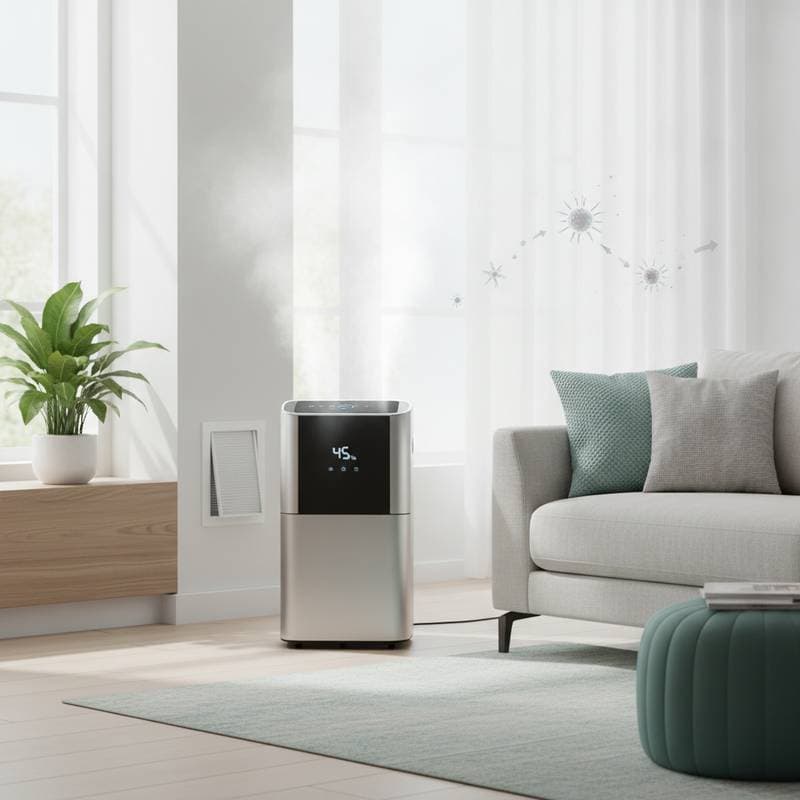
- Indoor air quality benefits from the absence of dust collecting ducts and from multi stage filtration that reduces allergens.
- Quiet operation replaces the noise of older furnaces or window units with a low level hum.
Step by Step Process for a Ductless Retrofit
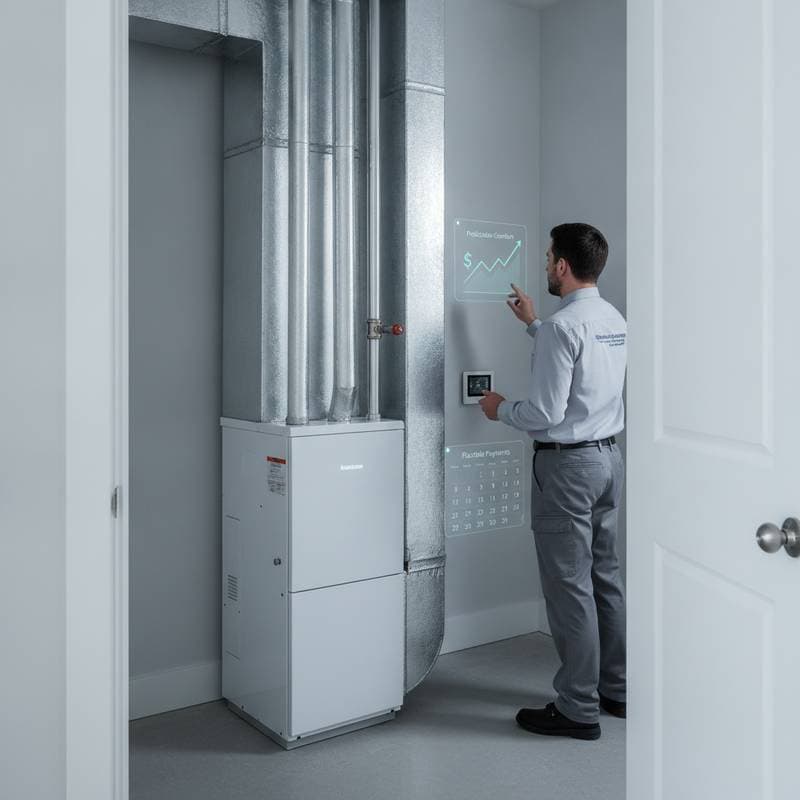
A certified technician begins with a home assessment that reviews layout, insulation quality, and electrical capacity to determine the number of indoor units required. Next the system is sized according to square footage, sun exposure, and room function to ensure proper performance.
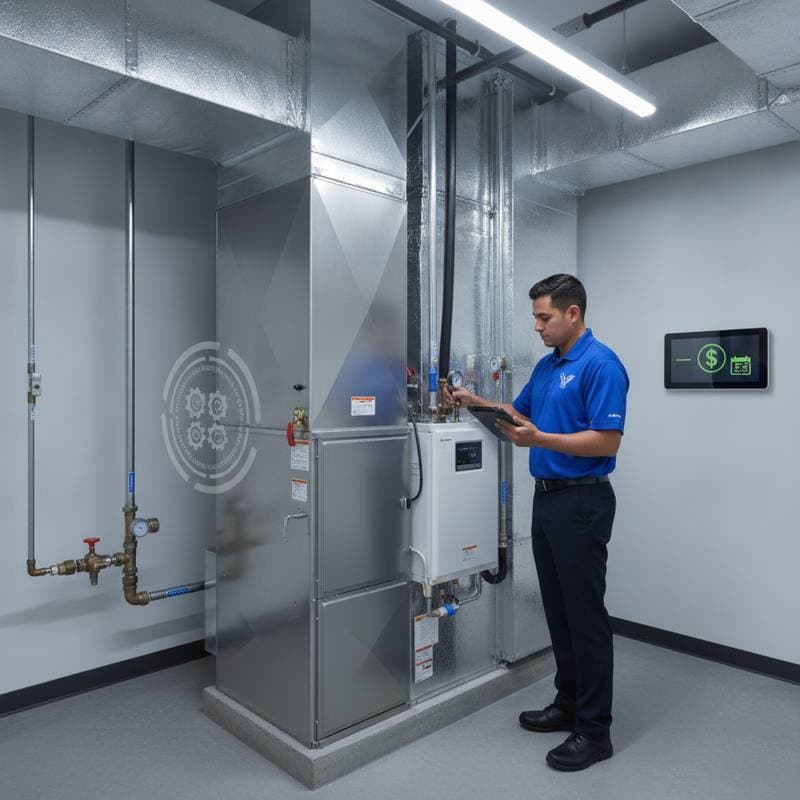
Installation follows with refrigerant lines routed through a discreet opening between the outdoor compressor and indoor units. Most projects reach completion within one or two days. Final testing confirms leak free operation and optimal calibration before the technician explains routine use and care.
Practical Considerations from an HVAC Expert
Budget expectations for a multi zone ductless system typically range from 3500 to 8000 dollars depending on home size and configuration. Energy savings and comfort gains frequently recover this investment within several years. Licensed professionals must perform the work to satisfy local codes and permitting rules.
Older homes may present unique electrical or insulation conditions that require attention prior to installation. Technicians can adjust line routing to protect delicate plaster and ornate finishes when exterior access is limited.
Maintaining System Performance
Monthly filter cleaning or replacement supports steady airflow. Annual professional service checks refrigerant levels and coil condition. Outdoor units should remain free of debris and vegetation. Built in timers and smart controls help manage daily energy consumption.
Achieving Consistent Comfort Year Round
A ductless retrofit supplies precise temperature control, reduced operating costs, and preservation of historic character. Homeowners gain reliable performance that aligns with both comfort goals and architectural integrity. Consultation with a qualified local HVAC professional provides a tailored plan and clear cost details.