2026's Essential HVAC Advancement: Precision Humidity Management
As an HVAC professional, I have observed numerous homeowners grappling with inconsistent indoor air quality. The air feels uncomfortably humid during summer months and excessively dry in winter, preventing optimal comfort. Temperature regulation alone proves insufficient; effective humidity management emerges as the key to balanced home environments, with innovative whole-home systems driving this transformation.
The Role of Humidity in Achieving Optimal Home Comfort
Consider a scenario where the air conditioner operates continuously, yet a clammy sensation persists once the unit cycles off. Elevated indoor humidity levels persist despite cooler thermostat readings, fostering conditions for mold growth, dust mite proliferation, and persistent musty odors, particularly in basements. Conversely, low humidity leads to dry skin, warped wooden floors, and unexpected static electricity.
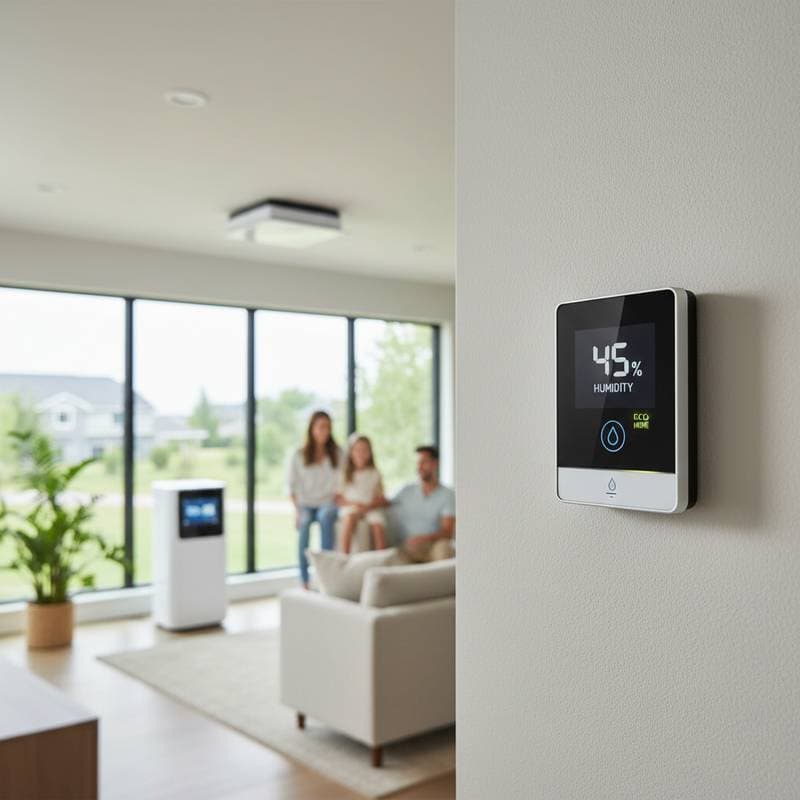
In regions with variable climates, these imbalances occur seasonally within the same residence. Through extensive field experience, I have determined that maintaining relative humidity between 40 and 50 percent enhances perceived comfort, safeguards interior furnishings, and improves overall HVAC performance. Consequently, integrated humidity control solutions rank among the premier upgrades for modern homes.
Advancements in Intelligent Humidity Regulation Systems
Contemporary whole-home humidifiers and dehumidifiers transcend simple accessories. These units integrate directly with existing HVAC infrastructure, monitoring moisture in real time and coordinating with thermostats to deliver precise adjustments.
I advise homeowners seeking reliable, energy-conscious solutions to opt for intelligent humidity systems. Such installations can reduce cooling expenses by as much as 15 percent, as lower humidity levels create a cooler sensation, permitting higher thermostat settings without compromising comfort.
Mechanisms of Whole-Home Dehumidification and Humidification
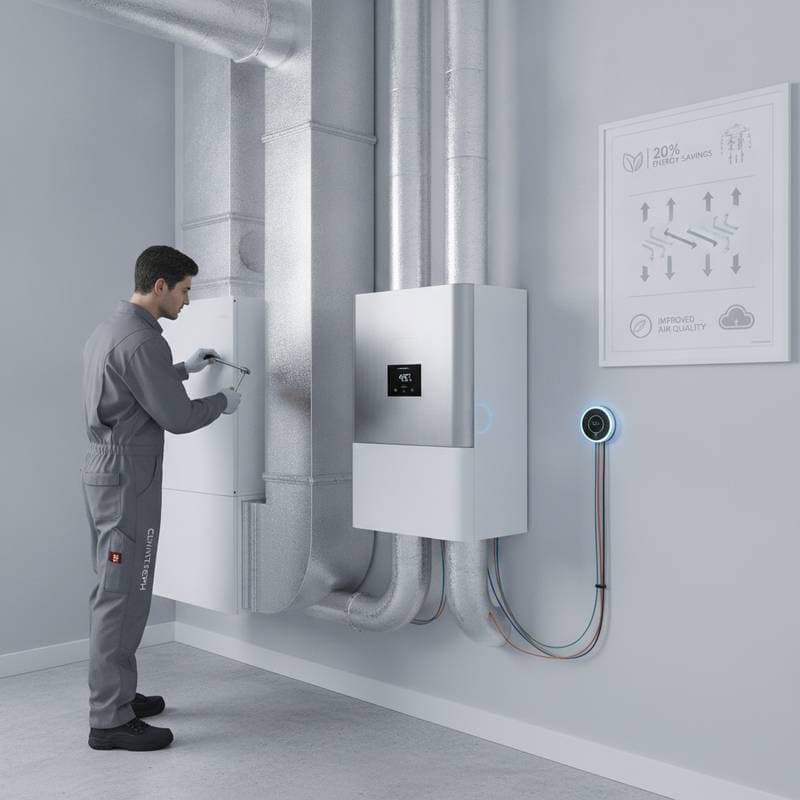
These systems attach to the central ductwork, processing air throughout its distribution cycle.
- Whole-home dehumidifiers extract surplus moisture prior to air delivery through vents.
- Whole-home humidifiers introduce necessary moisture during heating operations.
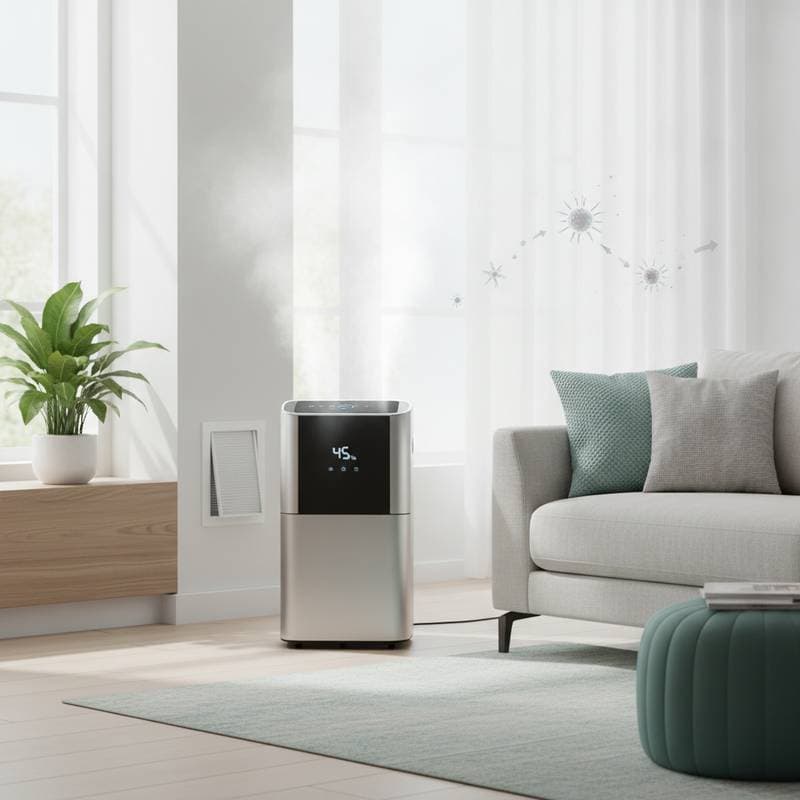
In contrast to standalone portable devices that address single rooms, centralized systems ensure uniform humidity distribution across all areas. This approach minimizes temperature variations, reduces allergen exposure, and sustains superior air quality annually.
Comprehensive Guide to System Implementation
- Evaluate the current indoor climate. A qualified technician measures humidity across multiple zones to identify requirements for dehumidification, humidification, or combined functionality.
- Select an appropriately scaled unit. Inadequate sizing results in underperformance, whereas excess capacity leads to inefficiency; professionals calculate needs based on home size, insulation quality, and local weather patterns.
- Incorporate with existing HVAC components. Compatibility with advanced thermostats enables automated regulation.
- Arrange expert installation. Certified installers manage drainage, electrical connections, and duct modifications to guarantee safety and effectiveness.
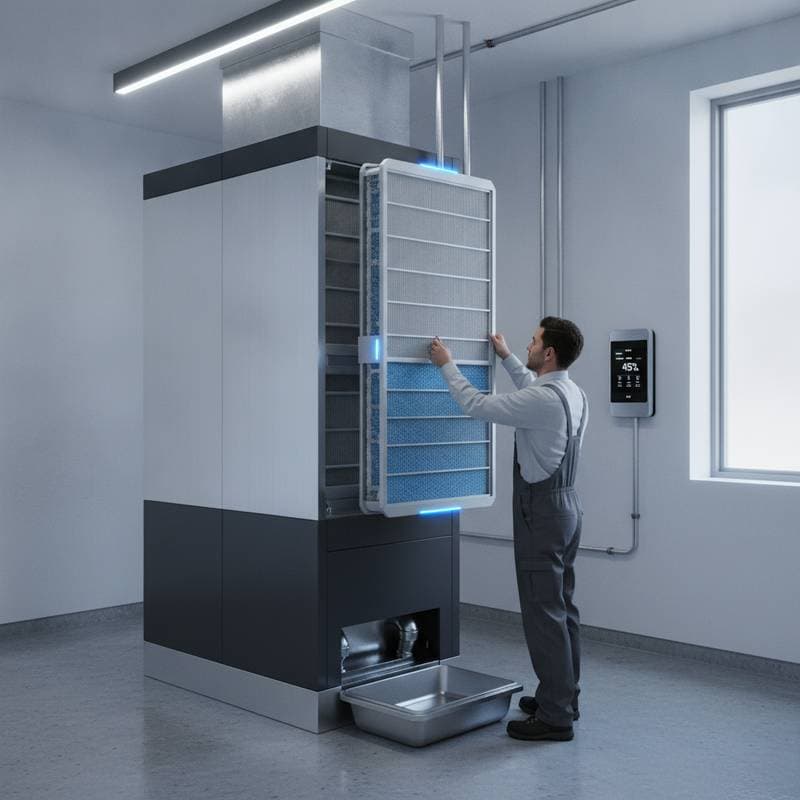
- Perform routine maintenance. Regular cleaning of filters and drain lines averts mold accumulation and preserves operational reliability.
Tangible Advantages of Implementation
- Uniform comfort levels eliminate humid summers and arid winters.
- Enhanced air purity limits mold, bacterial, and allergen development.
- Reduced energy consumption eases HVAC workload.
- Extended equipment durability through minimized corrosion and mechanical stress.
HVAC consultant Maria Torres states, "When homeowners add humidity control, they often notice they can run their systems less and still feel more comfortable. It’s a game changer for both comfort and efficiency."
Installation Factors and Financial Overview
Installed whole-home dehumidifiers typically range from $1,000 to $2,800, depending on model, capacity, and system compatibility. Humidifiers fall between $500 and $1,500 for similar variables. Installation durations vary from several hours for straightforward integrations to a full day for comprehensive retrofits.
Essential elements include adequate ventilation and drainage to avoid leaks or operational disruptions. Energy efficiencies frequently recoup initial investments over three to five years, with potential rebates available from utilities supporting efficiency initiatives.
Advancing Toward Enhanced Home Comfort
To initiate improvements, arrange a professional humidity evaluation. Experts accessible via our service can analyze your residence, propose tailored solutions, and execute installations with precision. Precision humidity management delivers refreshing summer airflow and consistent winter warmth, transforming your living space into a resilient haven against environmental fluctuations.
Frequently Asked Questions
What is the ideal indoor humidity range? Relative humidity between 40 and 50 percent provides optimal comfort, health benefits, and equipment protection.
How do I know if my home needs humidity control? Signs include persistent clamminess, dryness, mold odors, or uneven HVAC performance; a professional assessment confirms needs.
Are these systems compatible with older HVAC setups? Yes, most integrate with existing systems, though compatibility checks during evaluation ensure seamless operation.
What maintenance is required? Clean filters quarterly and inspect drains annually; professional servicing every one to two years maintains peak efficiency.
Can humidity control lower my energy bills? Absolutely; balanced moisture reduces runtime demands, yielding savings of 10 to 15 percent on heating and cooling.