Humidity Control: The Indoor Wellness Shift
As an HVAC professional, I have observed numerous homeowners struggle with the unseen effects of imbalanced indoor humidity. Common indicators include dry throats during winter, clammy unease in summer, or wood floors that warp and squeak. These issues extend beyond simple inconveniences. They indicate a disruption in the home's air equilibrium. In various regions, residents increasingly recognize that genuine comfort transcends mere temperature regulation. Effective indoor wellness hinges on proficient humidity management.
Why Humidity Matters More Than You Think
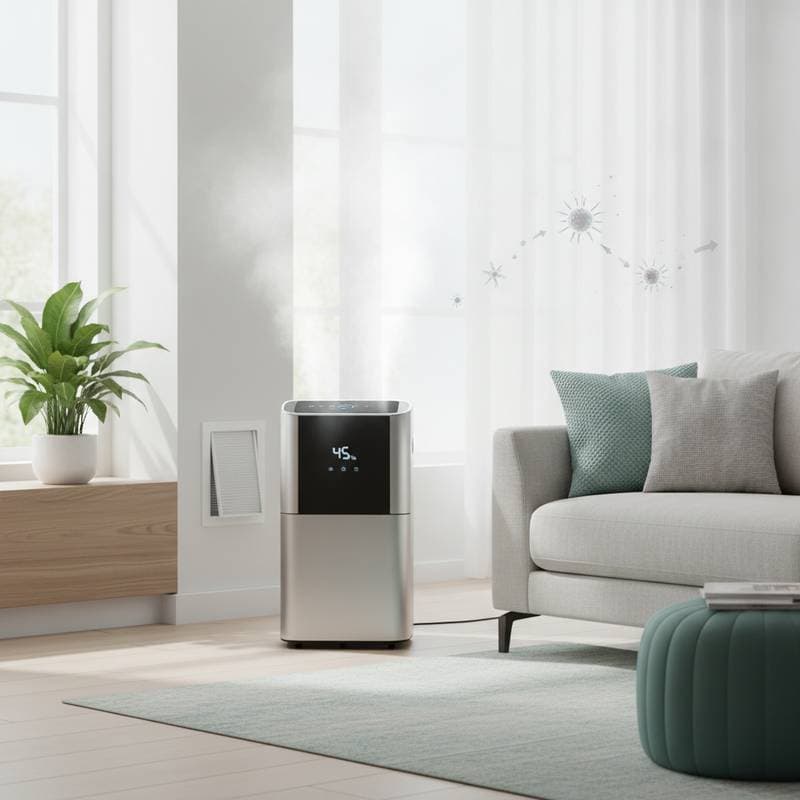
Indoor humidity serves as the core of residential comfort. Levels that fall too low generate static electricity, parch the skin, and provoke respiratory discomfort. Excessively high levels foster mildew, dust mites, and allergens. Both conditions diminish HVAC efficiency and burden the equipment. Through extensive field experience, I have witnessed how a harmonized indoor setting alters the sensation, odor, and acoustics of a residence.
The recommended indoor humidity range spans 40 to 60 percent. In this optimal zone, the atmosphere feels invigorating yet gentle, wooden elements remain intact, and heating and cooling operations proceed with greater efficiency. Maintaining this equilibrium throughout the year demands more than standalone devices or minor ventilation tweaks. It necessitates a comprehensive home-wide approach.
The Shift Toward Whole-Home Humidity Solutions
Residents now regard humidity regulation as an essential wellness component rather than a peripheral concern. Whole-home humidifiers and dehumidifiers integrate seamlessly into HVAC frameworks. These units continuously track and modify moisture content, ensuring uniform climate conditions across all areas.
From my expertise as an HVAC specialist, I advocate this method since it surpasses the inconsistent output of portable alternatives and minimizes upkeep requirements. Owners establish their desired humidity setting once, and the system manages subsequent adjustments. This yields reliable comfort free from ongoing interventions.
How Whole-Home Systems Work
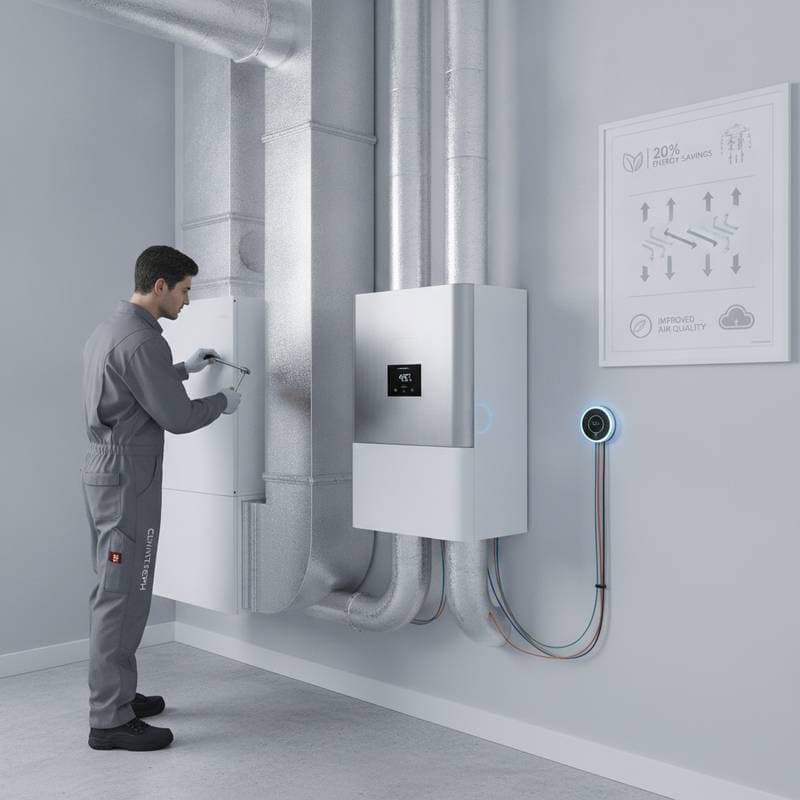
Whole-home humidifiers and dehumidifiers link to current duct systems. They introduce moisture or extract surplus humidity as air flows through the residence. Many versions feature intelligent interfaces that align with advanced thermostats, enabling exact moisture oversight across seasons.
- Assessment: Professionals evaluate airflow, insulation, and home dimensions to determine appropriate system capacity.
- Installation: The device mounts adjacent to the furnace or air handler and integrates with ductwork.
- Calibration: Sensors receive fine-tuning to sustain the selected humidity range autonomously.
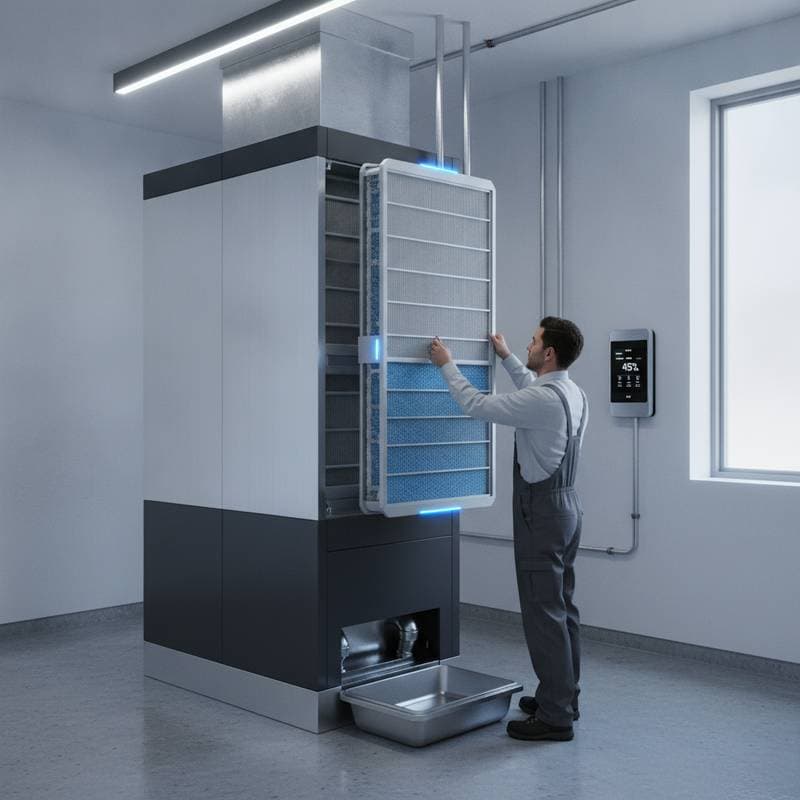
- Maintenance: Replace filters and pads at intervals, typically one or two times annually.
This procedure enhances comfort while preserving the HVAC setup. Balanced humidity mitigates equipment degradation, averts corrosion, and extends filter longevity.
Expert Tips for Long-Term Comfort
- Monitor with Precision: Employ a digital hygrometer to verify humidity in various rooms periodically.
- Seal Air Leaks: Address openings near doors or attic accesses, as they permit moisture ingress or egress, disrupting system equilibrium.
- Upgrade Ventilation: Install targeted exhaust fans in kitchens, bathrooms, and laundry areas to expel dampness outside.
- Schedule Seasonal Tune-Ups: Conduct yearly HVAC examinations to confirm proper calibration of humidifiers or dehumidifiers.
Practical Considerations
A whole-home humidity control installation generally ranges from $600 to $2,000, influenced by model specifications and residence scale. This expenditure recoups via curtailed energy consumption and diminished repair needs. Equilibrium humidity permits thermostats to function optimally, potentially cutting energy demands by up to 10 percent.
Prioritize safety throughout. Engage a certified HVAC technician for setup. Improper electrical connections or drainage may lead to water damage, mold proliferation, or hazards. Experts also verify adherence to regional codes and uphold warranty conditions.
Taking Action for a Healthier Home
Humidity management extends beyond mere ease. It fosters an environment that bolsters well-being, maintains structural integrity, and elevates HVAC functionality. When air composition aligns properly, daily respiration becomes more effortless.
To investigate whole-home humidifiers or dehumidifiers, consult a qualified HVAC specialist via American Air HVAC. Our team assesses existing setups, suggests suitable humidity options, and executes installations meticulously.
A residence's atmosphere ought to sustain inhabitants rather than oppose them. Proper humidity regulation establishes enduring comfort spanning all seasons.
FAQs
Q: What is the ideal indoor humidity level for comfort and health?
A: Target 40 to 60 percent relative humidity. This interval curbs mold development, maintains skin hydration, and safeguards wooden fixtures.