Why Humidity Control Transforms Comfort by 2026
As an HVAC professional, I have observed numerous homeowners perplexed by persistent discomfort in their residences despite ideal thermostat readings. Humidity serves as the often-overlooked factor, an unseen moisture element that shapes bodily temperature perception. Deviations in humidity levels, whether elevated or diminished, erode comfort, escalate energy expenditures, and compromise indoor air quality. Proper humidity equilibrium elevates daily livability while safeguarding residential integrity.
The Hidden Problem: Unbalanced Moisture in the Air
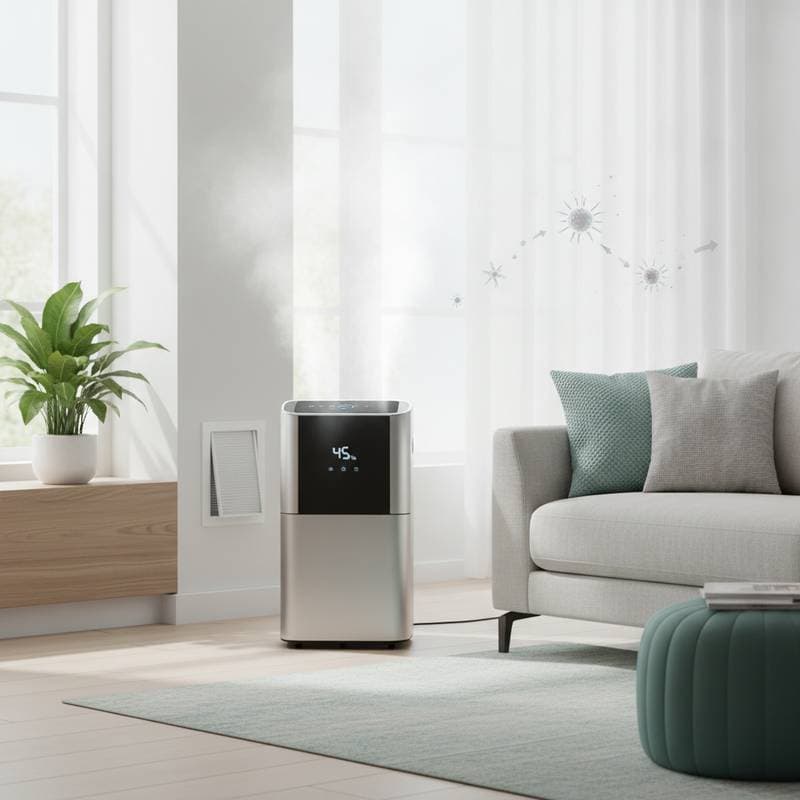
Residents in areas prone to humid summers or wet winters frequently encounter challenges in stabilizing indoor humidity. Excessively moist air fosters mold proliferation, generates unpleasant odors, and provokes allergic responses. Conversely, overly dry conditions damage wooden furnishings, exacerbate skin irritation, and compel heating systems to labor excessively.
Through extensive field experience, I recognize that many overlook this concern. Individuals prioritize temperature regulation yet neglect humidity's role in perceived comfort. For instance, 78 degrees Fahrenheit at 60 percent humidity induces greater discomfort than the same temperature at 45 percent humidity. Consequently, humidity management emerges as a fundamental component of contemporary residential well-being, far beyond mere luxury.
The Opportunity: Whole-Home Humidity Control
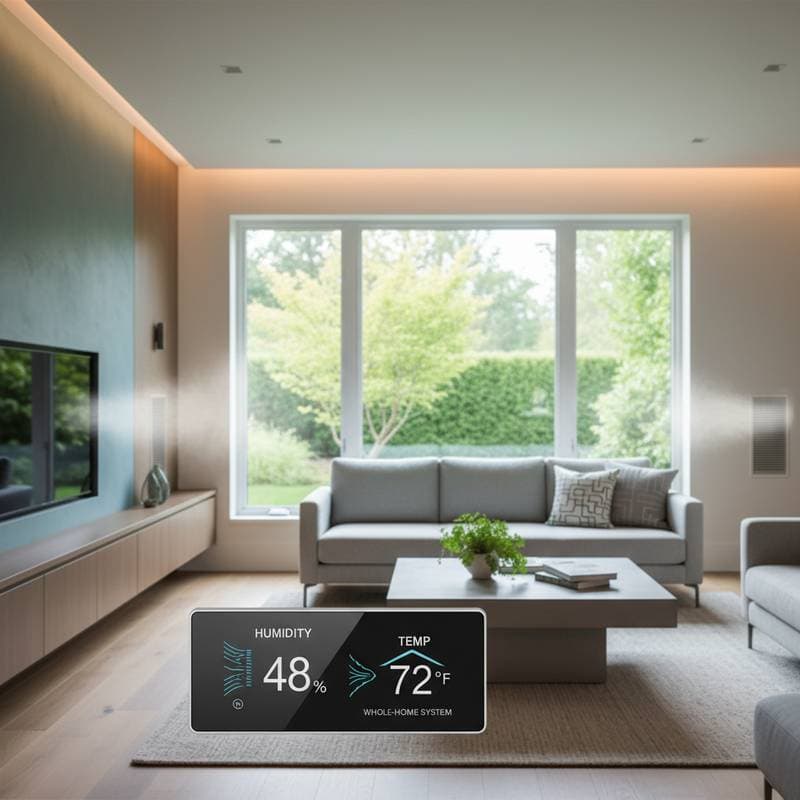
Comprehensive humidity regulation revolutionizes both comfort and operational efficiency. As an HVAC specialist, I advocate for incorporating a whole-home dehumidifier or humidifier into current systems. Such integration enables automatic moisture adjustment across seasons, eliminating the need for constant oversight.
The significance lies in enhanced system performance from balanced moisture. Homeowners can raise summer thermostat settings by several degrees or lower winter ones without sacrificing comfort, potentially decreasing energy consumption by up to 10 percent. This advantage proves substantial in regions enduring extended humid periods, yielding long-term financial relief.
How to Take Control of Indoor Humidity
Follow this structured approach to establish and sustain optimal humidity:
-
Test Your Current Levels
Acquire a hygrometer to gauge indoor humidity. Optimal comfort ranges from 40 to 50 percent. Persistent deviations signal the necessity for intervention. -
Inspect for Hidden Moisture Sources
Examine crawl spaces, basements, and attics for issues. Faulty ductwork or inadequate insulation frequently retains surplus moisture. Addressing these foundational problems enhances enduring effectiveness. -
Install a Whole-Home Dehumidifier or Humidifier
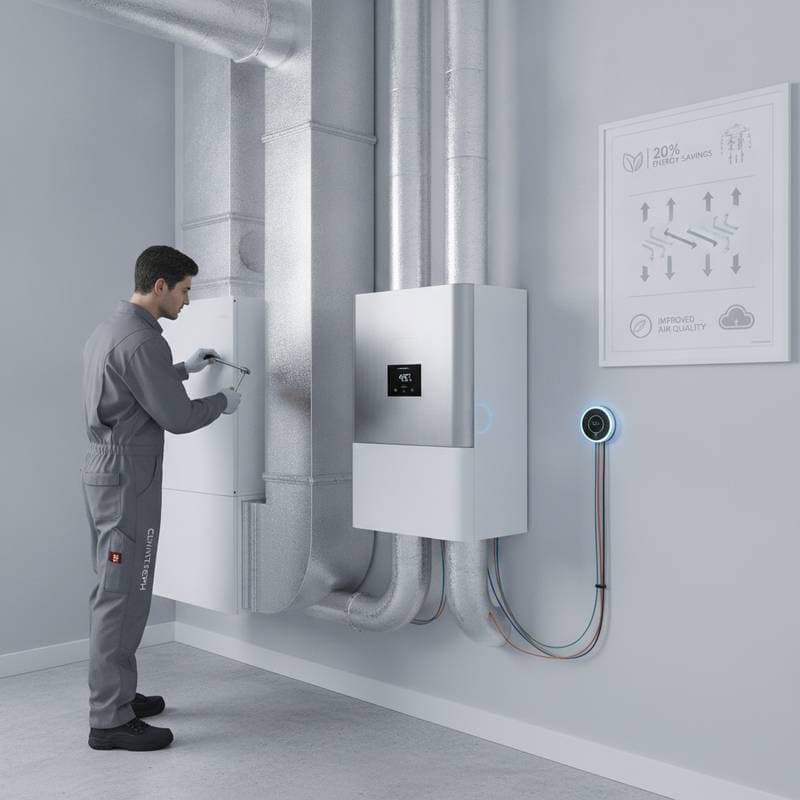
These devices synchronize with HVAC infrastructure. Dehumidifiers extract excess moisture from warmed air prior to duct distribution, whereas humidifiers introduce vapor during arid conditions. -
Schedule Regular Maintenance
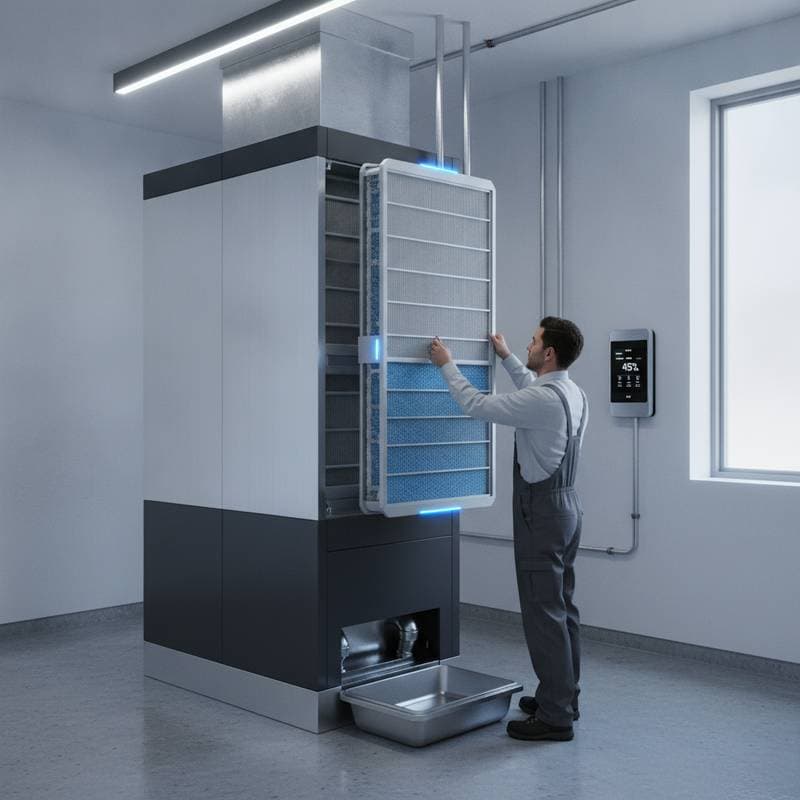
Conduct yearly inspections to verify sensor functionality and unobstructed drainage. Such diligence averts efficiency declines and moisture-related damages. -
Monitor and Adjust Seasonally
Emphasize dehumidification during summer months and humidification in winter. Thermostats equipped with humidity sensors facilitate seamless adaptations.
Practical Considerations and Costs
Pricing for whole-home humidity solutions depends on unit capacity and system compatibility. Professional dehumidifier installations typically span $1,500 to $3,000, with humidifiers ranging from $600 to $1,200. While initial outlays appear considerable, benefits materialize via reduced utility bills, diminished repair frequency, and superior air purity.
Engage a certified HVAC technician for accurate assessment and adherence to regulations. Improper setup risks drainage failures or airflow impediments, shortening equipment longevity. Technician Mark Ellis notes, “Balancing humidity is as much about precision as it is about equipment. The setup must match the home’s unique load and ventilation conditions.”
The Lasting Benefits of Balanced Humidity
Optimal humidity yields prompt enhancements in daily experience. Air circulation feels invigorated, wooden surfaces maintain integrity, and personal comfort for skin and respiratory systems improves. HVAC components endure reduced stress, prolonging operational life and minimizing maintenance costs.
Furthermore, equilibrium discourages mold development, dust mite habitats, and electrostatic buildup. This results in purer air with fewer allergens, promoting respiratory ease. Seasonal consistency in comfort becomes attainable, fostering a more enjoyable home environment.
Steps to Achieve Balanced Humidity in Your Home
Persistent clamminess in summer or aridity in winter indicates humidity imbalance. Arrange a consultation with a qualified HVAC professional via American Air HVAC to identify suitable solutions aligned with your residence and finances. Customized humidity strategies elevate living areas to exemplars of comfort and health.
Frequently Asked Questions
Q: What humidity level should I keep in my home?
A: Most experts agree that 40 to 50 percent humidity is ideal. It prevents mold while maintaining comfortable indoor air.