Humidity Control HVAC for Superior Year-Round Comfort
As an HVAC professional I have observed many homeowners struggle with comfort problems unrelated to temperature settings alone. Adjusting the thermostat lower during humid days or raising it in dry conditions often fails to resolve the underlying issue. Persistent clamminess or dryness typically stems from inadequate moisture management.
Why Humidity Control Matters More Than You Think
Humidity levels directly influence perceived temperature and overall indoor conditions. Readings above 60 percent create a sticky sensation while forcing cooling equipment to operate longer. Readings below 30 percent produce static, irritated skin, and potential damage to wooden surfaces.
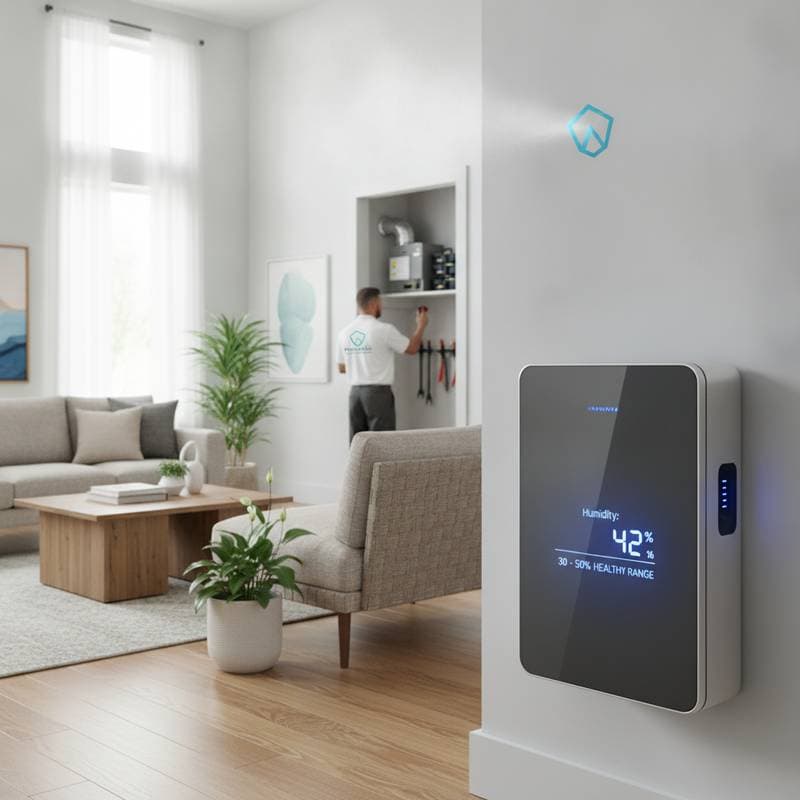
Maintaining indoor moisture between 40 and 50 percent supports efficient system performance and reduces risks to household materials. This range also promotes easier breathing throughout changing seasons.
The Hidden Costs of Imbalanced Humidity
Excess moisture increases cooling runtime and can raise energy consumption noticeably. Insufficient moisture causes heating equipment to work harder to offset the chill, elevating fuel expenses. Both situations affect monthly utility costs.
High humidity encourages dust mite activity while low humidity can worsen respiratory irritation. Consistent moisture management therefore contributes to a healthier living space for all occupants.
How Your HVAC System Can Manage Humidity
Effective control requires integration of specialized components into the existing heating and cooling setup. These additions allow automatic adjustment based on real-time conditions.
The primary options include the following:
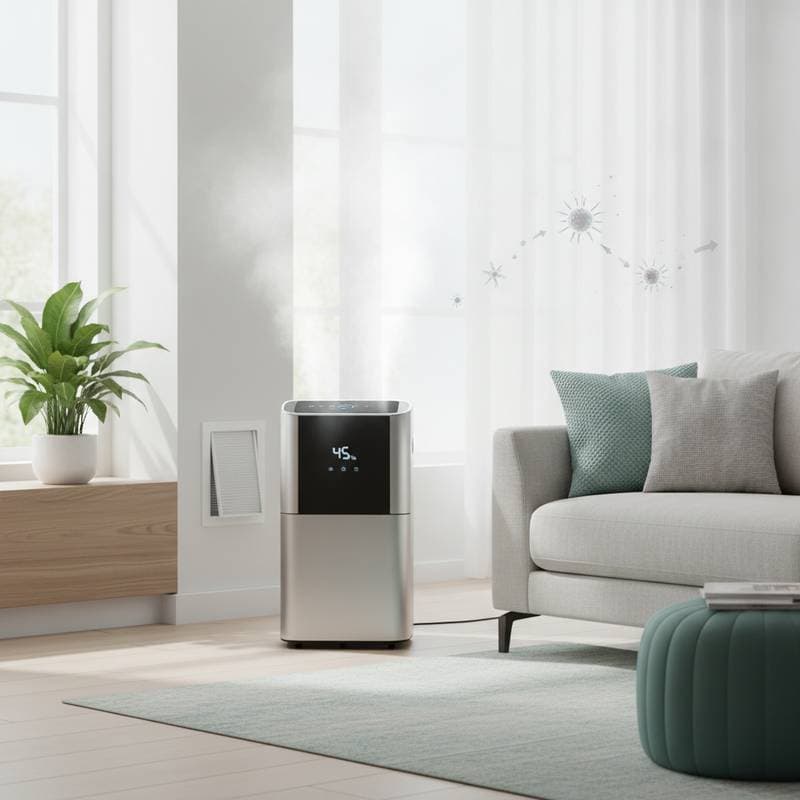
- Whole-home dehumidifiers installed in ductwork to extract surplus moisture before circulation.
- Whole-home humidifiers connected to the water supply that distribute vapor evenly during heating cycles.
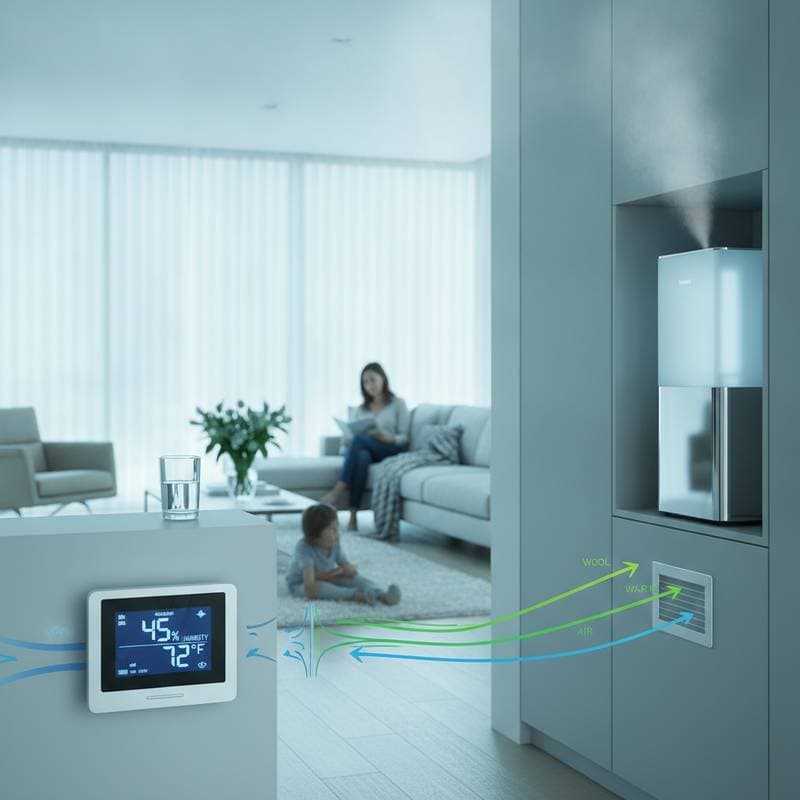
- Smart thermostats equipped with humidity sensors that regulate system output automatically.
- Variable-speed equipment that operates at reduced speeds for extended periods to improve moisture removal.
Expert Tips for Achieving Ideal Humidity Balance
Several maintenance and upgrade steps help sustain target moisture levels.
Regular Filter Changes
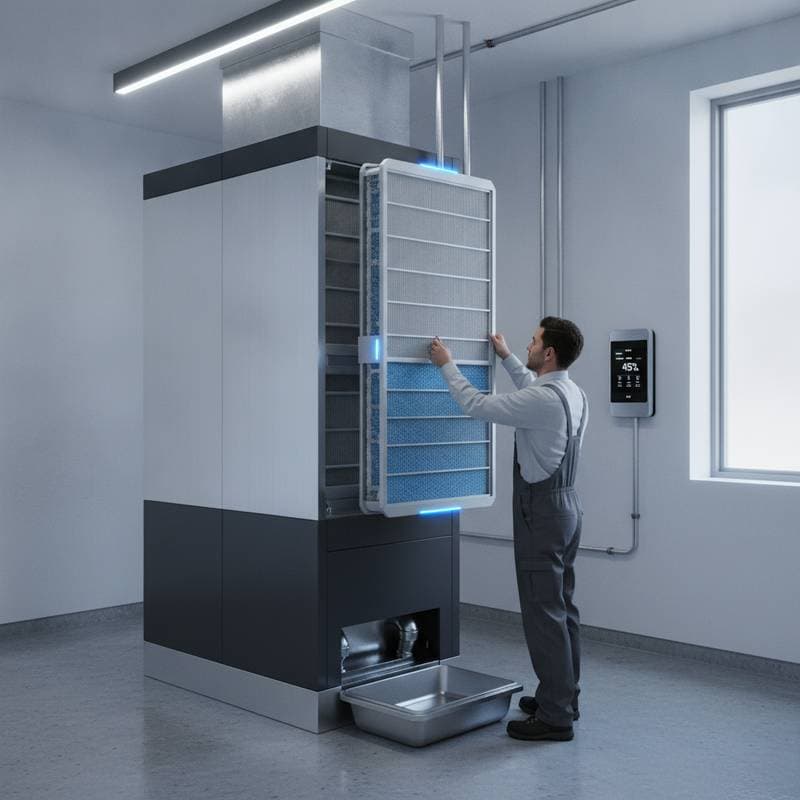
Restricted airflow from dirty filters impairs dehumidification performance. Replacement every one to three months restores proper function depending on local conditions.
Routine HVAC Maintenance
Annual professional inspections identify issues affecting moisture removal. Technicians address coil cleanliness, refrigerant charge, and drainage integrity during these visits.
Use Exhaust Fans Wisely
Bathroom and kitchen fans should operate during moisture-producing activities and then shut off promptly. Extended runtime can reduce indoor humidity below desired levels.
Seal Duct Leaks
Gaps in ductwork allow unconditioned air to enter and disrupt moisture balance. Proper sealing improves both humidity stability and overall efficiency.
Upgrade Your Insulation
Inadequate insulation permits outdoor moisture infiltration. Enhanced attic and wall insulation reduces the burden on HVAC equipment.
Practical Considerations Before You Invest
Equipment costs vary by capacity and installation requirements. Whole-home dehumidifiers generally range from 1000 to 2500 dollars while humidifiers fall between 500 and 1500 dollars. Smart thermostats add 200 to 400 dollars.
A professional assessment determines the appropriate equipment size for a given residence. This evaluation measures existing moisture load and prevents unnecessary expenditure. All installations must comply with applicable building codes and safety requirements.
The Long-Term Payoff of Proper Humidity Control
Stable humidity preserves structural elements such as flooring and cabinetry. It also limits mildew development and reduces odors within the living space. Equipment experiences fewer cycles, resulting in quieter operation and extended service life.
Achieving Consistent Comfort
Test current humidity levels to identify whether additional equipment or adjustments are warranted. A qualified technician can recommend solutions matched to regional climate patterns. Balanced moisture delivers reliable efficiency and improved daily living conditions year after year.
FAQs
Q: What is the ideal indoor humidity range for comfort and health?
A: Most experts recommend keeping indoor humidity between 40 and 50 percent. This range minimizes mold growth, prevents dryness, and supports efficient HVAC operation.
Q: How often should I service my whole-home humidifier or dehumidifier?
A: Schedule maintenance once a year during your seasonal HVAC checkup. Cleaning the unit, replacing filters, and checking water lines keep performance consistent.