Why Humidity Imbalance Sabotages Your HVAC System
Humidity levels in your home play a crucial role in overall comfort and system efficiency. Many homeowners focus solely on temperature settings, yet ignore the invisible force of moisture in the air. An imbalance in humidity can lead to a range of issues that strain your heating, ventilation, and air conditioning system, resulting in higher energy bills and premature wear.
In 2026, advancements in humidity management offer practical solutions to these challenges. Understanding the problem empowers you to make informed decisions about your home environment. This article explores the impacts of humidity imbalance and outlines steps to achieve balanced indoor air.
Understanding Humidity Imbalance
Humidity refers to the amount of water vapor present in the air. Ideal indoor levels range from 30 to 50 percent relative humidity. When levels fall below 30 percent, the air becomes too dry; above 50 percent, it feels overly damp.
Dry air occurs commonly during winter months when heating systems remove moisture. Conversely, humid conditions prevail in summer, especially in regions with high outdoor moisture. These fluctuations disrupt the delicate balance your HVAC system maintains.
Ignoring this balance leads to discomfort and inefficiency. Your body perceives temperature differently based on humidity. For instance, high humidity makes warm air feel hotter, while low humidity causes dry skin and respiratory irritation.
How Imbalance Damages Your HVAC System
Excessive humidity forces your air conditioner to work harder. The system cycles more frequently to remove moisture, increasing energy consumption by up to 20 percent. Over time, this strain accelerates component wear, such as compressor failure.
In dry conditions, low humidity causes static electricity buildup and wood shrinkage in your home. Your furnace or heater runs longer to compensate, leading to uneven heating and higher utility costs. Dust and allergens circulate more freely in dry air, clogging filters faster.
Mold growth thrives in high-humidity environments. Damp ducts and evaporator coils foster bacterial proliferation, reducing airflow and air quality. Regular maintenance becomes essential, yet imbalance shortens the lifespan of your entire HVAC setup.
Prolonged exposure to these conditions results in costly repairs. A single compressor replacement can exceed $1,500. Preventive measures prove far more economical than reactive fixes.
Health and Comfort Consequences
Imbalanced humidity affects more than just your equipment. High levels promote dust mites, mold spores, and viruses, exacerbating allergies and asthma. Families with young children or elderly members face heightened risks from poor indoor air quality.
Dry air irritates eyes, throat, and nasal passages. It also dries out wooden furniture and flooring, causing cracks and warping. These issues compound over seasons, turning your home into an uncomfortable space.
Balanced humidity maintains optimal conditions for health. It reduces the spread of airborne pathogens and preserves skin hydration. Homeowners report improved sleep and productivity in environments with steady moisture levels.
Solutions for Effective Humidity Control
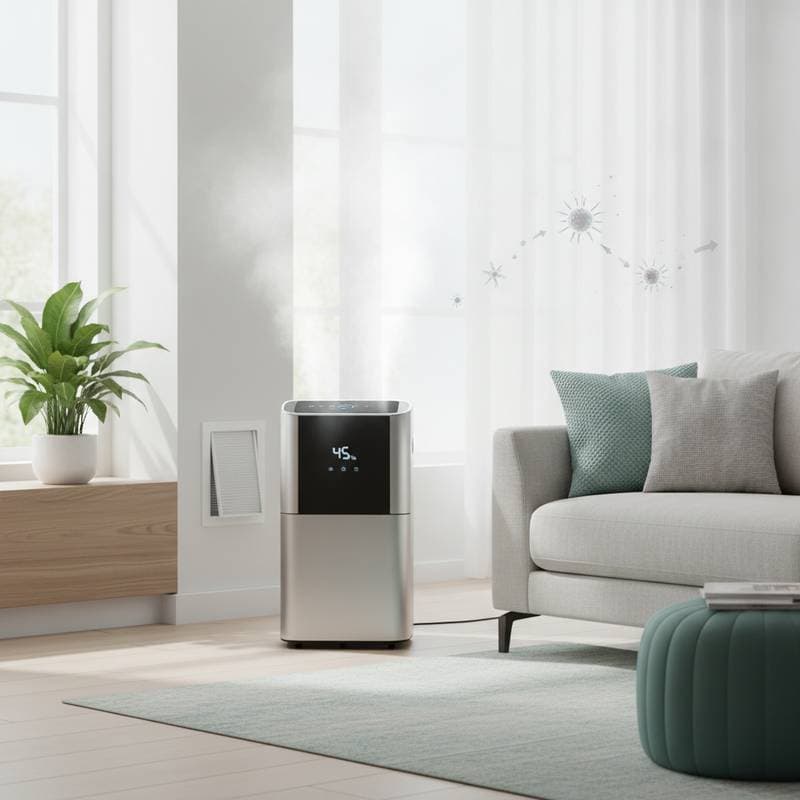
Whole-home dehumidifiers integrate seamlessly with existing HVAC systems. These units remove excess moisture during cooling cycles, maintaining levels below 50 percent. Installation requires professional assessment to ensure compatibility.
Humidifiers add moisture in dry seasons. Steam or evaporative models connect to your furnace ductwork, distributing vapor evenly. Smart sensors monitor and adjust output automatically, preventing over-humidification.
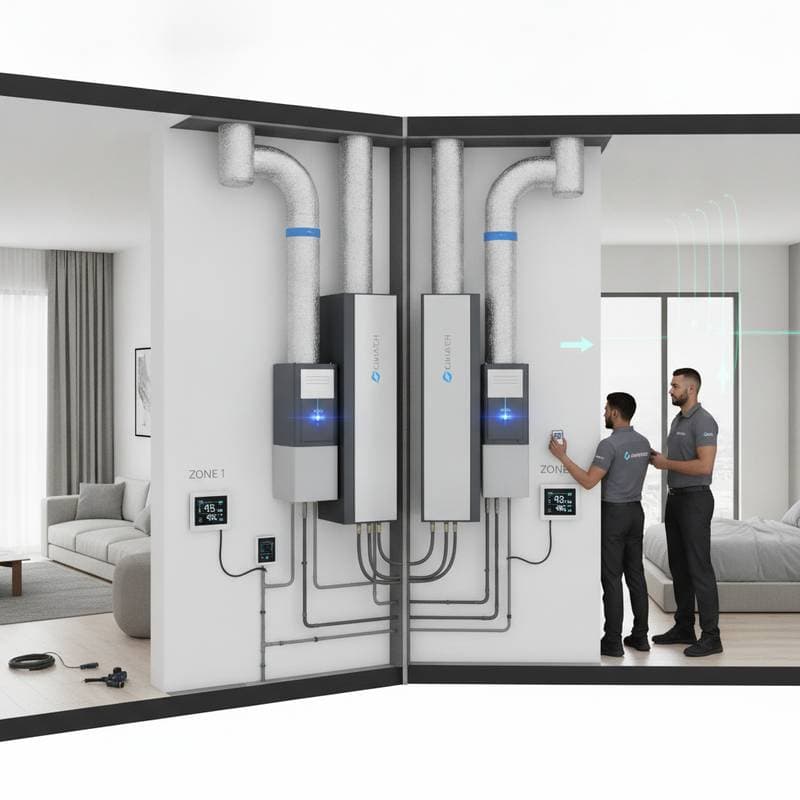
In 2026, smart humidity controls elevate management precision. Wi-Fi-enabled thermostats track real-time data from multiple rooms. Apps allow remote adjustments, optimizing settings based on occupancy and weather forecasts.
These devices learn your preferences over time. Integration with voice assistants enables hands-free operation. Energy-efficient models reduce overall consumption while enhancing comfort.
Steps to Implement Humidity Balance
-
Assess your current setup. Measure indoor humidity with a hygrometer over several days to identify patterns.
-
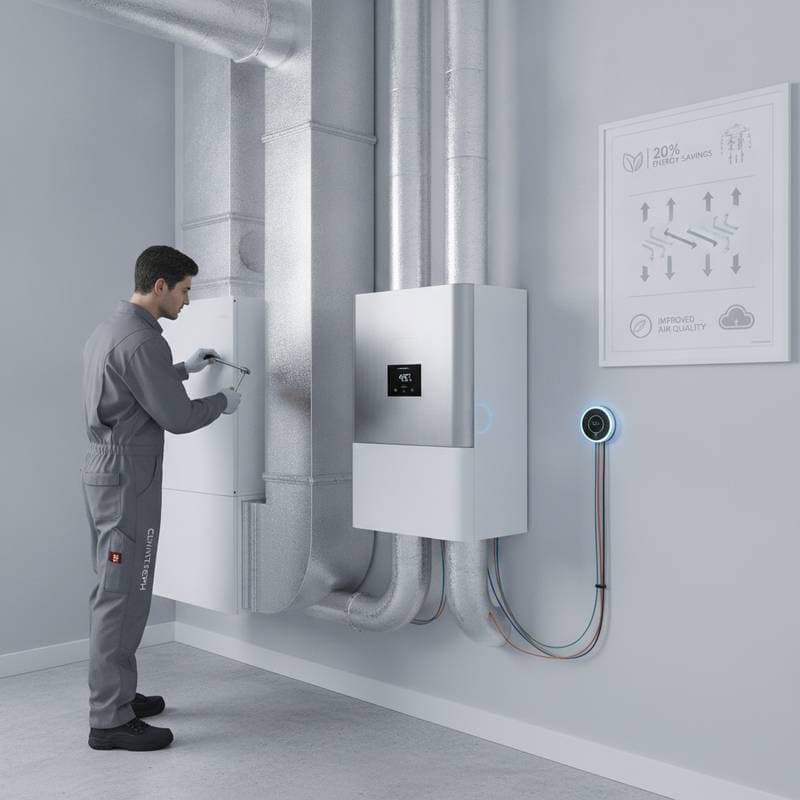
Consult a certified HVAC technician. They evaluate ductwork, insulation, and ventilation for underlying issues.
-
Select appropriate equipment. Choose systems sized for your home's square footage and climate zone.
-
Schedule professional installation. Proper setup ensures longevity and warranty coverage.
-
Maintain regularly. Clean filters monthly and inspect for leaks annually.
-
Monitor with technology. Use apps to track performance and receive alerts for adjustments.
Following these steps transforms your home's climate control.
Long-Term Benefits of Balanced Humidity
Investing in humidity management yields immediate and lasting rewards. Energy savings average 10 to 15 percent annually, as systems operate more efficiently. Reduced repair frequency extends equipment life by years.
Healthier air minimizes medical visits and medication needs. Families enjoy consistent comfort without seasonal discomforts. Property value increases with a well-maintained HVAC system.
In 2026, these solutions align with sustainable living goals. Lower energy use contributes to environmental conservation. Homeowners achieve peace of mind knowing their investment protects both family and finances.
Achieving Year-Round Indoor Wellness
Humidity balance elevates home living beyond basic temperature regulation. It safeguards your HVAC investment while fostering a healthier environment. Take the first step today by evaluating your system's performance.
Expert guidance ensures tailored solutions for your needs. Embrace these advancements for enduring comfort and efficiency. Your home deserves the optimal conditions that balanced humidity provides.