Humidity Control in HVAC: Transforming Home Comfort
As an HVAC professional, I have observed numerous homeowners grappling with humid summers and arid winters. You may have encountered this issue personally. The air feels oppressive, skin becomes clammy, and no matter how low the thermostat is set, the home does not achieve true comfort. This discomfort often arises not from temperature alone but from humidity, the invisible force that profoundly influences indoor well-being.
Through years of experience in the industry, I recognize that conventional heating and cooling units excel at temperature regulation yet falter in maintaining moisture equilibrium. Humidity control HVAC systems address this gap, converting living spaces into balanced, refreshing havens.
The Underlying Cause of Indoor Discomfort
Many homeowners attribute unease to malfunctioning air conditioners or furnaces. In reality, humidity frequently serves as the concealed offender. When indoor levels exceed 60 percent, the environment feels warmer, fosters mold proliferation, and causes wood floors to warp.
On the other hand, humidity below 30 percent leads to static electricity, chapped skin, and sinus irritation. In regions with high moisture, air conditioners operate continuously to extract water by excessively cooling, which elevates energy expenses and accelerates equipment wear. A dedicated humidity control HVAC system focuses on moisture removal directly, delivering comfort without straining the primary unit.
Mechanisms of Humidity Control HVAC Systems
These sophisticated systems combine temperature and humidity management into a unified process. They employ intelligent sensors and variable-speed elements to sustain optimal levels between 40 and 55 percent.
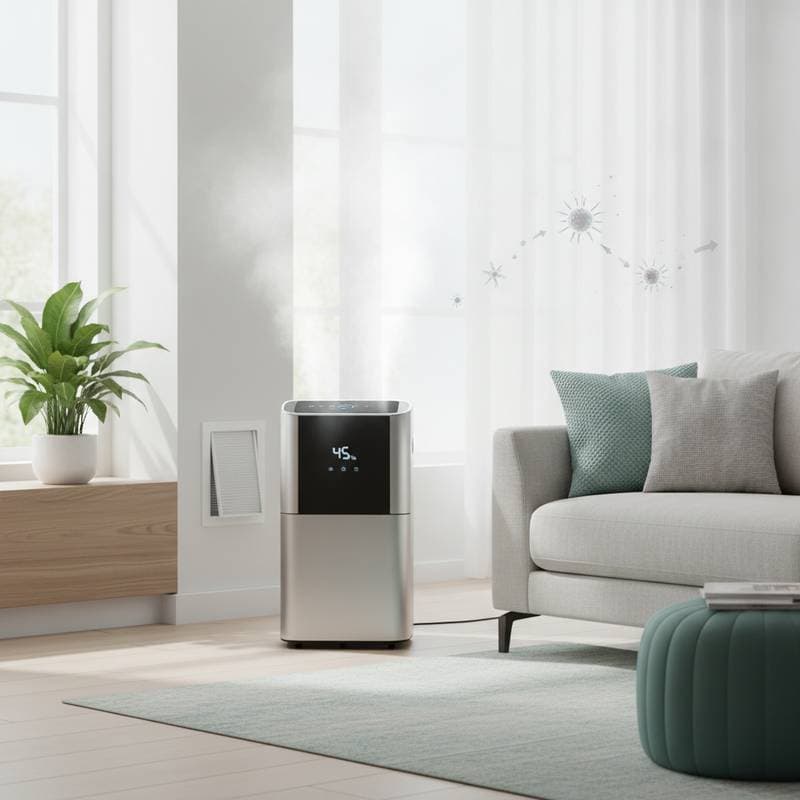
Whole-home dehumidifiers link to existing HVAC ductwork. They intake humid air, extract surplus vapor, and redistribute conditioned air throughout the house. This produces fresh, cooling circulation that enhances perceived coolness without further reducing the thermostat setting.
To illustrate, consider a system equipped with a desiccant wheel or refrigeration coil that captures moisture efficiently. Paired with bypass configurations, these units operate independently or in tandem with the main HVAC, ensuring consistent performance across varying loads.
Benefits of Investing in Humidity Control
From an expert perspective, view humidity control as a strategic investment in health and efficiency. Effective moisture regulation yields several advantages:
- Lowers energy expenses by permitting higher thermostat adjustments while preserving comfort
- Prolongs HVAC durability as the equipment avoids excessive operation to compensate for imbalances
- Inhibits mold and mildew growth in moist conditions
- Safeguards furnishings and floors against expansion or contraction damage
- Improves air quality by limiting habitats for dust mites and allergens
A well-regulated interior maintains freshness, cleanliness, and stability across seasons, contributing to enhanced daily living.
Professional Strategies for Effective Whole-Home Humidity Management
When upgrading to a humidity control system or incorporating a dehumidifier, adhere to these steps for optimal outcomes.
-
Evaluate current humidity conditions. Acquire a hygrometer to gauge indoor levels. Values surpassing 55 percent indicate surplus moisture, whereas those under 35 percent suggest excessive dryness.
-
Select an appropriately sized unit. An undersized dehumidifier fails to manage demand, while an oversized one consumes unnecessary power. Engage a specialist for a precise load assessment to determine capacity based on square footage, insulation, and local climate.
-
Incorporate with the current HVAC infrastructure. Contemporary systems integrate seamlessly into ductwork for uniform coverage. Sensor-driven automation activates the unit as needed, promoting efficiency.
-
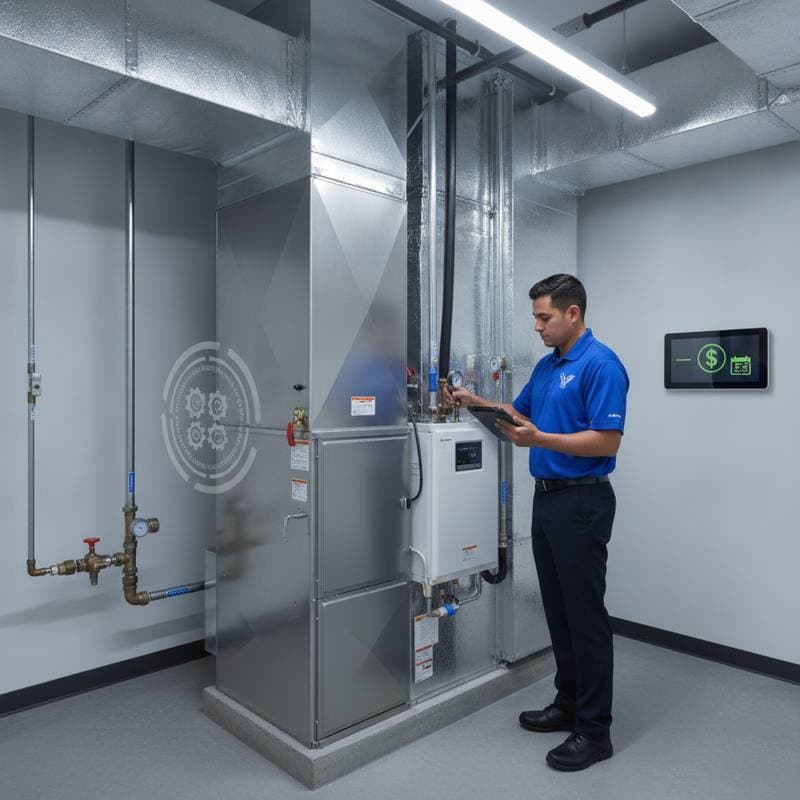
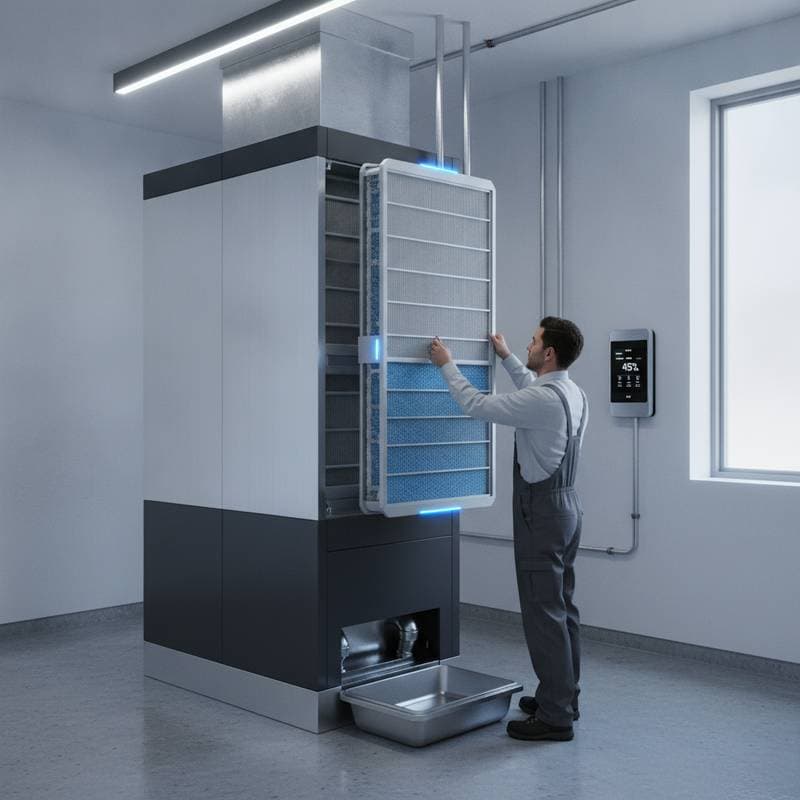
Arrange routine professional servicing. Yearly inspections ensure clean coils, unobstructed drains, and accurate sensor function. Such upkeep sustains peak operation and averts expensive breakdowns.
-
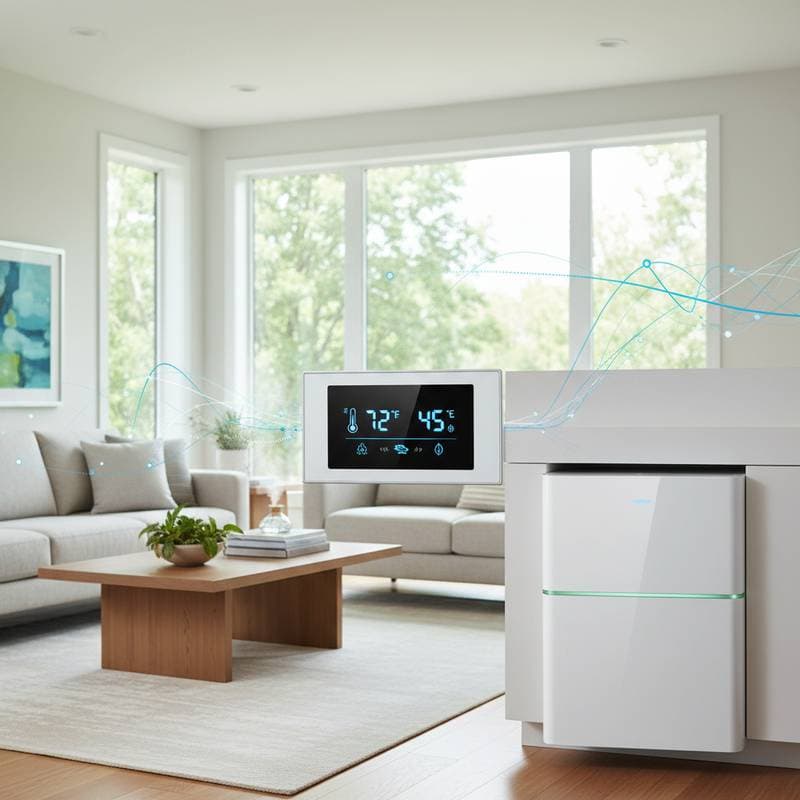
Implement intelligent controls. Advanced thermostats track temperature and humidity simultaneously. Remote app adjustments or programmed schedules enable effortless oversight of conditions.
Key Factors in Upgrading to Humidity Control
Homeowners often express concerns regarding expenses and installation intricacies. Fortunately, these systems adapt to diverse budgets and property configurations.
- Installation Costs: Budget approximately $1,500 to $3,000 for a premium whole-home dehumidifier, including labor from a certified technician.
- Potential Savings: Equilibrium in humidity reduces cooling demands by 10 to 20 percent annually.
- Ongoing Care: Clean or replace filters quarterly; ensure drain lines remain free of blockages to avoid water issues.
- Safety Precaution: Refrain from servicing refrigerant components independently; consult a qualified professional to mitigate risks.
- Regulatory Adherence: Certain areas mandate permits for installations. Reliable contractors manage compliance seamlessly.
As HVAC specialist Rachel Perez notes, “Humidity control is more than comfort. It’s about protecting your home and your health. Without it, even the best HVAC system can’t perform at its peak.”
Adapting to Regional Climates
Geographic location significantly influences humidity control requirements. Coastal or southern zones contend with persistent high moisture, necessitating robust dehumidification.
In elevated or northern locales, winter dryness may require humidification capabilities. For transitional climates, opt for versatile units that humidify or dehumidify as conditions dictate. This flexibility guarantees consistent comfort amid fluctuating weather patterns.
Consider integrating zoning features for multi-story homes, where basements or attics may harbor unique moisture challenges. Tailored approaches ensure comprehensive coverage.
Steps to Implement Your Humidity Control Solution
Selecting an appropriate humidity control HVAC option requires minimal complexity. Initiate the process with a professional home assessment. Experts measure existing humidity, review the current setup, and propose customized recommendations.
Success depends on matching suitable technology with expert installation. Post-setup, improvements become evident swiftly: air circulates cleanly, odors diminish, and occupants experience relaxed, balanced surroundings.
To advance your home's comfort, consult a qualified HVAC professional via americanairhvac.net for a complimentary evaluation. This connection links you with regional specialists adept at addressing local climate demands and delivering tailored humidity solutions.
Frequently Asked Questions
Q: How often should my whole-home dehumidifier receive service?
A: Annual professional inspections prove beneficial for most units. These involve coil cleaning, electrical checks, and drain verification. Consistent care upholds efficiency and prevents operational stress.
Q: Is it possible to install a humidity control system independently?
A: Setup entails electrical connections and duct integration. For safety and warranty integrity, employ a certified HVAC technician. Independent efforts risk suboptimal performance or equipment harm.
Q: Does a humidity control system raise energy costs?
A: The effect is contrary. A balanced configuration diminishes overall consumption by reducing runtime for primary heating or cooling. Numerous users report savings in the initial season.